Tension over climate change dominates SC environmental nomination hearing
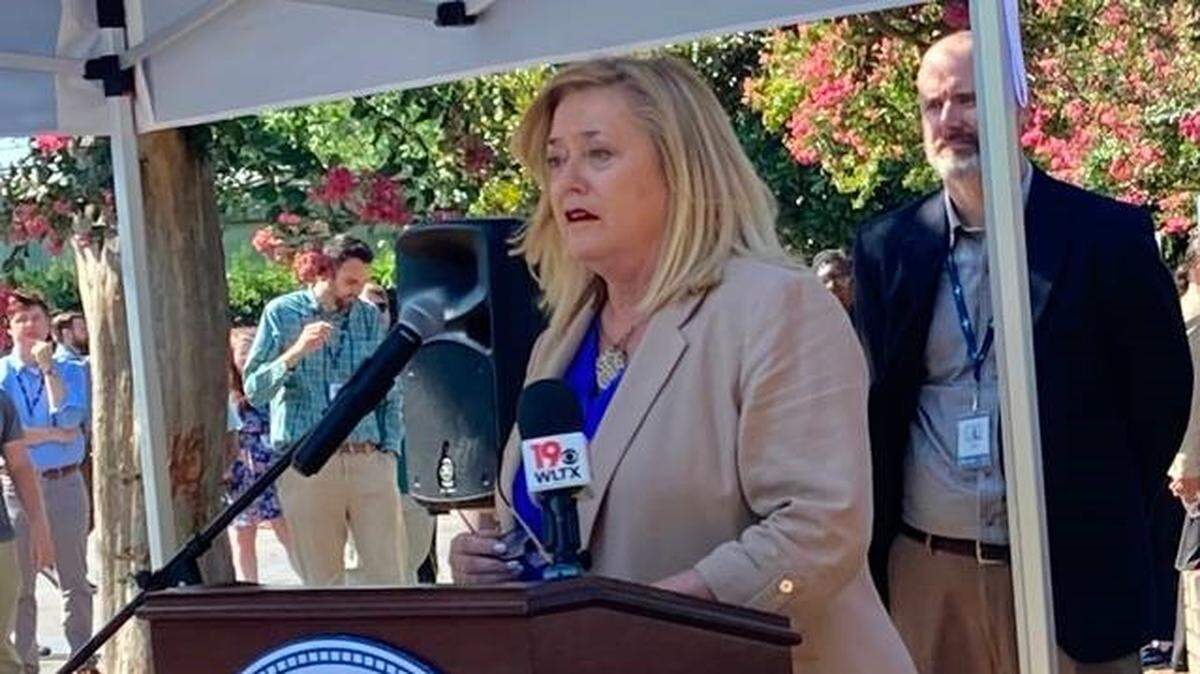
A Senate committee approved Gov. Henry McMaster’s choice to run the state’s environmental agency Tuesday, but the vote was not unanimous and a key senator said he wasn’t satisfied with answers he received about climate change and coastal regulation.
Myra Reece’s nomination now moves to the full Senate for a vote on whether to make her director of the S.C. Department of Environmental Services. Reece has been acting in an interim status since the agency was formed last summer during a government restructuring initiative.
The Senate agriculture committee hearing was dominated by Sen. Wes Climer, the chairman, who pressed Reece to explain her views on climate change and how the agency would address the issue under her leadership. He also pushed her to explain how she would deal with private property owners affected by state rules and regulations.
After the 10-1-4 vote, Climer said Reece did not answer his questions. The York County Republican, who cast the sole no vote, said he wanted to hear more specific answers from Reece to make sure South Carolina does not enact environmental rules “on the basis of thoroughly unproven theories.’’
Asked if he believes climate change is an unproven theory, Climer said “the notion of causation remains in dispute and I wanted to hear from her that she wasn’t going to, for example, attempt to ban the combustion engine or other state level regulations on carbon emissions.’’
An overwhelming number of scientists agree that climate change is real and human activities have worsened the condition. Since industrialization, carbon dioxide levels have spiked in the atmosphere. Cars also contribute to greenhouse gas pollution, but no state prohibits people from using traditional automobiles. Certain gases, such as carbon dioxide, are key contributors to global warming.
South Carolina has dealt with the effects of climate change, with sea level rise perhaps the biggest issue. Increasing sea levels are beginning to swamp some parts of the coast, including Charleston’s downtown historic district. More intense storms, such as hurricanes that have pounded the state in recent years, are attributed to climate change.
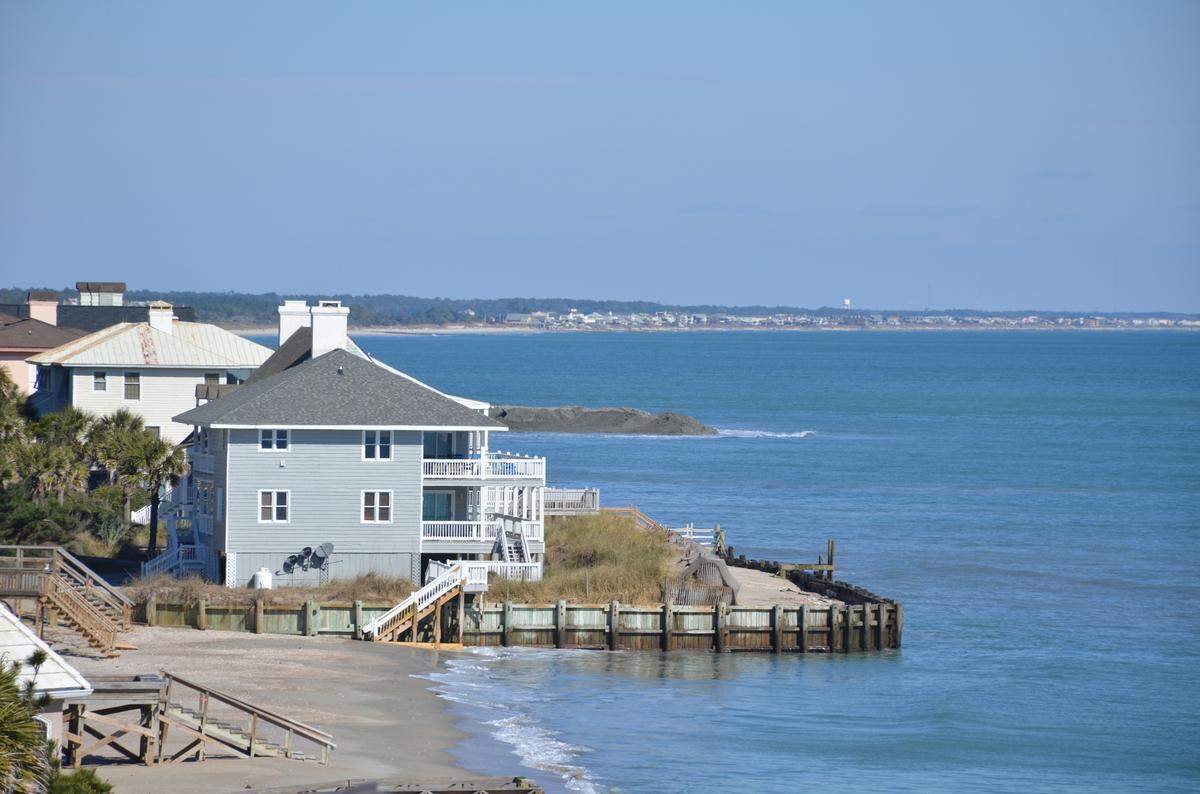
The state’s struggles with rising seas also include beachfront issues, where property owners are complaining about state restrictions on developing along the seashore at the same time the coast continues to erode. Building too close to the beach can worsen erosion when structures are routinely pounded by waves, while also putting people in harm’s way. Some structures like seawalls can block public access to the oceanfront.
Among property owners upset about state regulation of the oceanfront is wealthy Isle of Palms resident Rom Reddy, who launched a campaign against Reece after her agency fined him $289,000 for building along the beach.
Reece, a 66-year-old veteran of state government chosen by McMaster last year, was asked by Climer what she thinks of climate change and how that relates to her job as an environmental regulator.
Reece said she would leave the “climate science to the climate scientists.’’ Under questioning by Climer, she said her department would not propose to the Legislature any rules or proposed laws based on research by climate scientists or on theories about manmade climate change.
But she said there’s little doubt the state has dealt with multiple problems as concerns about climate change have risen.
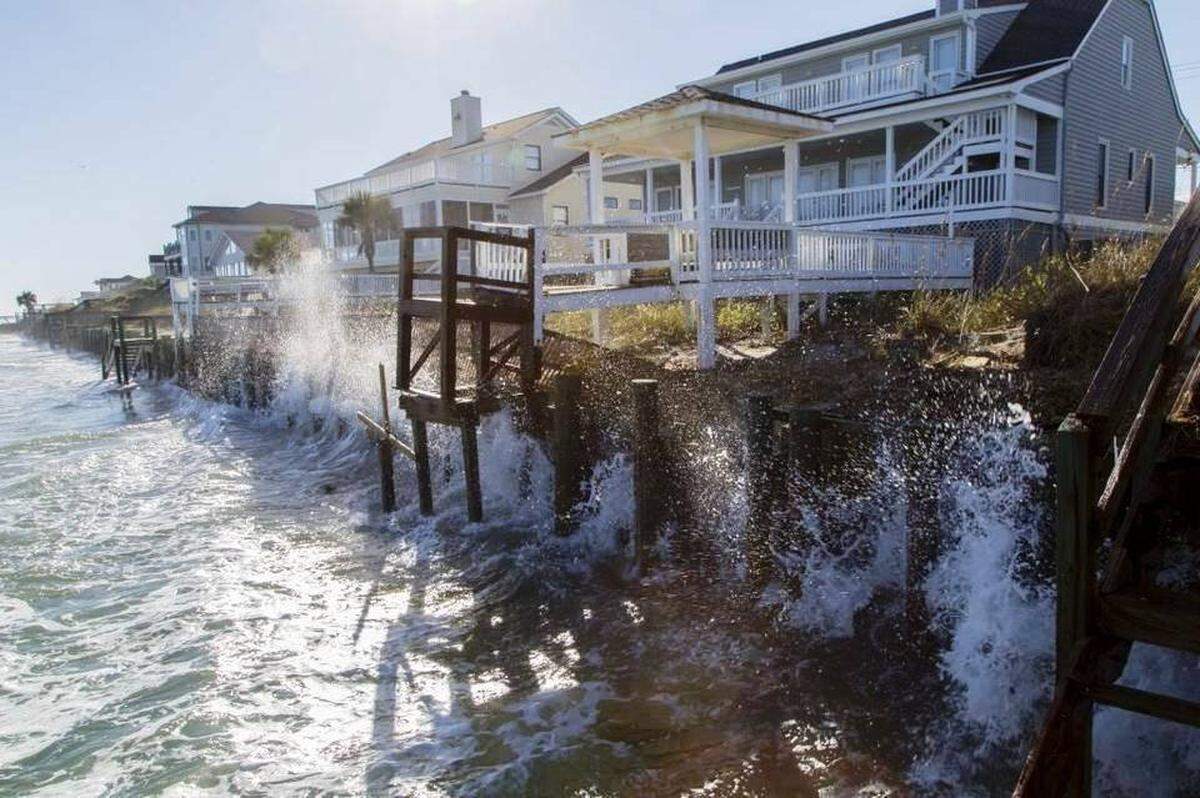
“We have experienced a lot more natural disasters, we’re seeing changing sea level rises, we’re seeing heavy, intense rainfall events,’’ she said. “I’ve even had some of my subject matter experts tell me that the drought of today is nothing like the drought of even 10 years ago. So things are not the same now as they were in the past when it comes to weather impacts and natural disasters.’’
Despite repeated questions from Climer about how she weighs private property rights and the need to protect beaches, Reece declined to state a preference, although Reece did say beaches are important to the state’s tourist economy. She noted that state law requires beaches to be protected.
“What’s important for a community is (for) property owners to be able to protect their property,’’ Reece said. “I also think it’s important for the beachfront community to continue to support tourism in South Carolina. There are a lot of folks that come to this state because of the beauty of our shorelines and our mountains. They are here to rent property. They are here to enjoy our beautiful beaches.’’
Climer, among some lawmakers upset about how state beach protection efforts affect private landowners who build along the shore, noted that South Carolina is now looking at legislation that could help oceanfront property owners.
The Legislature is considering a bill pushed by Sen. Stephen Goldfinch, R-Georgetown, to require the state to pay property owners who win appeals against the state over environmental enforcement cases, while also stopping some enforcement efforts by state regulators. Critics say the bill could chill necessary enforcement on the beachfront.
One of the hottest issues along the coast concerns Reddy, the Isle of Palms property owner who has said state efforts to enforce beach protection laws resemble those of the Nazi gestapo, a brutal police force. Reddy has formed a political action committee, put $2.5 million of his own money into it, and has challenged the environmental services department over the $289,000 fine it issued regarding seawall construction at his home.
He also has urged senators to deny Reece’s confirmation.
Tuesday’s hearing had a substantially different tone from an initial hearing last week, in which most senators on the panel praised Reece. Many of South Carolina’s major conservation and business organizations also support her becoming director, saying she is a reasonable person to deal with.
Reece, a former chief environmental officer at the S.C. Department of Health and Environmental Control, fared better than her counterpart at the now defunct agency, Edward Simmer.
A Senate screening panel turned down the former Navy psychiatrist’s nomination to run the state Department of Public Health this spring after a crowd composed of people opposed to COVID vaccines complained. Both Reece and Simmer worked together at DHEC before it was broken up into the environmental services department and the health department.
McMaster has stood by both candidates, saying they are well-qualified for the jobs and are being unfairly characterized.
Reece, a Clemson University graduate, is an Edgefield County native and longtime state regulator well regarded for her ability to work with people. She is known for a polite manner and deep knowledge of state environmental regulations.
She has, at times, been the target of criticism from environmentalists over what they have said is inadequate protection of the state’s landscape. Some, for instance, have questioned why Reece and DHEC did not impose restrictions on toxic forever chemicals in sewer sludge that is sometimes used as farm fertilizer.
But she also has irked development interests. She’s come under fire recently from some affluent homeowners over what critics say are overly zealous enforcement efforts to protect South Carolina beaches.
Some critics also have questioned DHEC’s performance in overseeing a paper mill that drew tens of thousands of complaints over odors it produced near Rock Hill.
Climer, speaking to reporters after Tuesday’s hearing with Reece, did not say how he will vote when her name comes to the full Senate. Climer said he expects Reece will be confirmed.
“I continue to have concerns that she has insufficient regard for the rights of individual property owners,’’ Climer said.
He also said Reece tries to smooth things over without getting enough done. Reece “does a delightful job of telling people what they want to hear and a miserable job of following through on those things.”
Senators voting to approve Reece and send her nomination to the full Senate included: Republicans Danny Verdin, Tom Corbin, Mike Gambrell, Tom Young, Jason Elliott and Jeff Zell, and Democrats Jeffrey Graham, Russell Ott, Ed Sutton and Kent Williams, according to an unofficial vote tally. Republican Sens. Stephen Goldfinch, Josh Kimbrell, Roger Nutt and Everett Stubbs abstained without explaining Tuesday their reasoning. Climer voted no.
This story has been updated with the unofficial vote tally and comments from Myra Reece.
This story was originally published April 15, 2025 at 12:47 PM.