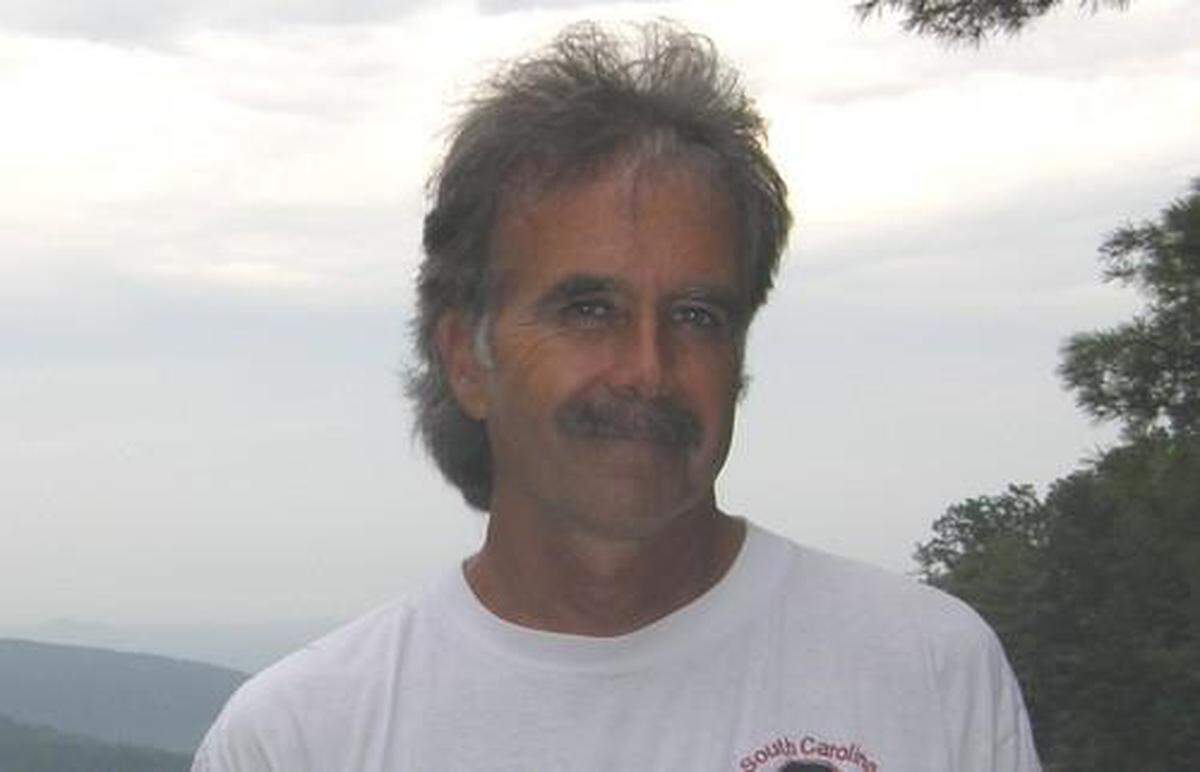
Wealthy SC beach house owner rails against ‘Russian’ system as seawall trial ends
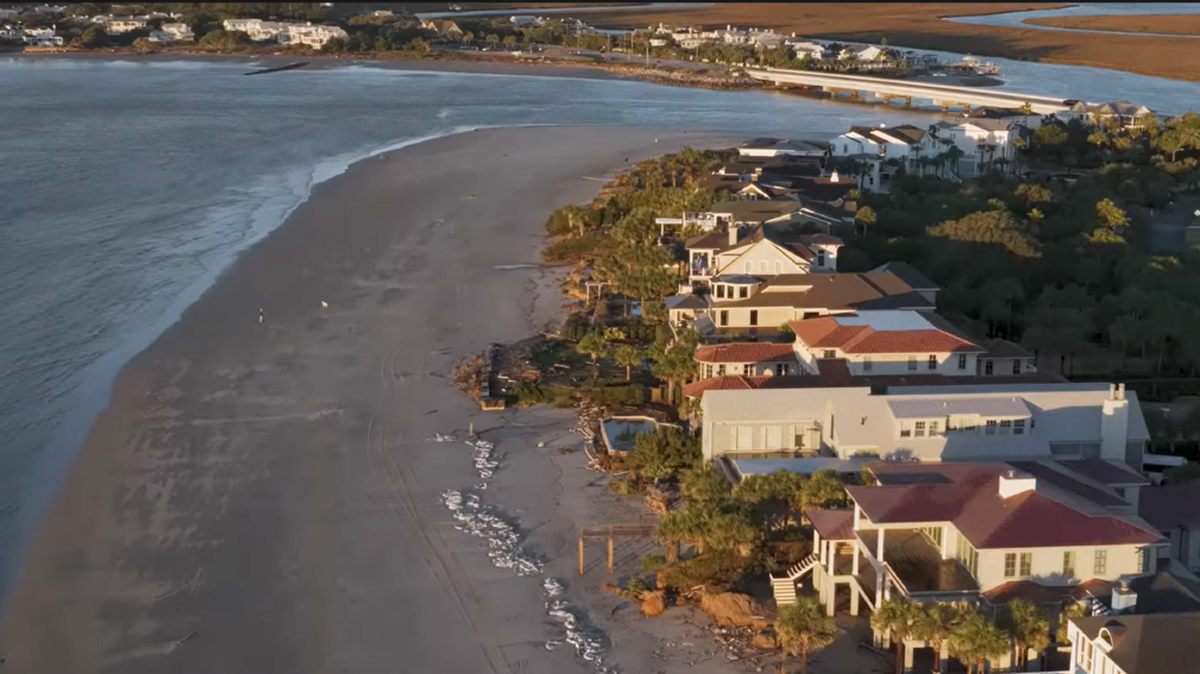
Rom Reddy spent plenty of time in Columbia this month ripping South Carolina’s coastal protection agency while trying to persuade a judge to overturn a $289,000 state fine for building what state regulators say is an illegal seawall at his oceanfront home on the Isle of Palms.
Now, it’s up to Administrative Law Judge Ralph King Anderson III to decide a case that could affect how South Carolina protects its beaches in coming years.
The trial ended Tuesday as Reddy and state officials continued to spar over the seawall construction effort along the beach between the Atlantic Ocean and the wealthy Charleston County resident’s house. It could be several months before Anderson issues a ruling that could either uphold or set aside the $289,000 state fine and an order to remove the seawall.
For more than 36 years, South Carolina law has banned new seawalls on the beach, but Reddy says the wall built beside his home is in an area where the state has no jurisdiction. Even so, Reddy said he tried to work with coastal regulators.
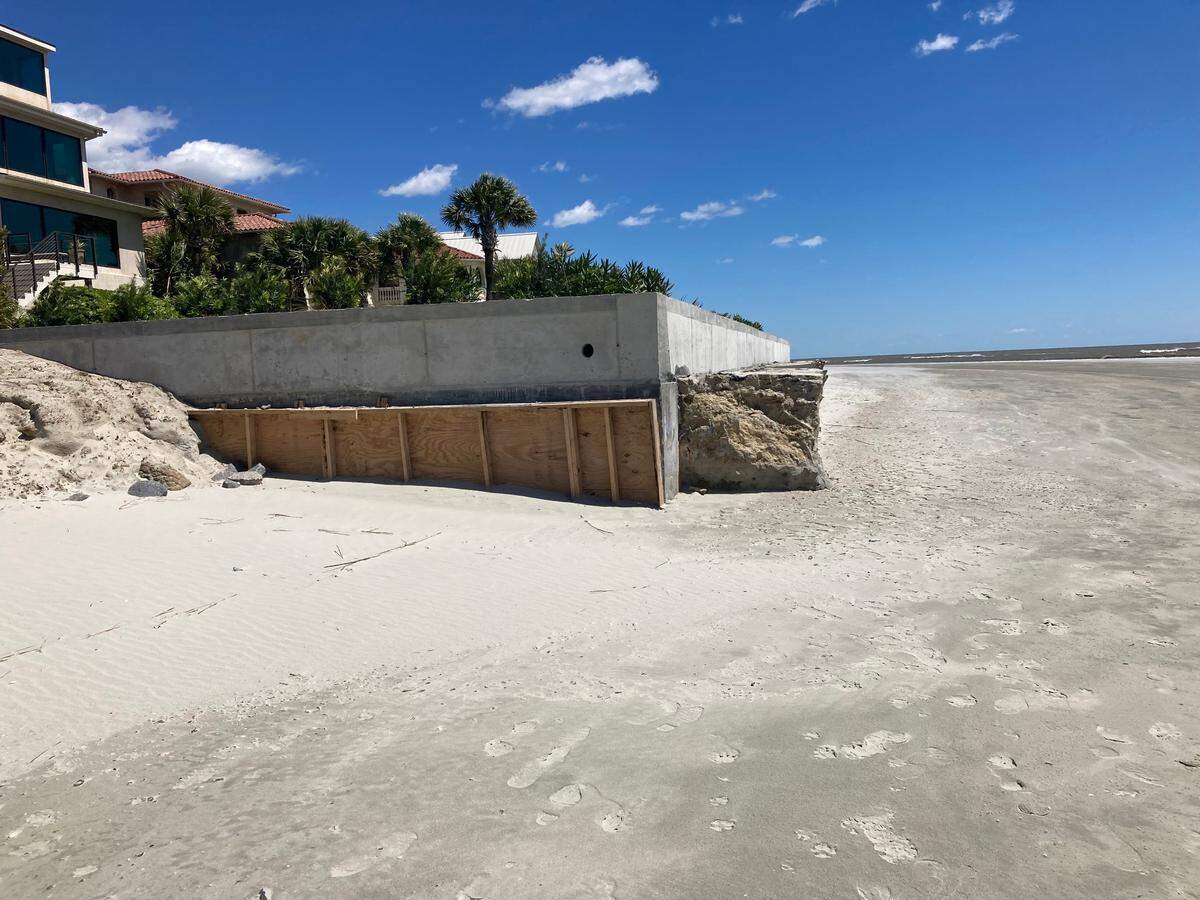
South Carolina regulators and environmentalists say the seawall was erected in state jurisdiction along a popular stretch of sandy beach used by the public — and an environmental lawyer said Reddy was well aware of what he was doing.
“This is what’s really at stake,’’ said environmental attorney Lauren Megill Milton, whose non profit organization was supporting the state’s case against Reddy. “It is the families, the neighbors and the beachgoers who can no longer safely walk a stretch of sand that once belonged to all of us.’’
New seawalls on state beaches are banned in South Carolina because they can worsen erosion of the public shore. Seawalls stop the natural movement of the beach as sea levels rise, narrowing the existing oceanfront that people walk on. Seawalls also block people from strolling down dry, sandy beaches, if the structures extend too far toward the ocean.
Reddy, a colorful businessman who is outspoken in his criticism of government regulation, tried to “seize’’ part of the beach that attracts people to the Isle of Palms, one of the most popular beach resort towns in the Charleston area, said Megill Milton, who is with the S.C. Environmental Law Project.
“That is what Mr. Reddy has attempted here — not by mistake, but by design,’’ she said Tuesday. “The people of South Carolina do not need (approval) to walk their own beach.’’
South Carolina officials say his failure to comply with the law, despite repeated state warnings, is one of the most egregious cases they’ve dealt with in recent years. The state says he filled in 1,255 square feet of beach and built two seawalls inside South Carolina’s jurisdiction.
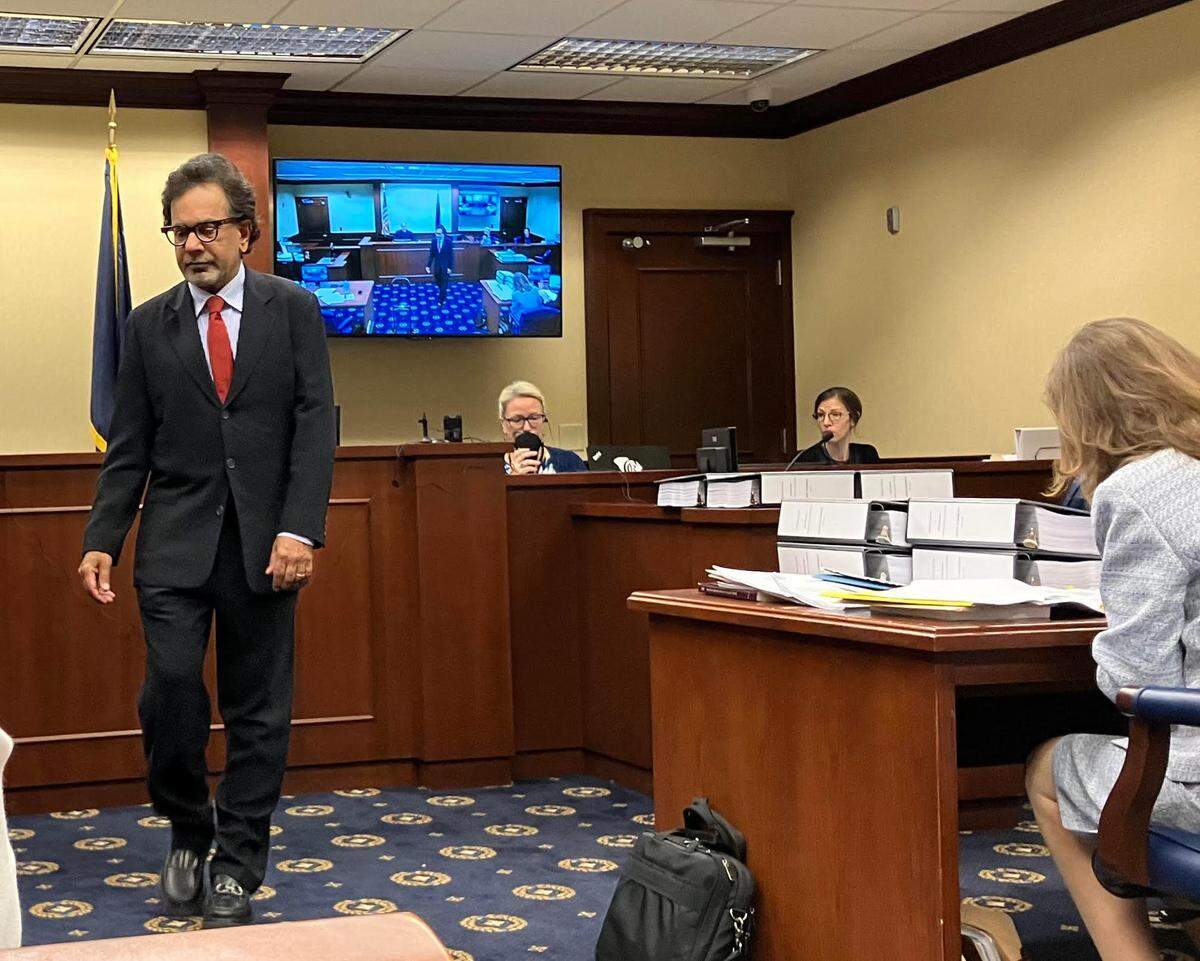
The seawall case has produced plenty of media interest, drawing newspaper and radio reporters, as well as a well-known political blogger, to the small Administrative Law Court on the state Capitol grounds in Columbia. The court proceedings began May 6, took a week off, and wrapped up Tuesday.
Experts aware of the case say it is worth paying attention to because of the potential it has to establish how aggressively the state oversees coastal development in the future. Property rights advocates say they’re worried about land being rendered useless without government compensation.
State Rep. Gil Gatch, a Republican who lives just west of Charleston in Summerville, said he attended the trial Monday to learn more about the issue. Gatch, an increasingly influential lawmaker who helped guide a major energy bill through the General Assembly, said he is sympathetic to Reddy’s view that the government is taking his property without compensation.
“It’s a compelling case,’’ Gatch said. “It has a lot of impact on private property rights. It scares me a little bit. Him being a Charleston guy, this is in my neck of the woods. I want to know what’s going on.’’
But Josh Eagle, an environmental law professor at the University of South Carolina who is not a party in the matter, said the law doesn’t allow private property rights to take precedence over the wider public interest, which in the Reddy case, is the public beach..
“There is a reason why we banned seawalls in South Carolina,’’ Eagle said in an interview with The State newspaper. “That’s because they destroy public property. Destroying public property is one of the oldest ‘no-nos’ in common law. It goes back to 1200 in England. No one has the inherent right to use their property in a way that damages public property.’’
Reddy’s dispute with the state is playing out as the ocean continues to rise along the South Carolina coast, increasingly threatening seaside homes. In the past 10 years alone, the environmental services department has had multiple challenges over rules intended to keep development back from the beach, as homeowners from Hilton Head Island to the Myrtle Beach area have sought to fortify their investments with seawalls and giant sandbags.
As the Isle of Palms case wound down this week, Reddy continued his attacks, saying neighbors had been encouraged to take pictures of his property, a form of spying like is used in Russia. The state leaned on him too hard when all he was trying to do was protect his property from the ocean, said Reddy, who fired his legal team and took the unusual step of representing himself in court although he is not a lawyer
He previously has compared state regulators to the Gestapo, the notorious Nazi secret police from World War II, and has called state officials liars. He used the names of historical American heroes, including President George Washington, to explain that private property rights were a major concern for the nation’s founding fathers.
Reddy says homeowners in Hilton Head Island were allowed to build a seawall about six years ago that the state said was out of its jurisdiction, but regulators came down on him for doing the same thing. State officials say the cases are different and they have treated Reddy fairly.
“I shouldn’t be subject to that kind of craziness by a government,’’ Reddy told the court. Reddy, who has lived on the beach at the lower end of the Isle of Palms for about 10 years, said he’s the target of overzealous government bureaucrats and environmentalists who don’t like him — a charge they deny.
At issue is a section of the beach that is outside a series of state building restriction lines. The lines were put in place to prevent development far out onto the beach because of the hazards. But in recent years, erosion has exposed new areas of sandy beach outside of those building restriction lines.
State officials say that makes the newly exposed areas within South Carolina’s jurisdiction. In a preliminary ruling, Anderson backed the state’s argument. Reddy says the law doesn’t allow state oversight outside of the building restriction lines, known as the setback and baseline.
In his case at the Isle of Palms, the government has effectively taken his land, Reddy said. He contends that he’s fighting the state on behalf of other property owners whose land has been restricted by government actions.
“It’s an uphill battle,’’ he said of his legal fight. “I’m a citizen and I think the biggest thing is the whole system is set up against the citizens. I can blaze the path for other people.’’
Reddy, who declined to reveal his age but records indicate he was born in 1955, is an affluent businessman who says he put $2.5 million into a political action committee he started to support politicians who champion property rights and reduced government.
A supporter of President Donald Trump, his political action committee is called DOGESC, after Trump’s Department of Government Efficiency. He has been active in getting his message out through social media posts and has hired one of the state’s top political strategists, Wesley Donehue, to help him. Conservative blogger Will Folks attended the hearings, saying in one post that Reddy’s decision to represent himself against the government is “a bold stand for private property rights and individual liberty.’’
Reddy owns several small newspapers in the Charleston area, but has mentioned he has a litany of experience in other fields. During the trial, he has said he is an engineer and the one-time owner of an artificial turf company that sold the synthetic grass for 270 stadiums nationally one year.
Part of Reddy’s argument is that state regulators hastily -- and wrongly -- declared land where the seawall is located under their authority.
After Hurricane Idalia hit in late August 2023, water washed far up on the beach and onto Reddy’s property.. But Reddy claims erosion from the storm was unusual and Idalia’s impact should not be used by the state to determine that the area where he built the wall is now publicly regulated beach.
He also suggested that state and local agencies had a hand in allowing his property to be exposed to the ocean. If the government had replenished the beach at the Isle of Palms with extra sand, the issue of seawall construction would have never popped up, he said.
Two previous hurricanes — Irma and Matthew — had pushed water farther inland in some places, but his property had been protected at those times by a dune, he said.
“With Idalia, the surge was less than Irma and less than Matthew,’’ he said. “What was the difference? We didn’t have ... a dune as we did in those two cases. ‘’ Reddy said “Idalia was the first time ... that we had this kind of water intrusion onto our property.’’
If Anderson rules against Reddy — as the judge indicated he might in his pre-trial ruling — it would support the state’s long-standing policy of banning new seawalls on the sandy beach. Otherwise, the ruling could set the path for an eventual reduction in the state’s ability to oversee potentially risky oceanfront development, most notably seawalls that provide temporary protection for beach houses and businesses.
Either way, Anderson’s decision is expected to be appealed. Meanwhile, Reddy said he is planning a class action lawsuit in federal court that says his property was taken without government compensation. Such suits can also provide compensation for others who have suffered similarly. He said he’s trying to free citizens from government tyranny.
This story was originally published May 21, 2025 at 8:57 AM.