Yale researchers find high levels of ‘forever chemicals’ in SC farmland
Yale University researchers have discovered elevated levels of hazardous forever chemicals in the soil of seven agricultural fields in Darlington County, where a nearby factory spread waste sludge more than 30 years ago to fertilize land for farmers.
The chemicals are embedded in the dirt of an outspoken farmer’s land near the town of Society Hill and just a few miles from the abandoned Galey and Lord textile plant that sent the polluted sludge to area farmers in the 1990s.
Galey and Lord’s sludge once was considered a safe and useful way to help grow crops. But it has since been discovered that sludge from the factory was riddled with forever chemicals, which also have shown up at high levels in private wells near the old sludge application sites.
Although the state of South Carolina has not established safety limits for forever chemicals in the soil of farms, the levels uncovered on Robbie O’Neal’s family land exceed those of a standard set by the state of Maine, one of the few places with such limits, Yale researcher Jake Thompson said.
Forever chemicals, formally known as PFAS, were discovered on a total of 15 fields, with seven exceeding the Maine limit and another eight below the limit. The materials have traditionally been used to coat non-stick frying pans, repel water from jackets and in firefighting foam.
Researchers from Yale’s geochemistry center approached O’Neal about testing his property as part of a project they are working on that examines forever chemicals on farms. The project is looking for ways to neutralize the effects of the toxins on agricultural land.
O’Neal agreed to the testing because he’s trying to determine how safe some of his land is to grow crops and graze cattle, and whether Yale can find a way to clean up any forever chemical pollution that is found..
Yale’s research is the latest development in the unfolding saga of how forever chemicals are affecting South Carolina farms that grow food. Farmland across the state has relied on sludge from factories and public wastewater plants as a way to enrich the soil with nutrients. But using sludge is of increasing concern because it often contains forever chemicals.
Exposure over time to forever chemicals can cause certain types of cancer, thyroid problems and weakened immune systems. Corporations that manufactured forever chemicals knew about the threat for decades before the public began to become aware of the dangers.
Yale’s findings are only the third known soil tests of 300 farm fields in the state’s Pee Dee region that were coated with the forever-chemical tainted sludge from Galey and Lord. The testing is the most extensive so far, covering more fields than have previously been examined by government agencies, records reviewed by The State show.
Federal and state regulators found high levels of forever chemicals in the soil of three fields owned by other farmers in 2019. The U.S. Environmental Protection Agency followed up, finding similar results on two additional farm fields.
Thompson, the Yale researcher who led the testing work late last year, said the issue of forever chemicals showing up in farm soil should not be ignored.
“This is sad, but it’s about in line with everything that we are seeing across the U.S. with farms that have accepted PFAS-impacted sludge,’’ Thompson said. “This story is just going to keep growing.’’
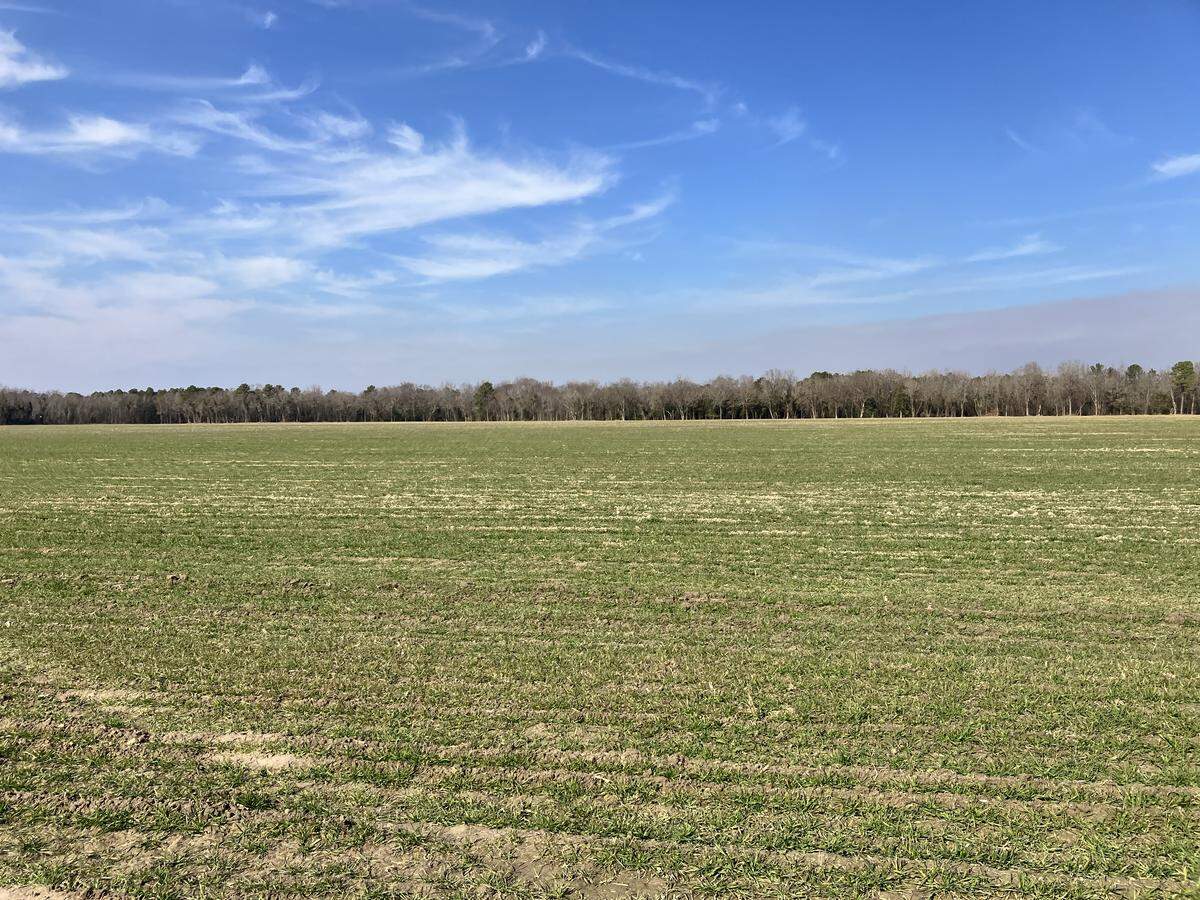
Concerns about forever chemicals in the soil of agricultural fields center on whether the material soaks into the ground and pollutes the groundwater that supplies wells people and livestock rely on. There are also concerns that certain crops planted in tainted soil could wind up contaminated.
In addition to soil, Yale researchers also have tested crops to see if plants are absorbing any of the forever chemicals, formally called per-and polyfluoralkyl substances. Those test results are pending. Thompson took samples at the O’Neal property about three months ago.
Across South Carolina, forever chemicals have been found in almost every river checked by state regulators. Multiple state drinking water systems also contain forever chemicals, many at lower levels but still above a planned federal drinking water standard.
The S.C. Department of Environmental Services said the EPA has not focused on sampling farm soil because its main priority is addressing threats to residential wells, as well as soil on the Galey and Lord property, which has been declared a Superfund site for taxpayer cleanup. But the agency will be looking more carefully at sampling soil in farm fields in the future, an environmental services spokeswoman said in an email.
Congaree Riverkeeper Bill Stangler, who has conducted extensive research on PFAS in Columbia-area rivers, said the soil results in the Pee Dee region reflect a statewide concern that demands more attention from the Environmental Services agency. The department has pledged to have sludge examined before it is put on land as fertilizer, but it has fallen short on that pledge, he said.
“Land application of sludge has been happening all over the state, not just in the Pee Dee,’’ Stangler said. “This is a pathway for these chemicals to get into our waterways. It’s in the ground. It runs off. It makes it to our streams and eventually to our rivers. We’ve seen in other states where (PFAS) has worked its way into crops, and worked its way into our food.’’
A report released Friday by the National Academies of Sciences, Engineering and Medicine said leafy crops are more likely to soak in forever chemicals than crops like corn and potatoes. Hay grown by farmers and fed to cows also is at risk of soaking in forever chemicals. That’s a concern because the cows eat the hay and PFAS can build up in their tissues and milk. Additionally, the report said one 2017 study found that wheat had PFAS concentrations 11 times higher than corn.
O’Neal’s family, farmers for generations, produces an array of crops, including beans and corn, as well as beef cattle. O’Neal Farms is preparing to plant this spring.
Like others in the area, the family was persuaded by Galey and Lord more than 30 yeas ago to take its waste sludge – for free – as fertilizer. That meant farmers didn’t have to buy as much fertilizer, if any. The textile plant’s sludge was used on farms well into the 2000s. The State and McClatchy chronicled this issue in a series of stories in 2023.
Robbie O’Neal traveled to Washington last month to brief congressional staff members on his farm’s troubles with PFAS. After a formal meeting with staffers who work for various lawmakers, O’Neal also spoke with U.S. Reps. Russell Fry, R-S.C., and Chellie Pingree, D-Maine. Efforts are underway to help farmers economically when PFAS hurts their crops.
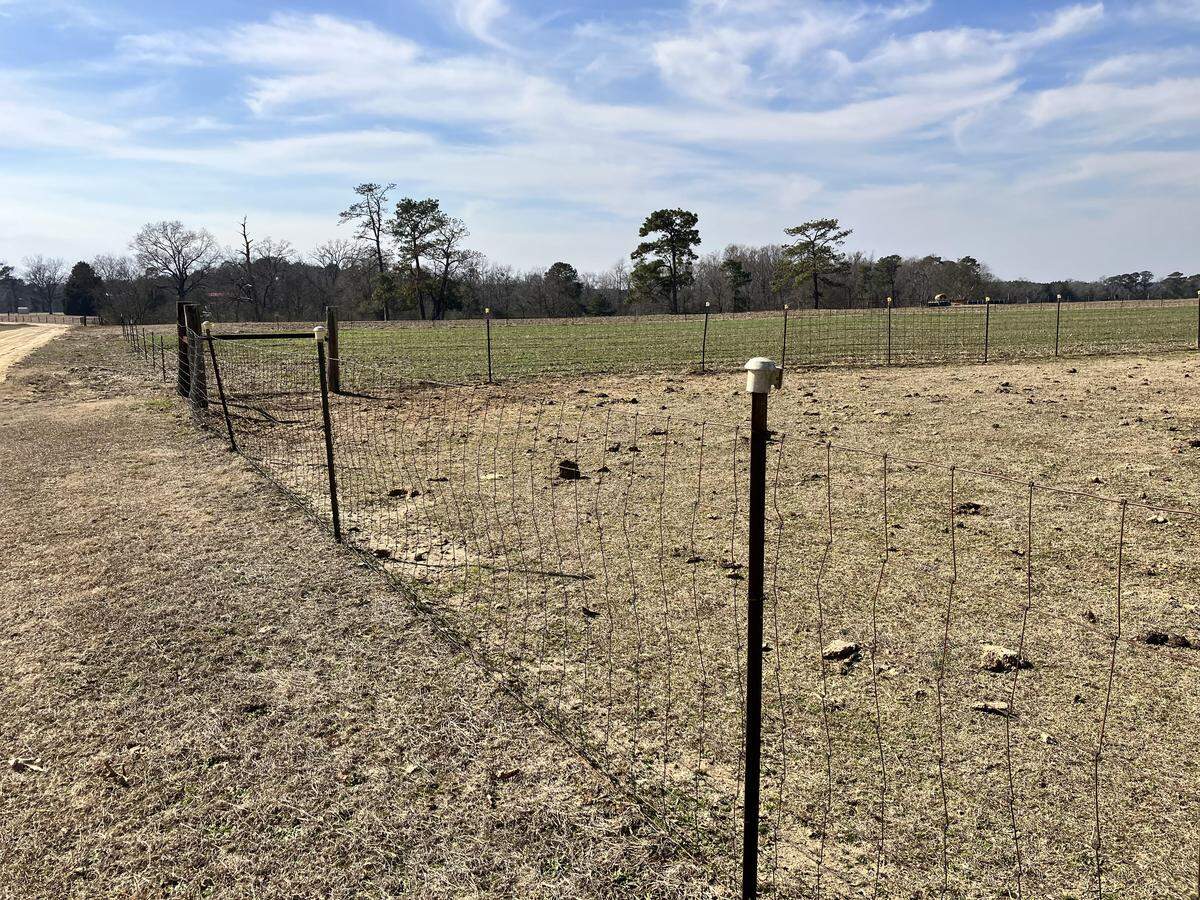
The land where Thompson found elevated amounts of forever chemicals includes a rectangular-shaped field that lies between the homes where two of O’Neal’s uncles lived until their deaths.
One uncle’s yard abuts the polluted field and a well is within 50 yards of that field, The State learned on a tour of the property this past week. Sludge was spread on the farm land in the 1990s, Robbie O’Neal said..
Across the dirt road where his uncles lived is another field, a rolling patch of grassy land on the edge of the woods where the O’Neal’s and their friends have hunted deer. That field, which has been used to grow hay for cattle, was fertilized with Galey and Lord sludge in the 1990s. That land also had elevated PFAS levels, test results show.
It isn’t known if O’Neal’s uncles’ deaths were caused by drinking PFAS-polluted water for years. But both of their wells had high amounts of forever chemicals in the water when state and federal officials conducted tests about six years ago. One of his uncles died in his 50s of pneumonia, not an everyday occurrence for people that age – unless they have immune system deficiencies, an effect of PFAS exposure.
Robbie O’Neal, who recently learned he has elevated PFAS levels in his blood, said he’s glad Yale was interested in testing his property. It’s important to know the full story of how PFAS affected his family.
But while Yale’s research is helping paint a clearer picture, the soil test results are disturbing, he said.
The findings tell O’Neal “that the land is bad,’’ he said, noting that he’s afraid the next round of PFAS testing on his family property will show even higher levels. O’Neal also said that other farmers should be aware of the problem because some of them used more of the Galey and Lord sludge than his family did.
Records show that the levels of key PFAS constituents Yale found in the soil of the seven O’Neal farm fields near Society Hill are similar to what government agencies discovered in 2019 on three fields that accepted sludge in Darlington County. Those fields, which are owned by different people, are closer to Darlington off Leavensworth Road.
Thompson’s research found levels on the O’Neal land that ranged from 17,000 to 30,000 parts per trillion for PFOS, one of the most widely researched types of forever chemicals. In comparison, state and federal testing in 2019 showed PFOS levels of up to 21,000 parts per trillion on the other fields off Leavensworth Road, according to the U.S. Environmental Protection Agency and the S.C. Department of Environmental Services.
The amount of PFAS found in some of the O’Neals’ fields are two- to four-times higher than a soil standard set by the state of Maine to protect dairy products from forever chemicals, Thompson said. The levels also have exceeded other Maine soil standards, he said.
“When you see both similar concentrations and the same chemical pattern, it strongly suggests the material came from the same source,’’ Thompson said in an email to The State. “In this case, it supports the idea that what we’re seeing at (O’Neal’s) site is consistent with the historic Galey and Lord sludge.’’
This story was originally published February 14, 2026 at 6:00 AM.