State agency threatens to sue SC farmer who told people about public meeting
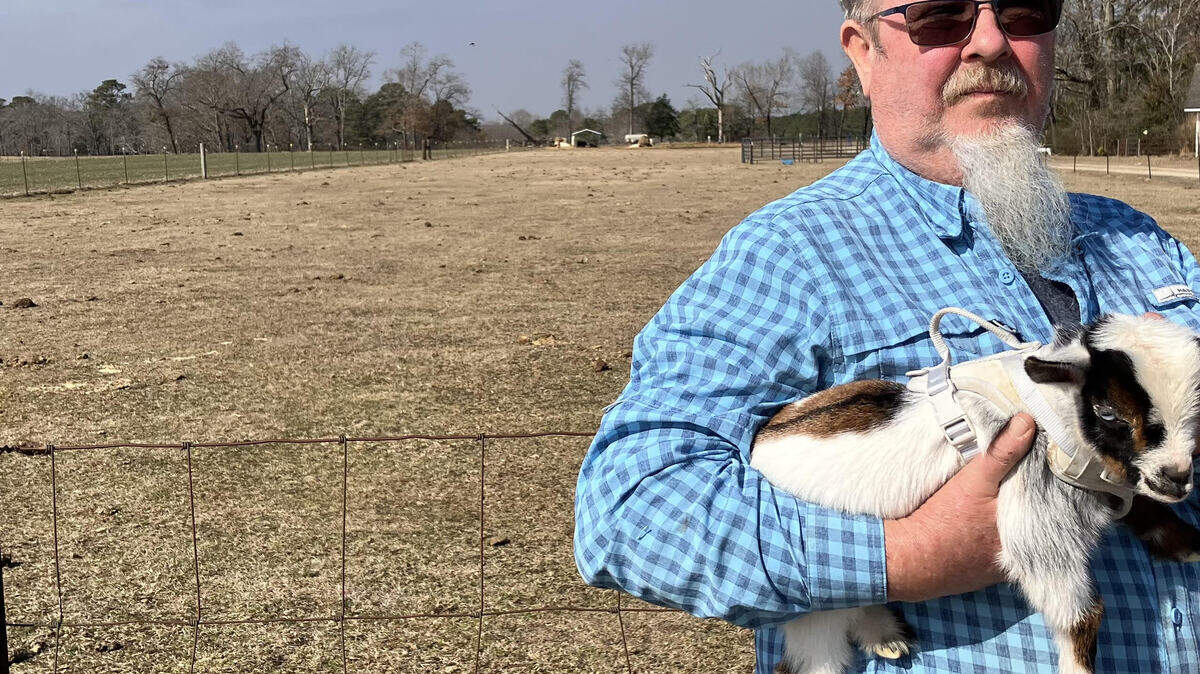
South Carolina’s environmental department has threatened to sue a farmer, whose land was polluted by sewer sludge, over his effort to tell the public about a meeting the agency is holding to discuss more sludge disposal in Darlington County.
In a letter earlier this month, a Department of Environmental Services lawyer demanded that farmer Robbie O’Neal “cease and desist’’ from using the agency’s logo on flyers he was circulating about the March 19 meeting.
“You are hereby placed on notice that continued use of SCDES branding without written permission may result in immediate legal action against you without further warning,’’ the letter from attorney Gwynne B. Goodlet said.
The environmental agency, a department of South Carolina’s state government, said the DES logo and its colors are “agency owned service marks.’’ The department said O’Neal may have given people the wrong impression about the DES position on the sludge issue.
The Department of Environmental Services must consider whether to approve permits to spread sewer sludge after collecting information about the potential impacts on air, land and water. Some of the O’Neal posters were against spreading contaminated sludge.
O’Neal, whose family has farmed in Darlington County for generations, said he removed the DES logo from his signs, many of which were distributed through the internet. He said he was just trying to get the word out about the meeting, but a DES official wasn’t happy when she called him, he said. She complained before the agency sent the letter threatening to sue, O’Neal recalled.
“I just took their name off of it, it wasn’t no big deal to me,’’ O’Neal said, but noted that he didn’t stop putting out signs. “I told her I wasn’t going to take them down.’’
One sign said “Don’t dump on Darlington! There is enough contaminated land in Darlington County.’’ The sign told people to attend the public meeting March 19 at the Darlington County library.
O’Neal has been trying to gain attention about the use of sewer sludge as fertilizer after information surfaced that the watery, sometimes gooey, material is contaminated. He has spoken to congressional staff in Washington about it and has appeared in state and national publications over the sludge issue.
Waste sludge from the old Galey and Lord textile plant was used to fertilize up to 10,000 acres of farmland in eastern South Carolina, beginning in the 1990s. Some of O’Neal’s land has contaminated soil and wells near sludge fields are polluted with the same types of forever chemicals as were in the Galey and Lord sludge.
The DES’s predecessor agency, the Department of Health and Environmental Control, approved the 1990s sludge spreading, saying it was safe. Galey and Lord is now a federal Superfund cleanup site because of the level of contamination there.
The agency is holding the public meeting March 19 at 5 p.m. in Darlington to discuss plans for more sludge spreading on farmland in the county. {
Whether the Department of Environmental Services has authority to stop someone from using its logo remains a question since the agency is a public government department. The DES paid an advertising firm $20,000 in 2024 to design the logo for the recently created agency.
Either way, media attorney Jay Bender said the letter to O’Neal appears heavy-handed.
“There is a mindset, it seems in government these days, that it is entitled to be an 800-pound gorilla everywhere it wishes to be,’’ said Bender, who has represented The State newspaper in the past. “A little more diplomacy might have been helpful.’’
This story was originally published March 14, 2026 at 8:28 AM.