Hazardous plastic pellets drift miles downstream to Congaree National Park
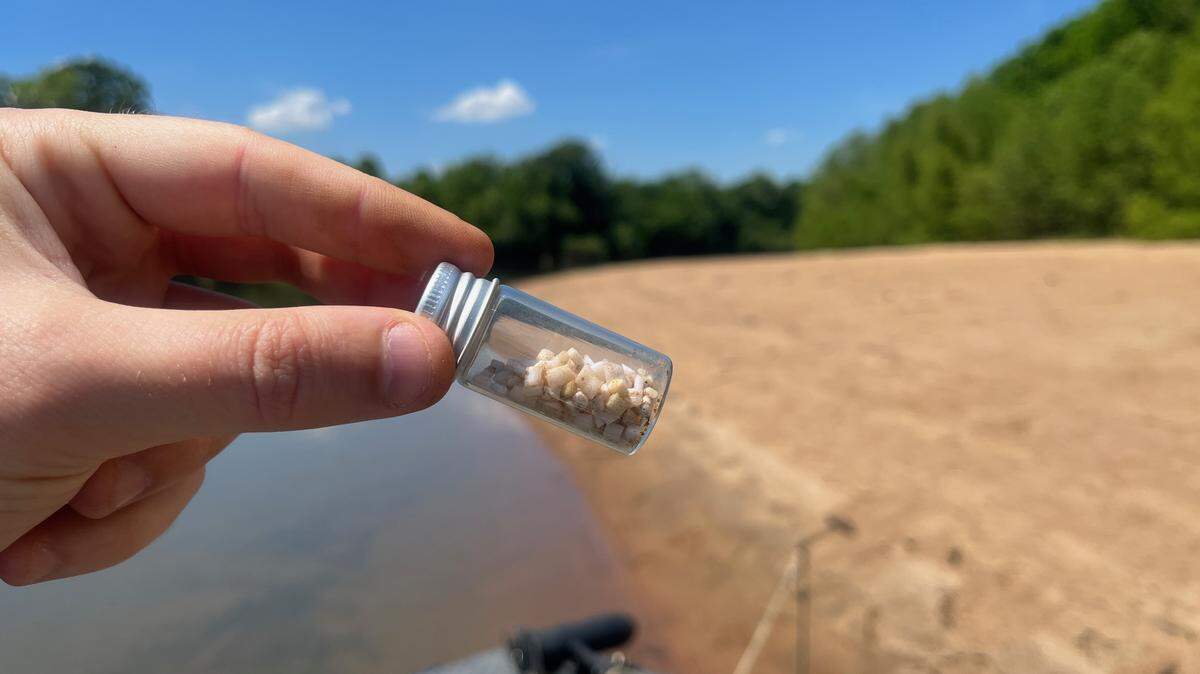
Plastic beads that can be hazardous to fish and other aquatic life are being found in the Congaree River near South Carolina’s only national park, far downstream from where the tiny pellets were discovered in the river last year.
A local environmental group says it has documented hundreds of plastic beads littering the Congaree River and sand bars along the edge of Congaree National Park southeast of Columbia.
The Congaree Riverkeeper organization did not say specifically where it believes the beads are coming from, but the group has previously documented thousands of nurdles on land and in the water near the Alpek polyester manufacturing plant near Gaston.
Last fall, the group said the state hasn’t enforced environmental laws to prevent the pollution and it threatened to sue Alpek if the company does not address the matter. The riverkeeper organization focuses on protecting the Congaree, lower Saluda and Broad rivers in the Columbia area.
The Alpek plant is about 20 miles upstream from areas where pellets were recently found in the river next to Congaree National Park, the group said.
“Plastic pellet pollution is a serious issue facing the Congaree River and we will continue our sampling efforts, and our work to hold those responsible for the pollution accountable,’’ according to an email from Bill Stangler, who heads the riverkeeper organization.
In a later interview, Stangler said the discovery is worrisome, considering how far away the pellets were from the original place they were first found.
“We knew they were in the river, but it’s incredibly concerning to find them so far downriver and around our national park,’’ he said. “It’s concerning to see how far they are traveling.’’
The pellets are commonly referred to as nurdles and are used by industry in manufacturing an array of products, including soft drink bottles, housewares and food packaging.
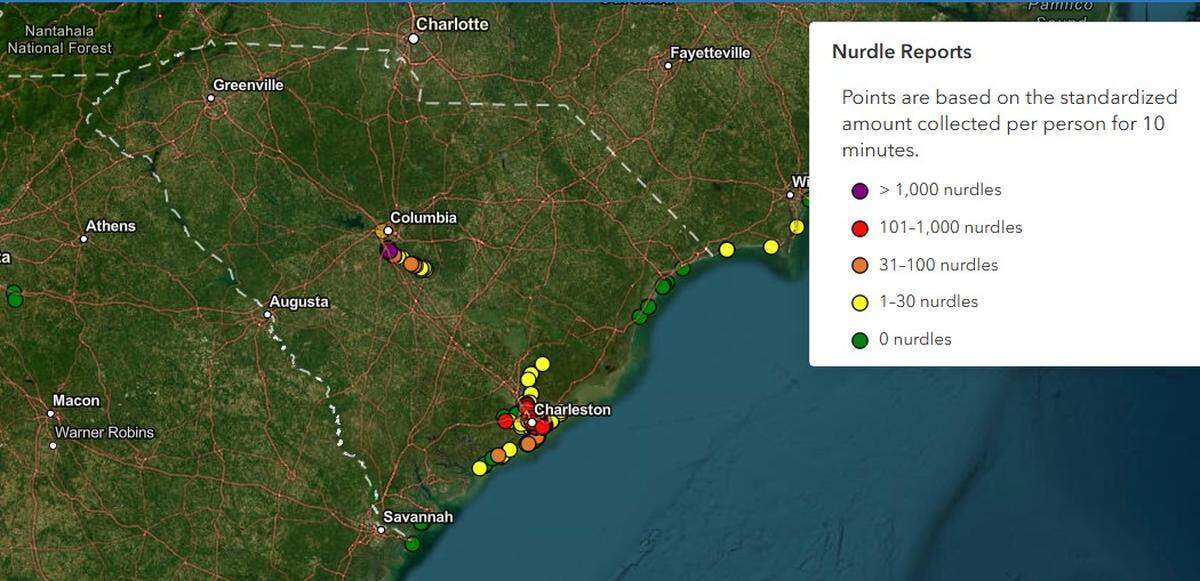
They are being found increasingly across the country, and several years ago, were discovered in and around Charleston. The 2025 finding by the Congaree Riverkeeper near Columbia was the first sizable finding in the state’s interior.
Since the riverkeeper began seeking to document nurdle pollution in the Congaree in 2025, Stangler said his group has counted about 10,000 nurdles in and around the river that flows past Columbia, Alpek and the national park. A website called nurdlepatrol.org documents many of the findings in South Carolina and other states.
Nurdles are considered toxic to fish because they can clog their gills and make breathing more difficult. But nurdles also carry other hazards. The plastic itself includes toxic material that could affect water quality in rivers and make fish sick. The tiny beads also can pick up other pollutants that stick to the surface. Nurdles can break down into microscopic pieces of plastic that carry the toxins through the water.
Officials with the S.C. Department of Environmental Services had no immediate comment. The DES has previously said it would look into reports by the riverkeeper in September 2025 of nurdle pollution at the Alpek plant along the river.
Alpek officials did not respond to requests for comment. A spokeswoman for an Alpek partner, the Eastman company, said the “relevant parties are discussing appropriate ways to best address the Congaree Riverkeeper’s concerns.’’
Eastman, which owned the plant until 2010, retained two production lines after the sale. The lines are operated for Eastman by Alpek. They produce polymers used in medical equipment, houseware and reusable water bottles, Eastman spokeswoman Kristin Parker said in an email.
Alpek is a worldwide corporation with nearly 4,000 workers. It claims to be the planet’s second largest producer of a plastic resin. The Congaree River plant is in the Gaston area south of Columbia. The factory also was once run by DAK Americas, in addition to Eastman.
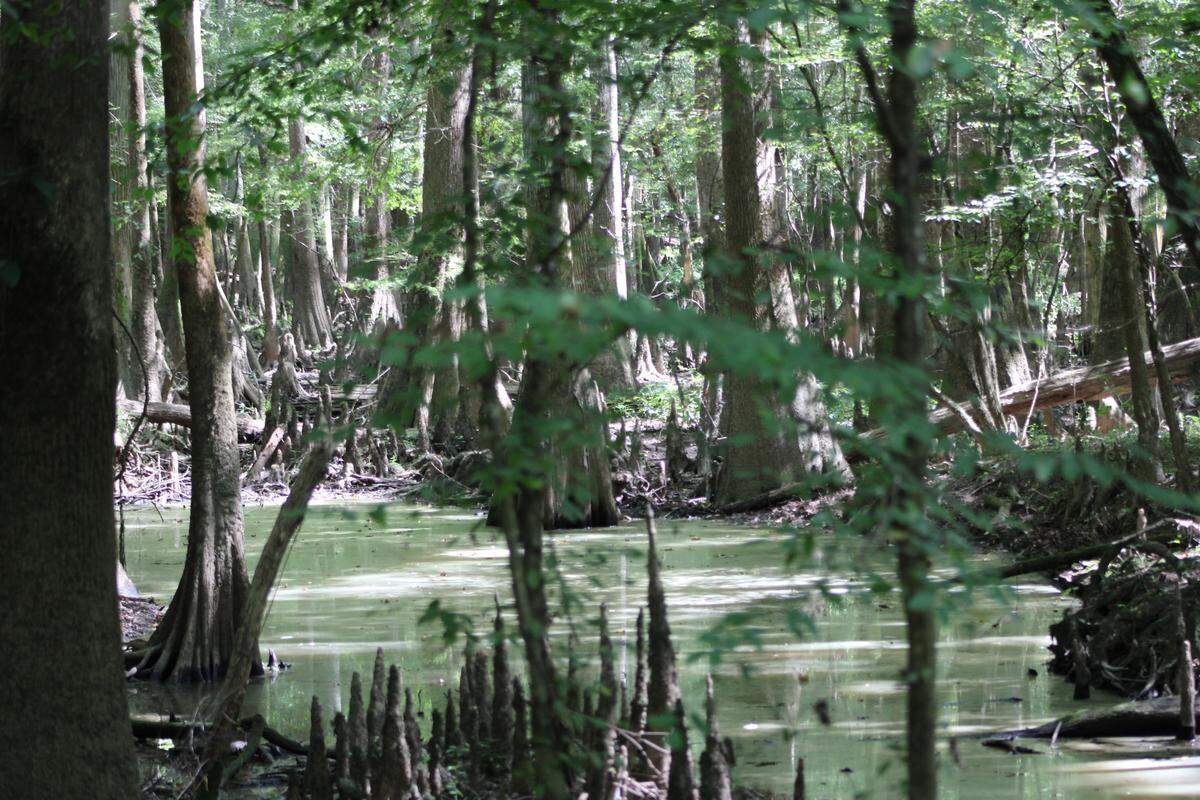
Congaree National Park is a 27,000-acre preserve known for its expansive flood plain, lush wetlands, tea-colored streams and tall, old-growth trees. The park is in the Hopkins community of Richland County.
An official with the National Park Service in Columbia was not immediately available to discuss the nurdle discovery.
This story was originally published May 19, 2026 at 6:00 AM.