
Nuclear weapons pit study kept secret, groups say. Here’s what to know
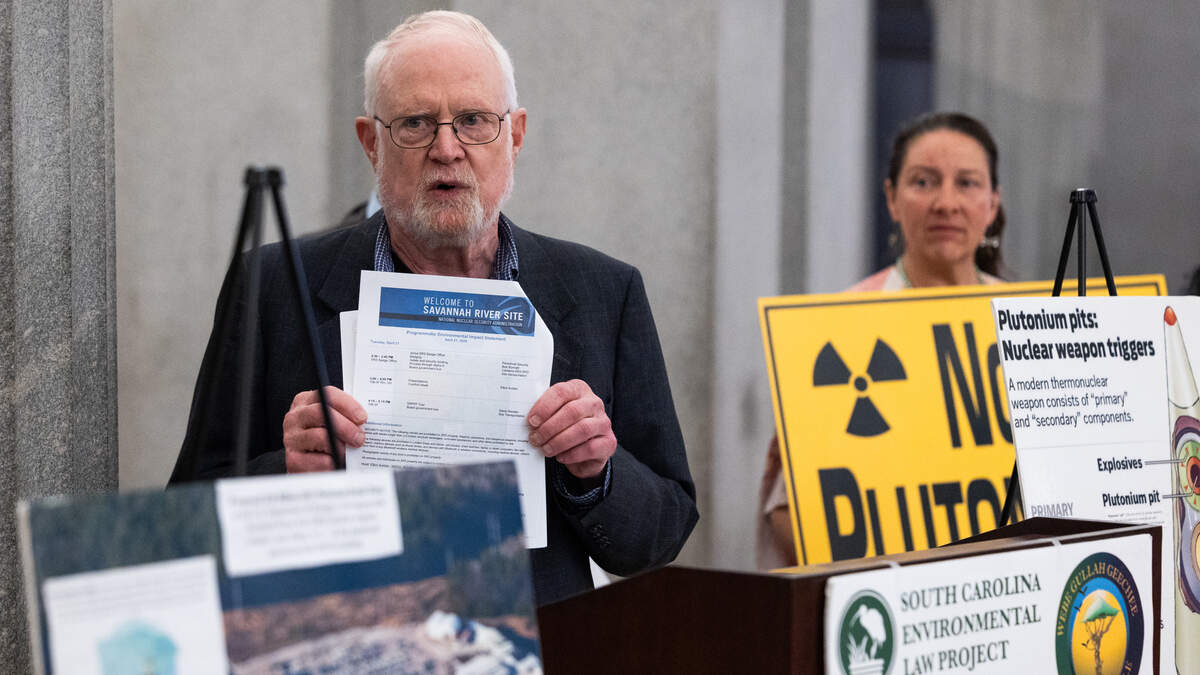
Four environmental groups are pressing the federal government to release a hidden study on the life span of plutonium pits, the cores of nuclear weapons. The report could reshape debate over plans to build pit production factories at the Savannah River Site in South Carolina and Los Alamos National Laboratory in New Mexico.
FULL STORY: Hidden study casts doubt on need for nuclear weapons factories in SC, NM, critics say
Here are key takeaways:
- Jay Coghlan, director of Nuclear Watch New Mexico, accused the government of “covering it up,” saying officials would have released the new Jason pit life study if it supported claims that aging pits need to be replaced. His Freedom of Information Act request this year has not been acted upon.
- The federal government plans to produce at least 80 plutonium pits a year — with more recent proposals pushing toward 200 annually — by upgrading the New Mexico lab and building a new plant at SRS near the South Carolina-Georgia border. The project is estimated to cost more than $30 billion.
- Amy Armstrong, director of the S.C. Environmental Law Project, said the study “is clearly relevant” and called for full transparency. Past studies have suggested plutonium pits could last up to 100 years, undercutting the urgency of replacement.
- A U.S. Department of Energy official, who was not authorized to speak publicly, said the military has determined new pits are needed despite conflicting science: “God forbid you would ever launch a weapon, but if you do, you damned sure want to make sure it works.”
- Sen. Elizabeth Warren, D-Mass., and Rep. John Garamendi, D-Calif., urged Energy Secretary Chris Wright in a Dec. 16, 2025, letter to halt planned SRS pit production until aging studies validate the need, warning the NNSA has “an excessively risky program structure.”
The summary points above were compiled with the help of AI tools and edited by journalists. The full story in the link at top was reported, written and edited entirely by journalists.
Sammy Fretwell
The State