Ancient bracelets — made with meteorites — found in Poland cemetery. Take a look
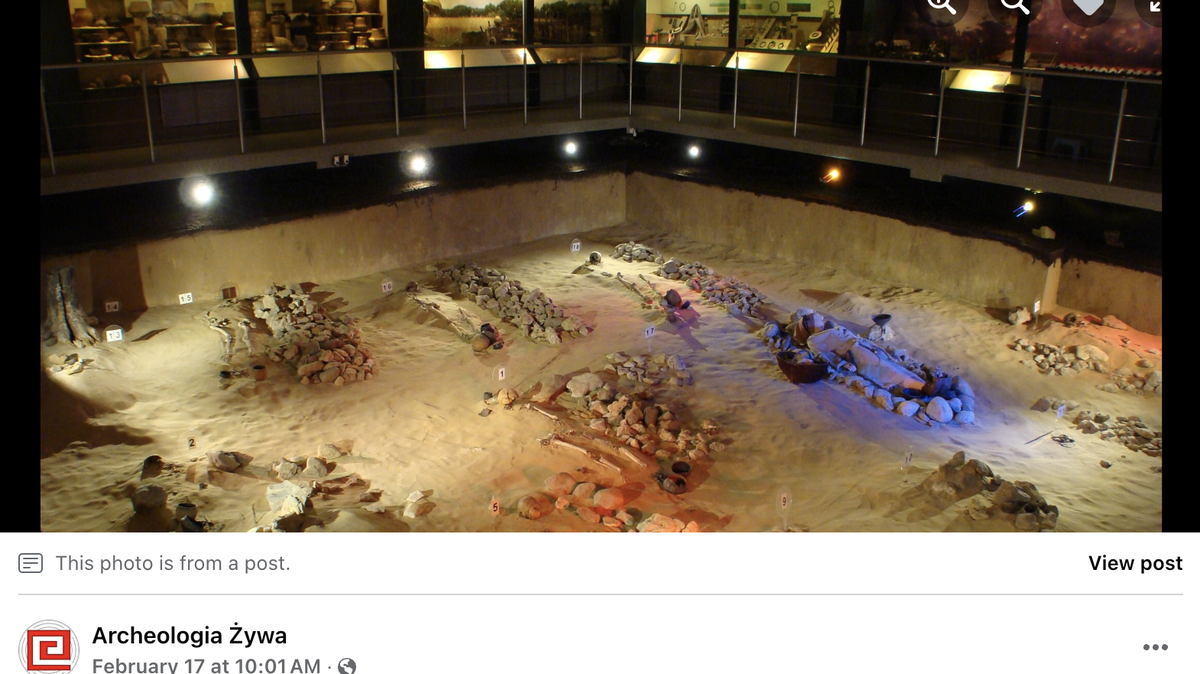
In the 1960s, following partial destruction by a housing development, the remains of an ancient cemetery were covered by a museum pavilion.
The Częstochowa-Raków necropolis was opened to the public in 1965 and dates to the late Bronze Age and early Iron Age, according to a study published Jan. 22 in the peer-reviewed Journal of Archaeological Science: Reports.
Another necropolis, Częstochowa-Mirów, is located nearby and dates to the same time period, researchers said. Between the two sites, dozens of graves have been excavated and studied in the past six decades.
Researchers also discovered iron objects that were buried with the human remains, according to the study, including iron bracelets, ankle rings, necklaces, knives and spearheads.
Now, analysis of the iron jewelry shows that some of the material didn’t come from Earth.
Photos of the discovery were shared by the Częstochowa Museum on Feb. 17 with Polish publication Archeologia Żywa.
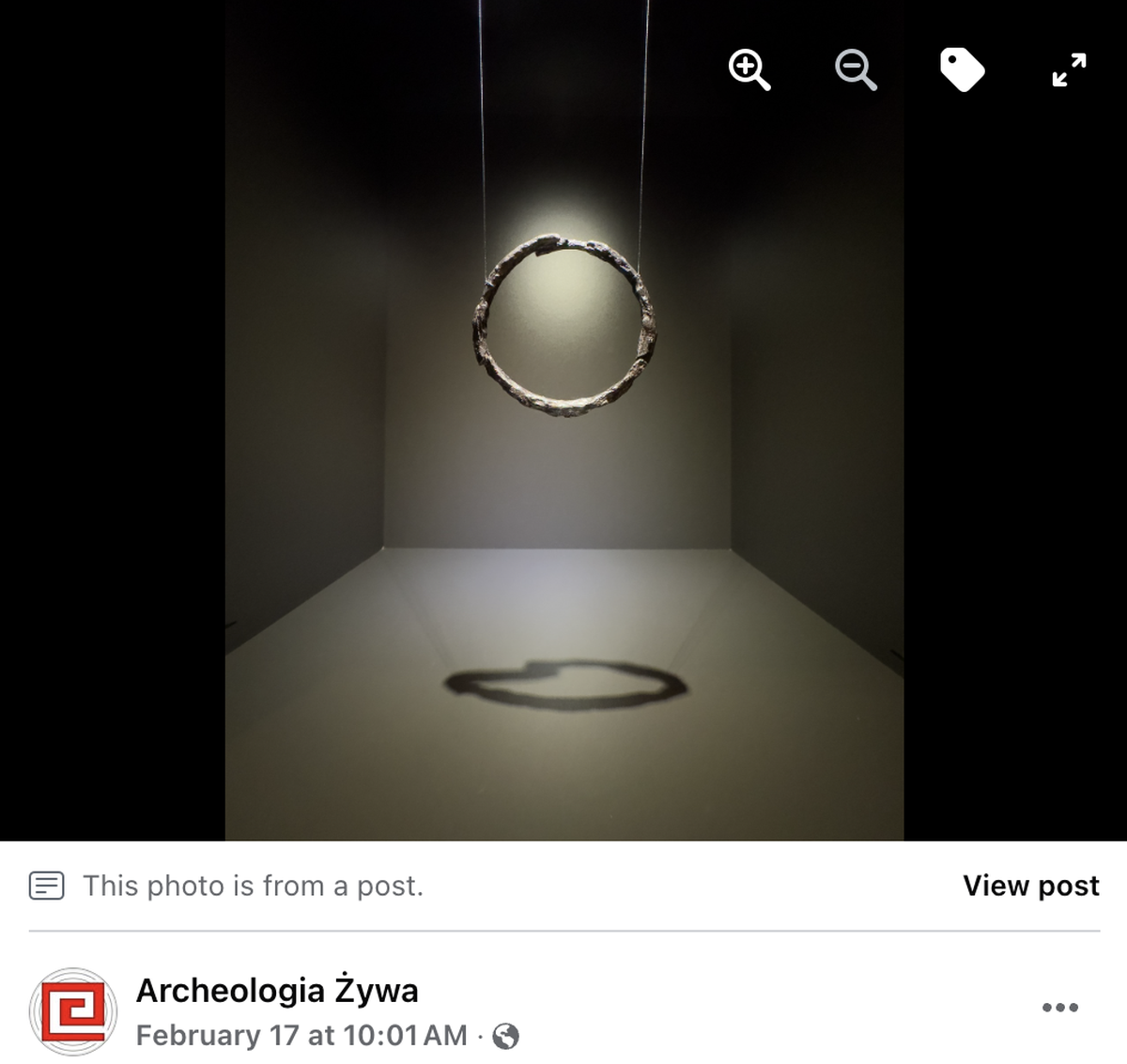
Albert Jambon, professor emeritus at the Sorbonne University and lead author on the study, said the research team began examining the items to learn about the origins of iron smelting.
“The point of my research is to find out who, when, and where the iron smelting was discovered,” Jambon told Phys.org. “To that end, we need to analyze archaeological irons and check whether they are meteoritic or smelted.”
Using multiple types of advanced scans and chemical testing, the researchers were able to identify the elemental makeup and composition of the iron used to make the pieces, including whether the iron originated here on Earth or if it possibly traveled light-years to land in Poland, according to the study.
Jambon and his team discovered four iron pieces containing “heavenly metal,” as they called it, including two bracelets, an ankle ring and a pin.
The pieces had varying levels of meteoritic iron, suggesting it was mixed in and smelted with local iron, then made into the jewelry, according to the study.
“This distribution therefore seems rather random, or no specific character is related to the presence of meteoritic iron. Meteoritic iron can be found in both cremation and inhumation burials, both female (with children) and male, suggesting that it is not related to a specific ritual or social role,” researchers said. “The overall absence of wealthy implements (e.g. gold, silver, rare stones, precious imported goods) indicate that meteoritic iron cannot be considered here as a precious material as it used to be in the Bronze Age among other cultures.”
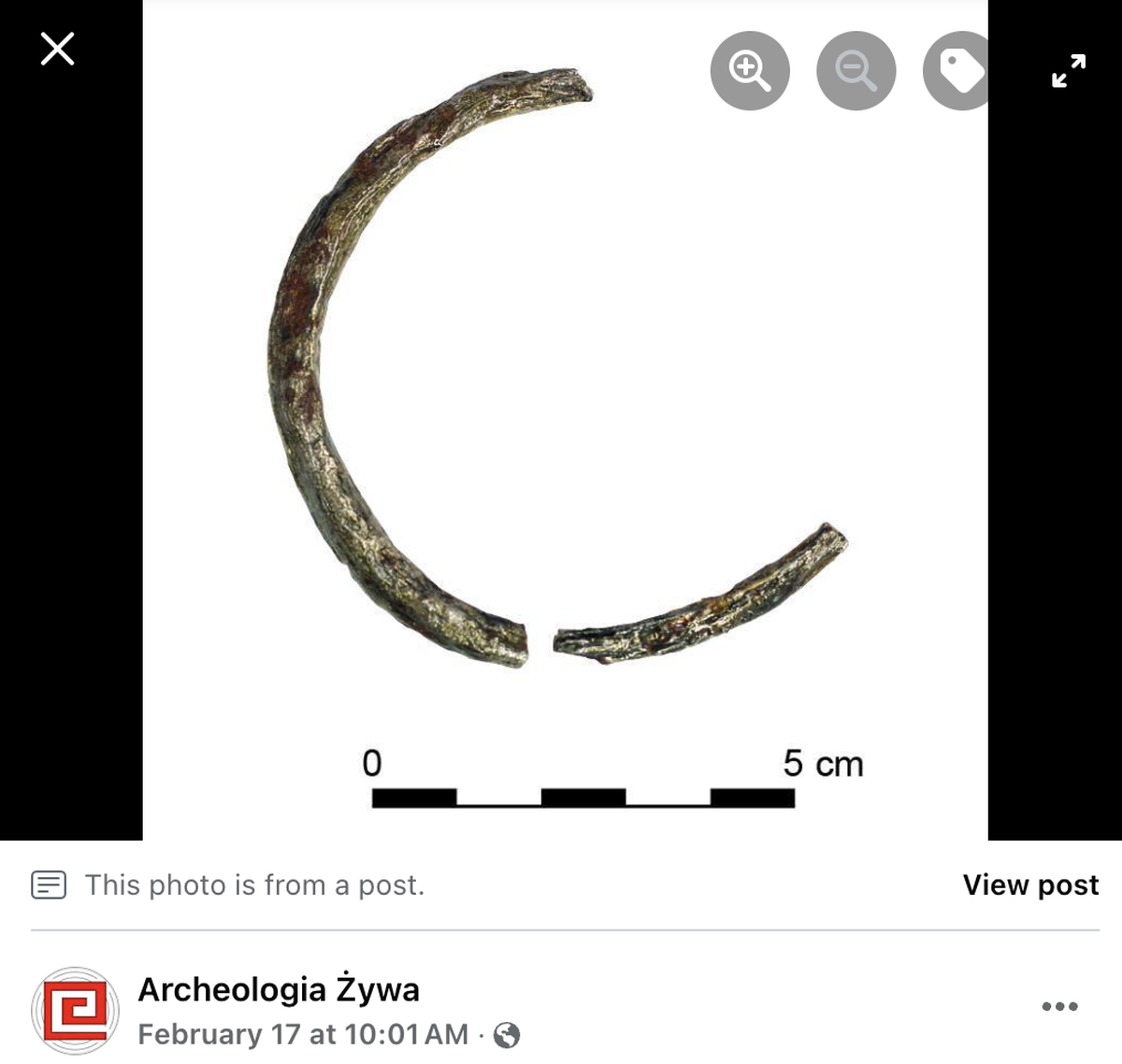
The collection is considered “exceptional” and only the second instance of mixed meteoritic and Earth-made iron ever found in Poland, according to the study.
The iron from this planet used in the smelting was likely traded to this region of Poland, but the iron that came from a meteorite was most likely local, researchers said.
“We can conclude that there is a high likelihood that there was a witnessed fall rather than a lucky find. Iron meteorites may be large (hundreds of pounds), but this may actually be a problem. Large pieces are not workable, and you need to separate small pieces (less than 2.2 pounds), which is hardly possible with the tools of the Iron Age,” Jambon told Phys.com. “If you go hunting after a fall, you may find many small pieces until they are covered by the vegetation. (A 2.2 pound) piece will make a hole in the ground about (7.8 inches) deep. If it rains, which may happen in Europe, such small pieces will never be recovered. Recovering workable pieces is more likely after a witnessed fall.”
The iron pieces were found in cemeteries in Częstochowa, about a 95-mile drive northwest from Kraków, in southern Poland.
Facebook Translate and Google Translate were used to translate the Facebook post and article from Archeologia Żywa, respectively.
This story was originally published February 20, 2025 at 12:37 PM with the headline "Ancient bracelets — made with meteorites — found in Poland cemetery. Take a look."