Massive two-handed sword — wielded by medieval fighter — discovered in Poland. See it
History enthusiasts using metal detectors in northern Poland stumbled upon three medieval weapons — including one possibly used to fight invading knights.
The detectorists, part of the Biskupiec Detector Association “Gryf,” were near the Osa River in Ostróda when their machines tipped them off to buried metal, officials said in a Feb. 19 news release from the Ministry of Science and Higher Education.
They dug up the heads of two axes and a large-sized sword and brought them to the local medieval museum, the Museum in Ostróda said in a Feb. 15 Facebook post.
The pieces were in a relatively good state of preservation, officials said, and scans of the items showed more of their details.
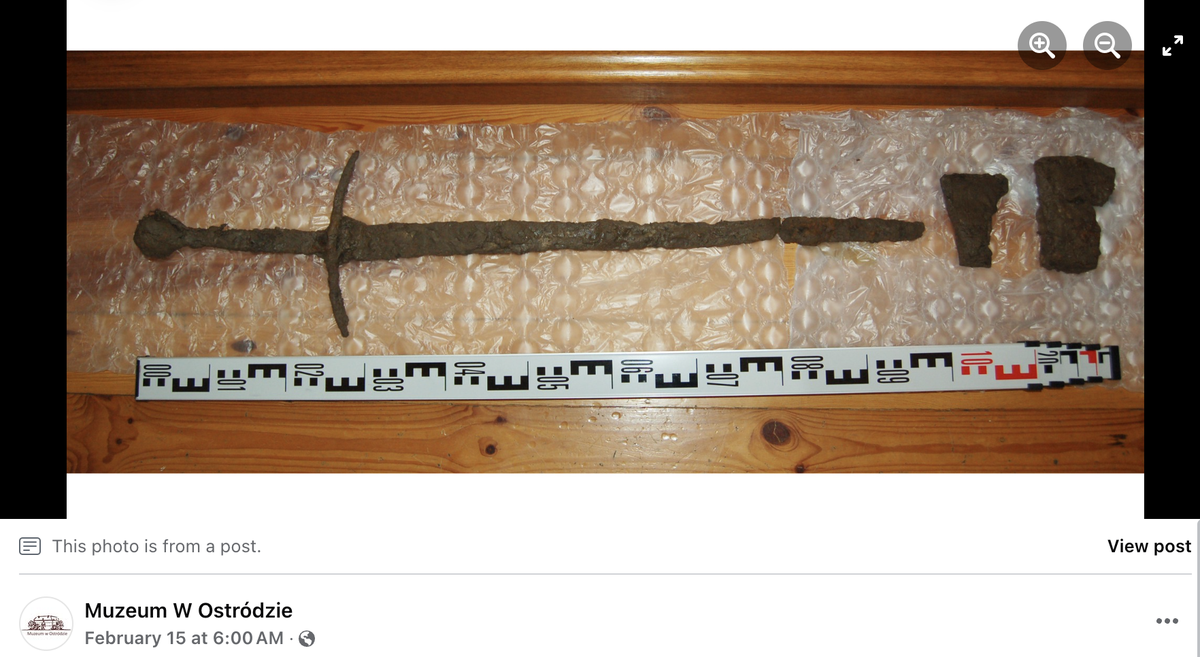
The weapons are military in nature and date to the 14th to 15th centuries, according to the release.
In this time period in Poland, knights of the Teutonic Order were wreaking havoc across the Baltic states.
The religious order, referred to as knights, was founded in the 12th century and had residences in Palestine, Prussia (in modern-day Poland) and Germany throughout its more than 600-year history, according to Britannica.
During the 14th and 15th centuries, the time the newly discovered weapons were used, knights of the Teutonic Order were pushing along the southern Baltic Sea, cutting off Poland and Lithuania from the coast and stoking rebellion, according to Britannica.
Poland and Lithuania banded together against the order, culminating in the 1410 Battle of Grunwald that defeated the knights in a way that broke up their military power.
The order later joined the Poles in the Thirteen Years’ War that broke out in 1454, leading to their ultimate decline, according to Britannica.
The axes and sword, therefore, could have been used against the knights — or on their behalf.
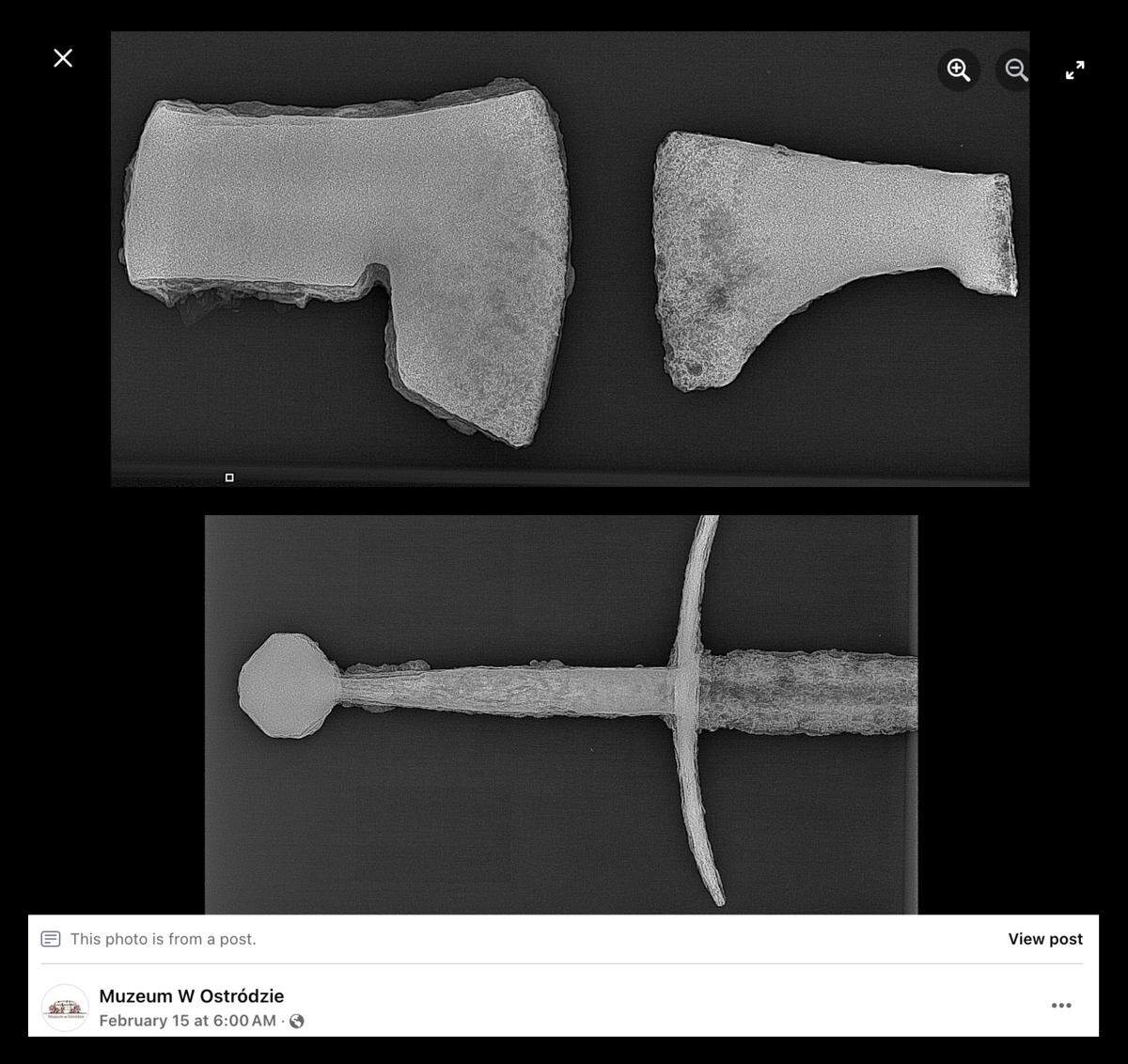
The axes and two-handed sword were found near a medieval stronghold, officials said, and were surprisingly well preserved.
Historians believe this may have been caused by a stint in the Osa River, which meandered through the area in centuries past, and had a bridge crossing not far from where the items were found. The weapons were possibly lost here, according to the release.
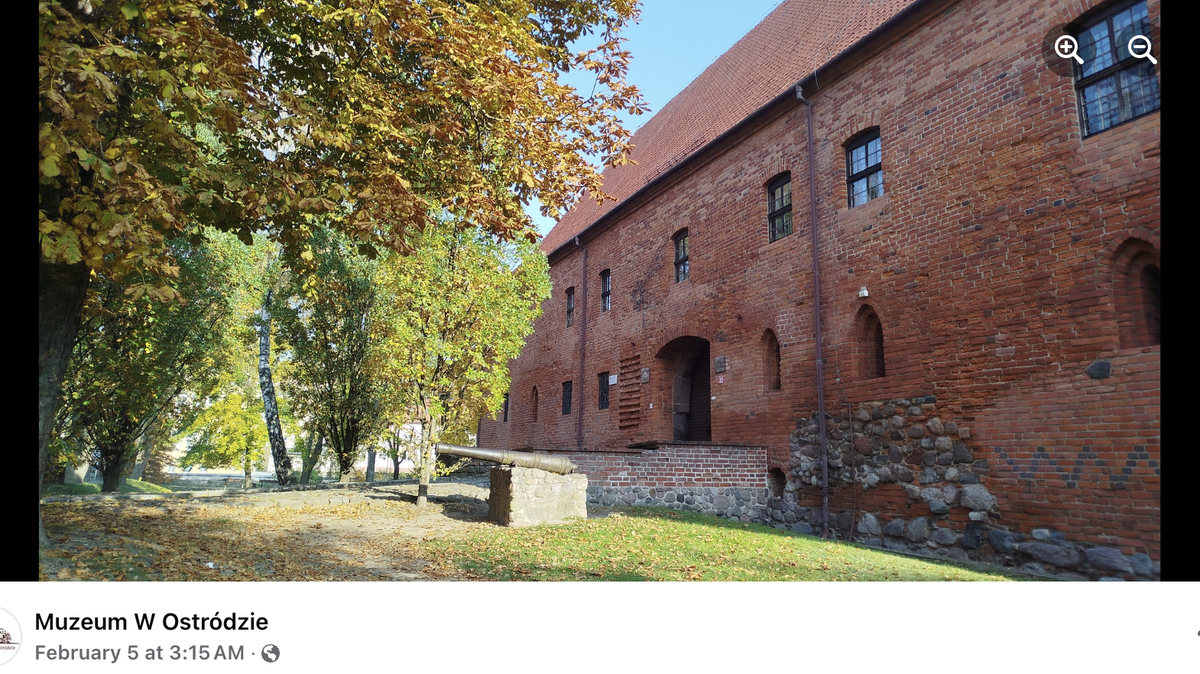
The items are now housed in the museum facility, which is built inside a former Teutonic castle, officials said.
Ostróda is in north-central Poland, about a 135-mile drive north from Warsaw.
Google Translate was used to translate the news release from the Ministry of Science and Higher Education. Facebook Translate was used to translate the Facebook post from the Museum in Ostróda.
This story was originally published February 20, 2025 at 2:30 PM with the headline "Massive two-handed sword — wielded by medieval fighter — discovered in Poland. See it."