‘Flourishing’ deep-sea life found when Antarctic iceberg breaks off. ‘Untouched beauty’
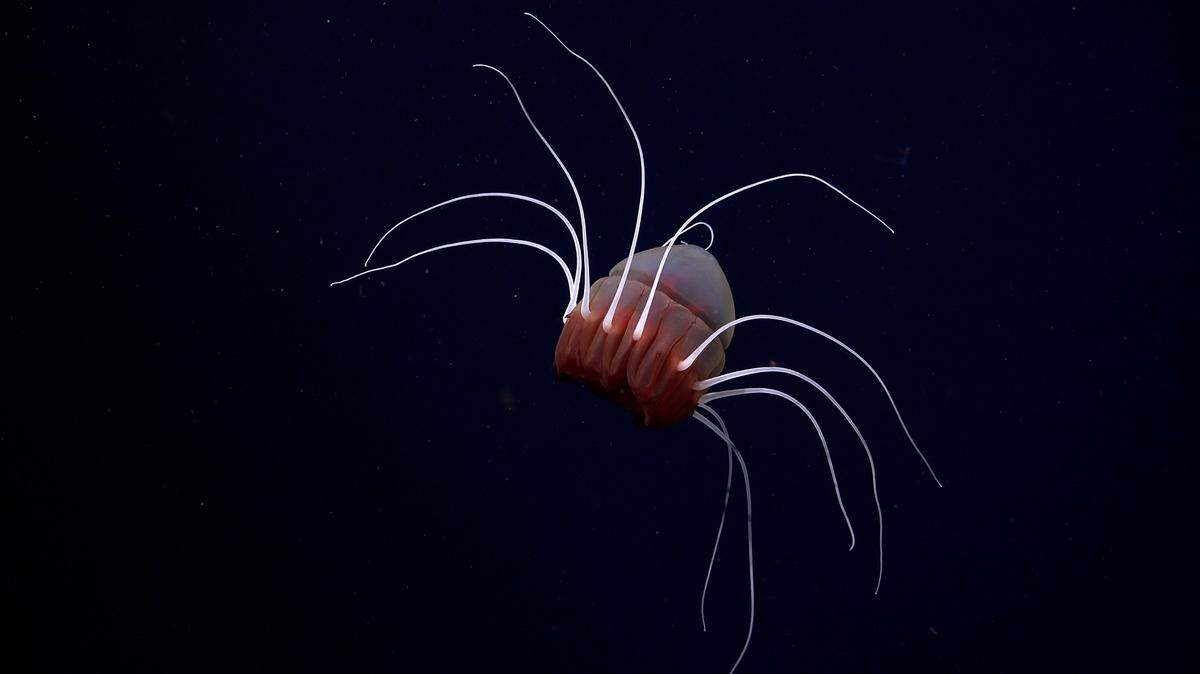
In January, an iceberg the size of Chicago broke away from a massive ice shelf in Antarctica, revealing an underwater world never before seen by humans.
An international team of researchers in the right place at the right time were the first to lay eyes on the centuries-old “flourishing ecosystems” beneath it at the bottom of the Bellingshausen Sea, according to a March 20 news release from the Schmidt Ocean Institute.
More than 200 square miles of seabed were teeming with life, including giant sea spiders, icefish, octopus, and “large corals and sponges supporting an array of animal life,” experts said.
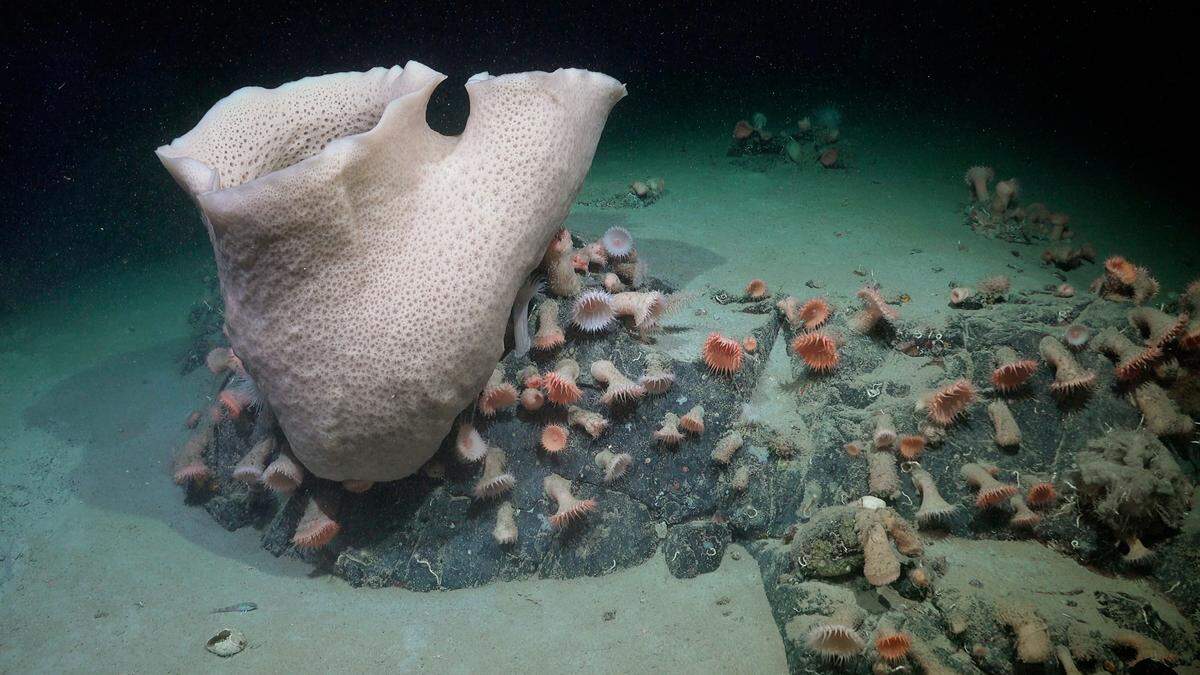
“We didn’t expect to find such a beautiful, thriving ecosystem,” said Dr. Patricia Esquete of the Centre for Environmental and Marine Studies and the Department of Biology at the University of Aveiro.
“Based on the size of the animals, the communities we observed have been there for decades, maybe even hundreds of years,” Esquete said.
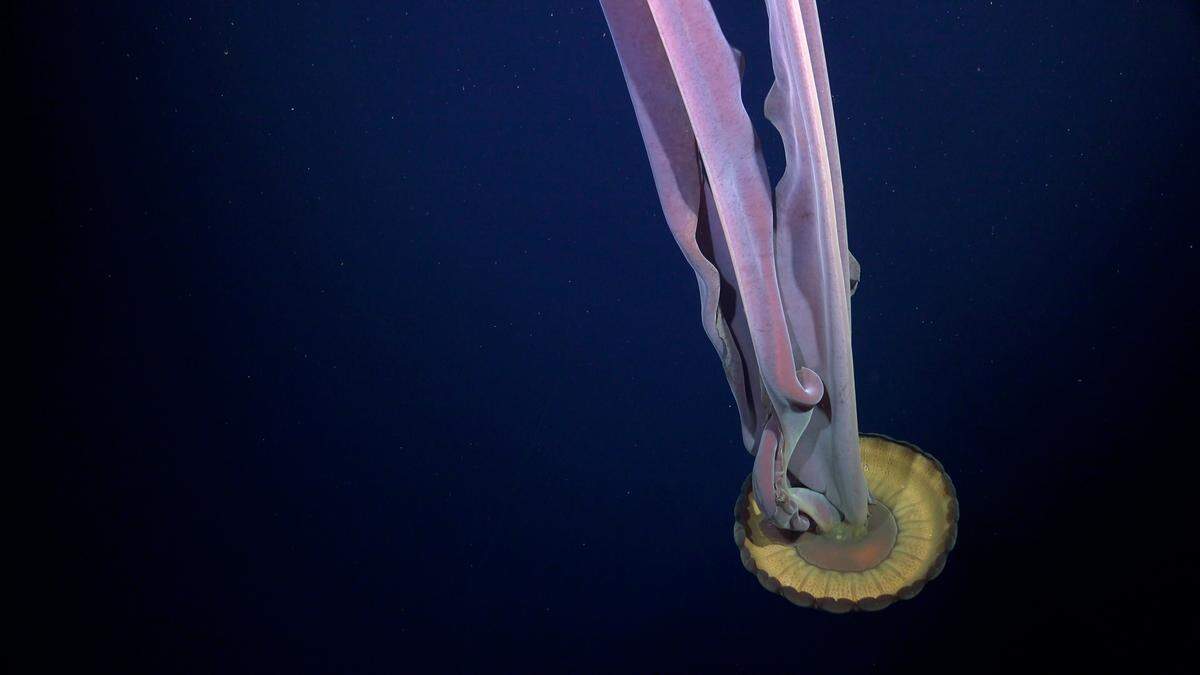
While most deep-sea ecosystems depend on nutrients that slowly drift down from the surface, these ecosystems are covered by ice about 500 feet thick and are “completely cut off from surface nutrients,” researchers said.
Researchers said they believe they also discovered several new species during the expedition.
The team was originally in the “remote region” of the Bellingshausen Sea to study the ecosystems that form where the ice meets the sea, according to the Schmidt Ocean Institute.
When the iceberg, named A-84, calved from the George IV Ice Shelf on Jan. 13, the team pivoted its expedition and changed course for the newly exposed seafloor, reaching the bottom via a remotely operated vehicle on Jan. 25.
“Serendipitous moments are part of the excitement of research at sea — they offer the chance to be the first to witness the untouched beauty of our world,” Schmidt Ocean Institute Executive Director Dr. Jyotika Virmani said in the release.
Experts said the ice sheet off which A-84 broke “has been shrinking and losing mass over the last few decades due to climate change.”
This story was originally published March 21, 2025 at 3:47 PM with the headline "‘Flourishing’ deep-sea life found when Antarctic iceberg breaks off. ‘Untouched beauty’."