
Antarctic voyage reveals creatures of the deep while exploring glacier. See them
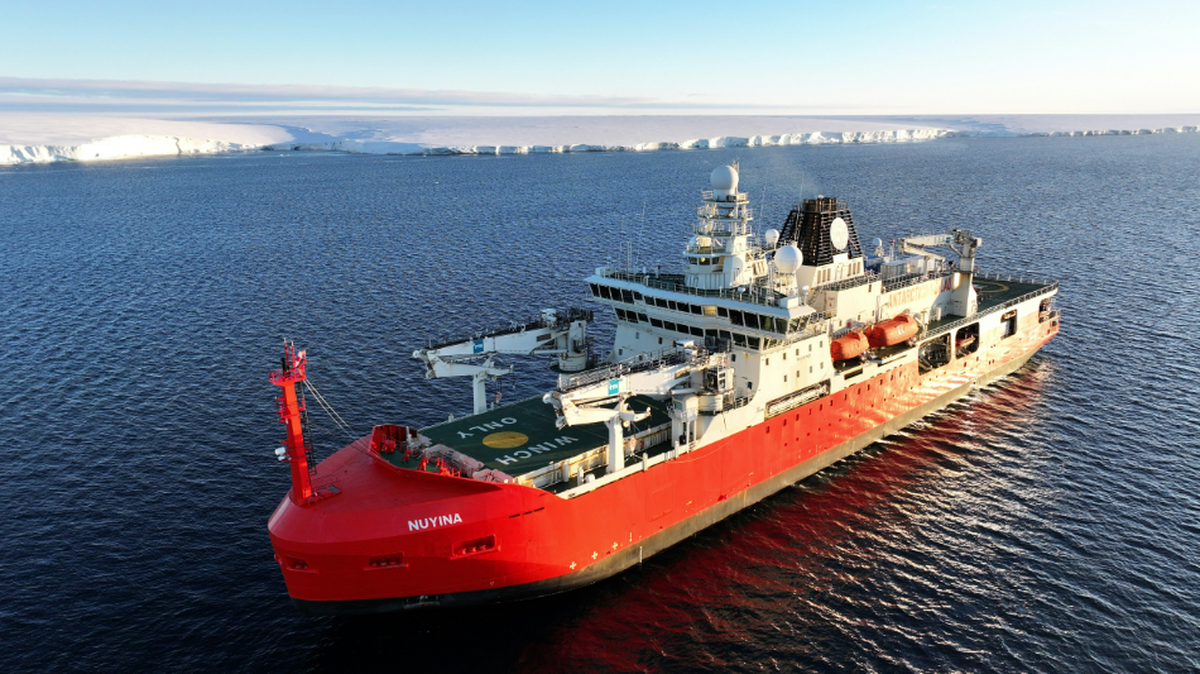
Armed with lab equipment and two months of food and clothes, around 60 researchers boarded the RSV Nuyina icebreaker ship for its first scientific voyage in March.
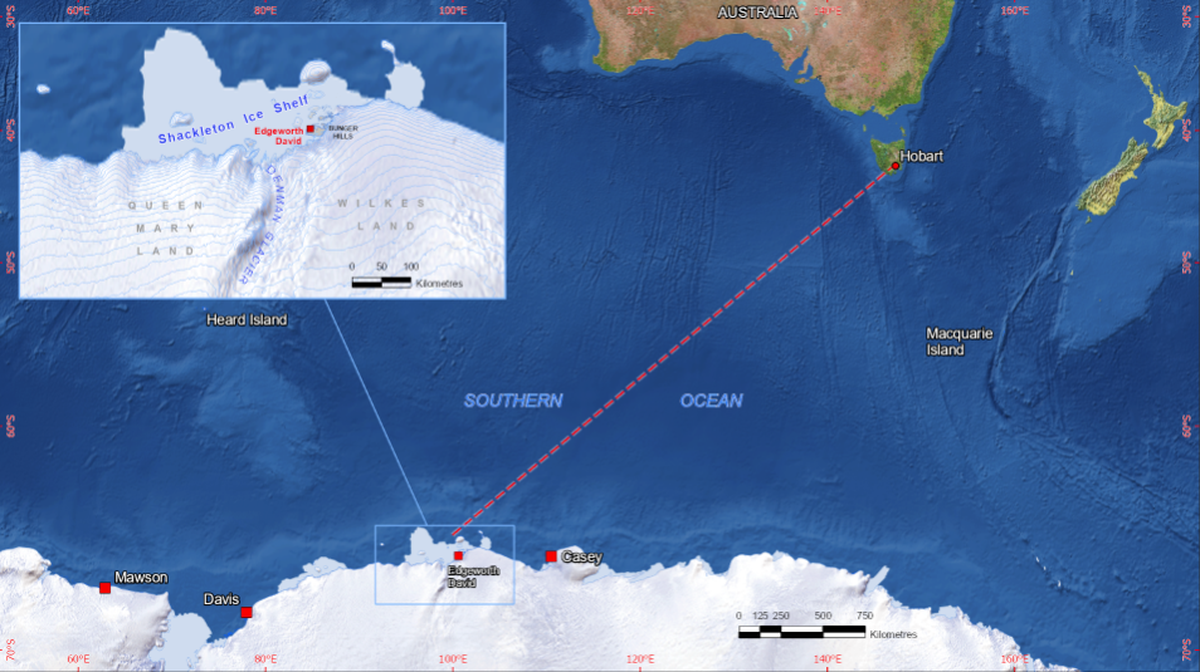
They are taking part in the Denman Marine Voyage, a trip from Australia to Antarctica to study the Denman Glacier and its ecosystem.
Now, nearing the end of the journey, the research team is reporting some of its results and the interesting creatures it is finding along the way.
The voyage launched from Hobart, Tasmania, with 45 crew members, 25 support staff and 60 scientists from four organizations — the Australian Antarctic Division, the Australian Centre for Excellence in Antarctic Science, the Australian Antarctic Program Partnership and Securing Antarctica’s Environmental Future, according to an April 2 news release shared by the Australian Antarctic Division to McClatchy News.
“The main aim of the voyage is to better understand how factors such as warmer ocean waters are influencing changes in the (62-mile-long) Denman Glacier — which has retreated (3 miles) in the past two decades,” according to the organization. “If the Denman were to melt entirely, it could contribute about (5 feet) to global sea level rise.”
Researchers have collected data on conductivity, temperature and depth of the seawater, as well as “ancient organic material” and debris from the ice sheet collected in sediment cores from the seafloor, the Australian Antarctic Division said.
Some teams are also studying how clouds form in the Southern Ocean, hoping to improve climate modeling.
But another part of the voyage is understanding the region’s biodiversity, and some creatures seemed to volunteer for science.
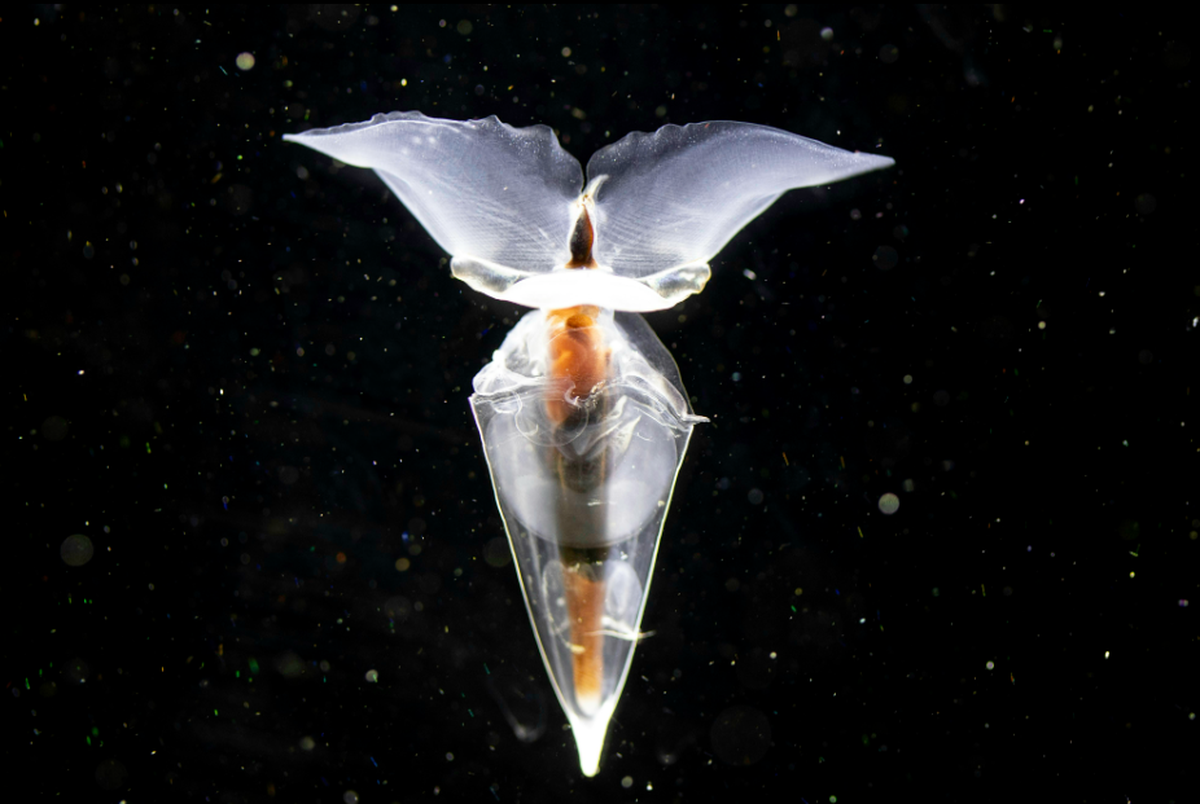
In the first five weeks of the trip, a “sea butterfly” or “delicate pteropod,” was pulled into the icebreaker’s wet well, according to the Australian Antarctic Division.
“It has started producing eggs in the aquarium, allowing researchers to document pteropod egg development for the first time,” according to the release.
It’s a species called Clio pyramidata, and was nicknamed “Clio” by the team, the organization said.
“The team is super excited about having the little creature and observing it and looking after it, so that it tells all the secrets that have been hidden until now,” researcher Laura Herraiz Borreguero told ABC News, the Australian Broadcasting Corp.
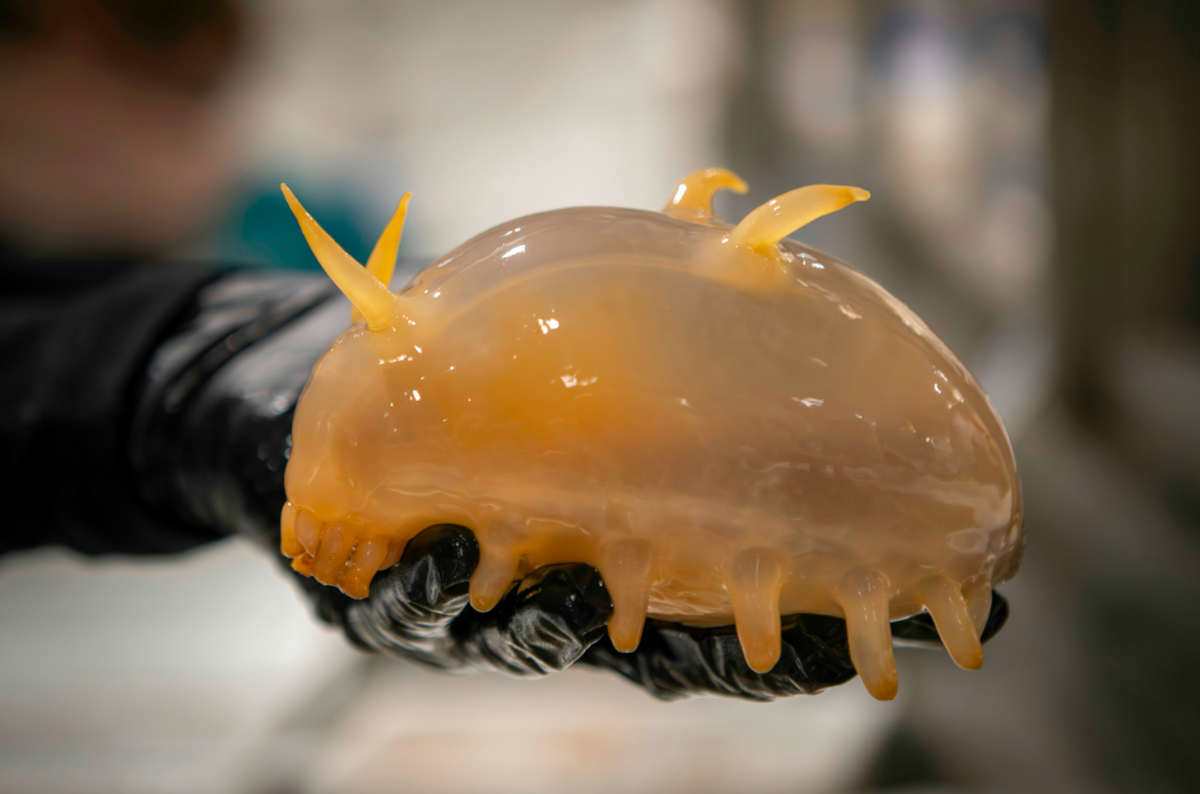
Aside from the “sea butterfly,” researchers also collected sea spiders, sea stars, octopus and “sea pigs,” according to the release.
Sea pigs, or scotoplanes, are species of sea cucumbers with appendages that make them appear like small pigs, and they are often pink in color, according to the Monterey Bay Aquarium.
“The sea pig spends its days snuffling though the muddy sediments on the seafloor, eating bits of dead algae and animals that have fallen from the surface,” the aquarium said. “When something big, like a whale fall, sinks to the seafloor, huge herds of sea pigs gather nearby to feast on the rich organic sediments from the decaying carcass.”
The RSV Nuyina and its passengers will return to Tasmania in early May, about a 3,100-mile journey, where the data collected from the research voyage can be studied and logged, according to the release.
Tasmania is an island territory off the southeastern coast of Australia.
This story was originally published April 25, 2025 at 5:59 PM with the headline "Antarctic voyage reveals creatures of the deep while exploring glacier. See them."
