Elusive creature — declared extinct decades ago — now rediscovered in Cape Verde
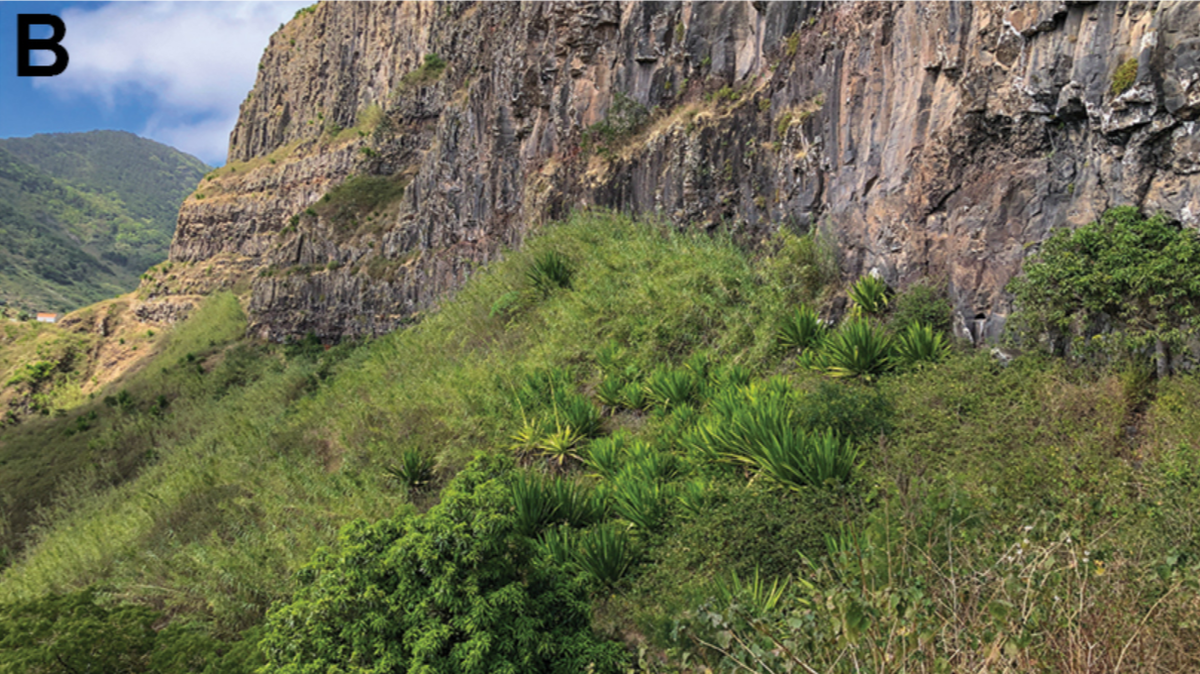
In 1980, researcher Michel Lecoq discovered a new species of grasshopper on Cape Verde’s São Nicolau island in Monte Gordo Natural Park.
He found a single male specimen, and despite years of searching the archipelago, he never found another.
After 1982, Lecoq declared Eyprepocprifas insularis, also known as the Monte Gordo grasshopper, extinct, according to a study published April 24 in the Journal of Orthoptera Research.
Nearly 40 years later, in 2023, two researchers rediscovered the species in Monte Gordo Natural Park — the same park where Lecoq discovered it decades earlier, according to the study.
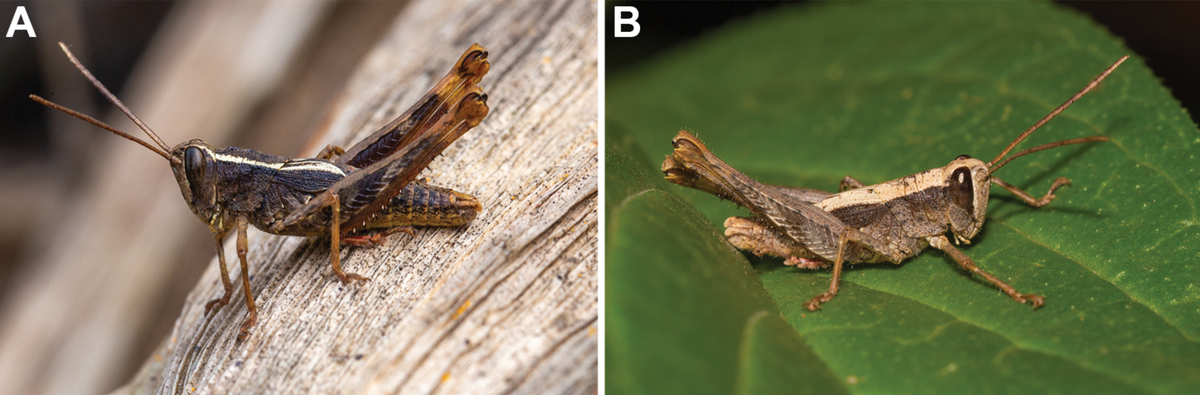
They also made the first record of a female of the species, which can be up to twice as large as the males, researchers said. The grasshoppers were found high in the mountains, all at elevations above 2,130 feet, according to the study.
The Monte Gordo grasshopper is brachypterous, the study said, which means it has small, reduced wings. These types of wings are often unable to sustain flight, according to experts. Its “very long hind legs” allow it to jump “exceptionally far,” researchers said.
Researchers said the species is found only on São Nicolau island, which was created by a volcano and is believed to be about 5 million years old, according to the study.
The Monte Gordo grasshopper, which researchers call a “living fossil,” is “not closely related to known African counterparts,” suggesting the species has evolved in isolation on the island for a long time.
Researchers were surprised to discover that the species has an “extraordinarily thick” exoskeleton.
“Mounting specimens of E. insularis proved quite challenging due to the remarkable difficulty of piercing them with a pin. Surprisingly, an exceptional amount of force was required,” researchers said in the study.
The reinforced exoskeleton may be an evolutionary adaption to the island’s arid climate where years can pass between rainfall, possibly protecting the grasshopper from excessive water loss or providing enhanced resilience to environmental stress.
Researchers recommend the species be designated with vulnerable status on the International Union for Conservation of Nature Red List.
The research team included Rob Felix, Annelies Jacobs and Lecoq.
This story was originally published April 29, 2025 at 11:02 AM with the headline "Elusive creature — declared extinct decades ago — now rediscovered in Cape Verde."