‘Giant’ new species of fish found in disappearing roadside pond in Argentina
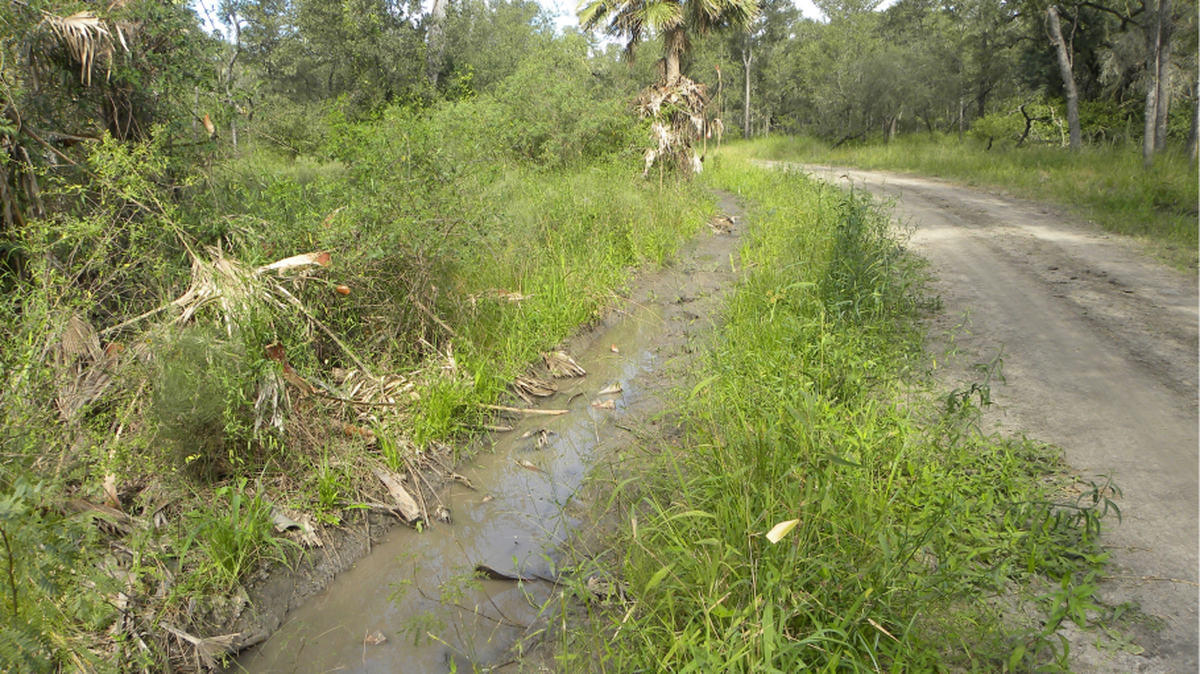
While surveying the seasonal wetlands of Argentina’s Chaco National Park in June 2023, researchers discovered “giant” fish in a shallow roadside pool of muddy water — no deeper than 10 inches — that was rapidly drying out.
At nearly 4 inches long, the fish are now revealed to be a new species of giant killifish, an “extraordinary” group known to inhabit temporary aquatic environments that dry out as the seasons change but survive thanks to several “remarkable” adaptations, according to a May 3 study published in the journal Zoologischer Anzeiger and an article summarizing the study’s findings.
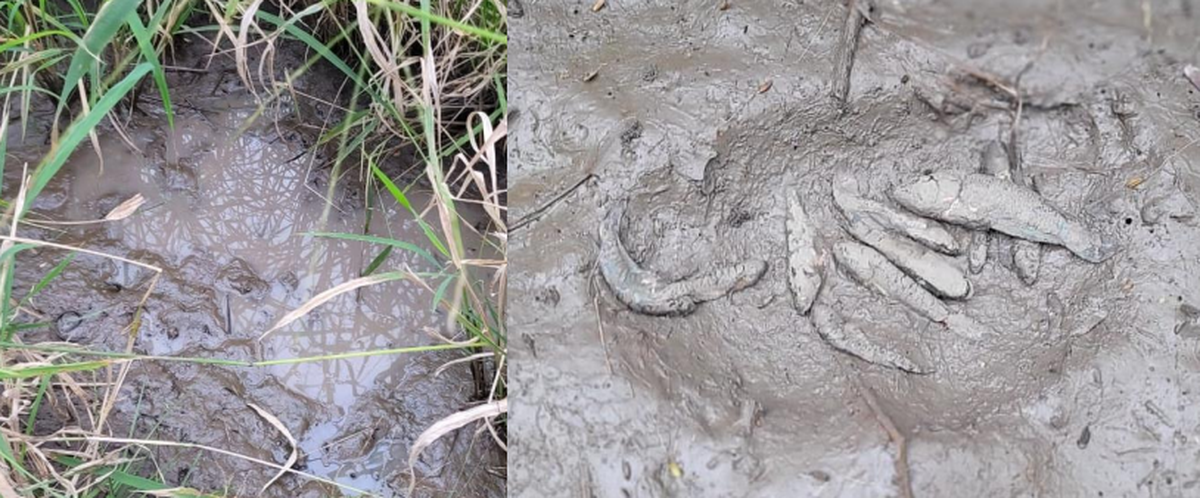
These adaptations include accelerated growth rates and drought-resistant eggs that can enter a state called diapause, allowing them to stop and restart their development in response to environmental changes, researchers said.
Diapause allows seasonal killifish to survive in habitats subject to extreme changes in water levels and temperature, according to researchers.
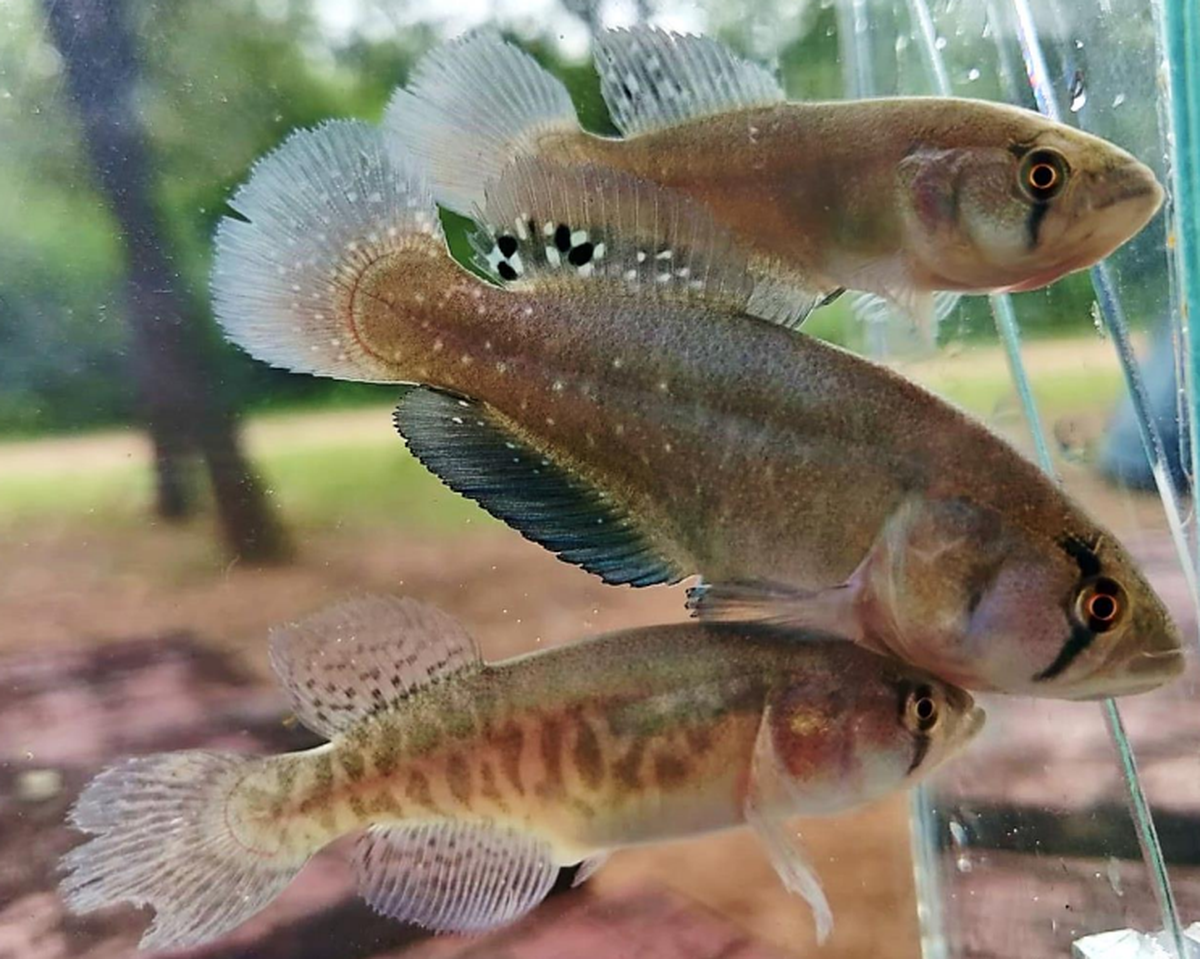
The new species —Titanolebias calvinoi — is one of the most extreme examples of “gigantism” found among all killfish species, according to researchers.
Titanolebias calvinoi’s large body size is associated with its “ability to capture larger prey, which offers greater energetic value” and greater dietary options, according to the study.
Males of the new species are larger than females, with the largest caught measuring just under 4 inches long, and the largest female measuring just over 3 inches, researchers said.
The new species has a “unique” color pattern of black and white “blotches” and white iridescent spots on its fins, according to the study.
This discovery significantly expands the known region of the Titanolebias genus, researchers said. Until the discovery of Titanolebias calvinoi, there were no records of any species within Titanolebias genus in the Eastern Chaco, researches said.
The temporary wetlands inhabited by killifish are threatened by climate variability and land use, such as agriculture and deforestation, according to researchers.
Titanolebias calvinoi was discovered in the Río Negro basin in the Eastern Chaco. Researchers said their presence in the region “highlights the urgent need to protect temporary wetlands.”
The research team included Felipe Alonso, Guillermo Enrique Terán, Wilson Sebastián Serra Alanís, Marcos Martin Waldbillig, Martin Miguel Montes, Baltazar Bugeau, Jorge Adrian Barneche, Marina Ibañez Shimabukuro, Francisco González Táboas, Malena Maroli and Matías Jesús Almeida.
This story was originally published May 6, 2025 at 2:26 PM with the headline "‘Giant’ new species of fish found in disappearing roadside pond in Argentina."