
From Roman shafts to island mud: Take a look at latest new species
The summaries below were drafted with the help of AI tools and edited by journalists in our News division. All linked stories were reported, written and edited by McClatchy journalists.
Unique creatures, odd animals and new species are being discovered across the planet. Some are found lurking in remote corners of the world, while others have been hiding right under our noses.
Learn more about some recent new species discoveries:
‘Large’-eyed creature found lurking in ancient Roman mine. It’s a new species
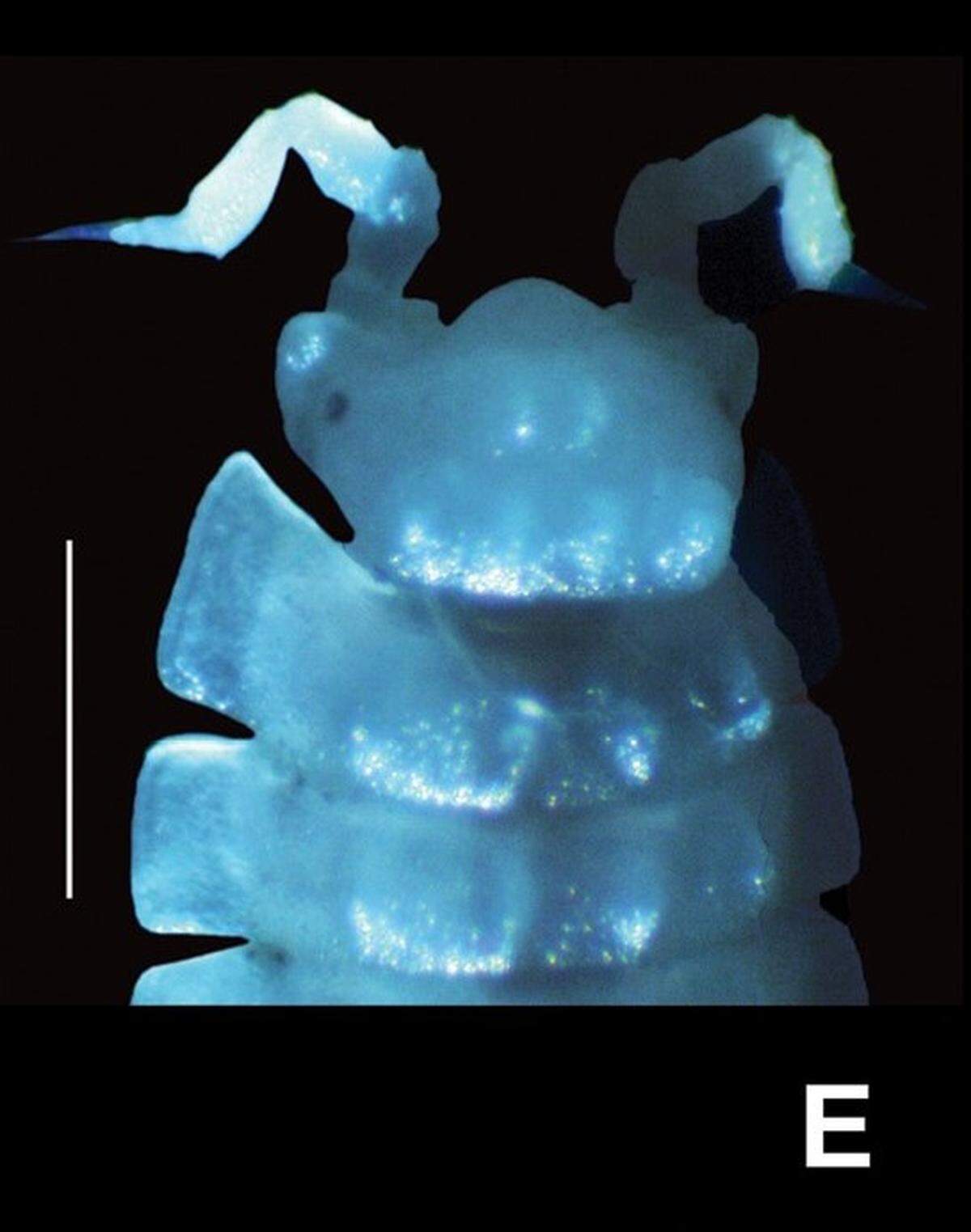
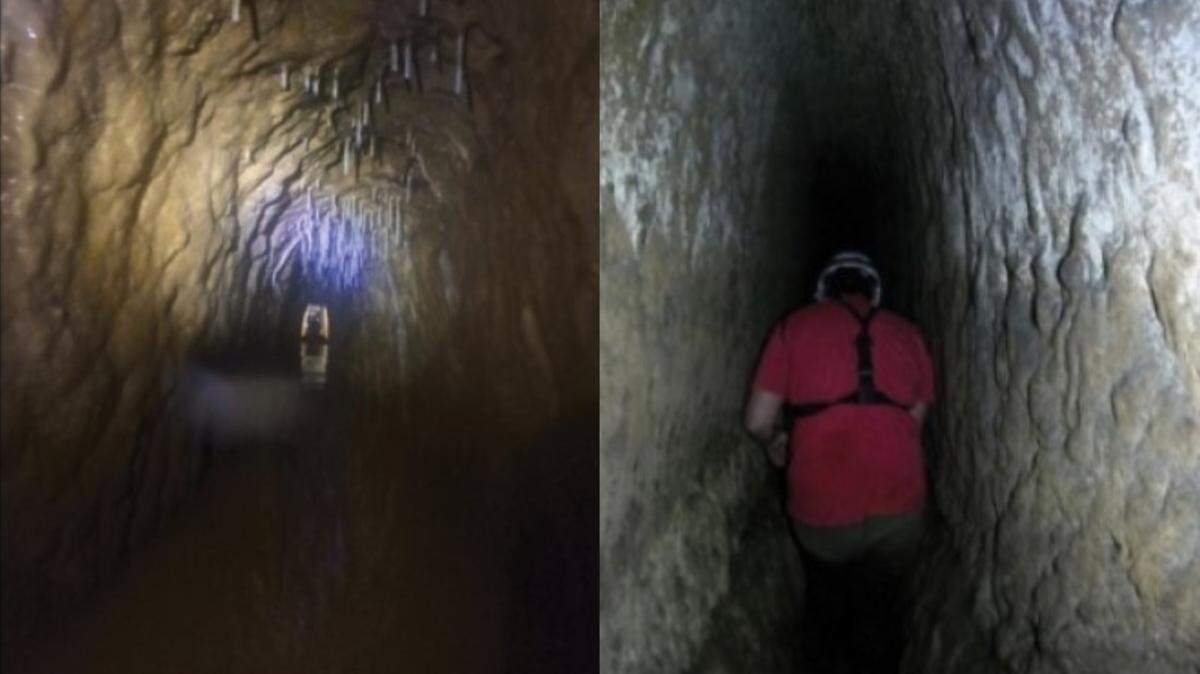
In the ancient Roman mine underneath Carmona, Spain, researchers discovered a new species of isopod named Baeticoniscus carmonaensis, or the Carmona isopod. This tiny crustacean, with its segmented body and “large” black eyes, was found on decomposing wood within the mine’s aqueducts. | Published May 19 | Read More |
‘Fighting’ fish that survives drought by hiding in the mud is new rare species
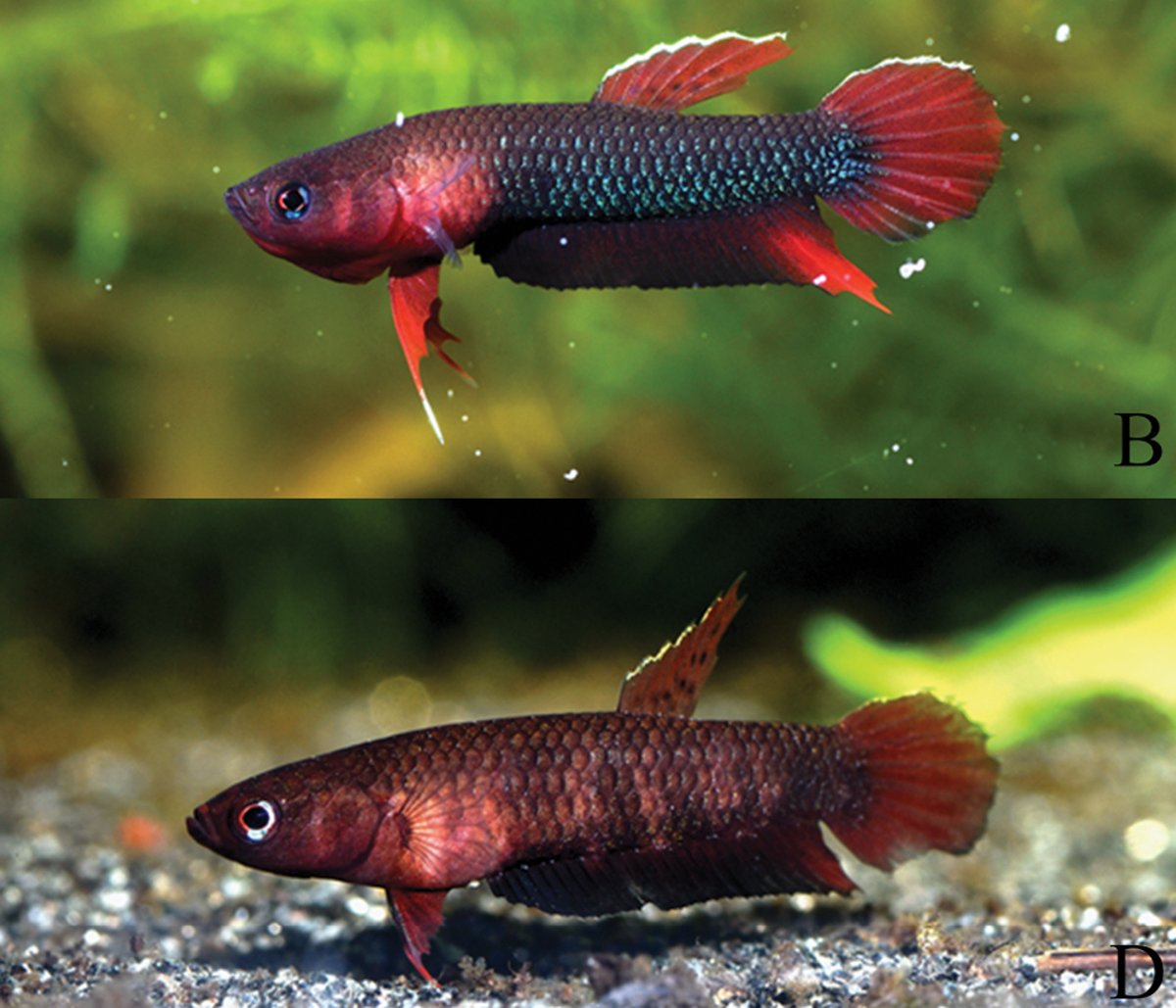
On Sumatra Island, researchers identified a new species of betta fish called Betta iaspis, found in a forest peat swamp. This fish, with its reddish-brown head and iridescent blue patches, survives droughts by hiding in moist mud. Researchers proposed that the species should be listed as critically endangered due to its limited habitat threatened by human activities. | Published May 16 | Read More |
Black-eyed mountain creature found under debris in Vietnam. It’s a new species
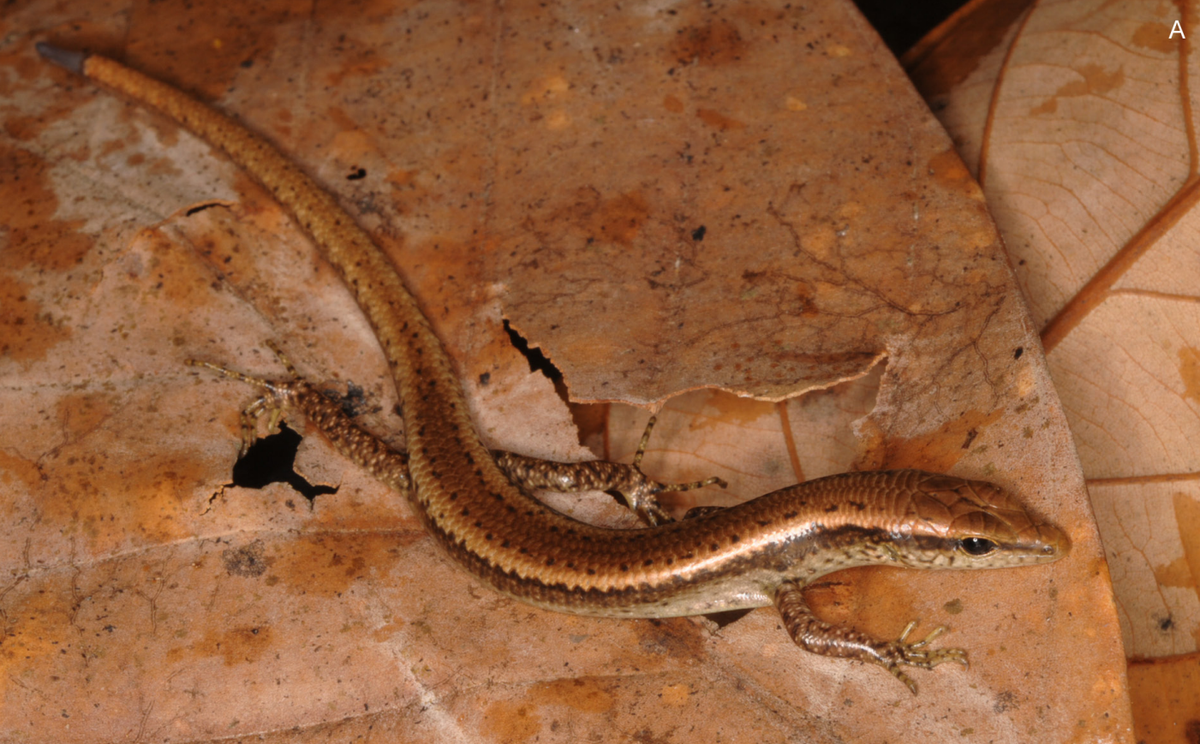
On Hon Ba Mountain in Vietnam, scientists discovered a new species of lizard, the Hon Ba ground skink, or Scincella honbaensis. This small skink, with its slender body and pointed snout, was found under tile debris in an evergreen forest. | Published May 16 | Read More |
‘Toxic’-skinned creature with ‘large’ hands discovered as new species in Brazil
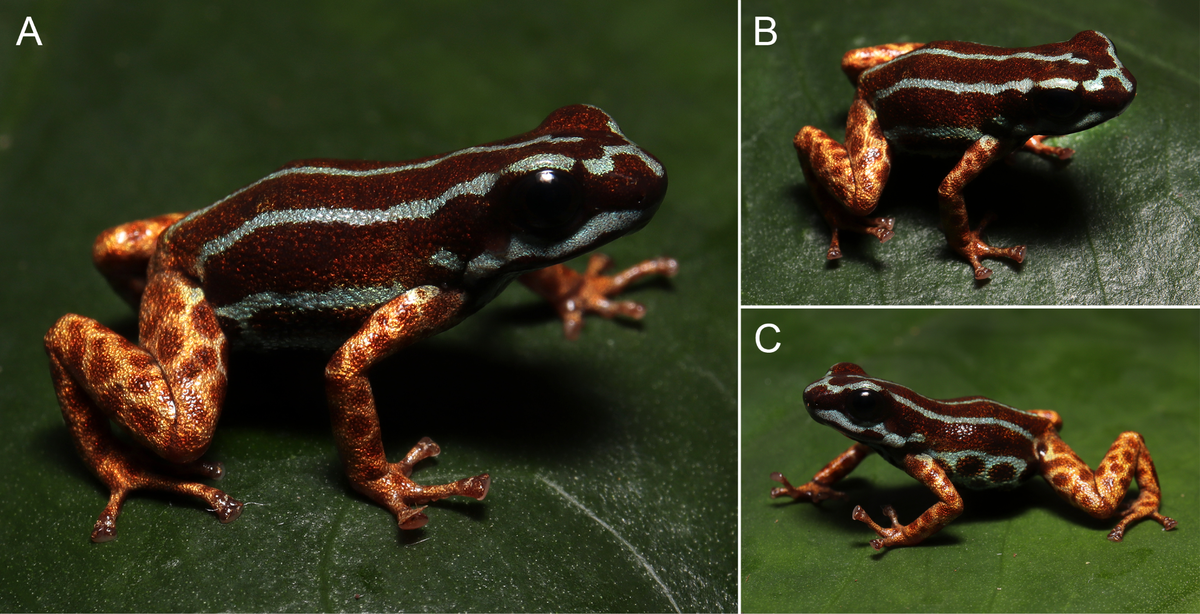
In the Amazon rainforest’s Juruá River basin, researchers found a new species of frog named Ranitomeya aetherea, or the heavenly poison dart frog. This small frog, with its “toxic skin” and vibrant blue stripes, was discovered in palm plants. The species is active mostly in the early morning and late afternoon. | Published May 15 | Read More |
Pregnant creature found in ‘rotting leaves’ on Vietnam peak. It’s a new species
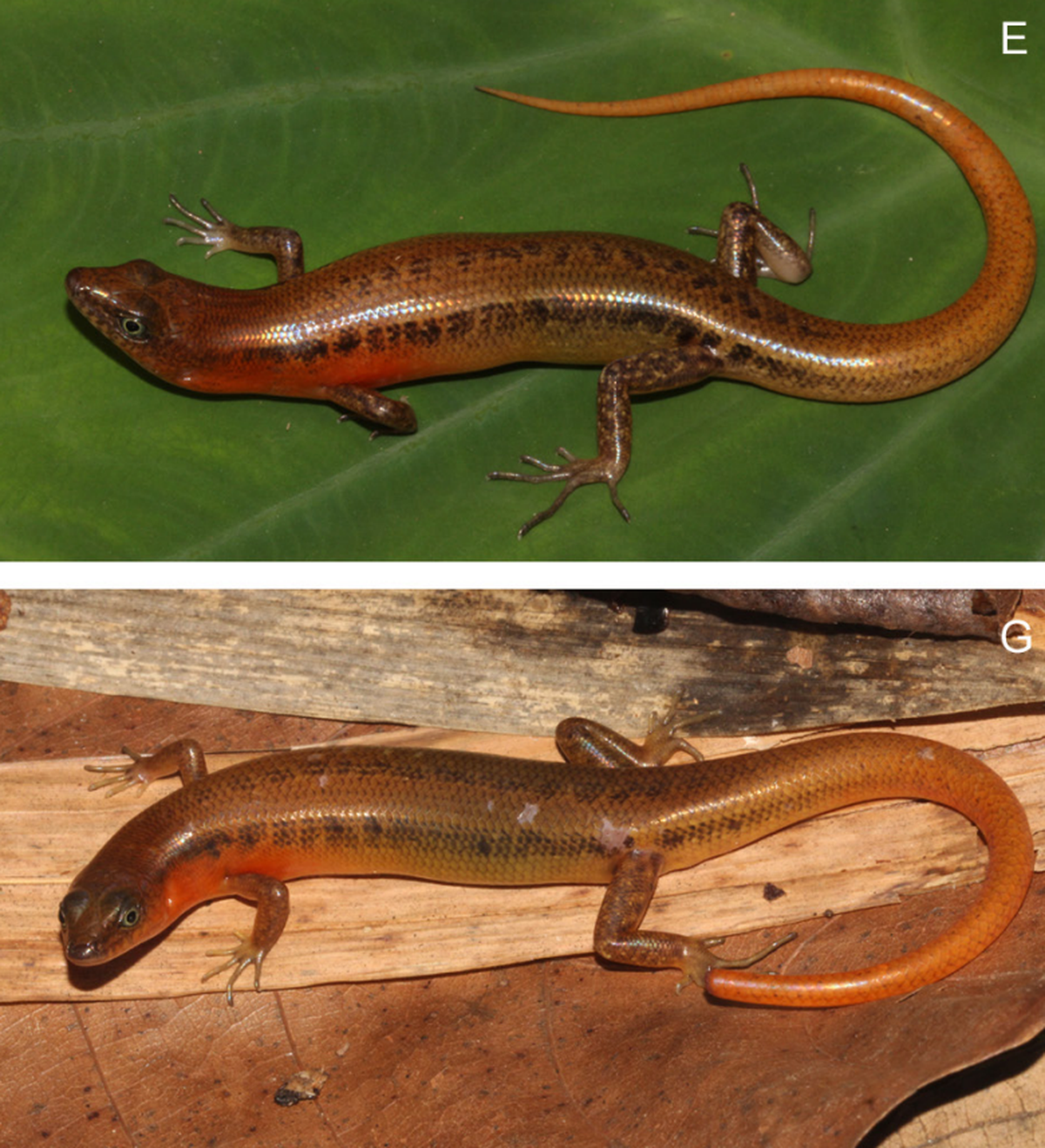
On Tà Cú Mountain in Vietnam, a new species of lizard, the orange-tailed ground skink, or Scincella auranticaudata, was discovered. This medium-sized skink, with its vibrant orange tail and robust body, was found among rotting leaves in an evergreen forest. | Published May 16 | Read More |
McClatchy News continues to follow the discovery and sightings of unusual and intriguing species. Check back for the latest stories.
This story was originally published May 23, 2025 at 7:00 AM with the headline "From Roman shafts to island mud: Take a look at latest new species."