Elusive ocean creature filmed alive in the wild for first time off Antarctica
The magic of Christmas includes a parade of legendary creatures. From Santa Claus to his flying reindeer, believing in magic without ever seeing its source is part of what makes the holiday special for kids around the world.
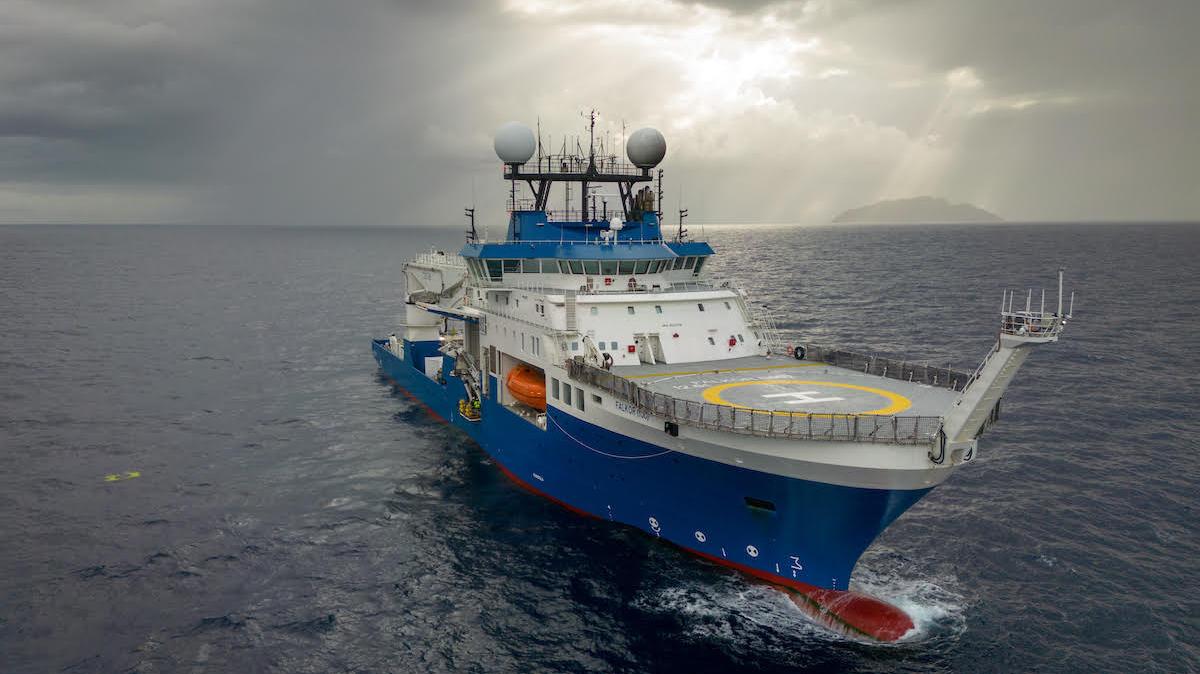
But for a group of researchers spending Christmas on a research vessel in the troubled waters around Antarctica, a different creature of legend helped make their day magical.
The remote-operated vehicle SuBastian, part of the Schmidt Ocean Institute’s research vessel R/V Falkor (too), dropped to a depth of about 7,000 feet when a colorful creature came into focus on the vehicle’s camera, according to a June 10 article and news release from National Geographic.
The colorful animal was about 3 feet long and covered in “fresh-looking sucker marks” and “scratches,” researchers said.
It was identified as Gonatus antarcticus, a species that had never been seen before alive in the wild, according to National Geographic.
“Prior to the astonishing discovery, the species was only known from carcasses in fishing nets or when the squids’ beaks were found in the stomach of fished marine animals,” National Geographic said in the news release. “... Spotted at a depth of approximately (7,000 feet) in the Weddell Sea, researchers have not been able to confirm the squid’s sex from the footage, nor age, but the discovery is a reminder of how much more there is to learn about the relatively unexplored polar regions of our world’s (oceans).”
Kathrin Bolstad, a squid expert, told National Geographic the squid could be identified by a “large single central hook observed on each tentacle club,” according to the release.
Experts believe the hooks are used to hold prey while hunting, according to National Geographic, but because of the animal’s elusive lifestyle, very little is known about their ecology and day-to-day lives.
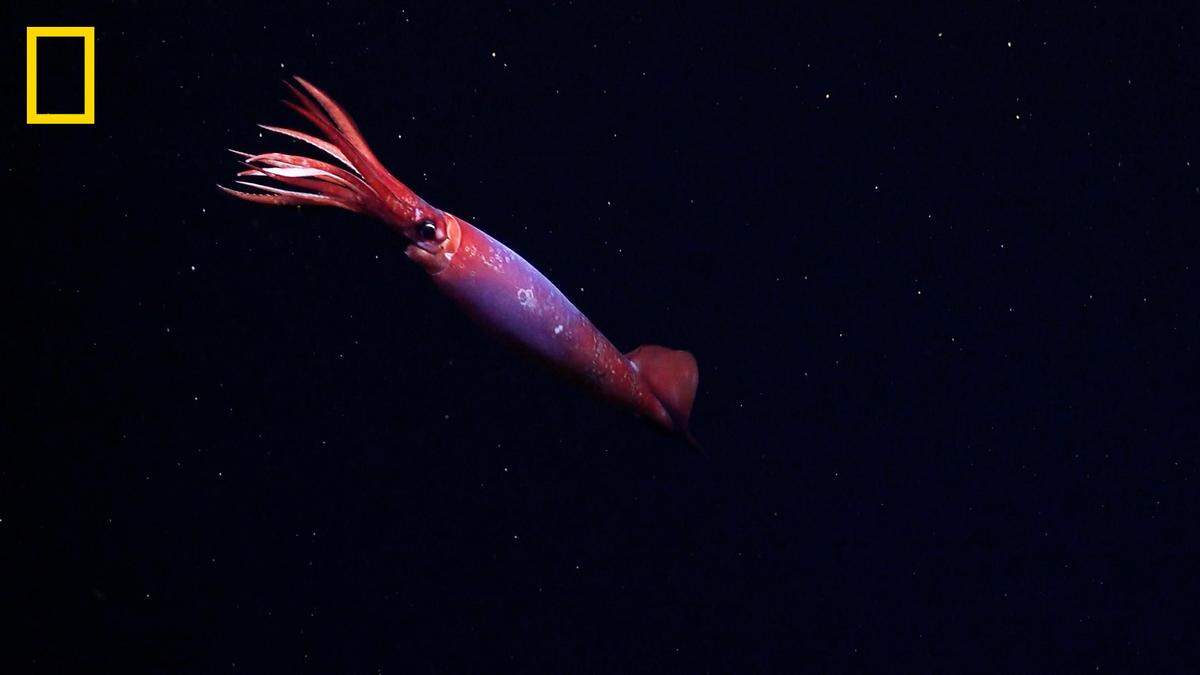
If the squid is a female, she’s particularly large for her sex when females typically start to deteriorate near the end of their life cycle, Bolstad told National Geographic.
If the squid is a male, it might mean males don’t break down near the end of their lives like the females. Another possibility is that there is more than one species of squid being classified as Gonatus antarcticus that keeps its color throughout its life because the animals are so understudied, the squid expert said.
“In the deep sea, there’s always a good chance you’re seeing something for the first time,” Bolstad told National Geographic. “The potential for discoveries and exploration is pretty much limitless.”
During the expedition, researchers also collected sediment samples, water and biota samples throughout the Southern Ocean at depths of up to 13,000 feet and across abyssal plains, hydrothermal vents, troughs, canyon walls and sea ice, according to the release.
The Weddell Sea is “one of the few near-pristine ecosystems on the planet,” according to the outlet, exciting researchers about its study.
The Weddell Sea is part of the Southern Ocean off the coast of Antarctica, south of the Atlantic Ocean and South America.
This story was originally published June 10, 2025 at 10:31 AM with the headline "Elusive ocean creature filmed alive in the wild for first time off Antarctica."