Second SC death row inmate faces electric chair after issued execution notice
READ MORE
The death penalty in South Carolina
After a decade-long hiatus from carrying out executions, South Carolina passed a bill allowing death row inmates to be executed by firing squad or electric chair. Read more of The State’s coverage on the S.C. death penalty here.
Expand All
A second death row inmate has been given an execution notice for the end of June after state lawmakers changed an oddity in South Carolina’s execution law that prevented executions from being carried out for almost a decade.
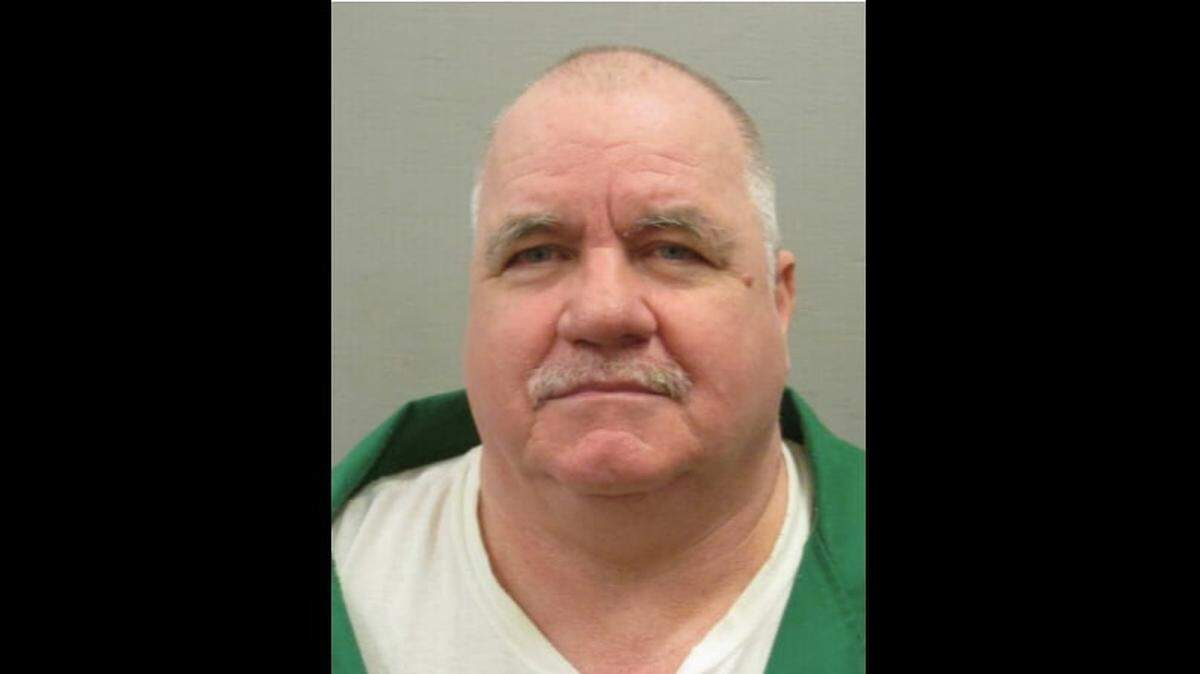
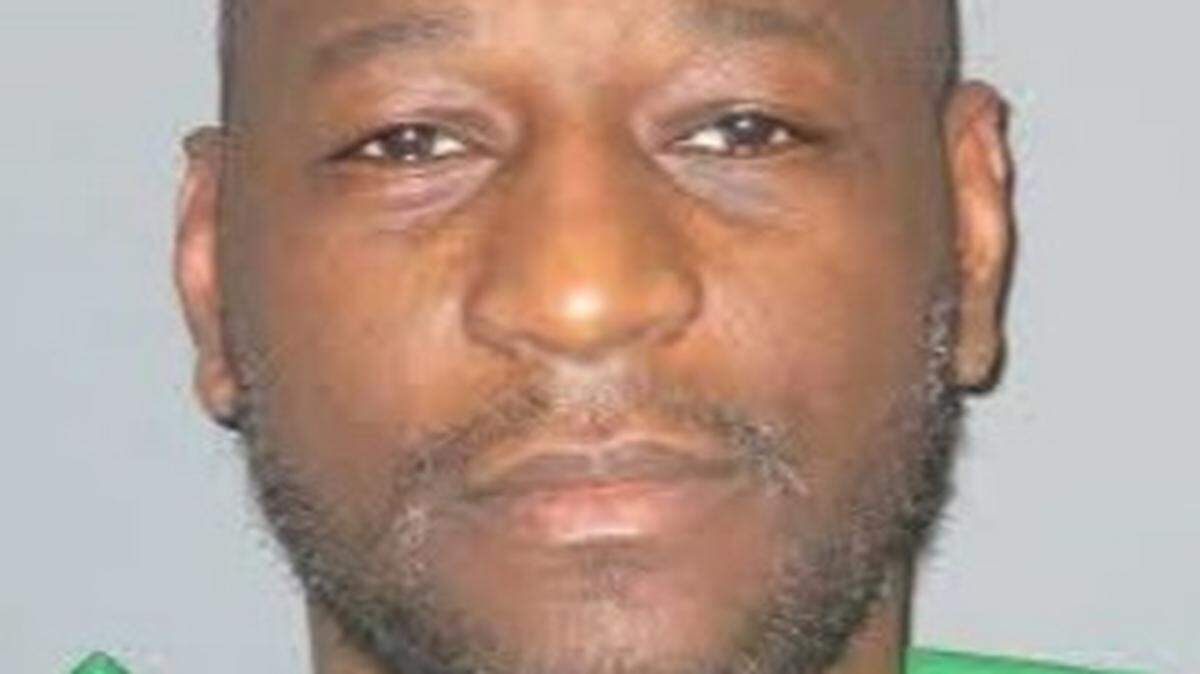
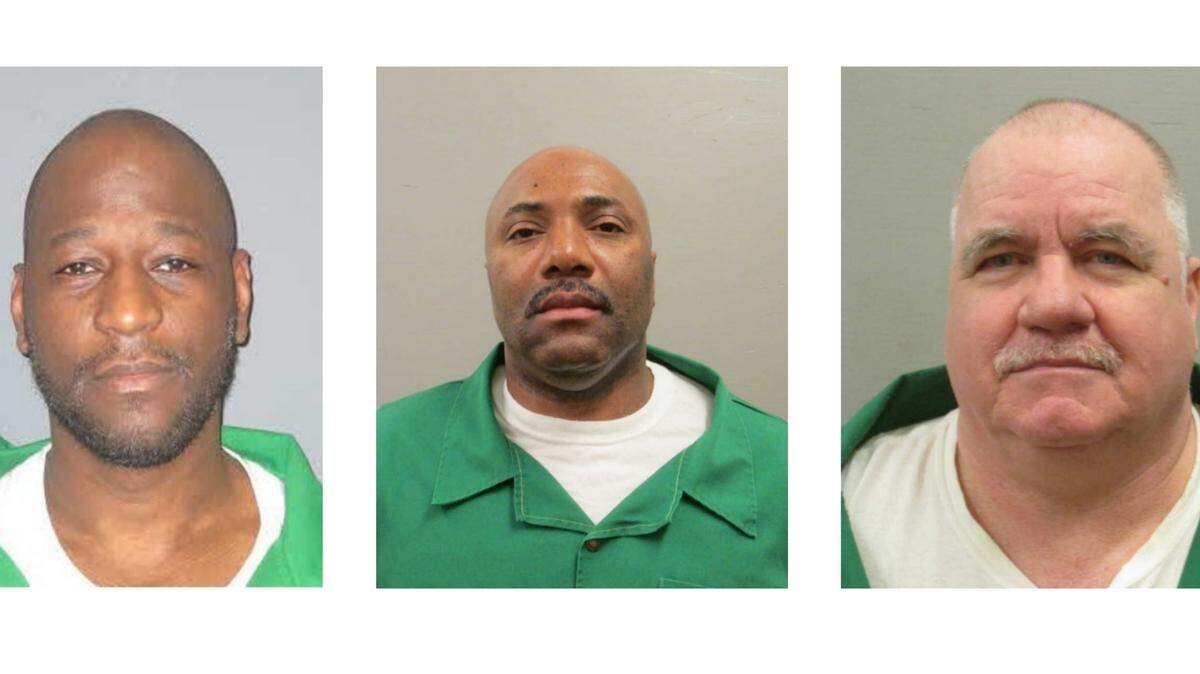
The South Carolina Supreme Court issued an execution notice Tuesday to Freddie Owens, 43, who was convicted of murdering a Greenville County gas station clerk in 1997 during a robbery spree.
The execution must take place on the fourth Friday after the court gives notice, which is June 25, the S.C. Department of Corrections confirmed.
Owens is the second inmate to receive a death notice since the South Carolina Legislature changed the state’s execution laws this year to make inmates choose between the electric chair and firing squad.
Brad Sigmon, 63, is scheduled to be the state’s first execution in about a decade on June 18.
Before the law change, lethal injection was the default mode of execution. If an inmate did not specifically select to die by the electric chair, the state could not force them to do so. As drug companies sought to crack down on how their products were being used in the mid-2000s, the state’s prisons agency and prisons across the country were suddenly unable to buy the necessary drugs to carry out a lethal injection, an issue that has persisted to this day.
By default, three S.C. inmates up for execution were granted stays because they did not elect to die by the electric chair.
To restart the execution process, the South Carolina Legislature voted earlier this year to change the execution laws.
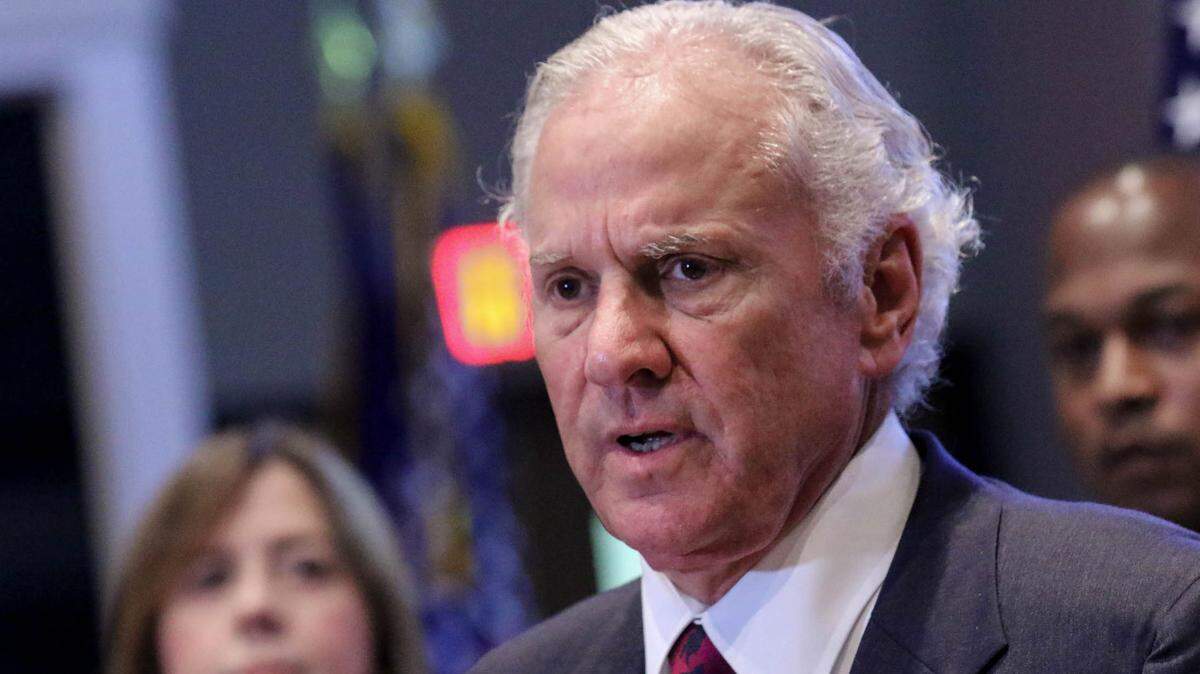
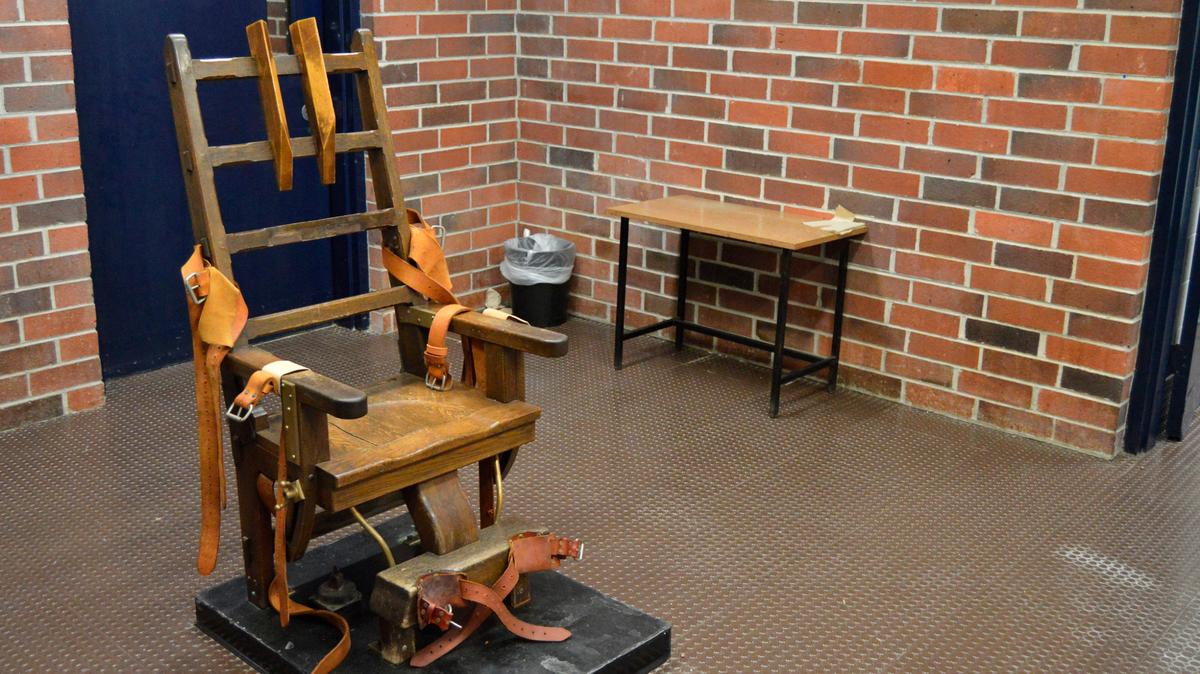
The new law, signed by Gov. Henry McMaster in late May, made the electric chair the default method of execution, with the option to choose a firing squad if available. Should the lethal injection option become available, inmates also would be able to choose that method.
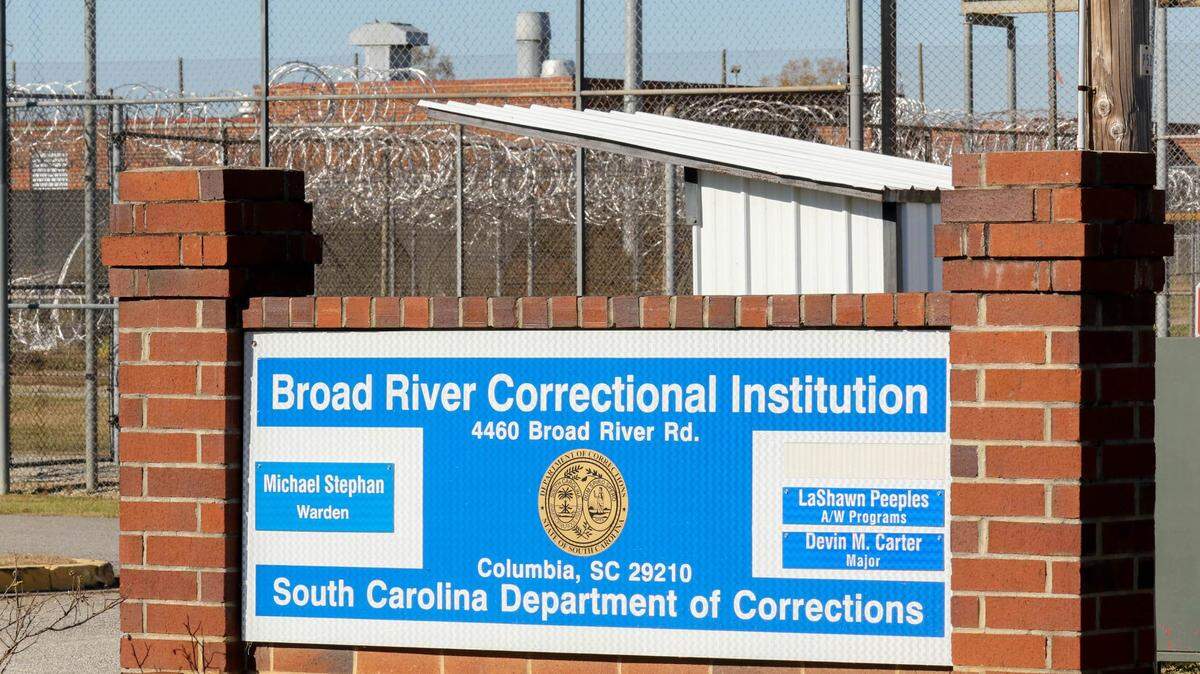
Currently, the state Department of Corrections can only offer executions by electrocution. Department officials are still creating protocols and securing the infrastructure to carry out an execution by firing squad.
Tuesday’s execution notice means that Owens will likely die by electric chair in the week following Sigmon’s execution using that same method. But while Owens’ execution date has been set by the state Supreme Court, there is still a chance it may be delayed again.
Two weeks ago, Owens and Sigmon filed a lawsuit over the change in the execution law, arguing that the retroactive nature of the law — a section that would make it apply to current death row inmates, not just people sentenced to death after its passage — is unconstitutional.
In their lawsuit, Owens and Sigmon argue that when they received their respective death sentences, South Carolina law said their death sentences would be carried out by lethal injection unless they specifically chose death by electric chair. Neither inmate selected the electric chair, so they argue that it would be a violation of their constitutional rights to make them die by electrocution.
Arguments in that case are scheduled for a June 7 hearing.
In an earlier letter to the Supreme Court, Owens’ lawyer asked that his execution be stayed while that case is still pending.
Owens’ lawyer, Emily Paavola, told The State Wednesday she is still hopeful the state Supreme Court will issue a stay of execution while Owens and Sigmon’s case is being decided.
“There are a number of significant constitutional questions that need to be resolved before executions resume in South Carolina,” Paavola said in a statement.
Owens was convicted of murder and sentenced to death in 1999 after he and his friends engaged in a Halloween night robbery spree, according to court documents and news articles during that time. Owens shot a store clerk at the Starvin’ Marvin Speedway gas station in Greenville County.
While awaiting sentencing, Owens killed a fellow detainee at the Greenville County Detention Center. A news article reported that Owens told state police he punched Lee repeatedly, stabbed him in the eye with a pen, choked him, stomped on his head and body, burned his eyes with a lighter and stabbed him with a pen up his nose.
This story was originally published June 2, 2021 at 10:37 AM.