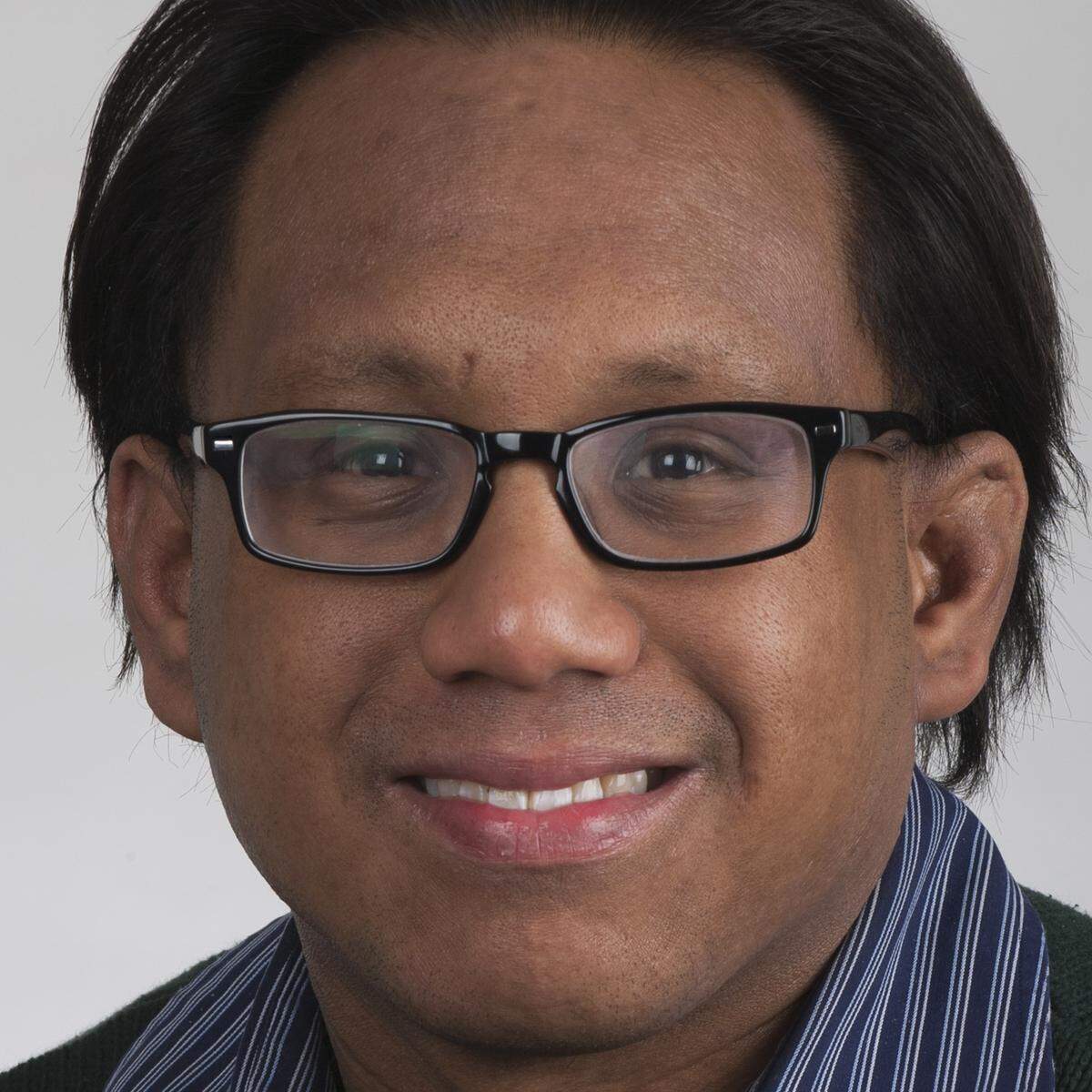
These are some of the people to watch in SC as abortion access debate fires up
If the U.S. Supreme Court overturns Roe v. Wade and leaves the decision of abortion access up to each state, South Carolina will have to decide whether to institute further restrictions beyond the six-week ban it passed in 2021.
The state does not have a trigger law that would ban abortions if the landmark 1973 decision is overturned. But a debate would most certainly take place in the state Legislature over what to do.
The possibility of the precedent being overturned became more evident after a draft opinion was leaked out of the Supreme Court May 2 that showed five conservative justices had voted in favor of striking down Roe.
Here are some key South Carolina players who could influence legislation if Roe v. Wade is overturned, or scaled back.
Gov. Henry McMaster
The Republican incumbent governor signed the six-week abortion ban — currently held up by the courts — in South Carolina about a month after the 2021 session began. He has been a proponent of restricting abortion rights in the state.
McMaster said Tuesday he is willing to call lawmakers back to Columbia for a special session to allow lawmakers to discuss abortion issues.
Currently, the state bans abortions at 20 weeks. There are exceptions, such as for the life of the mother or in the case of a fetal anomaly.
His office said he believes Roe v. Wade was incorrectly decided, and it should be up to each state to determine whether abortion should be legal.
He also filed an amicus brief on the Mississippi case under consideration by the Supreme Court, where Mississippi wants to ban abortions after 15 weeks into a pregnancy.
“There is no fight more important than the fight for life. That is why South Carolina has stood tall and fought for life at every turn and will continue to do so until the lives of the unborn are protected once and for all,” McMaster said when he filed the brief.
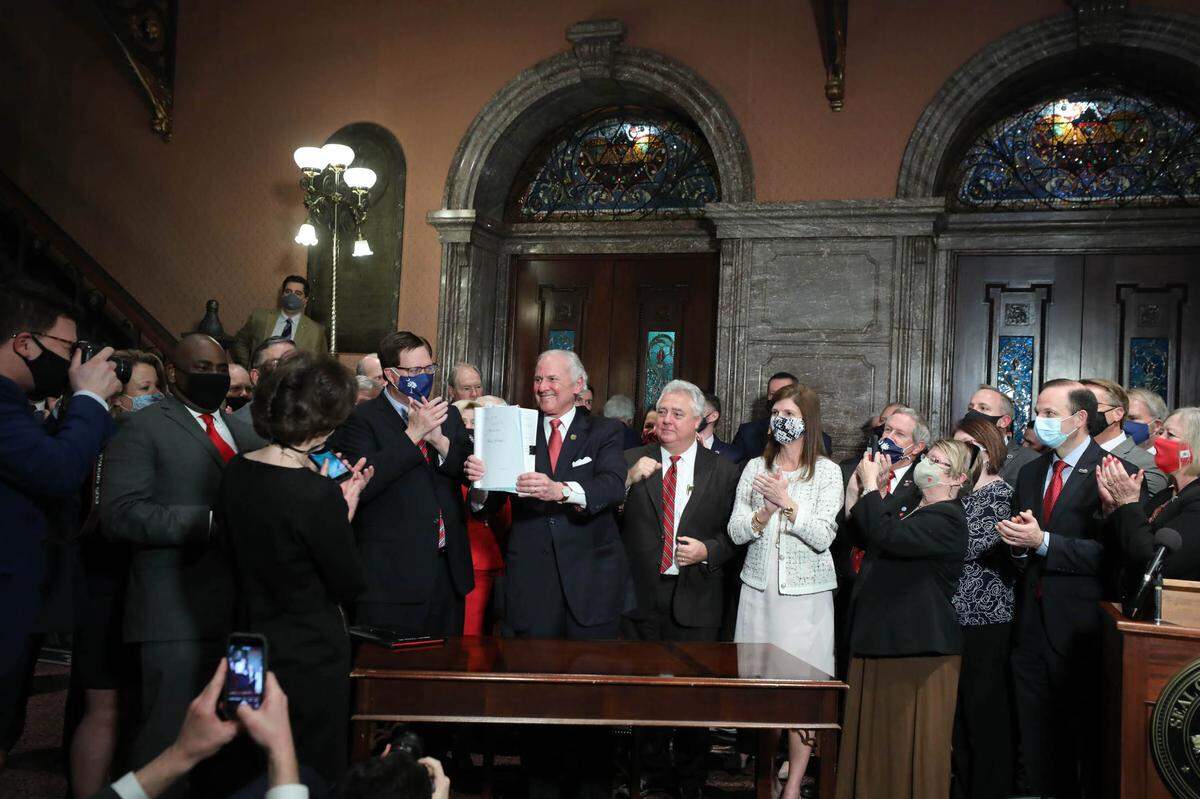
State Sen. Larry Grooms
State Sen. Larry Grooms, R-Berkeley, was the lead sponsor of the six-week abortion ban in South Carolina, which is not being enforced because of a court injunction. If efforts do go forward to further restrict abortion, Grooms said he would be involved.
“I would expect the governor would even call us back into special session, and I imagine that other governors throughout the states will call their legislators back into special session,” Grooms said.
His bill was the first major piece of legislation considered by the Senate after Republicans flipped three Democratic seats in the chamber in 2020, giving the GOP a 30-16 majority. He said during the bill signing ceremony that the legislation was a result of the 2020 elections.
“I was very grateful to the people of South Carolina for sending us enough pro-life legislators to finally pass the bill,” Grooms said. “We did not have the sufficient numbers to pass such a bill in the Senate until this past election cycle.”
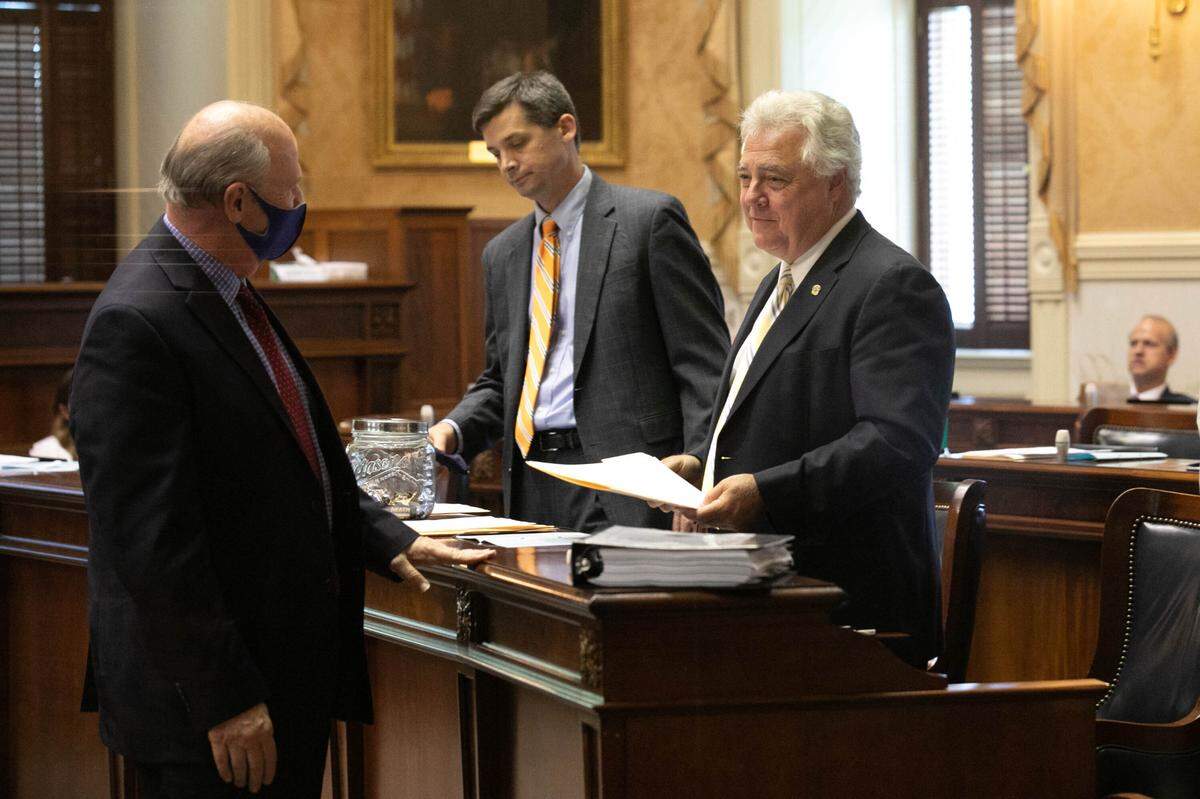
State Sen. Richard Cash
State Sen. Richard Cash, R-Anderson, who has eight children, has regularly pushed for amendments to the state’s annual budget to stop the state health plan from paying for abortions if the life of the mother is at risk, or if the pregnancy was the result of rape or incest.
He did so again this year aiming to narrow the benefit to only when the health of the mother is at-risk. His amendment was ultimately killed.
Cash has filed legislation to only allow abortions in the event the life of the mother is at-risk.
Speaker-elect Murrell Smith
State Rep. Murrell Smith, R-Sumter, is set to become the next speaker of the House on May 12, the final day of session.
He will be able to decide whether to make further restrictions on abortions a priority when he takes over leadership of the chamber. He will decide what committees legislation goes to and what committees House members are assigned to.
And if the Legislature is called back for a special session, Smith would have the influence on what legislation lawmakers take up, including whether lawmakers debate abortion issues in a sine die agreement.
The sine die agreement dictates what lawmakers can debate after the regular session ends May 12.
Smith has not indicated whether abortion would be added.
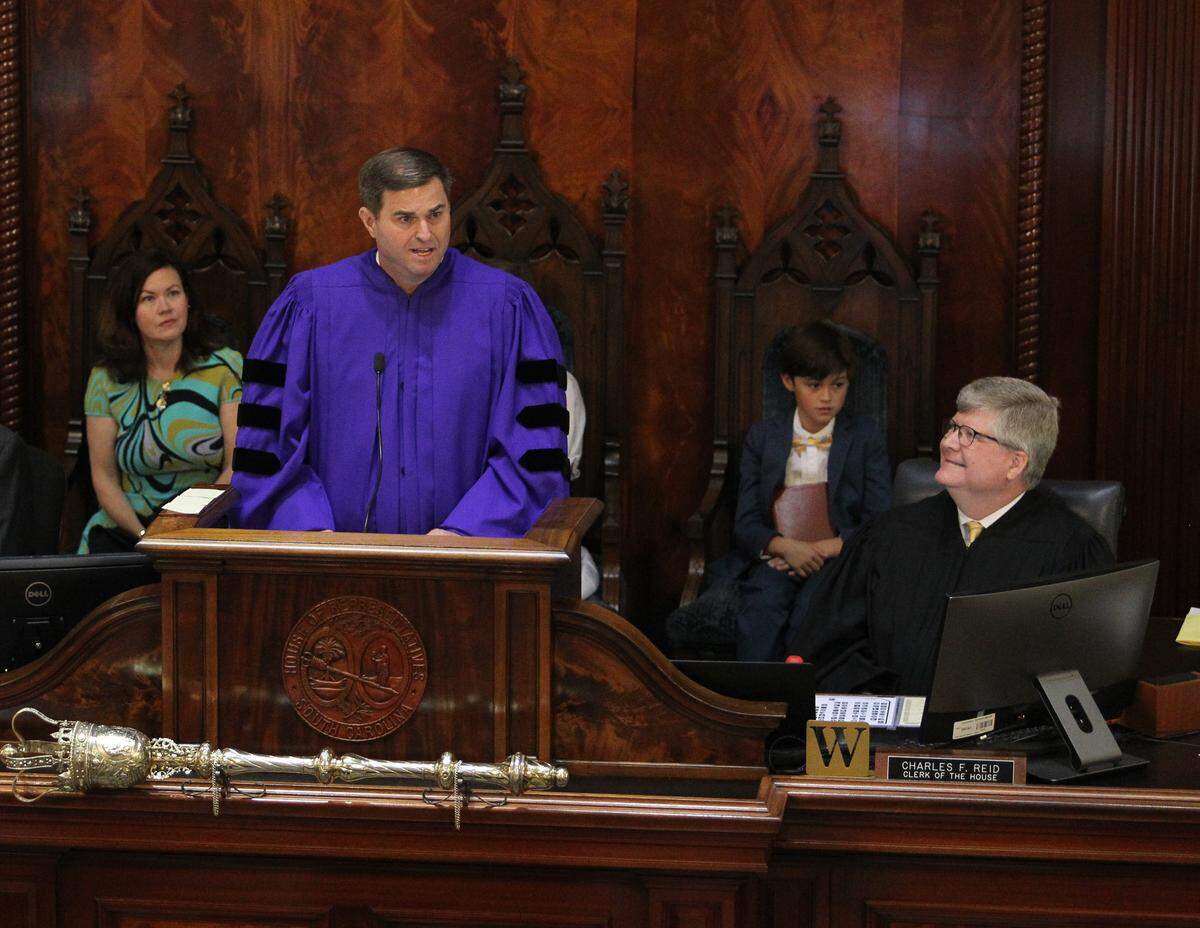
State Rep. John McCravy
State Rep. John McCravy, R-Greenwood, is the founder of the Family Caucus in the State House. The caucus has opposed abortion access in South Carolina.
McCravy has pushed for a trigger law to ban abortion if Roe v. Wade is overturned.
State Rep. Russell Ott
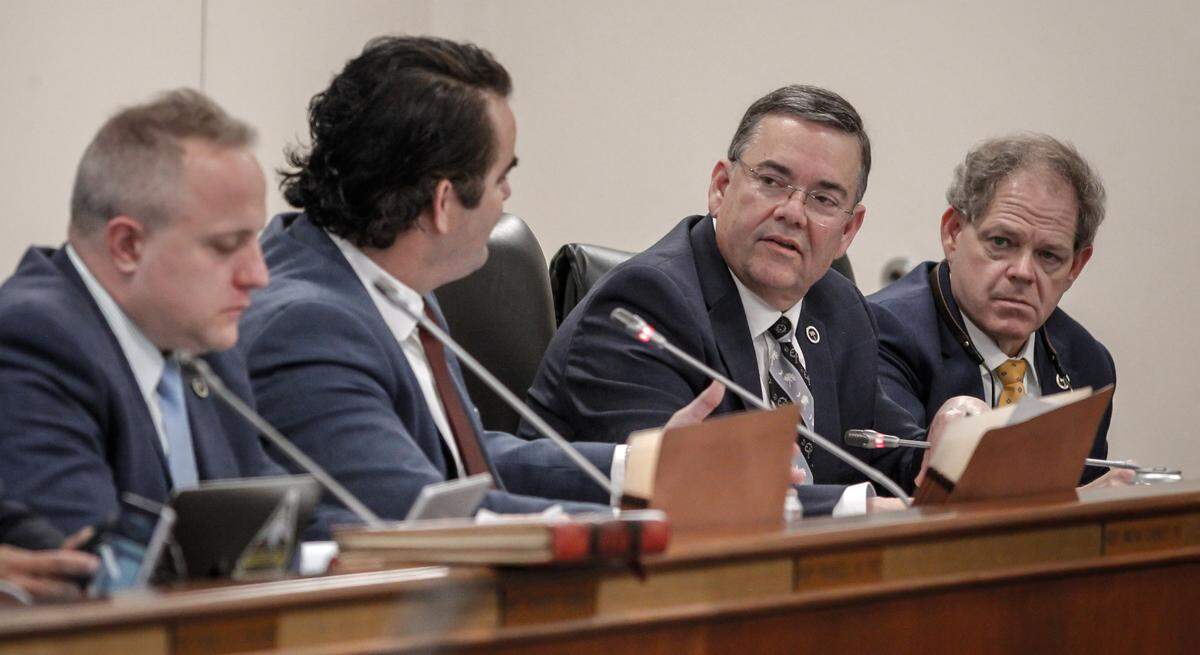
House Assistant Minority Leader Russell Ott, D-Orangeburg, was one of two Democrats to vote for the fetal heartbeat bill in House in 2021, joining almost all of the Republicans to pass the bill.
Most Democrats walked out of the chamber during the debate. However, Ott also proposed a handful of amendments to the bill.
Those amendments included preventing taxpayer money from being used to defend the law, having the Department of Health and Environmental Control provide information about services during pregnancy and after giving birth, and removing a requirement that a rape victim report the assault to law enforcement.
Those amendments were defeated.

Pro-abortion rights
South Carolina is a conservative state, so those who want to maintain access to abortion services are likely to be in the minority. However, here’s who may try to slow down and argue against abortion restrictions, if not outright bans.
State Sen. Brad Hutto
Senate Minority Leader Brad Hutto, D-Orangeburg, in 2018 was able to stop an anti-abortion bill when he took a risky step and amended legislation to ban all abortions except in cases of rape, incest or threat to the life of the mother.
It led to an hours long filibuster by Democrats in the Senate, which ultimately killed the bill in a 24-21 with a five Republicans joining Democrats in the vote.
House Republican leadership said at the time it could not support a near total ban until the U.S. Supreme Court overturned Roe v. Wade.
State Sen. Sandy Senn
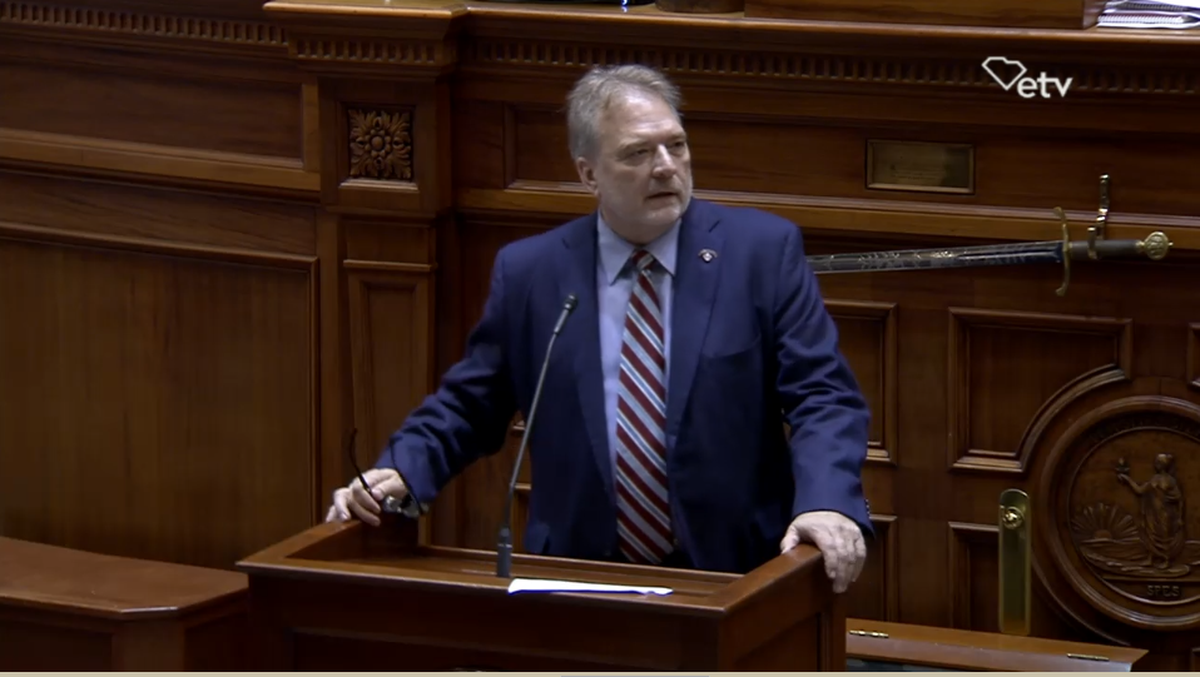
In the 2021 Senate vote on the fetal heartbeat bill, state Sen. Sandy Senn, R-Charleston, was the lone Republican to vote against it. And she has continued to advocate for abortion access this year.
Senn represents a competitive district, and won with 51% of the vote in 2020.
In March, Senn and Hutto threatened to walk out of a Medical Affairs Committee meeting in order to stop consideration of further abortion restrictions in the state. Walking out would have prevented a quorum from being present.
The legislation included banning all abortions in the state in South Carolina, and a bill to require women undergoing a medication abortion to receive information explaining the effects could be reversed if the patient changes their mind after taking the first pill of a two-pill regimen. Ultimately the committee didn’t take up either bill.
WREN, Planned Parenthood
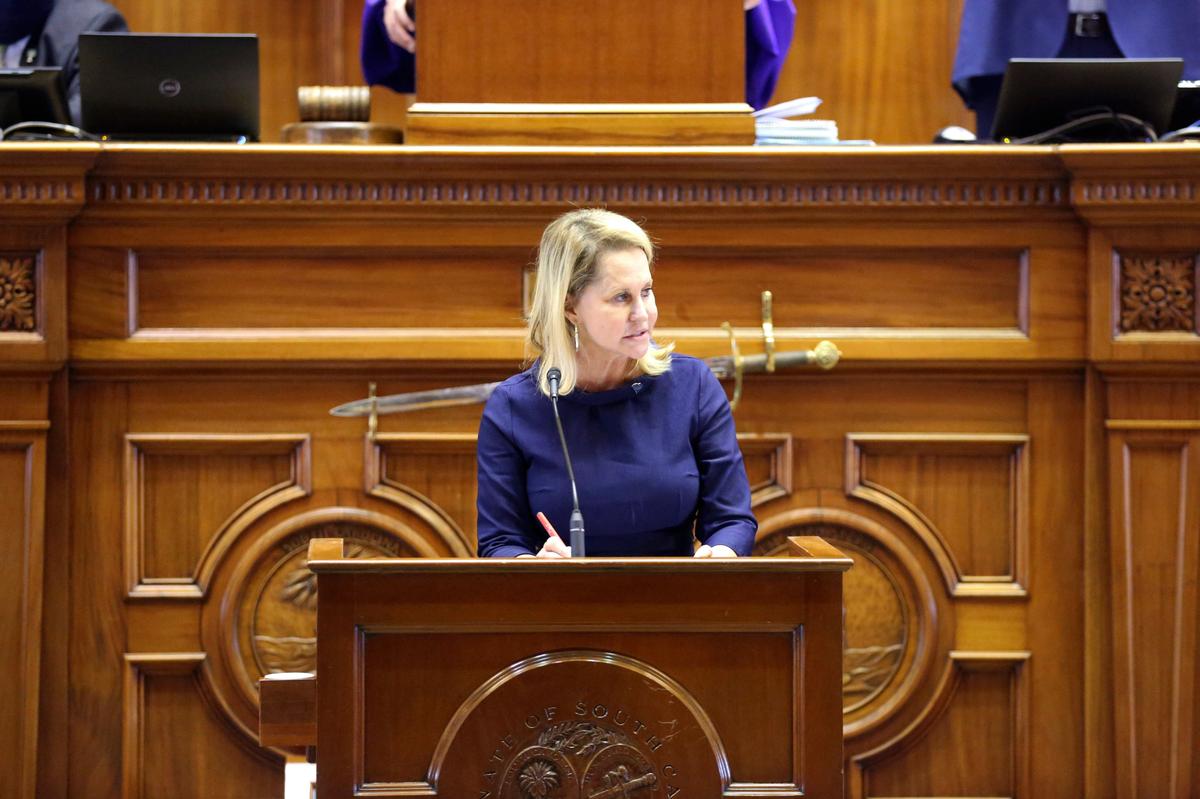
Groups such as Planned Parenthood and the Women’s Rights Empowerment Network will be among those lobbying against any restrictions on access to abortion in South Carolina.
WREN CEO Ann Warner called overturning Roe a “radical departure” from nearly 50 years of precedent as abortion access is dismantled.
“We’re gonna make sure that the people’s whose voice don’t always get heard get heard,” Warner said. “We’re going to continue to bring new faces and new voices into this debate because many of the people who aren’t in this lobby day in day out will be the most affected by any restriction on abortion access.”
“People in rural areas, people from low-wealth communities, people who are already encountering barriers and access to health care or to the political process,” Warner said. “One of our big roles is helping reduce barriers those folks have and help get them into this process and make sure their voices are heard.”