SC DJJ struggled with bad employee morale. Would $71M in facility upgrades help?
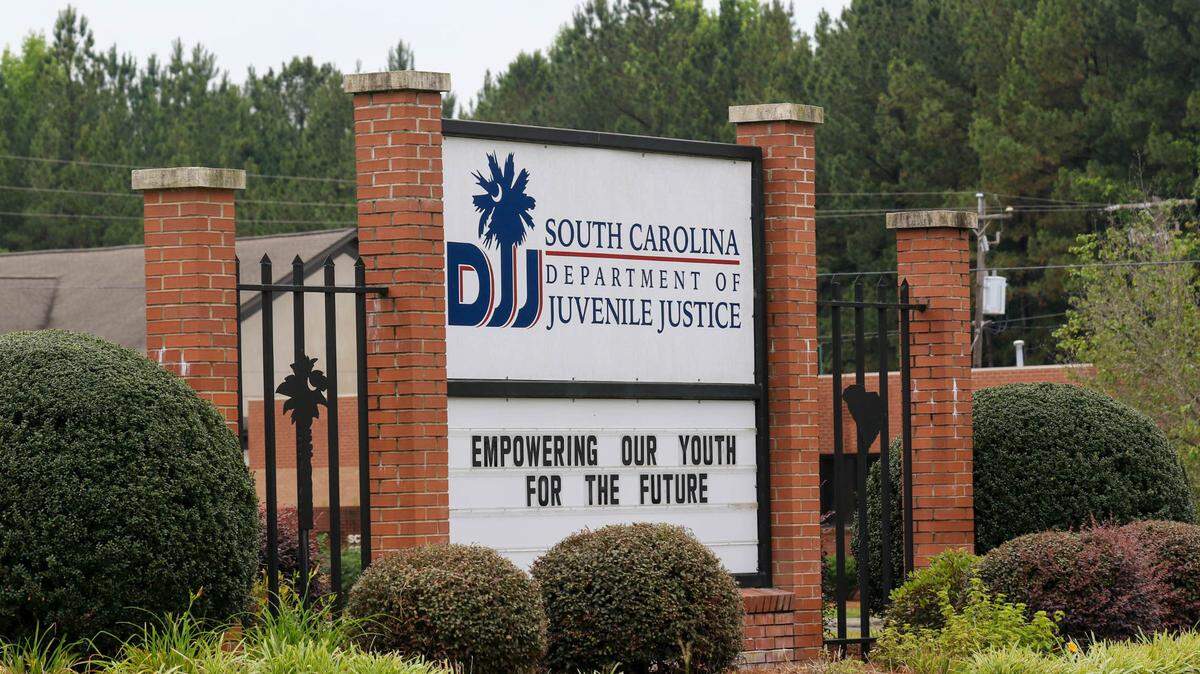
Millions of dollars could be spent on a new detention center to house South Carolina juveniles charged with crimes, as well as renovations to current facilities for the agency that oversees those children, under a state Senate budget proposal.
As a part of a $13 billion Senate budget plan to be debated this week starting Tuesday, senators are considering giving the state Department of Juvenile Justice $71 million for security and safety upgrades, a master plan and facility assessment, renovations and a new detention center.
The amount includes $28.5 million to build a new detention center and $33.5 million for upgrades, improvements and renovations of current facilities.
By contrast, the state House’s proposed budget includes only $25 million for maintenance and security upgrades at DJJ.
The juvenile justice agency has 250 acres available at the Broad River Road campus in Columbia and land available off of Shivers Road in order to grow. It also wants to put together a master plan to determine what location would be the best for a new juvenile detention center as well as how to best use it current facilities in the future.
DJJ’s current facilities are old and have mold on the ceilings, roofing issues and plumbing issues.
Because of overcrowding, the agency has youth sleeping on plastic cots on the floor at the Juvenile Detention Center.
Some youths are house at the detention center for as long as two or three years due to the dual effects of COVID and legislation that raised the age threshold at which offenders are considered adults to 18 years old for most crimes.
“Once we have kids there a long time, the lack of staffing, the condition of it is completely deteriorated,” said DJJ Director Eden Hendrick in an interview with The State this month.
In 2018, the agency requested $22.6 million to address the effects of raising the age threshold of youthful offenders, but lawmakers did not give the agency any additional money to accommodate the new law, Hendrick said.
The juvenile detention center was designed to hold juveniles for a short period of time. The cafeteria and visitation rooms are small, classrooms are small, and it doesn’t have a game room or gym.
The state’s juvenile detention center has enough space for 72 children but has had an average daily population of more than 100 every month since August. The overcrowding has been exasperated by the temporary closure of the Greenville County’s juvenile detention center, which could reopen in July after dealing with staffing shortages.
The youth don’t have personal space. In recent weeks when the population doubled the intended facility capacity, DJJ moved some youngsters to an additional facility that was built in the 1970s.
“We are going back in time,” Hendrick said.
Poor working conditions for staff combined with low pay in previous years has led to low employee morale at the agency. At one point in 2021, employees, under previous leadership, staged a walk-out to protest their conditions.
Since then, DJJ employees have received raises, but Hendrick is now focusing on improving working conditions.
“If we’re going to encourage people to get their family members and friends to come work, we need a better place for them to work. And I think that would help the attitude of the youth that we put in these facilities,” said state Sen. Katrina Shealy, R-Lexington. “We don’t want to incarcerate everybody, but we would like to have a facility that’s clean and well kept for our youth.”
Upgrades to the facilities weren’t being pushed for by the previous leadership, said Shealy, an advocate for improvements at DJJ and a vocal critic of the previous leadership.
“These are things that should have been done in the past that weren’t done because they weren’t asked for,” Shealy said.
While building a new facility could take three to four years, Hendrick also wants to make sure what’s currently being used is up to snuff.
As part of the Senate spending plan, budget writers propose $33.5 million for upgrades, improvements and renovations on the current DJJ facilities. The Broad River Road complex has some buildings built in the 1950s.
“In the meantime, we have to fix the buildings we’re in. I can’t let these buildings be in this shape for four more years while we’re building another one,” Hendrick said. “I have to do the best I can to make the buildings we have safe. It’s hard to invest money we know you don’t want to use, but I have to do it. I have to fix what’s in front of us.”