SC prosecutor wasn’t allowed to speak up while lawmakers scolded him. Now, he wants debate
Two key state officials who are at odds in the growing debate over how to best select judges in South Carolina have agreed to try to clear the air after tension has risen.
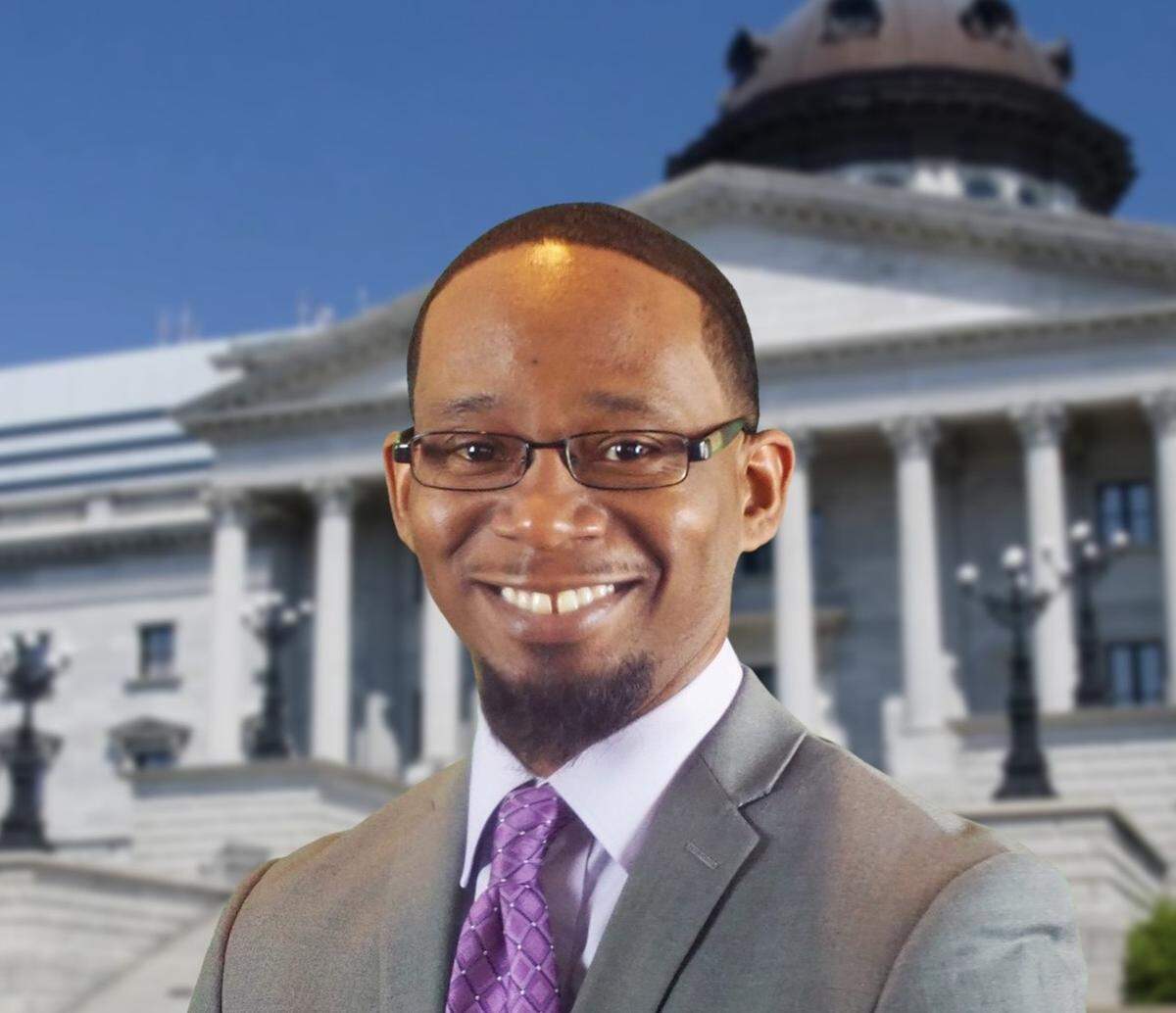
First Circuit Solicitor David Pascoe on Monday invited state Rep. Micah Caskey, R-Lexington, to participate in a town hall or debate to further share with the public their stances on the judicial selection process in South Carolina. Although Caskey and Pascoe have agreed to engage, so far the event is tentative but could take place in Lexington County as early as January, according to Pascoe.
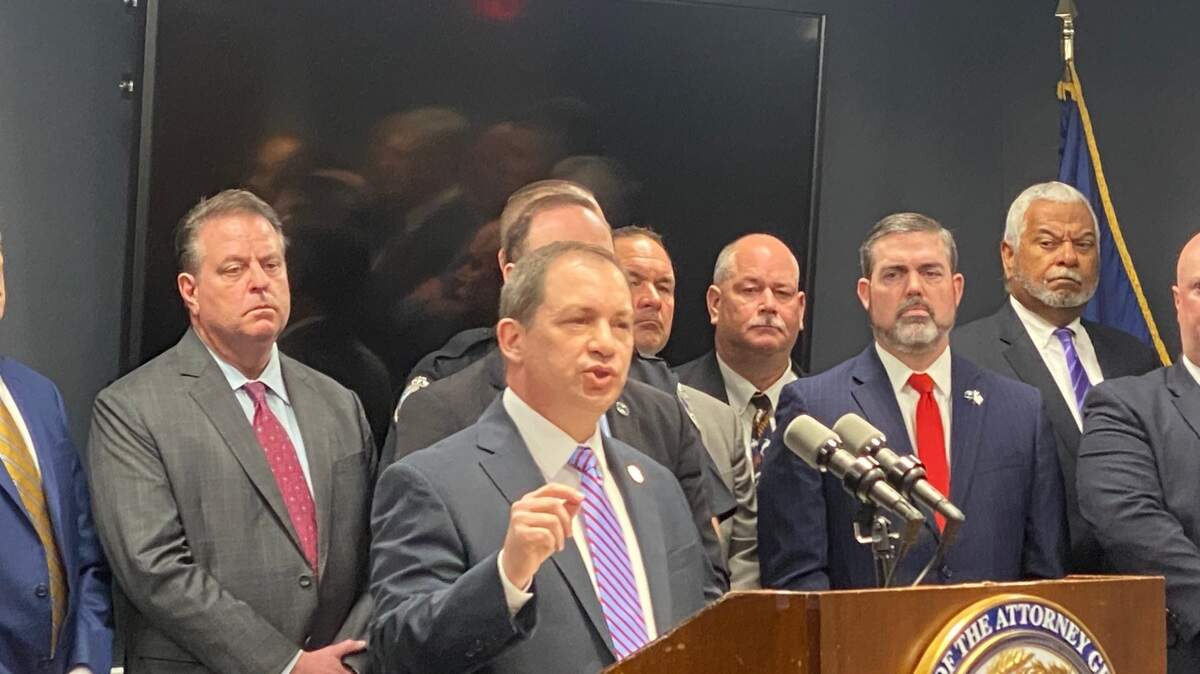
The potential forum follows a recent Special House Committee meeting on judicial reform, where Pascoe and 16th Circuit Solicitor Kevin Brackett were scolded by a panel of House lawmakers, including Caskey. Those lawmakers bristled in response to examples previously offered by Pascoe and Brackett of undue influence by lawyer-legislators who sit on the powerful Judicial Merit Selection Commission, which vets and recommends judges for appointment in the state. Caskey, a lawyer himself, also is chairman of the JMSC.
Several lawmakers levied criticisms against the solicitors about examples the solicitors had given of lawyer-legislators, current and former, using their power to influence the judicial selection and re-selection process. And some had questions about how recommendations for improvement offered by the solicitors would actually prove effective.
Brackett and Pascoe, however, were not allowed to respond during that meeting, at the direction of House Speaker Murrell Smith, R-Sumter, according to sources close to the speaker’s office and Pascoe.
“We knew going into it that we probably weren’t going to be afforded an opportunity to talk,” Pascoe said. “I agreed with 90 to 95% of what many of the committee members stated, and I wish I could have been able to answer their questions. But I strongly disagree with a lot of what JMSC Chairman Micah Caskey had to say.
“I think since they suppressed us from being able to speak at the ad hoc committee last week, it would benefit the people of this state to have me and Micah Caskey either debate the issue of JMSC reform or have a town hall, and I’m very willing to do it in his backyard” in Lexington County, Pascoe said.
Specifically, Caskey said Pascoe had selectively characterized his testimony about Circuit Judge Kristi Harrington’s reelection troubles before the JMSC in 2017. Pascoe claimed that Harrington was unfairly berated and intimidated by the JMSC, which ultimately led to her withdrawing from the race. Caskey, however, said there were others factors with Harrington’s candidacy that Pascoe failed to mention, in the interest of highlighting “rotten JMSC actions.”
Harrington was a flawed candidate, Caskey said, “and it doesn’t necessarily follow that this was the product of back-room dealing.”
Critics of South Carolina’s current system to elect judges say that lawyer-legislators systematically leverage their positions to wield undue influence over state judges, skewing the state’s courts in favor of those who can make or break a judge’s career.
In particular, Pascoe has argued that lawyer-legislators should be prohibited from serving on the Judicial Merit Selection Commission — a 10-member body charged with considering judicial candidates’ qualifications — to significantly help reduce the potential for influence over judges by lawyer-legislators.
Caskey, on the other hand, says he’s unsure whether removing lawyer-legislators from the JMSC would fix the perception of improper influence and that a more careful analysis of the problem is needed in working toward a solution.
“I think my biggest piece in this is that I’m open to all the changes,” Caskey said. “I’m just not going to say, ‘Let’s do it just because change is necessarily better.’ I think that we ought to be very careful and thoughtful about how we do things. And that’s my approach.”
Pascoe said he’s already been invited by a group of Republican activists in Lexington County to give a presentation on judicial reform, which he accepted. Now that he’s recruited Caskey to participate, he said he hopes organizers are willing to convert the presentation into a town hall so that the public can “get to hear both sides of the debate instead of just my presentation.”
Caskey said the town hall needs to include an independent party who explains at the outset of the event how the judicial selection process currently works.
“I think there are a lot of people, including members of the (Special House) committee, who did not fully understand, and some who still do not fully understand what the process looks like,” Caskey said. “So, as long as we could start from a common information platform, it might be good.”
This story was originally published December 19, 2023 at 5:30 AM.