$200M wanted for new juvenile detention center amid ongoing challenges at SC’s DJJ
The state agency that struggles to care for juvenile offenders wants lawmakers to spend $200 million to upgrade facilities as well as spend more money to eliminate pay disparity for some of its employees.
The Department of Juvenile Justice’s budget request comes after a new report showed the agency continues to have challenges following a 2021 Legislative Audit Council report found significant failures that threatened the safety and well-being of children and staff.
DJJ Director Eden Hendrick said her agency’s budget request was not specifically based on the audit council’s report, but rather to improve the agency and its operations.
“The whole goal of the legislative audit was to make us a better agency, to serve kids better, have better outcomes for kids, and the entire budget presentation is for that,” Hendrick said in an interview this week with The State. “We worked hard with them. I understand their position. I understand they’re doing their job. We’re doing our job.”
Since taking over DJJ in 2021, Hendrick has worked to turn the agency around. She advocated for the construction of a facility for the juvenile offenders with severe mental illnesses. Construction on that facility is ongoing.
Her next goal is building a new detention facility as the current Shivers Road facility is in poor condition and regularly over its 72-juvenile capacity. A new facility would potentially go on the agency’s Broad River Road campus.
“Because our most immediate issue is the condition and the overcrowding of the detention center, the first thing we need to do to start the master plan process is to build the detention center,” Hendrick said.
A new detention center, estimated at $200 million, would house juveniles in custody as their cases work through the court system and before they receive a sentence.
The new detention center would hold at least 120 juvenile offenders and have intake, an infirmary, food and laundry facilities, while also work toward consolidating the agency’s facilities into one location, budget documents say.
On Monday of this week, 115 juveniles were being held in the DJJ detention center, with 13 of those juveniles at the long-term facility. The 115 is a low number, Hendrick said.
“It can go up to 140,” Hendrick said.
At times, children in the agency’s custody have to sleep in plastic cots on the floor because of overcrowding.
But designing and constructing a new detention center could take as long as five years.
Just making cosmetic changes, like painting a wall, can’t take place at the detention center because of overcrowding, she said.
Lawmakers gave DJJ $15 million towards building a new detention center in the current year’s spending plan. Hendrick plans to use that cash to build a new infirmary and intake center to support a detention center.
Before spending that money, DJJ needs to know if lawmakers want to consolidate operations onto Broad River Road as recommended in the agency’s master facility plan.
DJJ would prefer to have its Midlands operations at its Broad River Road campus.
“Ultimately, we would have a building that’s flexible that can be used for many different things,” Hendrick said.
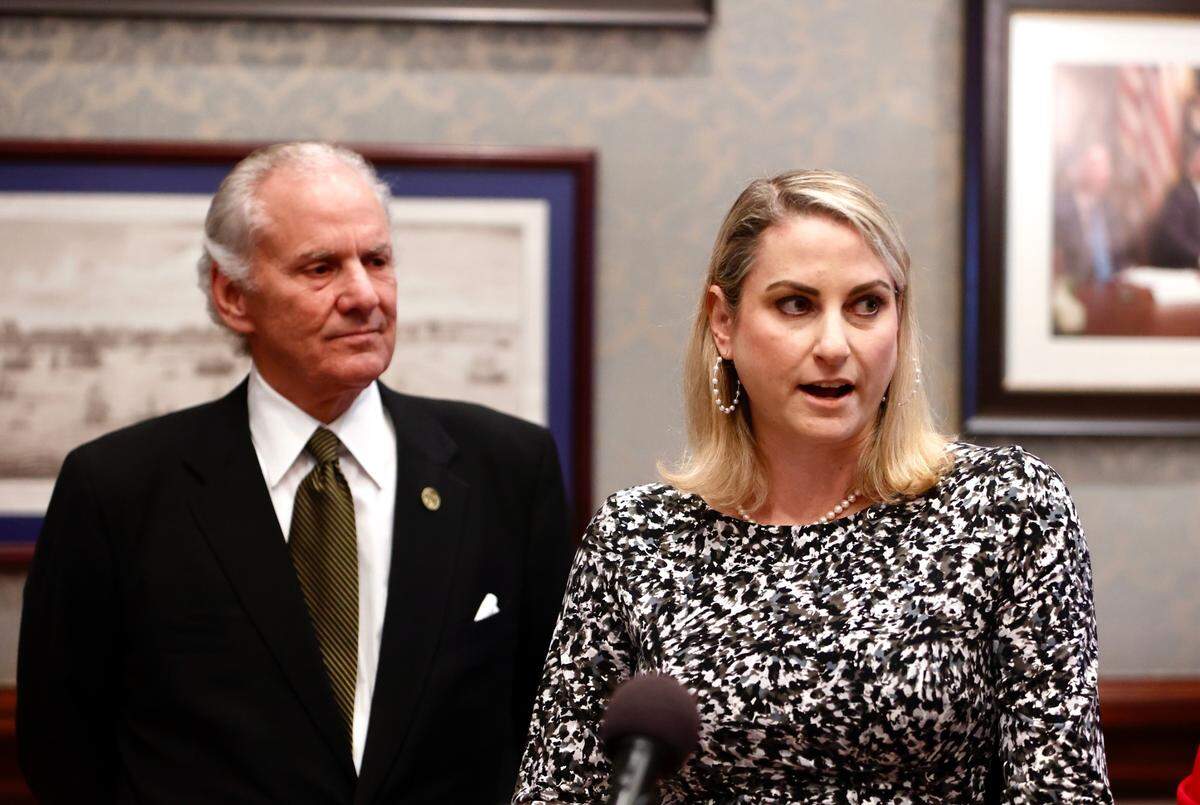
“I don’t think it would be worth any money to add on to that (JDC) building, but if that’s all we can do, then that’s all we can do,” Hendrick said of the current outdated detention center.
The agency also has been challenged by Greenville and Richland County closing their local juvenile detention centers. Recently the agency leased 22,000 square feet from Greenville County to house youth detained by police. But staffing will be carried out by a private company, which is already budgeted for, Hendrick said.
Greenville’s modern facility, which was closed because the county shifted resources to its adult detention, can house up to 47 juveniles. DJJ expects to have no more than 40 juveniles in the detention facility, Hendrick said.
“Anything is better than putting more kids in the JDC (Juvenile Detention Center),” Hendrick said. “I have got to get those kids out of JDC, just so I can paint the walls at some point.”
The agency developed plans on how to best use its current 1,550 acres and 155 buildings, which were built between 1920 and 2008. About 60% of the agency’s buildings are more than 50 years old, have outdated systems and are in disrepair because they were not appropriate maintained.
“It is just so spread out,” Hendrick said. “We have just buildings everywhere, and nothing is really strategically placed or organized.”
The agency’s budget request appears to aim to address issues brought up in the latest audit report.
DJJ agency vacancies increased between October 2023 and February 2024.
In order to retain employees, DJJ asked lawmakers for $2.4 million to improve retention and recruitment of its staff.
“Staff are leaving for opportunities with higher pay and more flexibility,” DJJ wrote its budget request.
The agency also wants to eliminate pay differences between employees. Broad River Road complex and juvenile detention center employees make about $3,000 more a year than those who work at evaluation centers, Hendrick said.
“It is creating a huge morale issue. (Midlands Evaluation Center) and JDC are next door to each other, so they help out each other a lot,” Hendrick said. “I want to to have everybody equal. So that’s why I need more money. So I want everyone to have that $3,000 just become part of their normal salary.”
The agency also wants $1.5 million to keep up with the cost of paying nurses to staff DJJ.
Hendrick also asked for $1 million to raise the starting pay for community services staff to $48,400 a year. These staff members are tasked with intake, detention, probation and parole.
The agency asked for $420,000 in increased funding for teen after school centers to cover costs, and $640,000 to cover increased costs of the juvenile arbitration program, which works as a community-based diversion program.
“We want to increase front-end services, focus on the front-end services to decrease detention,” Hendrick said.