In-state college tuition rates have been frozen in SC for 5 years. That may change
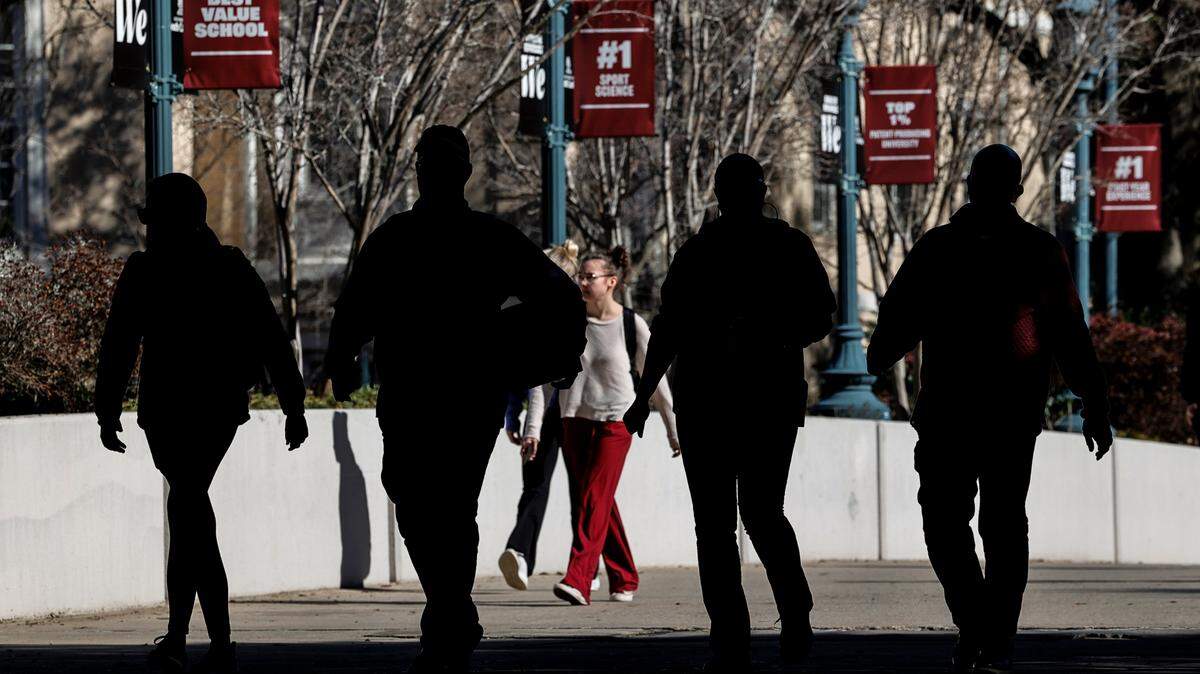
For five years in a row, in-state students at the state’s public colleges and universities have paid the same tuition rates in part because lawmakers set aside millions of dollars for tuition mitigation.
But the state’s public institutions of higher learning say the money from the General Assembly to keep tuition rates frozen hasn’t covered rising operating costs.
Now the House budget proposal is slated to include a provision that will allow state institutions to increase tuition rates on future students.
Under the one-year law attached to the annual budget, which was approved by the House Ways and Means Committee as part of a $14.6 billion spending plan, colleges would only be required to freeze tuition rates for currently enrolled in-state students. This would allow schools to increase tuition for future students.
But it also would set the tuition rate for a student for the entire time they’re continuously enrolled in the school. So a student would know his or her tuition rates for the four years they’re in school. Student activity, health and wellness, and other auxiliary fees, however, can be increased.
“We want to give (colleges) some sort of flexibility, because it’s a broken model,” said state Rep. Nathan Ballentine, R-Richland, who oversees higher education spending on the House Ways and Means committee.
The House is scheduled to debate the budget the week of March 10 before sending it to the Senate for its consideration.
Figuring out how much money the state should set aside for tuition mitigation has been a point of contention in recent years with wide disparities between the governor’s office and colleges in how much to give.
For this year’s budget discussions, for example, the state’s traditional colleges and universities asked for $99.6 million for tuition mitigation. The governor’s office recommended $28.9 million in his executive budget.
House budget writers proposed $53.2 million. The Senate Finance Committee may have its own recommendation.
Because each uses its own method, Gov. Henry McMaster even recommended a standard formula to figure out how much to spend on tuition mitigation.
McMaster suggested in his executive budget taking the total in-state tuition and fees and multiplying it by the annual Higher Education Price Index and multiplying that product by the the total number of in-state undergraduate students.
McMaster’s office in a statement released on social media Thursday said the governor is opposed to any tuition increases, citing the money given to universities for tuition mitigation and additional hundreds of millions of dollars to support schools’ missions, improve facilities and expand campuses.
“To then turn around and raise tuition and fees on the sons and daughters of South Carolina is an incredibly bad idea and is politically tone-deaf,” the governor’s office said in a statement.
It’s the same position he took last year when Senate budget writers proposed allowing schools to raise tuition by 2%. The Senate later backed off from that idea.
Under the current system, when the schools accept the tuition mitigation money, they have to freeze tuition rates for in-state students.
South Carolina lawmakers have included paying for tuition mitigation to address the rising costs of a college education for the last five years.
“We just want to make sure it’s still affordable. I wish it could stay frozen, just like I wish the price of eggs ... and gas, but they’re going to go up,” Ballentine said.
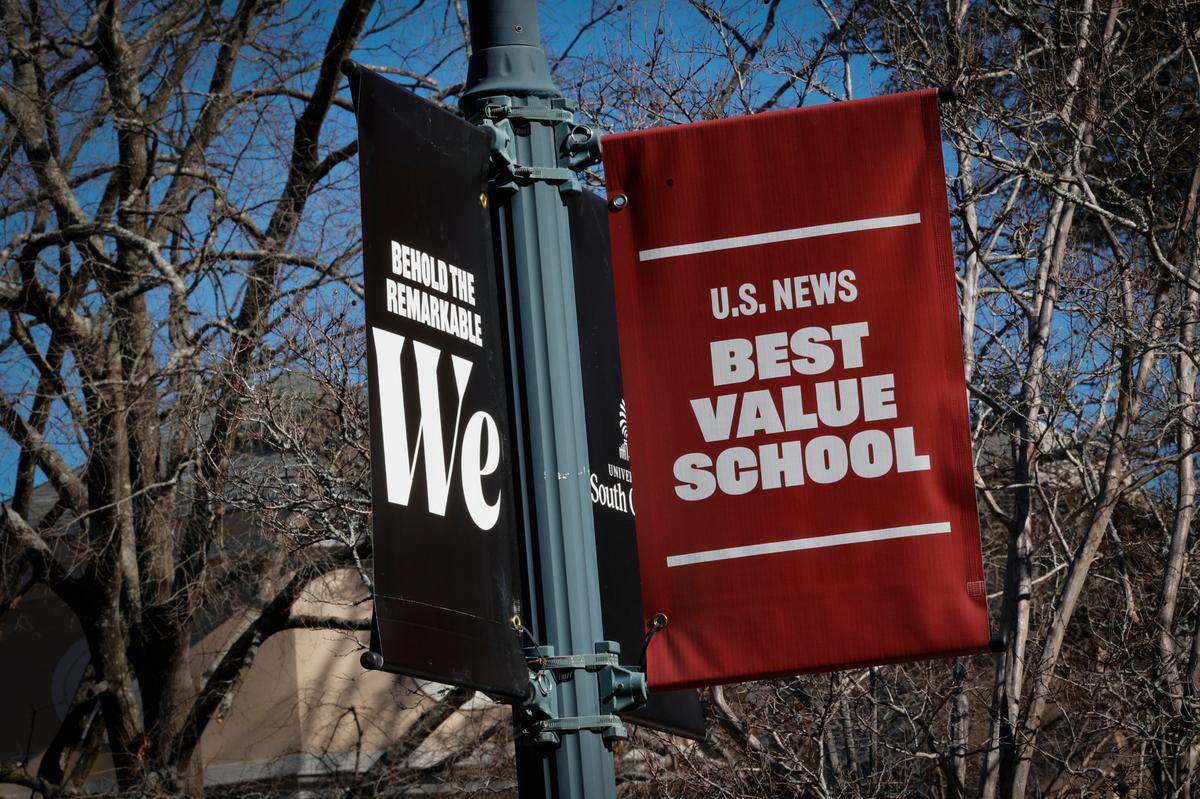
But the dollars sent to schools have not been enough to cover all of their rising costs, college presidents said.
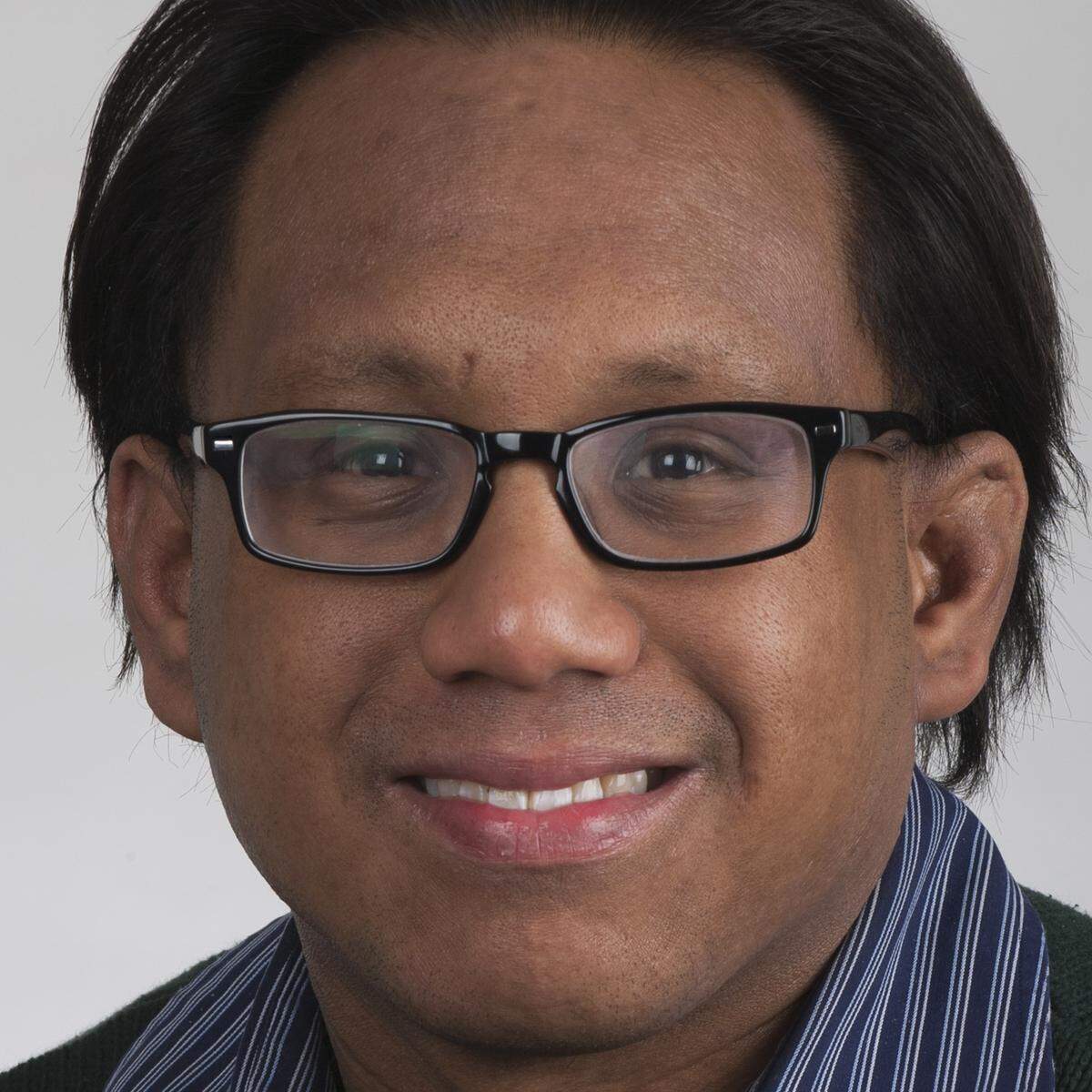
“While we’re extremely appreciative of the tuition mitigation funds and other one time investments that the state provides us, those (dollars) do not cover all the mandatory and the inflationary cost increases that we increase year after year,” College of Charleston President Andrew Hsu told House budget writers earlier this year.
In the 2024-25 budget, the College of Charleston asked for $5.6 million in new annual dollars for on going cost of operations. It received $3.9 million for tuition mitigation. Clemson University asked for $21.1 million in new annual dollars for tuition mitigation, but received $12.7 million.
The restriction on tuition mitigation money doesn’t apply to out-of-state students. Out-of-state tuition rates can increase. For example, the College of Charleston, in the last four years, has raised out-of-state students tuition rates by 3% to 4% a year.
“The out-of-state student is paying a much higher tuition to subsidize our education of our South Carolina citizens, however, I don’t think it’s a sustainable model,” Hsu said.
State Rep. Gilda Cobb-Hunter, D-Orangeburg, who sits on the House’s budget-writing committee put it more bluntly.
“Out-of-state students are carrying the brunt of keeping our schools open,” Cobb-Hunter said.
At the University of South Carolina, the 2024-25 tuition and required fees for in-state students is $6,344 per semester. For out-of-state students its $17,986.
At Clemson University, in-state students pay $7,560 in tuition and fees per semester. Out-of-state students pay $20,216.
At the College of Charleston, an in-state student taking 21 credit hours in a semester would pay $6,889 in tuition and fees. An out-of-state student pays $19,748.
Hsu also argued that South Carolina has a limited number of college-ready students that universities in the state compete for. As Clemson and the University of South Carolina also try to grow their number of in-state students, it stresses the systems of other schools.
“I understand their pressure of growing their in-state numbers, but as they grow that puts considerable pressure on the other 31 South Carolina higher education institutions,” Hsu said.
This story was originally published February 21, 2025 at 10:36 AM.