Future in-state college students may get reprieve from tuition rate increases
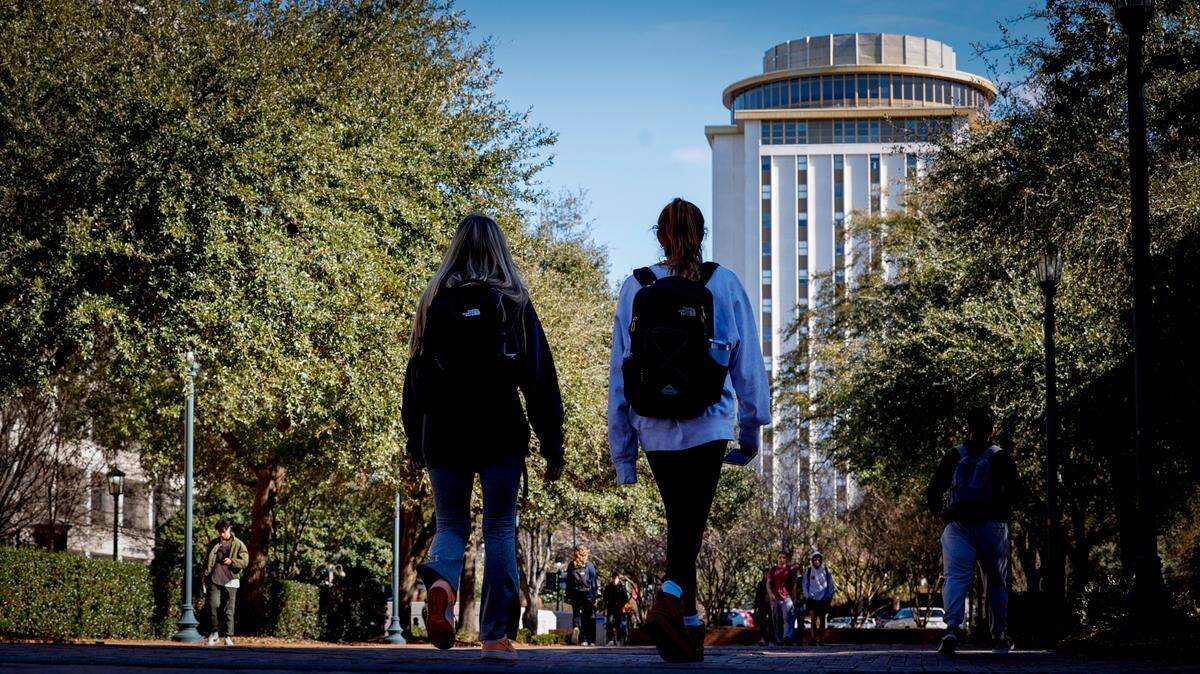
Whether future in-state college students in South Carolina could pay higher tuition rates appears to be headed to for a debate in an eventual conference committee on the budget later this spring.
Senate budget writers backed away from a plan pushed by the House to allow schools to increase tuition on future students, instead reverting to a plan that says not to raise tuition rates in any manner.
The House approved a proviso that allows for increases on future students, but would still allow families to know tuition rates for four years. A proviso is a one-year law attached to the annual spending plan that directs agencies and state colleges how to spend money.
“Well it treated incoming freshmen different than sophomores, juniors and seniors. I didn’t think that was right. And here again, the governor wasn’t excited about it either. So I listened to him. I don’t obey him, but I listen to him,” Senate Finance Committee Chairman Harvey Peeler said.
Peeler added lawmakers have encouraged schools to find ways to be more efficient in spending money.
“We’re nudging higher ed to clean up their own backyard,” Peeler said.
After House budget writers proposed the plan, Gov. Henry McMaster said he would veto the proviso, which could have forced lawmakers to come back to try to override.
“We’re not going to unfreeze tuition, we’re not gonna raise tuition on our young people. That’s, that’s worse than raising taxes on the workers,” McMaster told reporters last week.
A Senate Finance committee panel approved a proviso that gives colleges an additional $55.2 million in annual money to cover ever-rising costs with the condition they freeze tuition rates.
The House approved $53.2 million in annual dollars for tuition mitigation.
How much to send to the state’s public universities will eventually need to be worked out in the conference committee.
State universities had asked for an additional $99.6 million annual dollars to freeze tuition rates.
“We’re providing millions of dollars to our universities, millions and we’re providing mitigation to eliminate the necessity to raise tuition. And I think that raising tuition on anybody, even if it’s just the freshman class is a bad idea and a good subject for veto consideration,” McMaster told reporters in February about the House version of the proviso.
McMaster said the tuition mitigation money is meant to keep schools from raising tuition rates and added the schools need to take actions to cut expenses.
“I don’t believe that they’ve taken the effort to cut those expenses, but we’re not gonna raise tuition on the young people,” McMaster said.
Schools have to wait until the budget is finalized to see what type of parameters they have to work with when it comes to revenue and whether to continue with freezing tuition rates. If schools take the tuition mitigation money, they cannot raise tuition rates.
“Specific to the tuition mitigation proviso contained in the House version of the budget, Clemson supports language that allows for greater flexibility. We look forward to exploring how this cohort model would positively impact the University and remain fair to our students,” Clemson spokesman Joe Galbraith said in a statement to The State on March 13.
Universities also are approaching the time of the year when they will be setting their budgets for the upcoming fiscal year.
“We’re hopeful we’ll have a discussion about tuition mitigation. If it stays where it is, we’ll have that discussion with the governor’s office and the General Assembly about what we do,” USC Board Chairman Thad Westbrook told reporters in February after the health science campus groundbreaking ceremony.
“We’ll know where we are in early June based on what the General Assembly does. So we’ll see,” Westbrook added.
State Sen. Ronnie Cromer, R-Newberry, who oversees higher education spending on the Senate Finance Committee, was initially in favor of the cohort model that allowed increased rates on future students, while continuing freezes on current students.
“The existing students have either borrowed money or they have already saved money based on what they knew was going to be the tuition for four years without the college (costs) going up,” Cromer said.
Cromer agrees that tuition rates should be frozen, but colleges also need more money than the General Assembly is providing, because the tuition mitigation money isn’t enough to keep up with increasing costs.
“We also realize that there’s so much inflation going on right now that the colleges and universities, even though we’re giving them some tuition mitigation money, that they are still under the gun to meet their budgets,” Cromer said. “If we don’t significantly increase tuition mitigation money, they’re over a barrel.”
This story was originally published April 10, 2025 at 5:30 AM.