SC budget on path to keep lawmaker pet projects out of next year’s spending plan
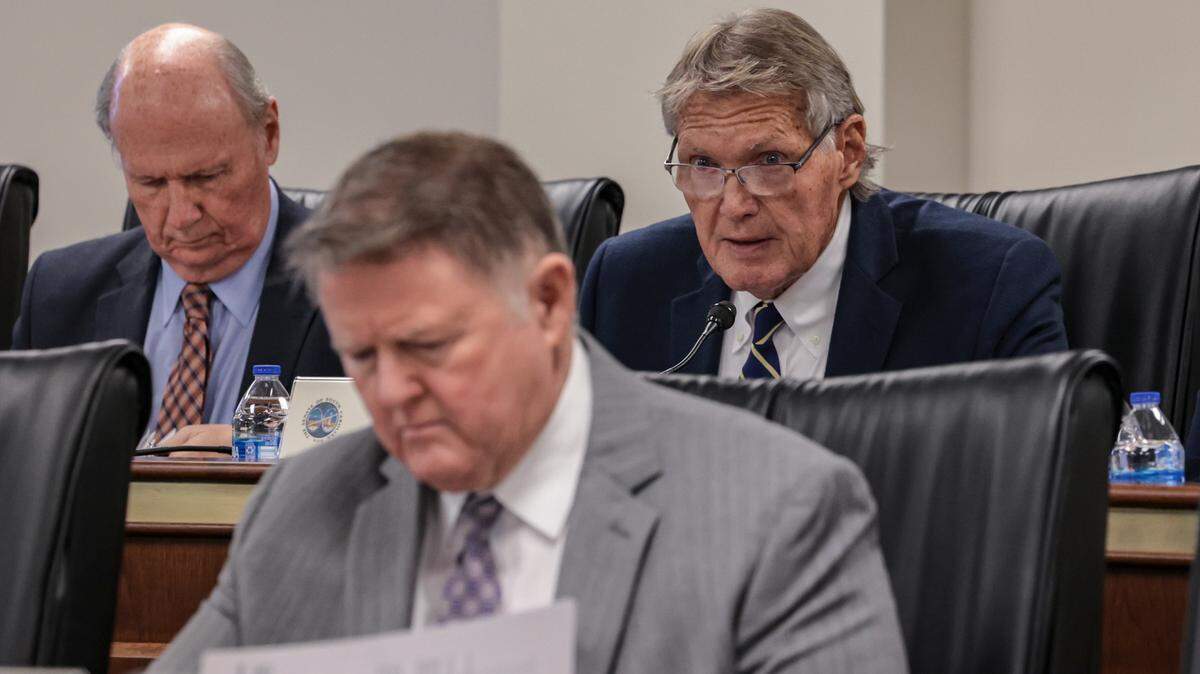
For the time in several years, lawmakers hoping to direct spending to specific pet projects in their districts are out of luck.
The Senate Finance Committee approved a budget proposal that includes no earmarks, referred to as community improvement projects directed by members. The House budget chairman said he plans to follow suit.
The Senate Finance Committee’s $14.4 billion spending plan now goes to the full Senate for consideration starting April 22. The spending plan sets aside enough money to bring the state’s top income tax rate to 6% from 6.2%.
The lawmakers requests for community investment projects, which are one-time money given to local governments or nonprofits, can turn into headaches for budget writers trying come to an agreement on a balanced spending plan.
Members can often use the earmarks to gain goodwill in their districts by showing they’re bringing back dollars to their community.
In the 2024-25 budget, lawmakers included more than $400 million in projects, including $4 million toward construction of a recreation facility in Clover, $5 million to help eliminate railroad crossings along Assembly Street in Columbia, $5 million for renovation and expansion of the Bon Secours Wellness Arena in Greenville, $4.25 million to the city of Walhala for its police station. In the previous year, more than $700 million in earmarked spending was included in the spending plan.
Having no community investment projects across the board keeps the two chambers from comparing who benefited more in terms of volume of projects and dollars. Some lawmakers are also able to get higher amounts of earmarks depending on their seniority or position in the chambers.
“They’ve gotten out of hand over the years, the increase of requests and the volume, they’ve gotten out of hand,” said Senate Finance Chairman Harvey Peeler, R-Cherokee. “So the best best thing to do is just not fund earmarks.”
When the House approved its version of the budget in March, it did not include any earmarks. In recent years, House members have added their earmarks during its second turn at the spending plan before going to a conference committee.
Not funding earmarks allows the lawmakers and staff to focus on the tax reform proposal aimed at further lowering the state’s published tax rate. Lawmakers concede that the flat tax proposal may not pass until next year.
Peeler said he would hope not to have earmarks in future years as well, but floated the idea of having a competitive grants process that would give local governments more of a chance to benefit.
“Nonprofits, like anything, you start out and it’s good for the common good, yet it had gotten out of hand,” Peeler said.
Not having earmarks allows the state to keep money saved away for any possible economic downturns.
“So, we’re preparing for maybe a slowdown for a while, but I hope we don’t need it. That’s another, another reason why stop funding earmarks,” Peeler said.
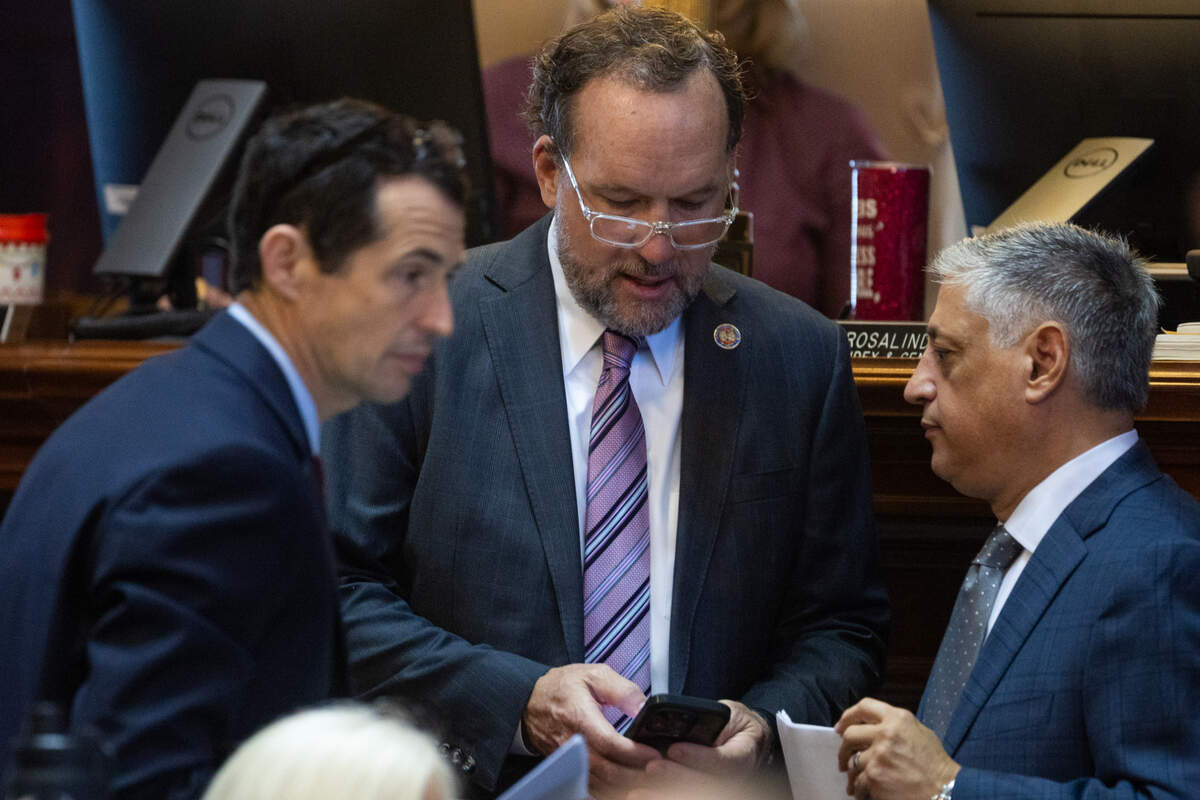
House Ways and Means Chairman Bruce Bannister, R-Greenville, and Peeler met privately Wednesday morning before the Senate Finance Committee meeting where they agreed that it would be best to focus time on the income tax reform rather than figuring out how to compromise on earmark spending.
“So rather than spend a lot of time on those investments, we’re going to focus the remainder of our time this session in passing a budget and figuring out how best to set up the income tax reform that we all had at the press conference and talked about,” Bannister told The State newspaper in an interview Wednesday.
Bannister conceded not having earmarks might mean losing votes when it comes to approving a final spending plan.
“I think the House Republican caucus is behind that plan to move forward,” Bannister said. “So yes, it may make passing a budget more difficult, but I think right now, under the circumstance, we’ll have a balanced budget, it will pass in a timely fashion, and then we will kind of reassess (at) beginning of the year.”
Bannister said hearings on the tax reform will take place after House members return from their spring furlough, which is planned for next week.
“We will continue as a body to decide where best to appropriate funds in the state budget. I think it’s smart, though, with the challenge of doing a historic income tax reform bill, to take a pause on those focus on the tax reform and try to find a path forward,” Bannister said.