
Will Richland County have to work with ICE for immigration enforcement? Here’s what we know
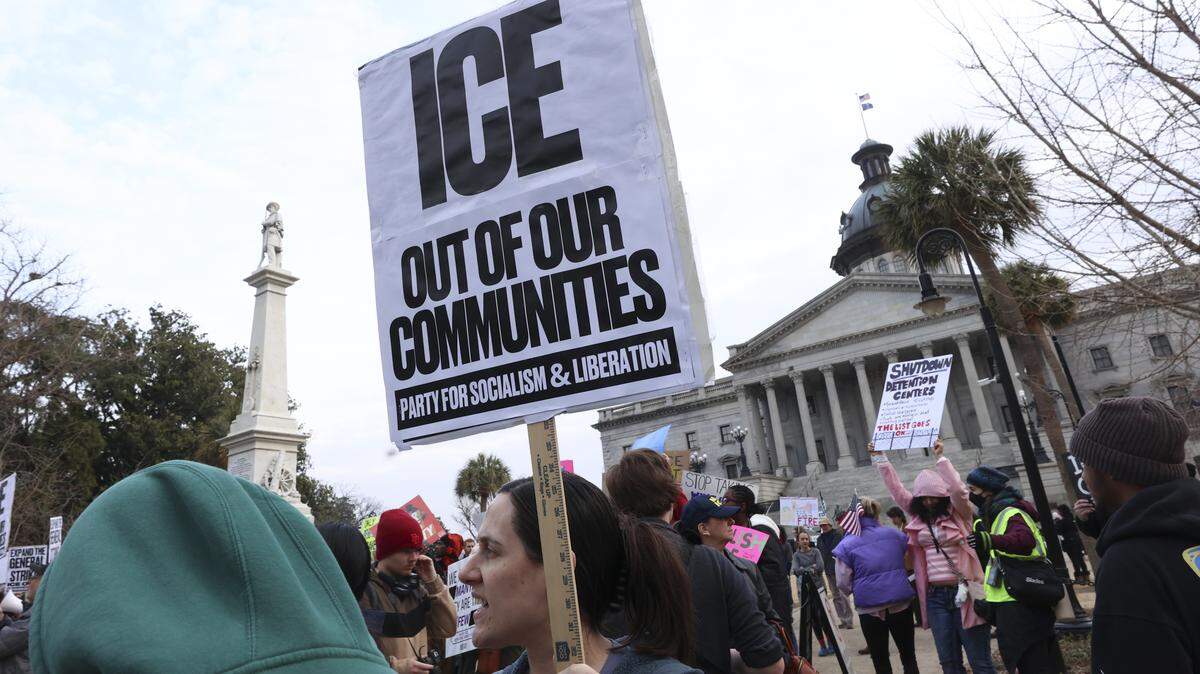
Richland County could be made to contract with U.S. Immigration and Customs Enforcement under a proposal detractors say will raise tensions between community members and federal immigration efforts.
The bill, in early stages of the legislative process, would require every law enforcement agency with a correctional facility to collaborate with the Trump administration’s immigration enforcement efforts.
Law enforcement agencies would join the U.S. Department of Homeland Security’s 287(g) program, which gives local police the ability to take over some federal immigration duties.
Opponents told lawmakers tension with immigration enforcement, particularly in cities like Minneapolis and Chicago, made it a bad time to require collaboration. Debates on the proposal come weeks after federal immigration enforcement agents killed two U.S. citizens protesting in Minneapolis, prompting protests in South Carolina. In Columbia, residents and local leaders protested ICE leasing an office on Main Street.
“These agreements turn our law enforcement officers into ICE,” said Nicole Sanchez, a Midlands resident. “They erode trust. The more we make our immigrants scared ... the more of these agreements that we do, the more we hurt ourselves.”
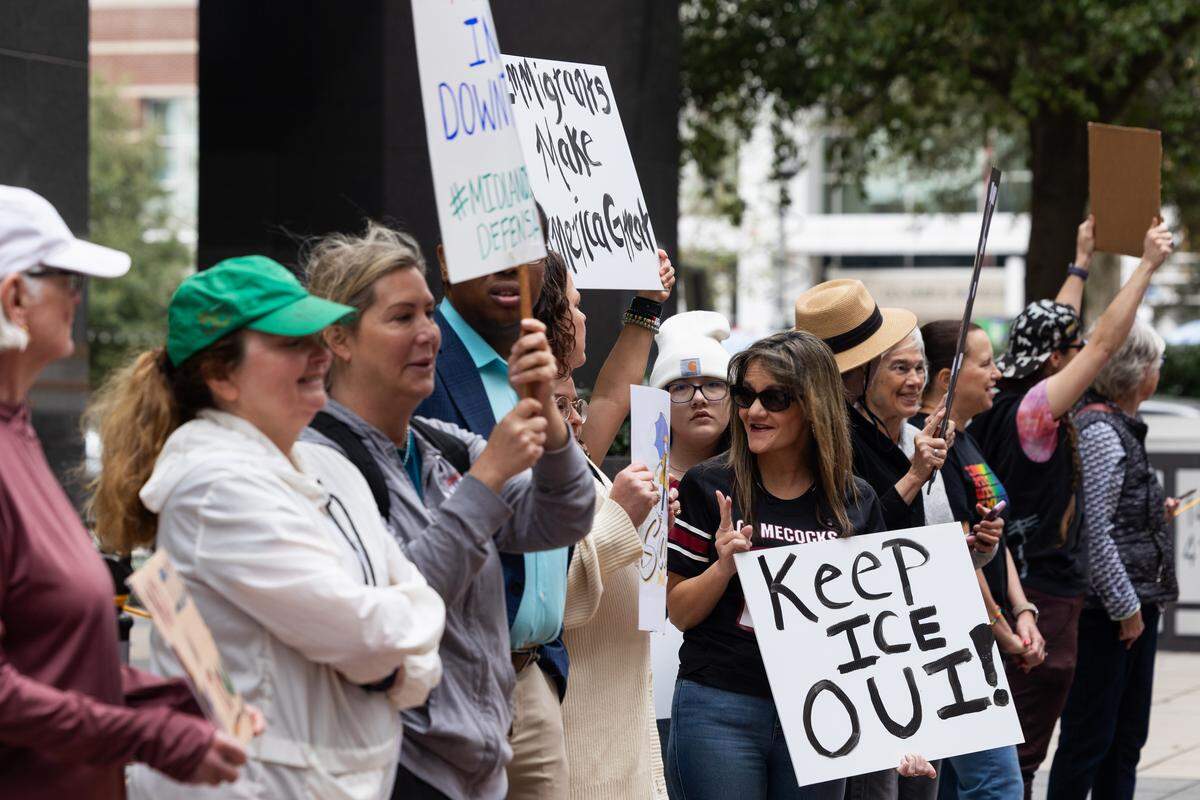
But state Rep. Travis Moore, R-Spartanburg, the primary sponsor of the bill, said he did not believe the bill would bring more ICE agents or tense immigration enforcement interactions to South Carolina. Rather, it would require law enforcement to run checks on people who have already been detained.
“I understand there’s a lot of concern about incidents with ICE in other states,” Moore told reporters. “We’ve not seen those concerns in South Carolina, thankfully, and there’s no reason to believe that this bill would lead to those types of incidents.”
While most South Carolina sheriff’s offices manage county jails, Richland County runs the Alvin S. Glenn Detention Center. The bill defines law enforcement as public entities operating a correctional facility, so the county government would likely be swept up in the mandate.
A spokesperson for Richland County said the county would comply with all local, state and federal laws “related to this and all other matters” in an email. They did not immediately answer a question on whether the bill would apply to the county government, if made into law.
Some South Carolina residents said requiring collaboration between law enforcement and ICE could heighten or cause tension between communities and their police departments or sheriff’s offices. Moore said it would be important for lawmakers to make sure the required agreements didn’t erode that trust. He also said there haven’t been negative impacts in communities that already implemented the agreements, which includes Lexington County.
“There’s got to be a balance with public safety and maintaining those relationships,” Moore said to reporters.
If passed, local agencies would participate in one of three models in the 287(g) program: task force, warrant service or jail enforcement. Some South Carolina law enforcement agencies already participate in multiple models. The task force model trains local police to enforce immigration rules in their daily routines.
The jail enforcement model allows trained officers to identify and process individuals who have already been arrested. The warrant service officer program allows trained officials to serve administrative warrants to individuals detained in the local jail.
“For example, if Richland County says ‘we’re only going to do the detention center model, we’re not doing task force, we’re not doing this more expanded approach,’ they don’t have to,” Moore said.
Local law enforcement pay part of the costs of administering the program, so Moore said lawmakers would consider limiting the fiscal impact on agencies going forward.
Participation in the program has ramped up in South Carolina since President Donald Trump began his second term. At the beginning of the Trump administration, only three counties participated in the program. Lexington, Horry and York counties all joined the program in June 2020. Now, 31 agencies participate, including the South Carolina Law Enforcement Division and South Carolina Department of Public Safety, according to federal data.
Participating police staff receive training and certification from ICE, according to agreements between law enforcement and South Carolina agencies. The agreements, posted on ICE’s website, lay out what local law enforcement are allowed to do under the agreement.
For example, Lexington County’s agreement allows trained personnel to interrogate detained individuals an officer “believes to be an alien,” serve and execute warrants of arrest or removal and issue immigration detainers. Lexington County has signed on to the jail enforcement model.