
Relationship between Clemson, developer did not break law, SC watchdog finds
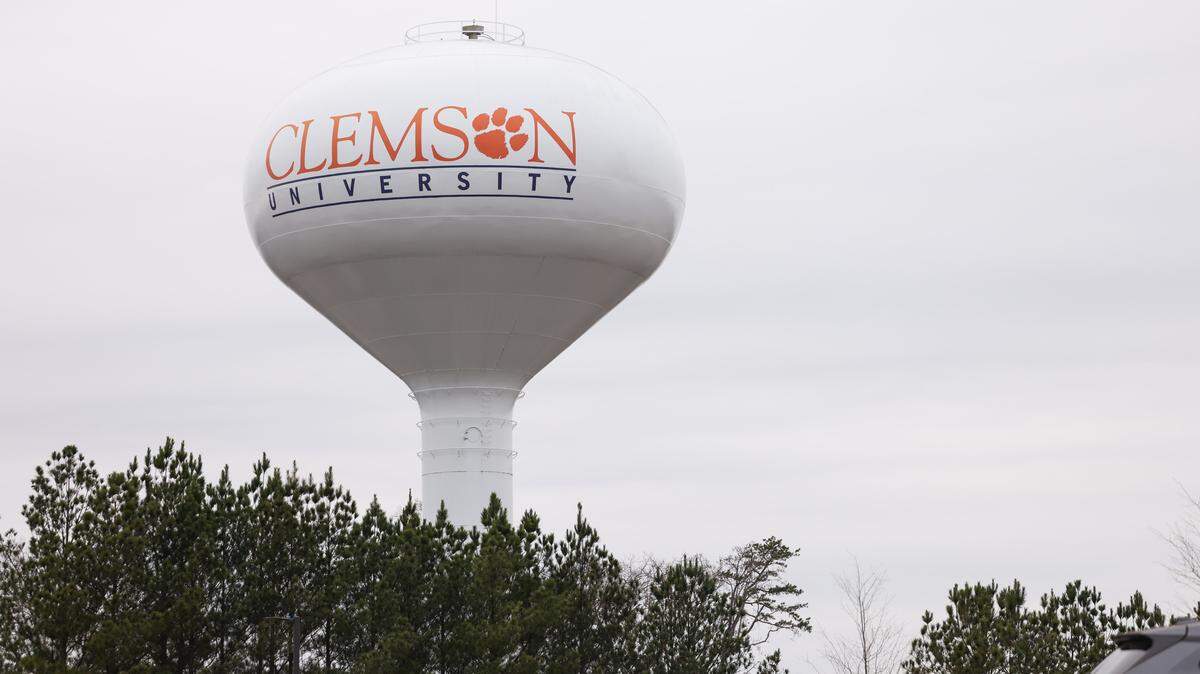
An investigation into a potential land project involving Clemson University, its former President Jim Clements and a housing developer did not turn up any legal wrongdoings or conflicts of interest, according to a report from the state inspector general’s office.
The report, released Thursday, details the result of an investigation requested by state Senate President Thomas Alexander, R-Oconee.
Alexander asked the South Carolina Inspector General Brian Lamkin to look into whether Clemson had complied with state law and university policies regarding a planned development in Oconee County, known as the Newry Project.
Developers associated with United Home Group considered Clemson University for an “economic development project” featuring a research park on the large campus, which included thousands of housing units, according to the report. Clements sat on the board of United Homes Group, a Columbia-based company. He stepped away from the board in October.
Former South Carolina Gov. Nikki Haley also resigned from the board on the same day. Haley is also on Clemson’s board.
Clemson University and its former president faced some scrutiny for connections to the Newry Project. Clements abruptly resigned from the university in December last year but denied his decision had anything to do with the controversy.
Clemson and Clements did not break state or university policies, the investigation found. Clements was not involved in the Newry Project and properly disclosed his affiliation with United Homes Group, according to the report.
While Clemson employees communicated with Newry Park developers about a research park five miles away from the main campus, it was standard, according to the report. Developers approached Clemson about the project and stopped seeking an arrangement by November 2024, the inspector general found.
In his January letter to the inspector general’s office, Alexander, a Clemson alum, said he wanted to maintain the university’s positive reputation.
“I want to be clear that this referral should not be read as expressing any concern that Clemson University, its board members, or its employees acted improperly or unethically,” Alexander wrote in January. “I have examined the materials myself, and my request is not predicated on any belief that a legal or ethical violation occurred.”
Does Clemson need more transparency?
The university should adopt policies to ensure board members know about possible conflicts of interest from its leaders, the report recommended.
While Clements properly disclosed his affiliations, university policy says he only had to verbally or in-writing tell the board’s chair. There’s no certainty other board members knew about the disclosure, the report says.
The inspector general’s report recommended changing university policy to require Clemson’s future presidents provide disclosures annually in-writing to all board members.
Other university employees should also provide their “outside employment” or “compensated professional activities” to the board annually, the report recommends.
This story was originally published April 3, 2026 at 5:00 AM.