First Purple Martins of the year in SC spotted. Here’s where. A hint — it’s not Lake Murray

The annual migration of Purple Martins to South Carolina has begun once more.
The first of the beloved birds to visit South Carolina this year were spotted in the city of Hanahan on Feb. 1 by a Purple Martin enthusiast, according to a recent press release from the Purple Martin Conservation Association. Similar enthusiasts throughout the eastern and central United States help track and report the birds’ annual migration on behalf of the association.
“The first Purple Martin arrivals of the season are always an exciting event,” Joe Siegrist, president of the Purple Martin Conservation Association, said in the press release. “Tracking the migration is not only fun, it also provides us with valuable information that helps inform our research and strengthen our efforts to make sure we’re doing everything possible to sustain the population of these amazing birds.”
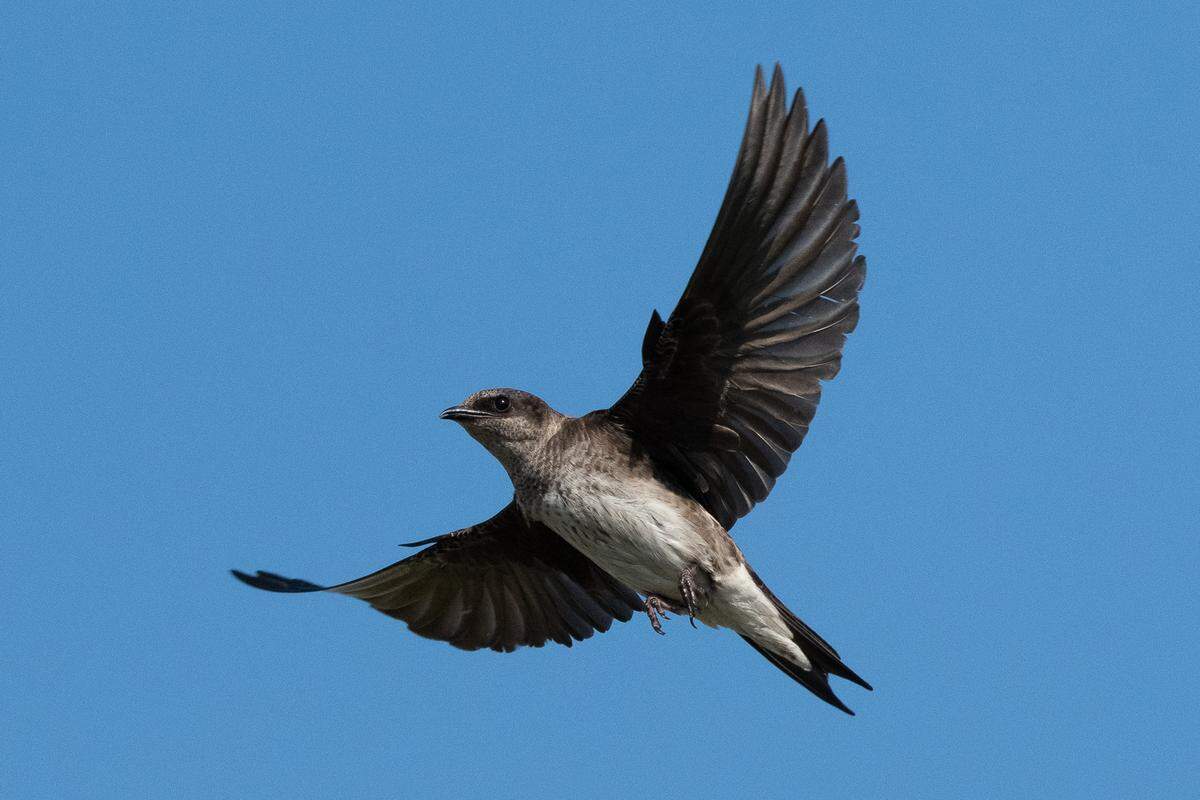
The Purple Martins in Hanahan — a city in Berkeley County, bordered on the west and south by North Charleston — are North America’s largest species of swallow. Purple Martins spend their winters in the rainforests of Brazil, then travel 7,000 miles north into the eastern U.S. and Canada.
Purple Martins might be best known in South Carolina for their stop every year at Bomb Island at Lake Murray.
Between early July and the end of August, thousands of the birds will appear every afternoon at sundown on the lake. The local phenomenon of the birds returning to the same island each year is still a bit of a mystery. However, the warm climate, the natural protection from predators the island provides and the large population of insects to eat, are all good reasons why the birds would be attracted to the spot, experts say.
Siegrist noted that the Purple Martins’ successful migration each year is in part due to the unwavering dedication of thousands of people who maintain multi-compartment nest ‘condos’ that help the birds survive. Once widespread in rural America, approximately a third of the Purple Martin population has disappeared over the last 50 years, according to the conservation association.
“The decline seems to be the combination of a few factors: nesting habitat loss, competing invasive species, decreasing prey availability, and climate change,” Siegrist said. “Over the majority of the Purple Martins’ range, they are unable to nest naturally any longer. Human-provided nest boxes are the only thing keeping the species alive east of the Rocky Mountains.”
To follow along with the Purple Martins’ migration and learn more about how you can help ensure the future of Purple Martins, visit www.purplemartin.org. People interested in learning more about how to attract and care for Purple Martins can receive a free booklet by contacting the Purple Martin Conservation Association by emailing info@purplemartin.org or calling 814-833-7656.
This story was originally published February 11, 2023 at 8:00 AM.