Like clockwork, hordes of these birds flock to Lake Murray each summer. What draws them?
READ MORE
Read more of The State’s special report on Lake Murray
Check out The State’s coverage of the favorite lake of the Midlands
Expand All

3 churches and 6 schools were flooded to fill Lake Murray. Here’s what else you may not know
WWII pilots on a mission to bomb Japan practiced over Lake Murray. This is the story of Bomb Island
Could an earthquake break the Lake Murray dam? It’s unlikely, but not impossible
Like clockwork, hordes of these birds flock to Lake Murray each summer. What draws them?

We asked, you voted: Your favorite Lake Murray restaurant is this waterfront gem
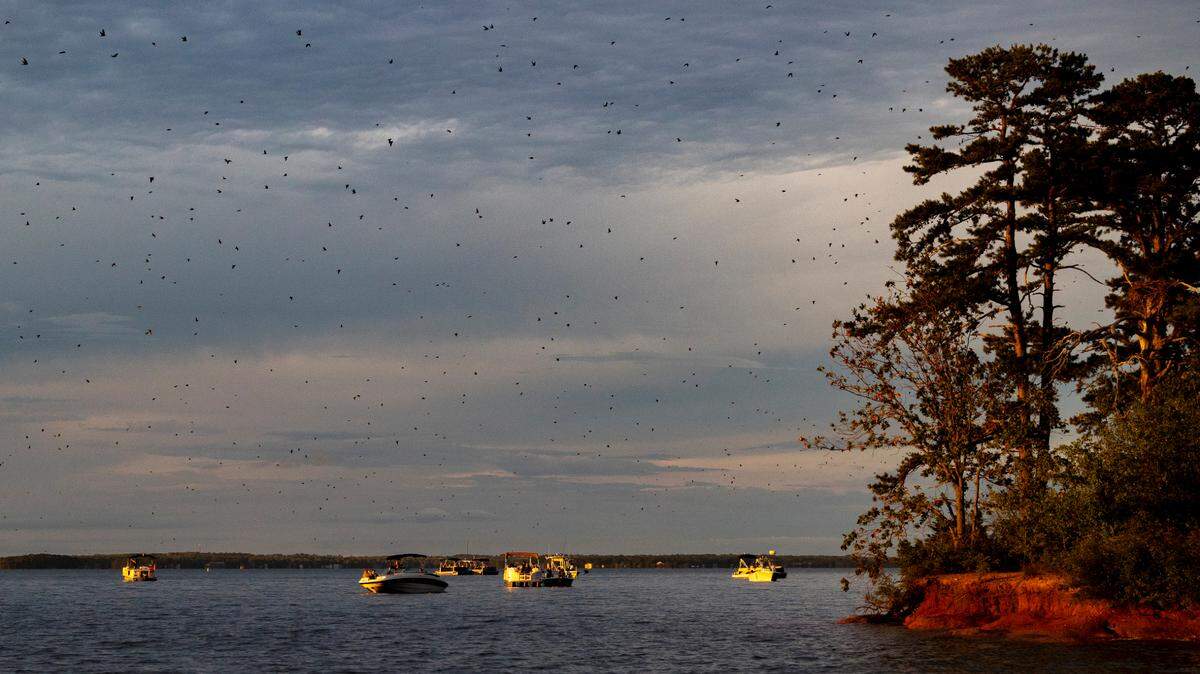
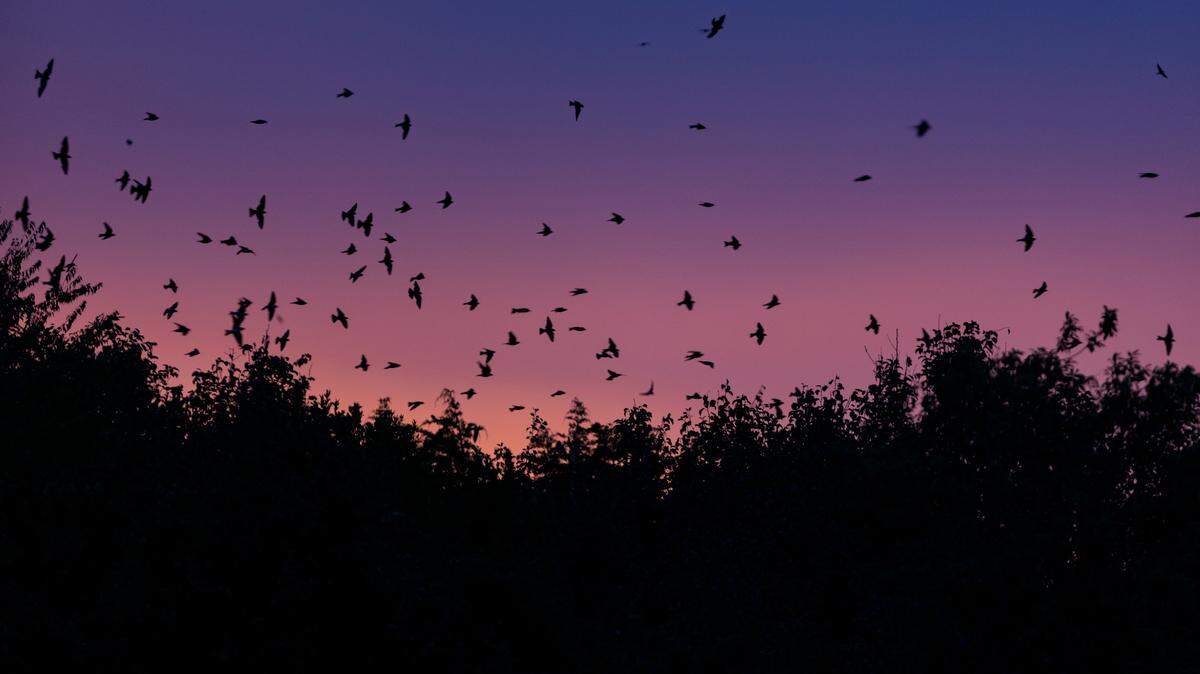
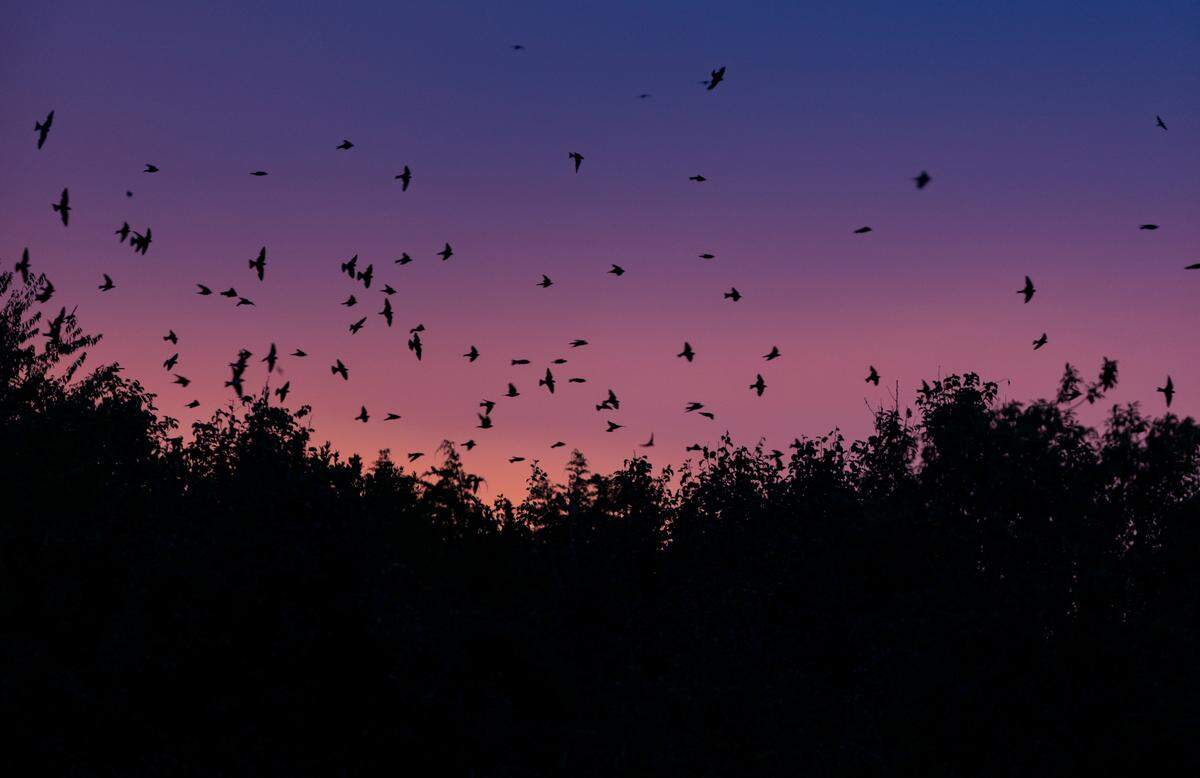
Odds are, if you’ve been to Lake Murray in the summertime, you’ve seen thousands of indigo birds dotting the Carolina sky.
Purple Martins are a local phenomenon that visit Bomb Island every summer in July and August. First discovered on the island in 1988, the birds visit North America in the summer but travel back down to Brazil during the colder months.
Why they choose this particular island year after year is a mystery that has fascinated lake-goers and birdwatchers for decades. The warm climate, a natural barrier of protection from predators and a bountiful population of insects entices the Purple Martins each year to reunite at Lake Murray.
Zach Steinhauser, a wildlife specialist at Wingard’s Market, has spent the last five years studying the Martins. Traveling between nesting spots from South Florida through southern Canada and the Rocky Mountains, Steinhauser fell in love with the birds.
“I just wanted to do more to connect people to nature, and I found out about Purple Martins,” Steinhauser said. “It let me onto talking to experts from all around the world finding out how can people really get on board with conserving Purple Martins and doing more to conserve nature just in their little corner of the world.”
Though the Bomb Island population wasn’t discovered until the 1980s, Purple Martins were a significant part of Native American and colonial culture. As the human population in North America grew and encroached on the Martins’ habitats, the birds became accustomed to nesting in dried gourds or birdhouses. Now, the birds exclusively nest in structures, rather than within natural cavity nesting spots.
“If you put a dead tree with a bunch of woodpecker holes in front of it, they wouldn’t know what to do with it,” Steinhauser said.

Because Bomb Island is somewhat isolated — it’s more than a mile to shore in any direction — the Purple Martins rest there for the summer. The birds, however, nest elsewhere in the state.
“It’s part of their natural behavior to just all congregate before they migrate. And this island serves as that site. There’s a lot of protection from predators, whether it’s birds of prey or land-based predators like snakes and raccoons,” Steinhauser said.
South Carolina is historically an agrarian state. Because Purple Martins feast on bugs and pests that may harm crops, the birds have been celebrated in the Palmetto State for centuries. In the modern era, the species has become a backyard sensation for residents and visitors at Lake Murray.
A Lexington native, Steinhauser spent his teen years watching the Purple Martins while playing along the lake. His curious nature sparked a question, “What happens when we quit putting these birdhouses out?”
To answer this, Steinhauser set out with his camera and launched a documentary on Earth Day 2022 to encourage conservation efforts for the Martins. Bomb Island is North America’s first officially designated Purple Martin sanctuary.
“They resemble our greatest or probably our best connection to conserving nature and conserving wildlife. We just have this great relationship; humans love to watch birds for some reason,” Steinhauser laughed.
Steinhauser’s film, “Purple Haze,” will have upcoming screenings across South Carolina:
- Aug. 17, Saluda River Center at Saluda Shouls Park in Columbia
- Aug. 20, Camp Discovery in Blythewood
- Sept. 9, Cannon Center in Greer
This story was originally published August 10, 2022 at 5:00 AM.