If Helene flooded your SC home, these are the best tips to follow ASAP to reduce costs, damage
READ MORE
Hurricane Helene
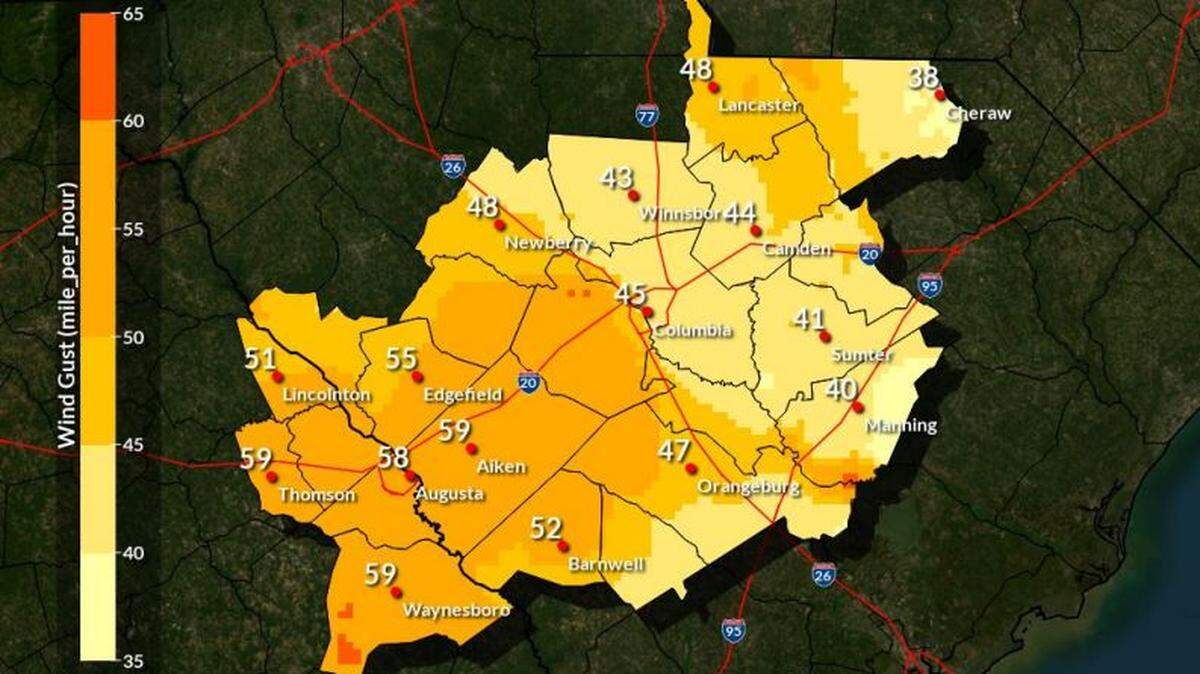
Hurricane Helene is gaining strength and is forecast to track north toward SC where it will bring heavy rain & strong winds to the Midlands.
Expand All
Did Helene cause flood damage to your home?
Or maybe the storm has you thinking about what you’d do if your South Carolina home was suddenly flooded.
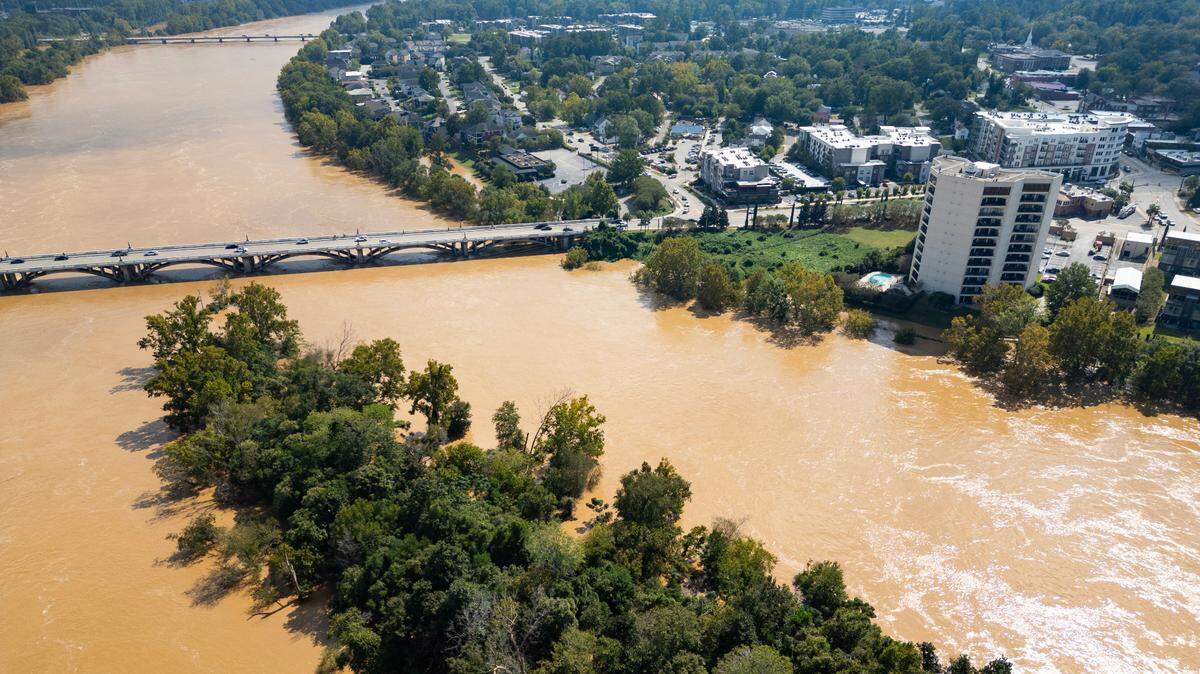
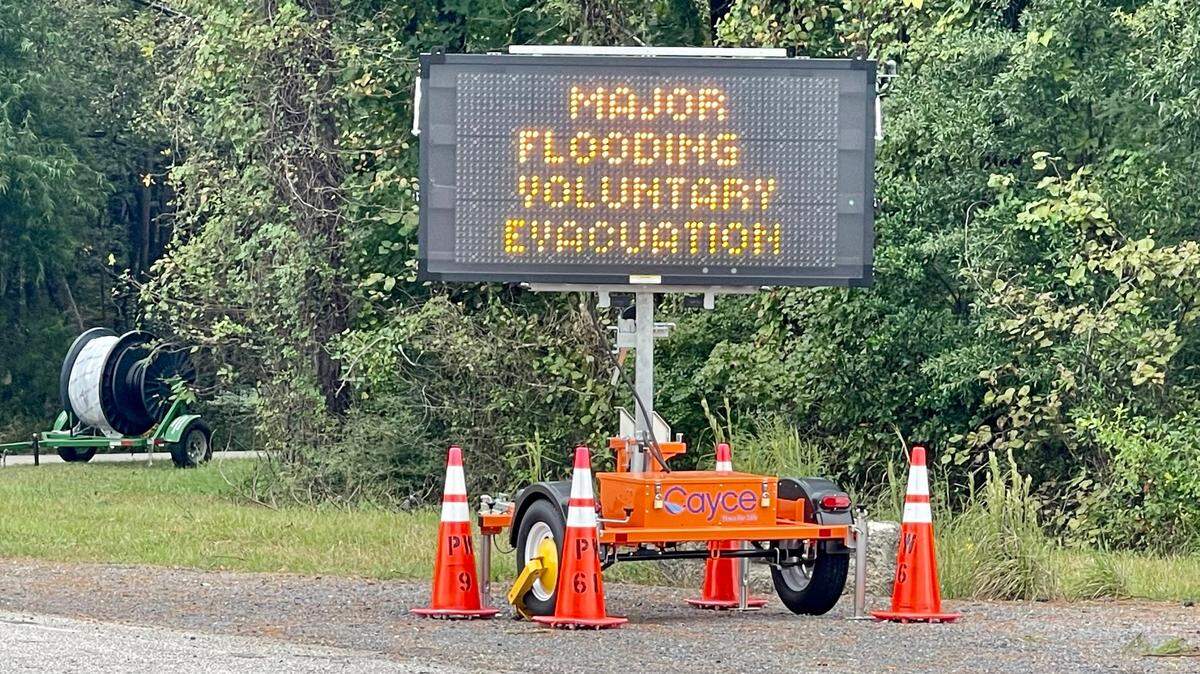
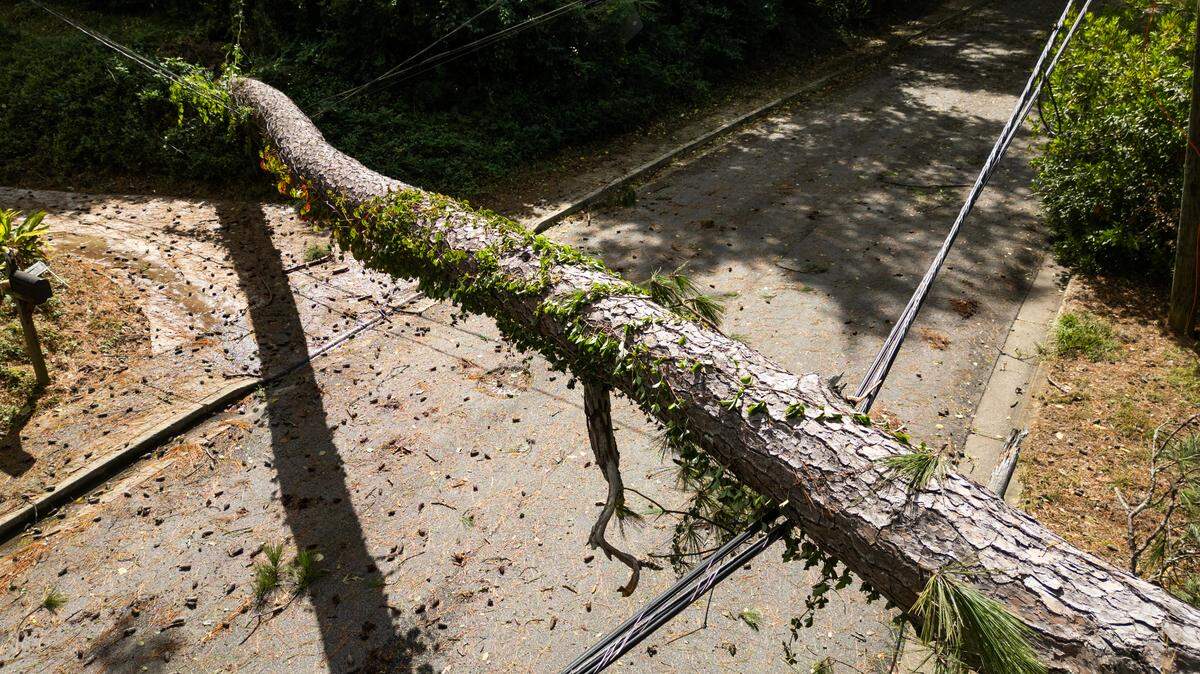
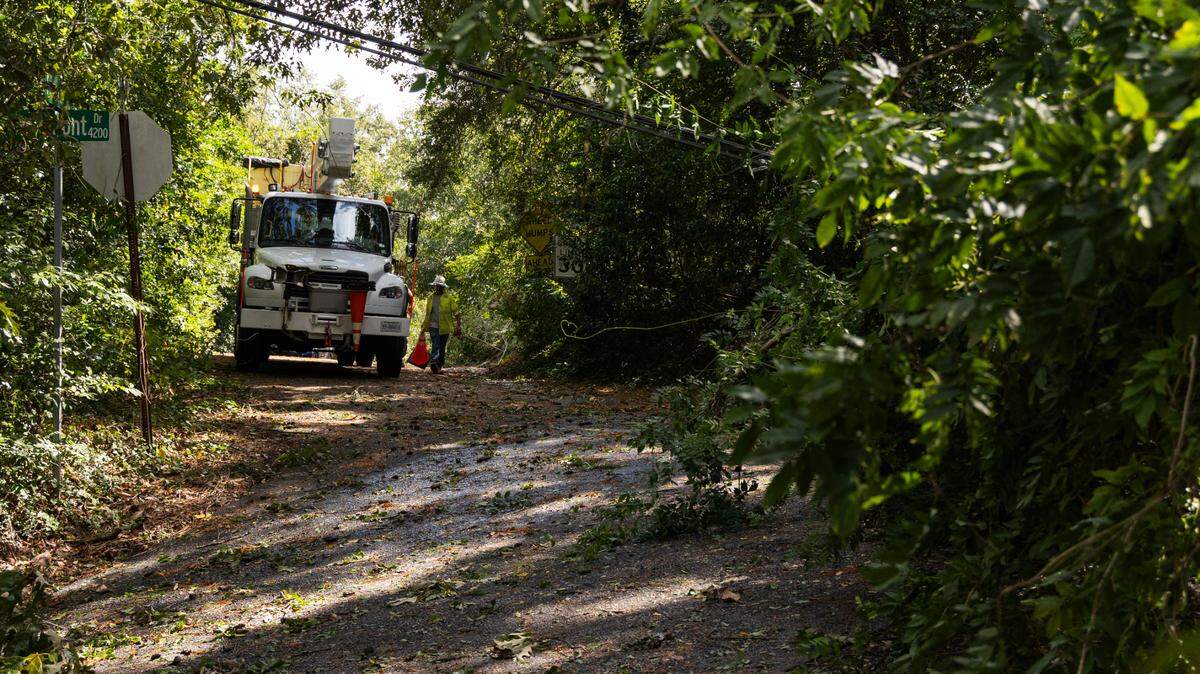
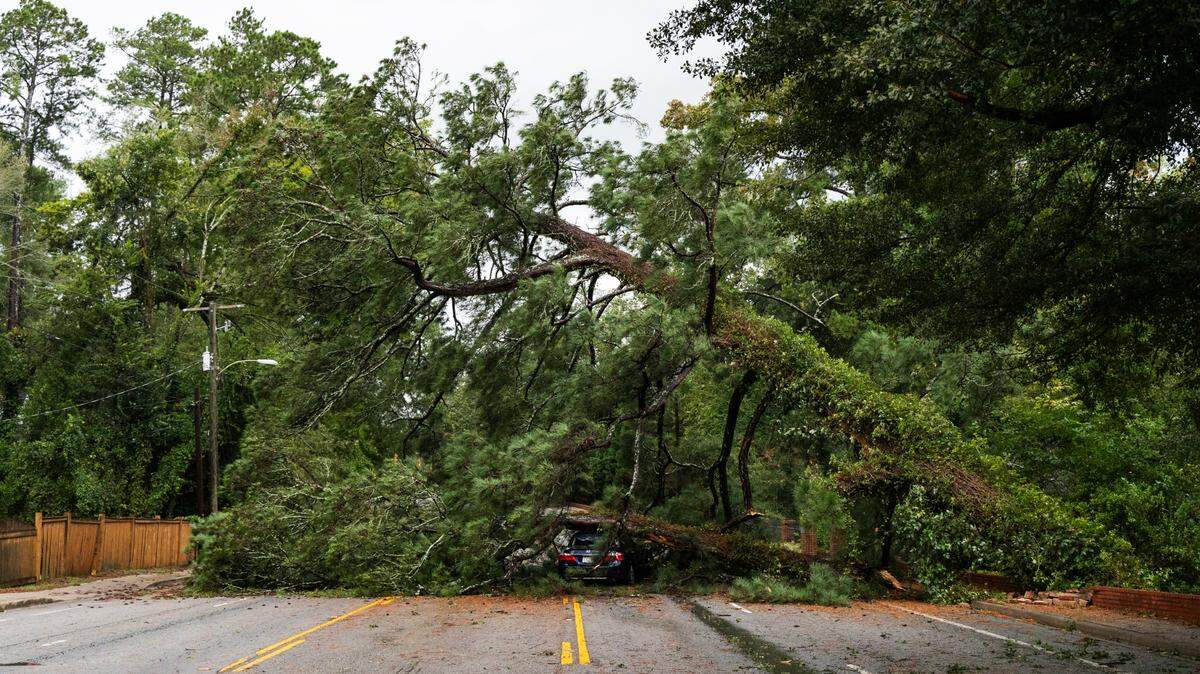
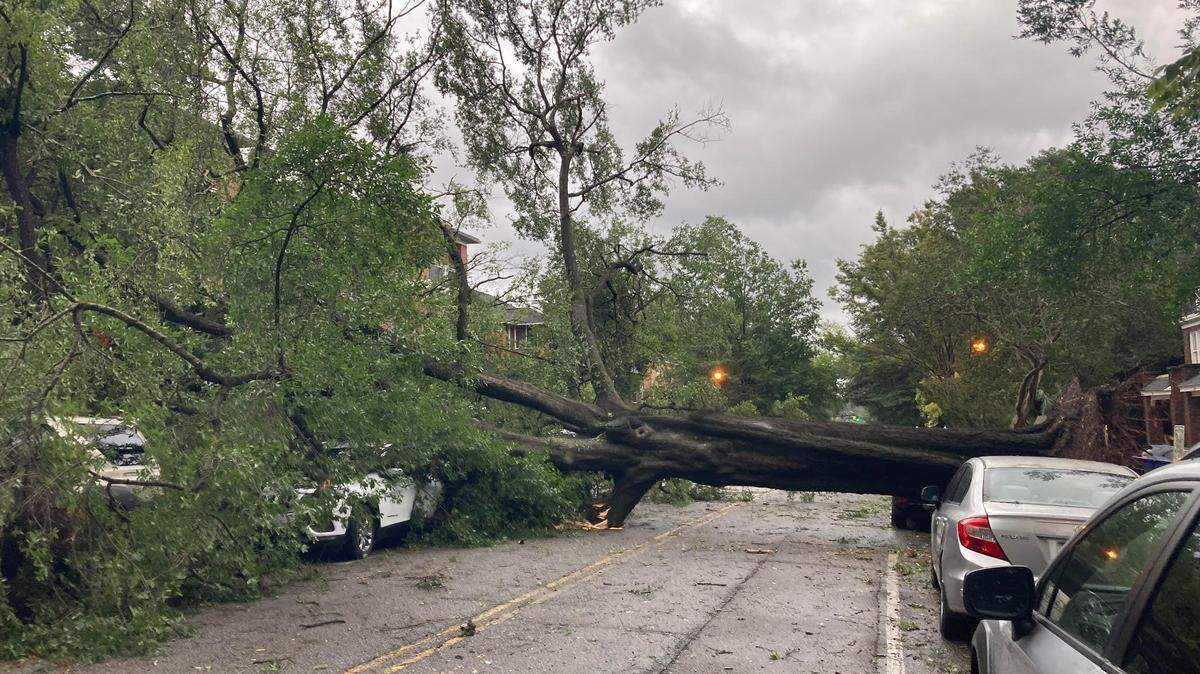
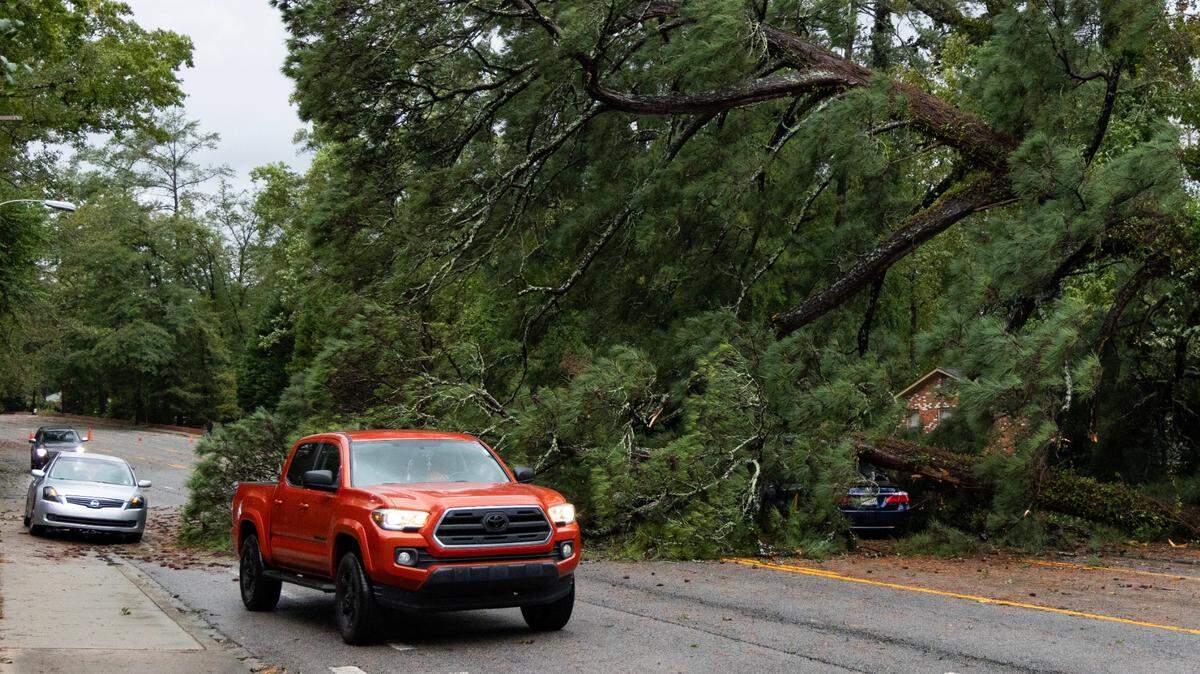
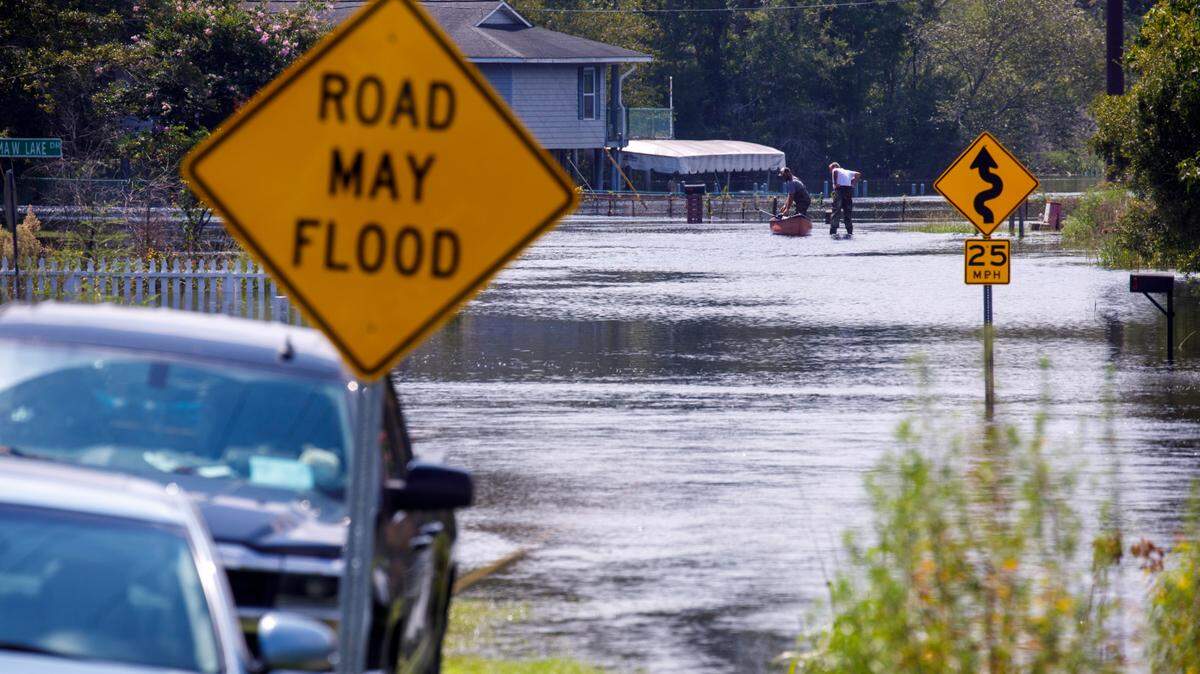
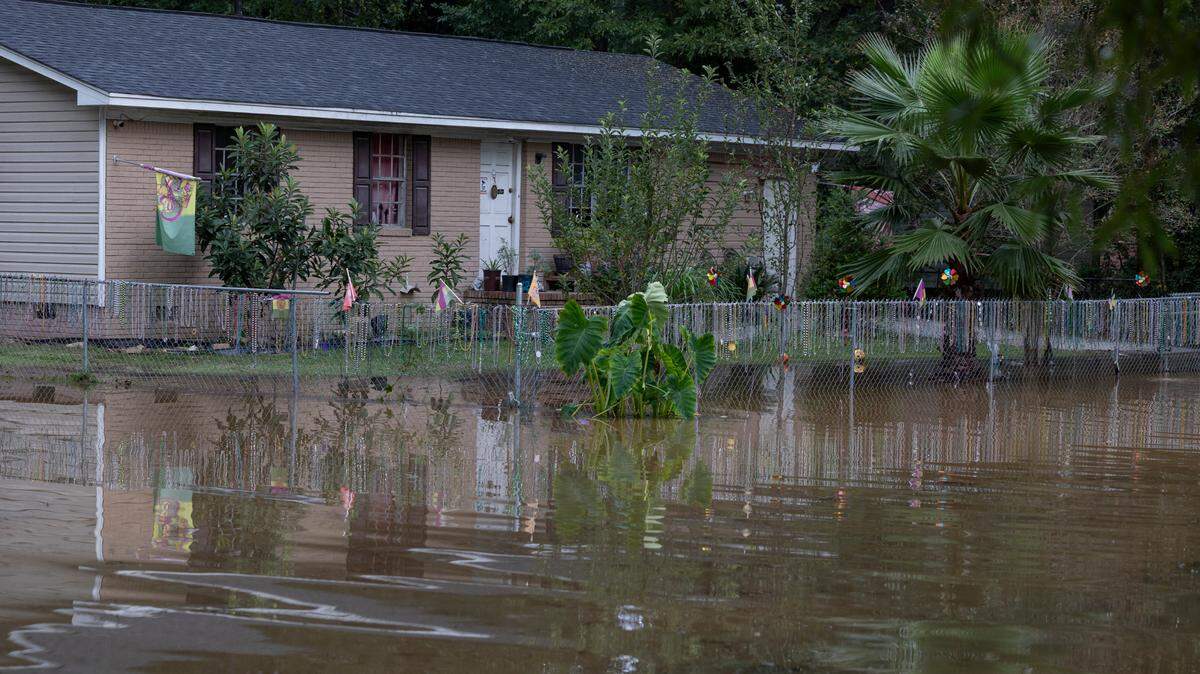
Approximately 740,000 people in South Carolina are still without power after Helene. Also, many homes are struggling with flooding in multiple counties. On Sunday, residents in the low-lying Riverland Park neighborhood in Cayce were urged to evacuate because of continued flooding threats from the powerful storm.
While it’s a little late to pick up flood insurance for Helene, there are steps homeowners can take to mitigate damage, repair costs and smooth out any claims filing process.
Here are some good tips to take when dealing with and working on a flooded home, according to the U.S. Department of Housing and Urban Development, Progressive, Jenkins Restorations and Five Star Claims Adjusting.
Tips for dealing with a flooded house
Be sure the home is safe
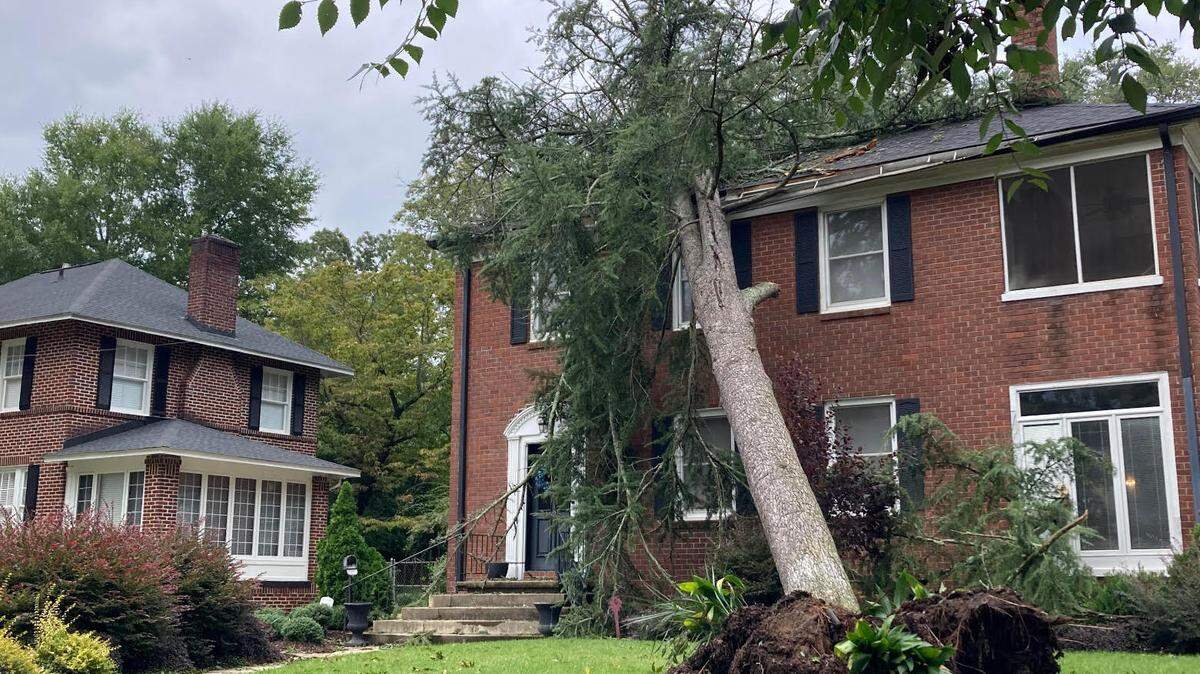
Your first thought after a flood likely will be to get in your home and start cleaning immediately. However, you really should wait and make sure the house is safe first. Damage from a major storm can be dangerous, so in most cases, let officials give you the all clear to head home.
Cut off gas, power and water
To be on the extra safe side, you should turn off your utilities before entering your home. And get a profession inspection if you’re unsure that the home is safe.
Document everything
Before doing any cleaning, document the flood damage with photos and video for your insurance claim. Contact your insurance company immediately to start your claim. Just be aware that homeowners insurance typically doesn’t cover water damage from a flood. For that, you’d need a private flood insurance policy or a policy with the National Flood Insurance Program.
Ask for help
If you and your family are unable to tackle the early parts of cleaning out your flooded home, such as removing water-soaked furniture, appliances and carpets, try reaching out to volunteer organizations, religious groups, neighbors and friends.
FEMA aid
If the federal government declares a disaster for the flooding in your area, you can apply for FEMA disaster assistance along with any flood insurance claim for your house.
Tips for house cleaning
It’s important to start cleaning your flooded house as soon as you can. The longer you wait, the more likely that water damage will cause mold and mildew growth, which would require a professional to remove.
Buy safety equipment
Don’t just start trying to clean with your bare hands and in your street clothes. Flood water can usually contain hazardous chemicals and raw sewage. Mold spores and dust in the air can also be dangerous. Buy rubber boots, gloves and clothing you can discard later. Also, wearing an N95 mask can help prevent inhaling harmful particles.
Remove everything
Don’t wait for an insurance adjuster to visit. Just start removing everything water touched to prevent molding. Set any solid wood furniture, family photos or other potentially salvageable items out to dry. Rip out the carpets.
Flooring
Flood Damage can cause major structural damage within the foundation of your home if left untreated. Remove as much water as possible quickly after the flooding has stopped.
A sump pump is recommended to handle the water in most cases. However, if the flooding was particularly severe and there was more than one floor underwater, you’ll likely need professional help.
This story was originally published September 30, 2024 at 9:16 AM.