Important fire terms you should know to stay safe & informed as SC wildfires rage
READ MORE
South Carolina Wildfires
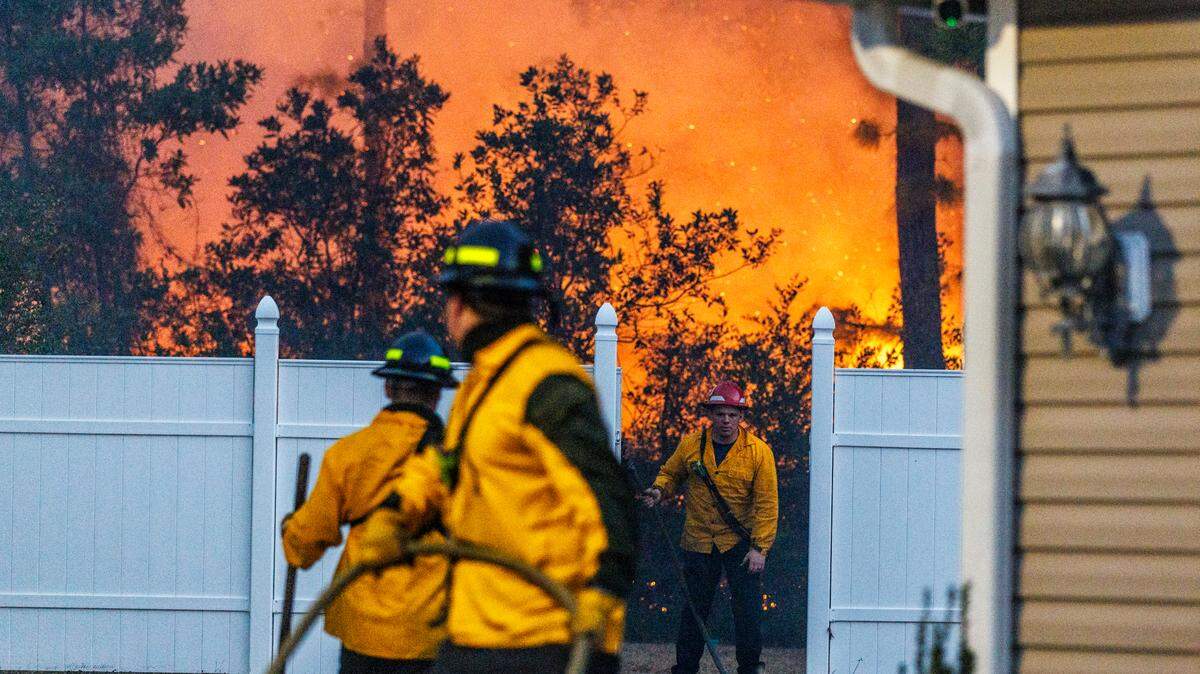
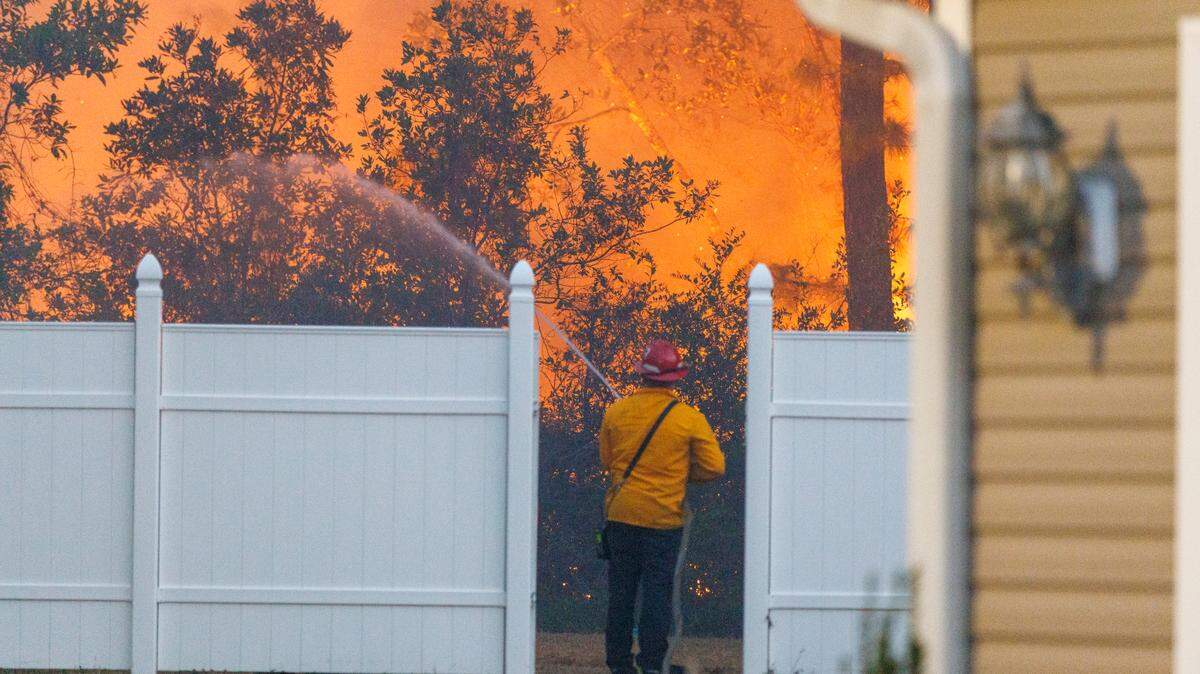
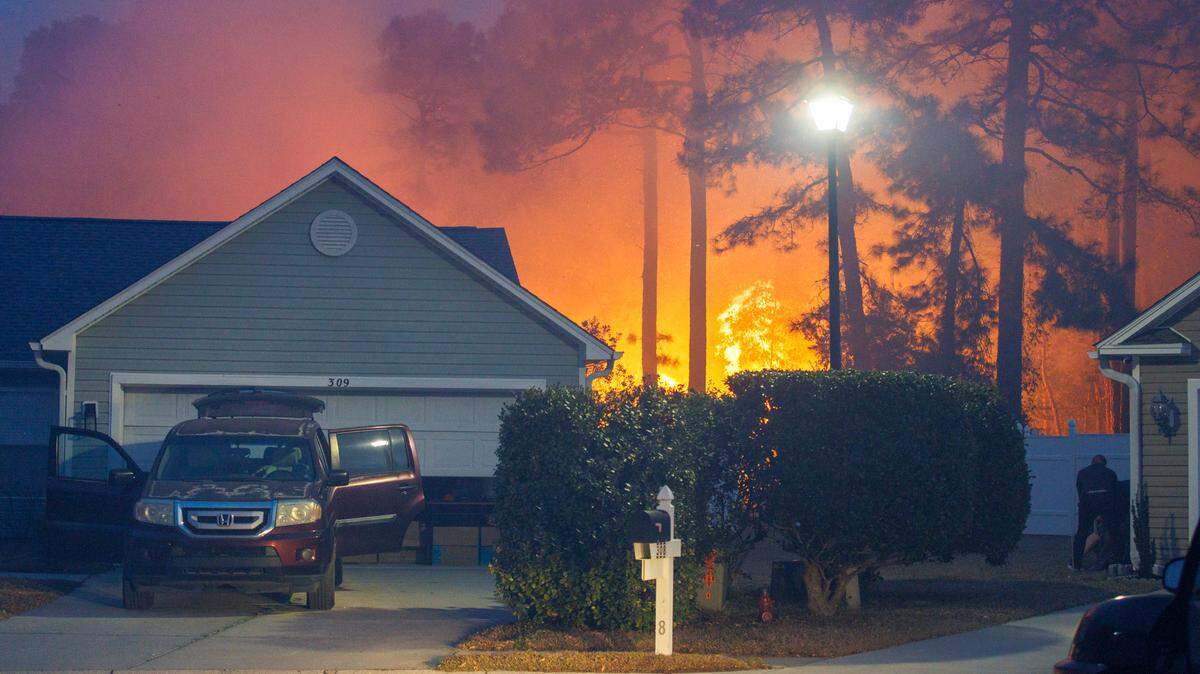
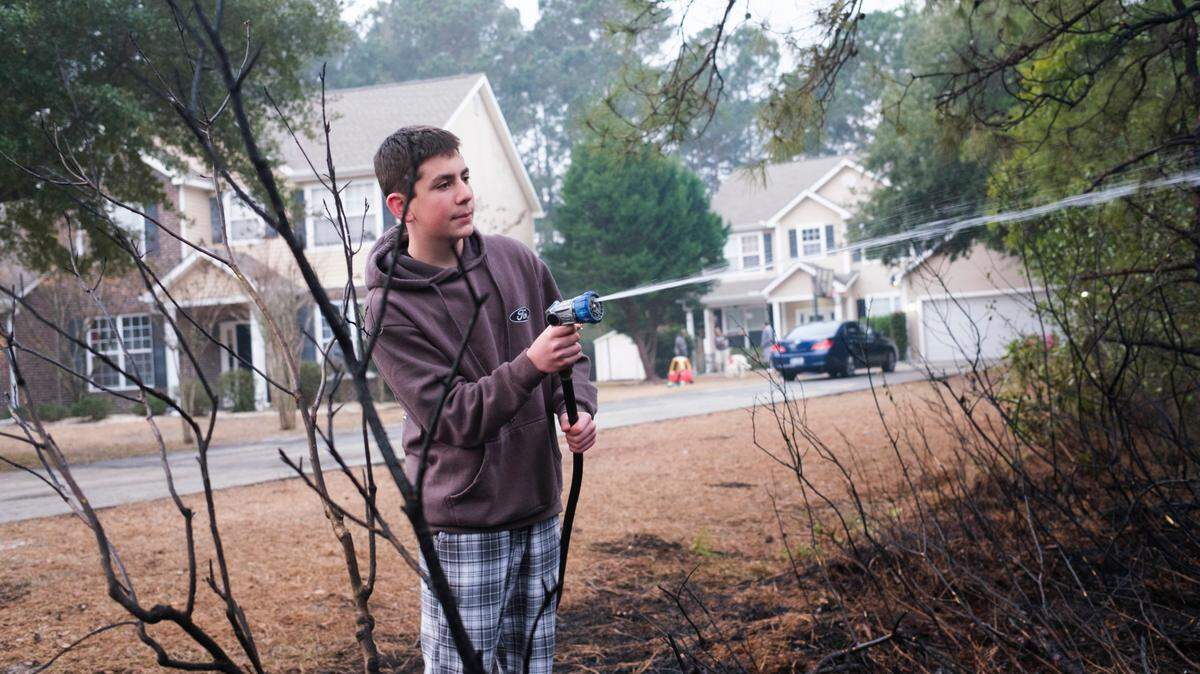
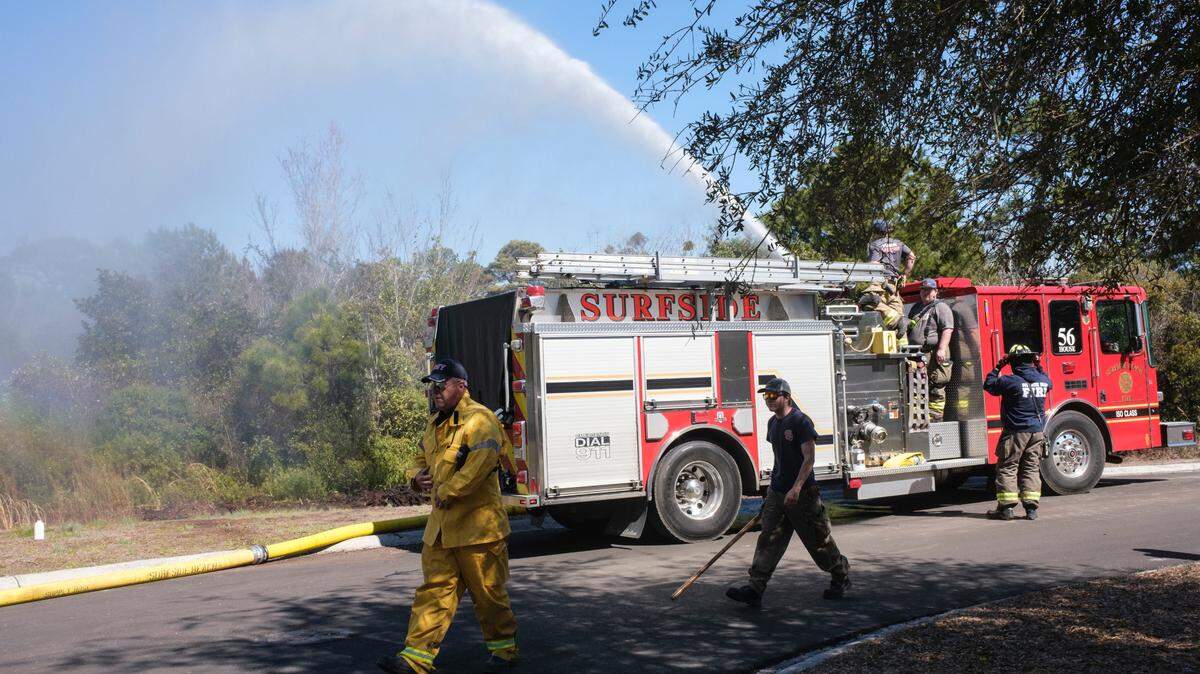
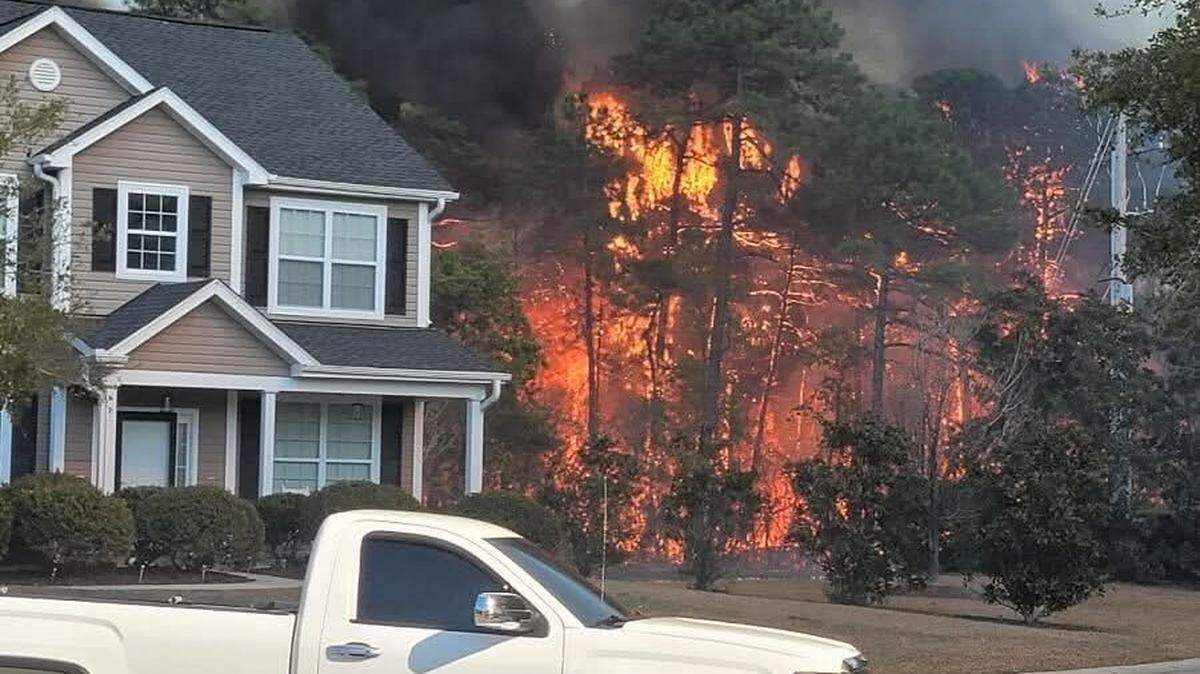
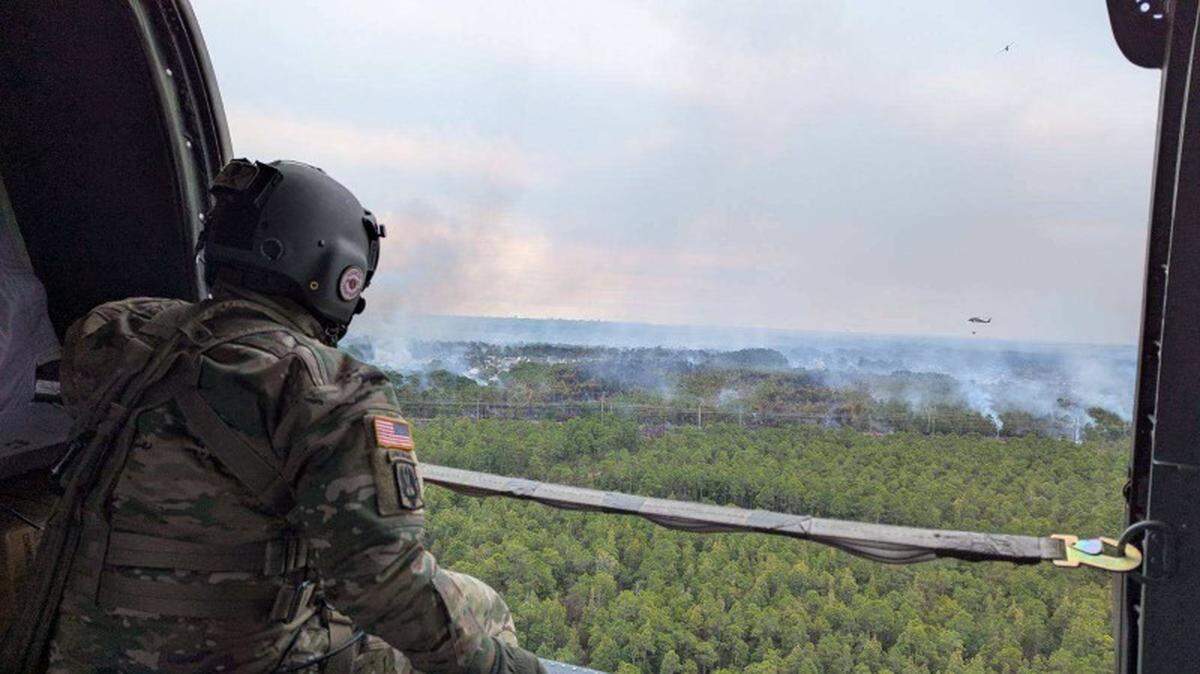
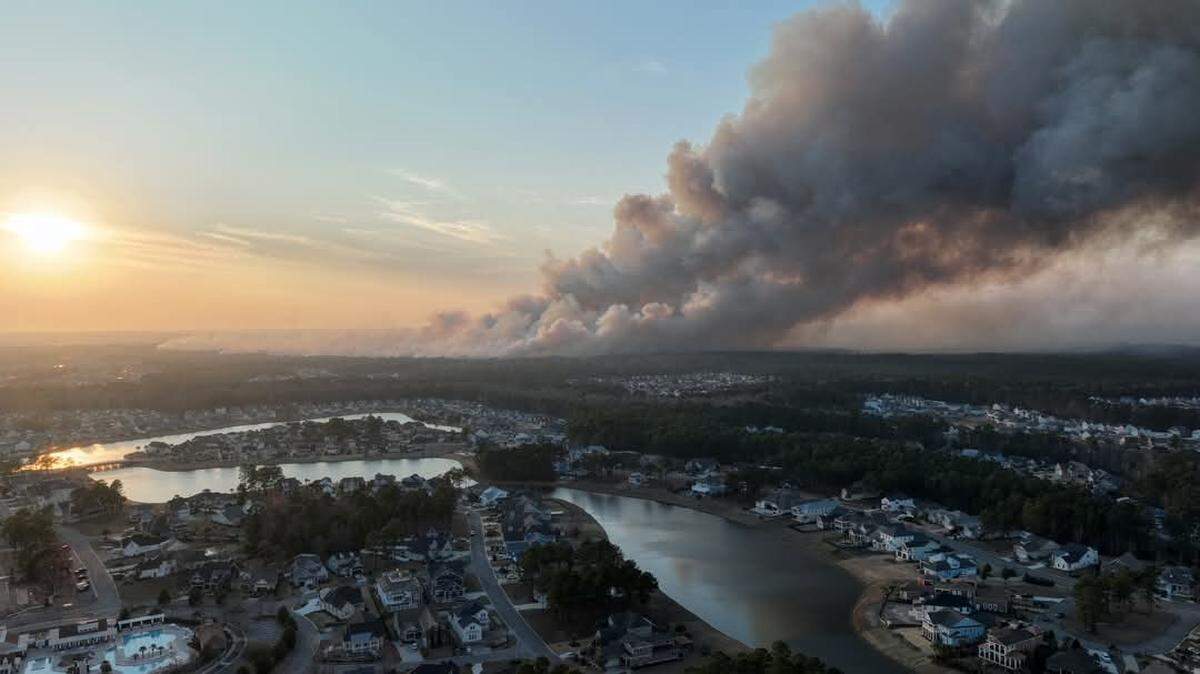
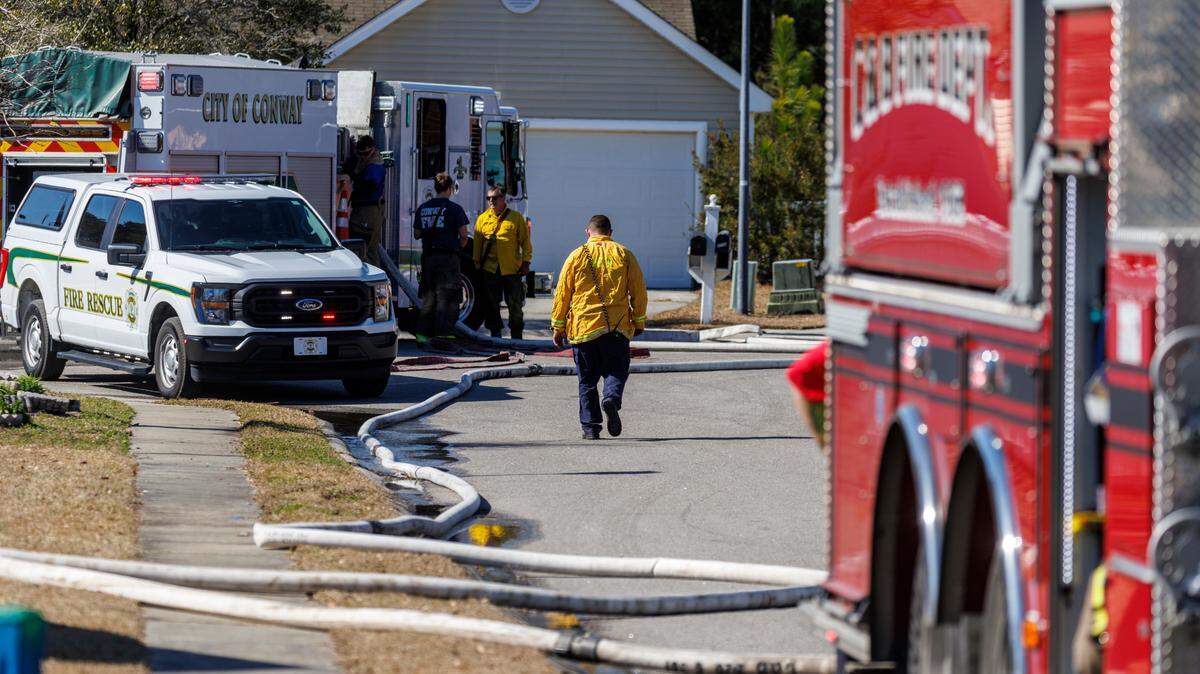
Wildfires impacted more than 1,600 acres in the Myrtle Beach area, with flames burning within a few feet of homes in communities close to Carolina Forest.
Expand All
With the swarm of articles and alerts pinging phones, emails and websites across South Carolina, it can be difficult to decipher what all these fire terms mean.
Is there a difference between containment and controlled fires? What does that mean if I needed to evacuate from the Carolina Forest Fire?
Here is a rundown of the different fire terms you may have seen over the past few days and what they mean for South Carolina residents.
What does it mean when a fire has been contained?
The National Wildfire Coordinating Group (NWGC) defines wildfire containment as “the status of a wildfire suppression action signifying that a control line has been completed around the fire, and any associated spot fires, which can reasonably be expected to stop the fire’s spread.”
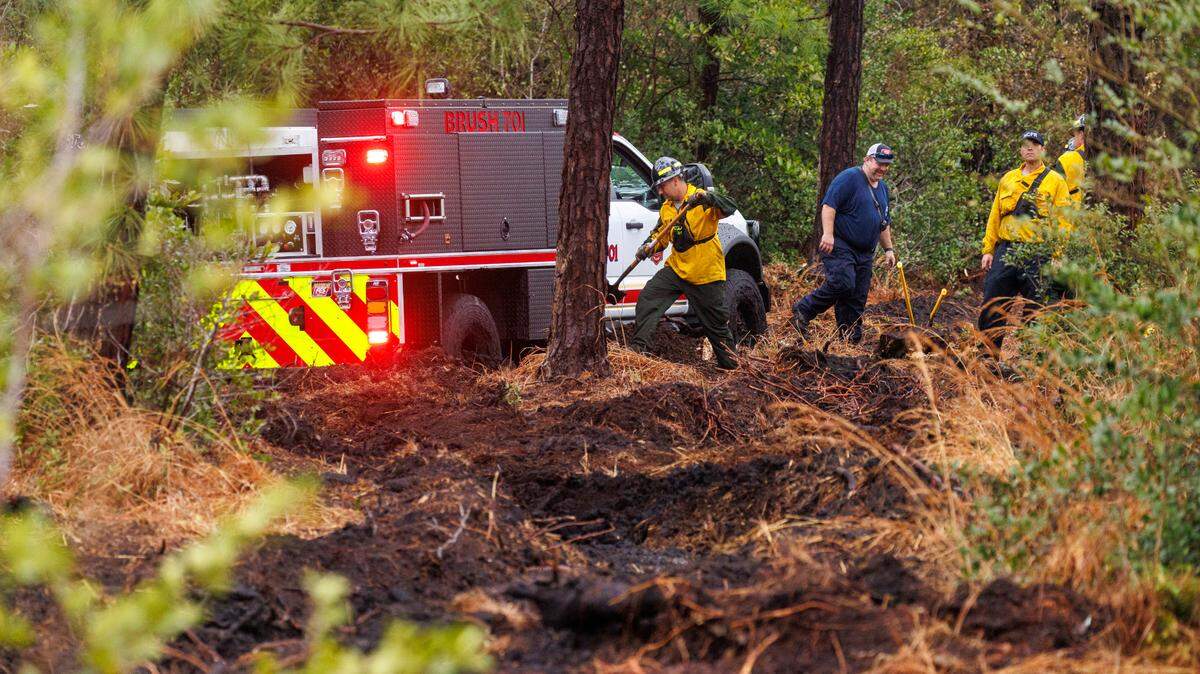
Control lines are constructed or natural barriers and treated fire edges used to control a fire. They can be natural, such as rivers, or man-made, like dug-out firebreaks.
Containment is a measure of the amount of control line around a wildfire, according to the NWGC.
For example, if officials state that a fire is 30% contained, that means barriers have been placed around 30% of its perimeter.
If a fire is contained, does that mean it’s out?
If a fire reaches 100% containment, that does not mean the fire is controlled or extinguished, according to the United States Forestry Service. It simply means that the control line is placed around 100% of the fire.
A 100% contained fire continues to burn in the interior of the control line.
Under predicted circumstances, a fire can be expected to burn to the line, but not beyond.
Even if a fire is contained, that does not mean it is safe for the public to return.
When a fire is contained, that means the area is closed, and even if it reaches 100% containment, land management agencies may continue to limit access because the fire continues to burn. Repair operations will also need space to work with heavy equipment.
In addition, hazardous trees, burned-out tree stumps and other dangerous situations still exist in the closed area that individuals may not be aware of.
Closures can also provide opportunities for the forest to “rest” and “recover” without additional impacts, according to the South Carolina Forestry Commission (SCFC).
Once a fire is out, it will be announced that the fire is controlled or extinguished.
According to the NWGC, a “controlled” fire is the completion of a control line around a fire, any spot fires therefrom, and any interior islands to be saved.
An “extinguished” or “suppressed” fire involves extinguishing a wildfire, preventing or modifying the movement of unwanted fire, or managing a fire when it provides benefits like vegetation reduction or improved wildlife habitat, according to the U.S. Department of Interior.
What are some other terms that are being used?
Here are a few other terms from the National Park Service and the SCFC that you may want to know:
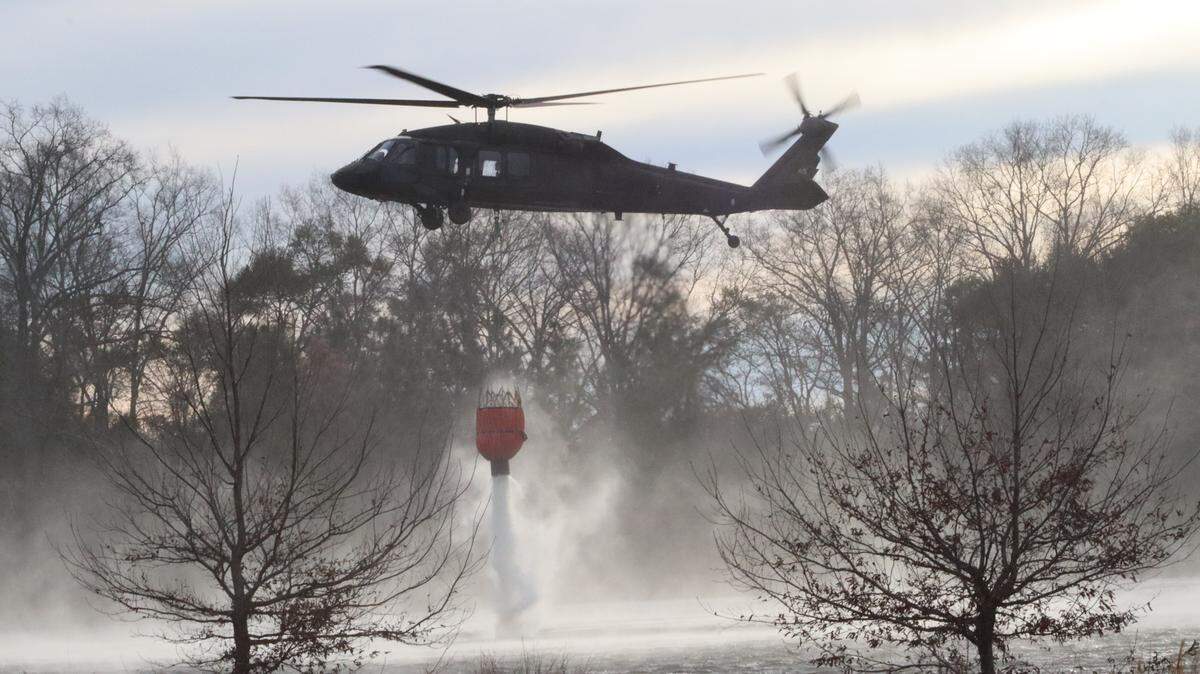
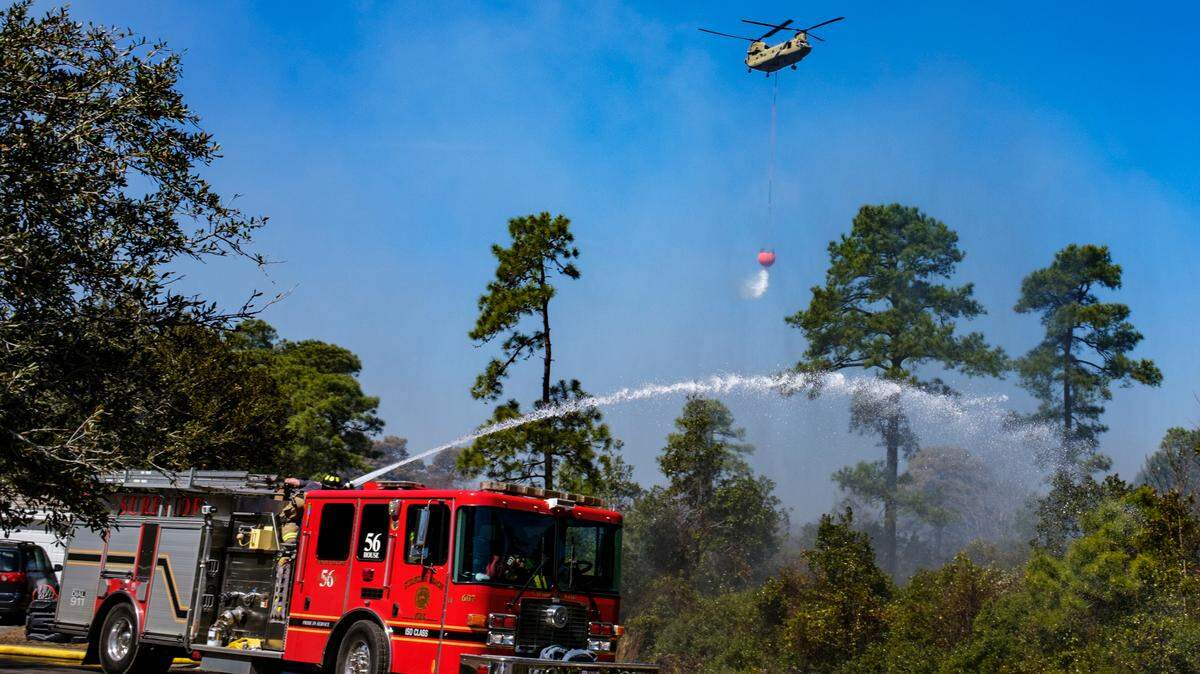
- Air operations: Aircrafts used to help locate wildfires and are also used as an eye in the sky to improve safety when firefighters are working. When special situations arise, aerial tankers and helicopters are available from other sources to assist by dropping water on fires.
- Brush: A collective term that refers to stands of vegetation dominated by shrubby, woody plants or low-growing trees, usually of a type undesirable for livestock or timber management.
- Brush Fire: A fire burning in vegetation that is predominantly shrubs, brush and scrub growth.
- Bucket Drops: The dropping of fire retardants or suppressants from specially designed buckets slung below a helicopter.
- Detection: The act or system of discovering and locating fires.
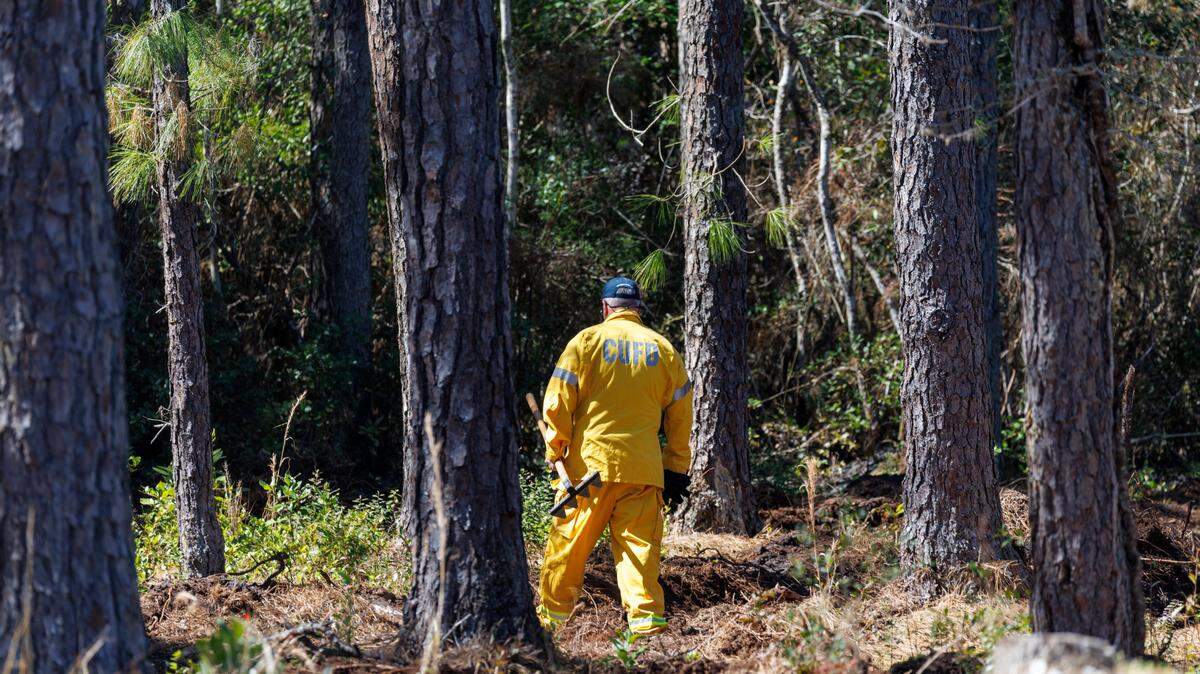
- Dispatch operations: Located at each of the SCFC’s three regional offices in Florence, Newberry and Walterboro – they manage communications traffic to coordinate the closest available resources (firefighters, equipment and other personnel) in response to wildland fires.
- Fire Behavior: The manner in which a fire reacts to the influences of fuel, weather and topography.
- Governor’s Burning Ban: Issued by the governor’s office with input from the Forestry Commission and various firefighting agencies. Statewide, but does not apply to agricultural burning.
- Low visibility: When visibility distance is reduced by fog and heavy precipitation, as well as wind-blown snow, dust and smoke.
- Red Flag Fire Alert: A wildfire danger warning issued by the SC Forestry Commission. The Red Flag cautions that wildfire danger is increasing and that outdoor burning could become difficult to control.
- Red Flag Warning: A cautionary statement issued by the National Weather Service when conditions are favorable for the rapid spread of wildfire. Does not mean outdoor burning is currently illegal. More commonly used in the western U.S., though seen in South Carolina occasionally.
- State Forester’s Burning Ban: This carries more weight than the governor’s ban. It comes from the SC Forestry Commission and includes agricultural burning.
- As of March 1, all of South Carolina is under a State Forester’s Burning Ban. This has been issued for all counties and outdoor burning is prohibited.
- For a list of more fire-related terms, visit the National Weather Service Fire Glossary page or the National Park Service Fire Terminology page.
How to report and monitor fires:
You can report any fire activity through the SCFC page here: https://www.scfc.gov/notify/
You can also monitor all active fires through the SCFC map, which shows active, controlled and contained fires.
This story was originally published March 3, 2025 at 11:05 AM with the headline "Important fire terms you should know to stay safe & informed as SC wildfires rage."

.jpeg)