The best ways to get soot, smoke smell from the SC wildfires off your clothes, house or car

READ MORE
South Carolina Wildfires
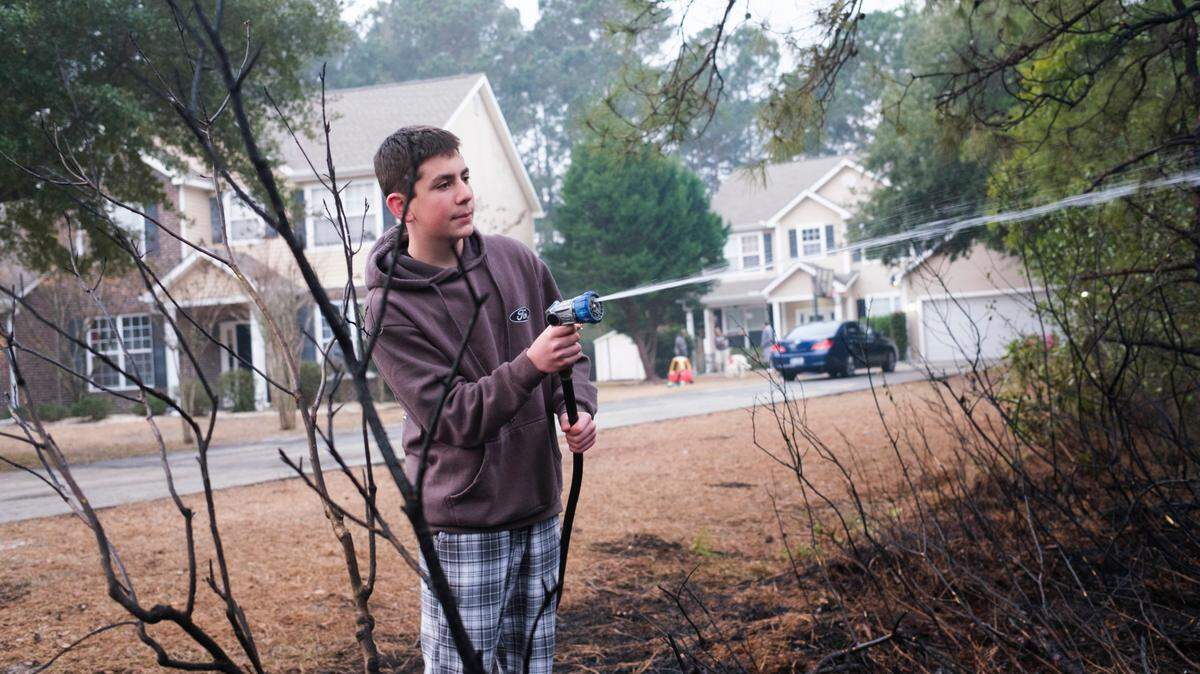
Wildfires impacted more than 1,600 acres in the Myrtle Beach area, with flames burning within a few feet of homes in communities close to Carolina Forest.
Expand All
As the Carolina Forest Fire continues to be contained, many homeowners may be wondering what’s next and how they can take care of their property.
For homeowners and evacuees that have been permitted to return or those starting to clean up their homes, here’s how to tackle those pesky spots of soot and dirt that may be lingering in your house, cars or clothes.
How to get the soot and dirt off your clothes
Soot and dirt will typically brush off of clothes and fade on their own, but if you want to wash and get rid of any stain immediately, here are some of the best cleaning tips:
Use A Vacuum
Your vacuum can be used to remove particles and dust from the interior of your house, but it can also be used to get rid of soot from your clothes.
It is recommended to sprinkle baking soda on the affected area of the clothing and to rub it in before attempting to remove the soot with a vacuum.
Use a vacuum nozzle to clean the stained area. Once clean, you can set the clothes in the washing machine and proceed with the recommended cycle.
Soak It
Running clothes under cold water is another method for getting rid of soot marks, but make sure the clothing is inside out before proceeding.
While the clothes are under cold water, don’t rub the fabric together, as you may risk spreading the stain.
Let the water take its natural course until you see the soot stain begin to wash out.
Use Baking Soda
Baking soda is one of the best stain removers for any kind of cleaning catastrophe. Baking soda can be used to help remove difficult soot stains from clothes. It’s incredibly easy to use.
To remove soot stains from clothes, sprinkle some baking soda over the affected area and let it sit on the area for at least 30 minutes. Baking soda helps in removing the soot’s hold on the fabric, and the soot typically peels off when you shake the baking soda off.
Soak Overnight
If the soot stain has you extra anxious, try soaking the clothing overnight.
Laundry detergent and warm water are all you need. Add warm water to a bucket that is large enough for the clothing item and then add in your preferred laundry detergent. For colored garments, make sure the detergent doesn’t have any bleach in it.
Before adding your item to the warm water and detergent mix, try brushing off as much soot as you can.
For the best results, let your item soak for at least 6 hours to overnight.
How to get the soot and dirt off your cars
If you notice a layer of ash on your car’s exterior, don’t fret — there are easy ways to remove it.
If you have soot on your car, it’s best to clean it as soon as possible because wildfire ash can damage your car’s paint if left untreated. Ash has an abrasive nature, which means it can be tricky to wipe away.
Here are some tips and tricks to remove ash from your car without damaging the paint or any other exterior:
Rinse Away the Ashes
Use a hose with a spray nozzle to rinse off the ash, starting from the top and working down. Be thorough with crevices, wheels and under the hood.
You can use a high-pressure hose setting to remove the residue quickly, but make sure to avoid letting the ash sit or mix with water.
Wash with pH Neutral Car Wash Soap
Using the wrong soap can damage the paint on your car. To avoid this, a pH-neutral soap and a soft microfiber cloth or wash mitt can help. It’s advised to avoid using sponges or cloths that may scratch the paint.
Make sure to rinse your car afterward.
Apply a Coat of Wax
Wax is a great tool to create a barrier that protects your car’s paint from future ash and contaminants. Apply the wax with a foam applicator pad and buff with a microfiber towel once dry.
Always make sure that no ash residue is left on the car before waxing to avoid any scratches.
Hire a Professional
If you’re nervous about cleaning your car yourself, a professional can ensure thorough cleaning, especially if you’re uncomfortable or don’t have the time.
Other Tips when Cleaning Your Car
Put your vehicle in a garage if you can.
If it’s dry, use a long-handed duster to remove soot, but avoid if there’s a large amount of ash.
Use a car cover to help prevent ash from settling on the vehicle.
Replace air filters, inspect wipers and clean the interior once the smoke clears.
Cleaning your home from smoke and soot
Air Out Your Home
Open all windows and doors, use fans to create cross-ventilation and turn on exhaust fans in the kitchen and bathroom.
Vacuuming and Dusting
Smoke particles and soot settle on surfaces, so make sure to vacuum carpets, rugs and furniture thoroughly, including under cushions. Sweep and mop affected areas.
If vacuuming doesn’t work, consider steam cleaning.
Wash and Disinfect Surfaces
Use mild soap or tri-sodium phosphate (TSP) for cleaning walls, floors and other hard surfaces.
Follow up all washings by rinsing with clean water.
Clean Exterior Surfaces
Wash exterior walls, decks, windows and other surfaces where soot and smoke particles may have settled.
Use Deodorizers
Use sprays for upholstery and fabrics to neutralize smoke odors, not just mask them.
HVAC and Duct Cleaning
Soot and ash may travel through the ductwork, contaminating the air and system, so make sure to clean and replace HVAC filters.
Remove Aerial Fire Retardant or Foam Residue
Use a mild detergent to scrub the residue and rinse with clean water.
Products to Use
Vinegar: Use for deodorizing walls, floors, and fabrics. Alternatively, simmer vinegar in a pot to neutralize odors.
Baking Soda: Sprinkle on carpets, upholstery and other fabrics to absorb odors. Vacuum after 4-8 hours.
Activated Charcoal: Place in bowls around rooms to absorb smoke odors.
Ozone Generators & Air Purifiers: Can help reduce odors in the air. Ozone generators are effective, but they can be costly.
Additional Cleaning Tips for Specific Areas
Walls and Ceilings
Remove Dust: Use a microfiber duster first.
Clean Solution: Mix 1 tsp of all-purpose cleaner with 1/2 cup of baking soda per quart of warm water. Wipe the walls from top to bottom.
Tip: Rinse walls with clean water and ensure they are dry before repainting.
Upholstered Furniture
Vacuum: Thoroughly vacuum using a hose, upholstery brush, and crevice tool.
Baking Soda: Sprinkle and work into fabric. Let sit for 4-8 hours and vacuum away.
Fabric Refresher: If odors persist, use a fabric refresher spray.
Carpets and Rugs
Vacuum: Remove dust and dirt.
Baking Soda: Sprinkle on the carpet, let sit for 8 hours, then vacuum.
Steam Cleaning: For deeper cleaning, rent or hire a professional for steam cleaning.
This story was originally published March 3, 2025 at 1:28 PM with the headline "The best ways to get soot, smoke smell from the SC wildfires off your clothes, house or car."









.jpeg)