SC folks won’t get brain-eating amoeba infections if they follow these expert tips
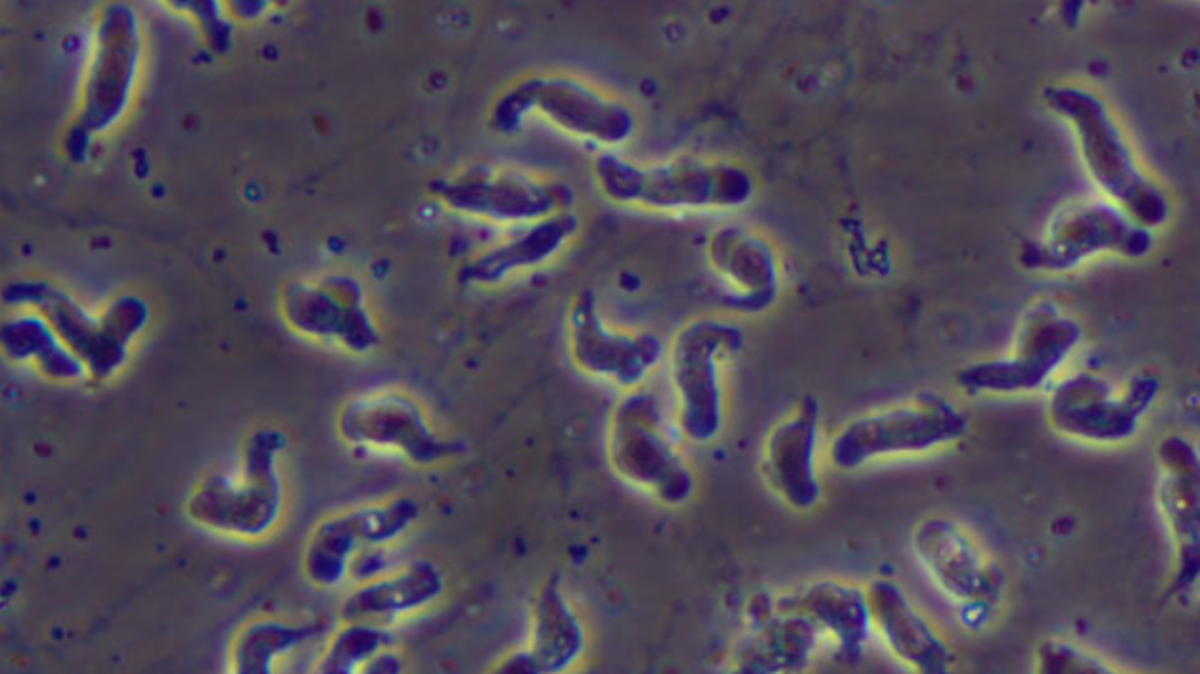
Being infected with a brain-eating amoeba may not be on your list of potential threats when out for a summer swim — but it can and does happen.
A patient at the Prisma Health Children’s Hospital in the Midlands recently died from such an amoeba infection, according to a Tuesday article in The State. The S.C. Department of Public Health announced on Tuesday that the patient likely contracted the infection from Lake Murray and first became aware of the case the week of July 7.
Here’s what to know about brain-eating amoeba and how to protect yourself from it.
What is the brain-eating amoeba?
The Naegleria fowleri is a free-living amoeba, which is a one-celled organism that thrives in warm fresh water like lakes, rivers and hot springs, the CDC states. It is usually called the brain-eating amoeba because it can infect and destroy brain tissue.
Amoeba infections are rare
Infections from the amoeba are rare but nearly always fatal.
According to the SCDPH, South Carolina had only three cases from 2010 to July 2022. And 40 infections were reported across the U.S. from 2010 through July 2022.
How do amoeba infections happen?
According to the CDC, Naegleria fowleri amoebas live in warm fresh water lakes, ponds and hot springs.
“You should assume that Naegleria fowleri is present in all lakes, ponds, rivers, hot springs and other fresh water,” the CDC states.
Infections mainly happen during the summer months of July through September. If an amoeba goes up your nose and to the brain, it can cause an infection called primary amebic meningoencephalitis, or PAM, which is nearly always fatal, the CDC states.
Early symptoms of brain infection can include a headache and fever. Also, the symptoms can develop quickly as the disease progresses.
Infection prevention tips
- Swimming in a properly maintained and disinfected pool, surf park or other recreational water venue.
- Stay out of warm lakes, ponds and other bodies of fresh water.
- Avoid water activities during warmer months when water temperatures rise and water levels go down. Naegleria fowleri thrives in these conditions.
- Hold your nose shut or use a nose clip if you jump or dive into the water. You can’t get infected by swallowing water containing the amoeba.
- Always keep your head above water in hot springs and other naturally hot water.
- Don’t dig in or stir up sediment in shallow fresh water. Naegleria fowleri is more likely to live in sediment at the bottom of lakes, ponds and rivers.
This story was originally published July 24, 2025 at 6:00 AM.