
Heavy rain can sweep snakes into SC backyards. Here’s how to deal with them
South Carolina is in the midst of hurricane season, and while forecasters expect fewer tropical storms this year, heavy rains are still likely to affect the state for the next few months.
Bad weather brings its own set of problems, such as flooding, power outages and property damage, but it can also slither in other issues.
Wild animals are just as susceptible to storms as humans, and smaller reptiles, such as snakes, may get displaced and be left homeless. That leaves them to search for the nearest shelter, AKA your backyard or shed.
Snakes are usually not aggressive and will only attack a person if they feel threatened, but if someone unknowingly approaches their new makeshift hiding spot, they might try to protect themselves by biting.
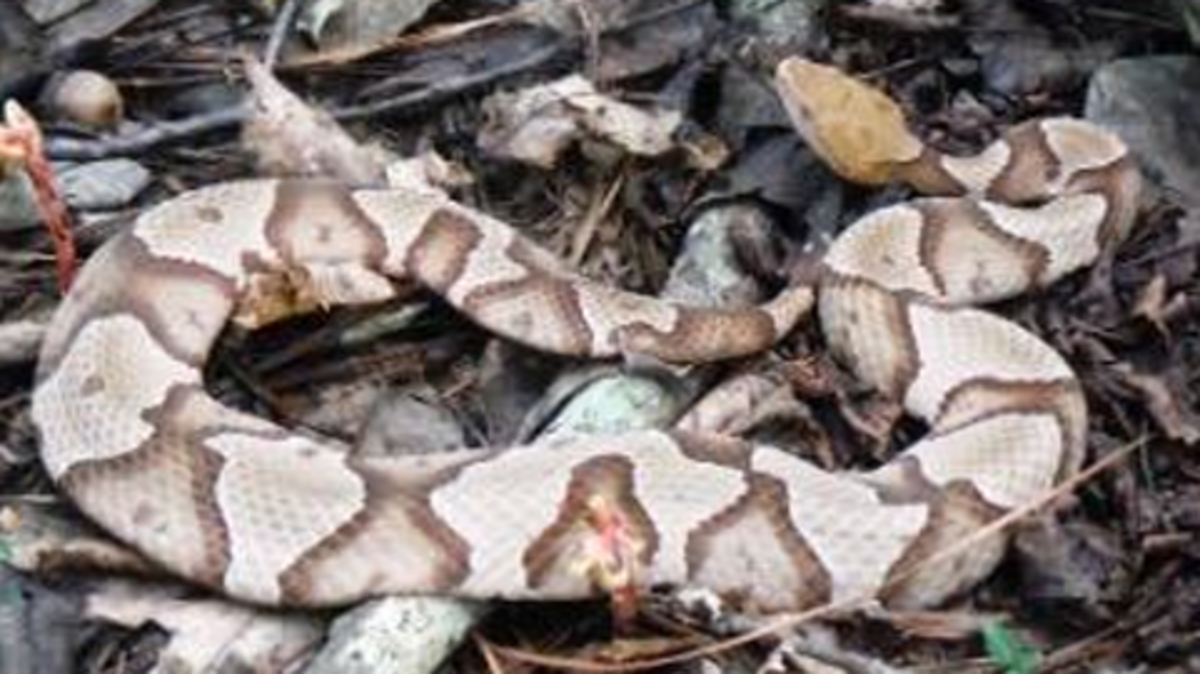
There are 38 species of snakes in South Carolina, but six of them are venomous, including Coral snakes (the most venomous), Cottonmouth snakes, Pigmy rattlesnakes, Eastern Diamondback rattlesnakes, Timber rattlesnakes and Copperhead snakes (the most common).
While fatalities are extremely rare from a snakebite in the U.S., every encounter requires a trip to the hospital due to possible bacterial infection or severe allergic reactions. Each year, around five people in the U.S. die from a venomous bite, according to the Centers for Disease Control and Prevention.
To avoid any chance of a snake bite, here are tips on how to deal with snakes after a bad storm:
Tips to deal with snakes on your property
NC State Extension, the educational outreach branch of NC State University, provided tips for homeowners who may have to take care of snakes after a bad storm. Here’s what you should do if you’re working outside:
- Wear heavy work gloves and boots (at least 10 inches high), long pants or snake leggings (if available) when working in areas cluttered with debris. Avoid wearing shorts when working with debris
- Make your yard unattractive to snakes by removing any debris that may be a good shelter for a snake. Watch where you place your hands and feet when removing or cleaning debris
- Never step over logs or other obstacles unless you can see the other side
- Watch for snakes sunning on fallen trees, limbs, and other debris
- If you encounter a snake, step back and allow the animal to proceed on its way. Snakes will often move out of the way, but watch where they go in case it’s another debris pile or under a house, car or other object
If you’re worried about snakes inside your property, follow these steps:
- If you find a snake in your house, don’t panic; try to confine the snake to a small area of the house. Non-poisonous snakes can be captured by pinning the snake down with a long stick or pole, preferably forked at one end, and then removed by scooping up with a flat-blade shovel
- If you are uncomfortable about removing the snake yourself, try to get help from a neighbor or someone in the community who has experience handling snakes (local Animal Control staff may not be available due to other emergencies)
- As a last resort, you may need to kill a poisonous snake. Club it with a long stick, rod, or other tool. Never attempt to kill a poisonous snake with an object that brings you within the snake’s striking range (typically 50%-75% to of their total length)