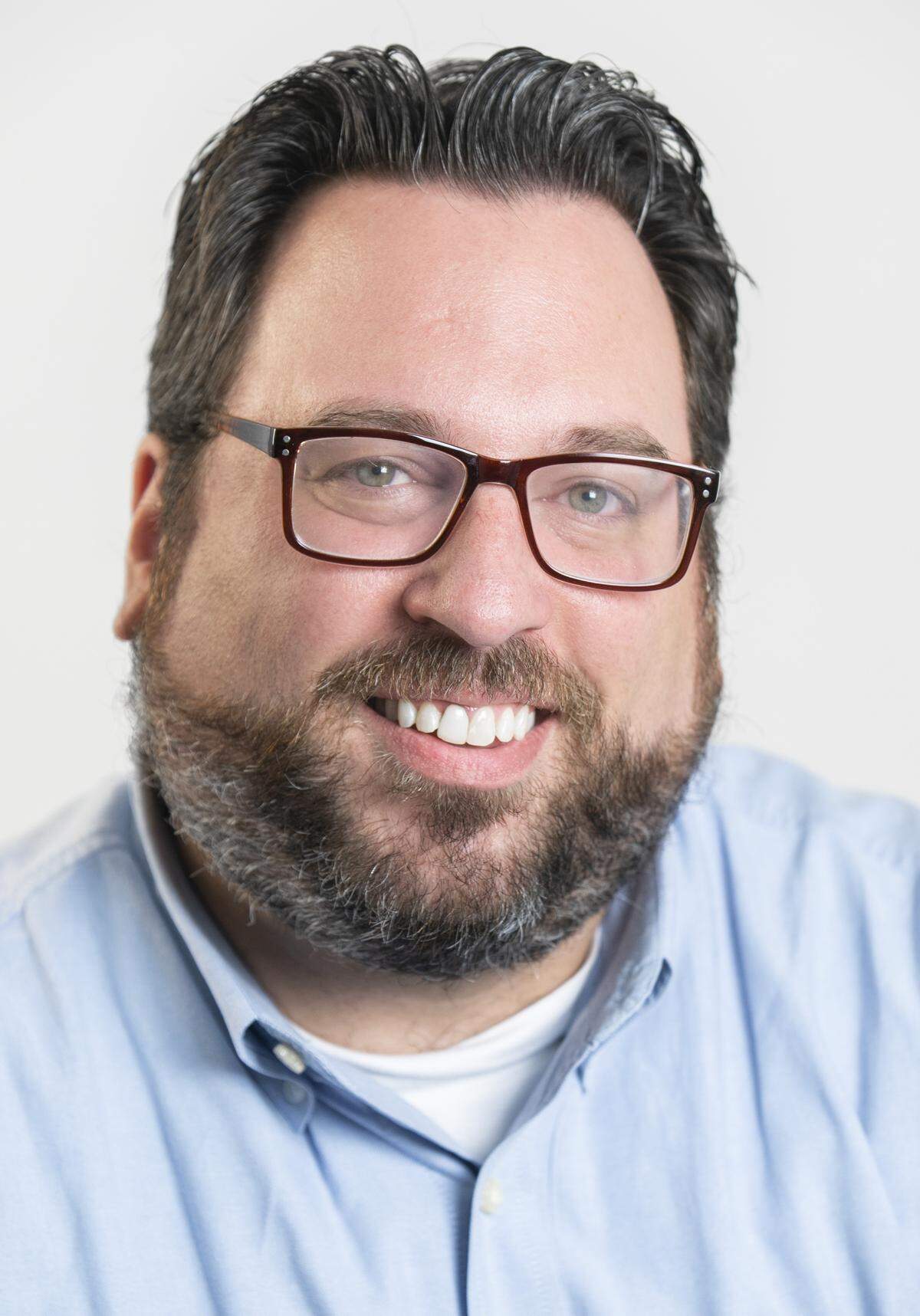
Motorcycle deaths hit a four year high. What’s causing the spike?
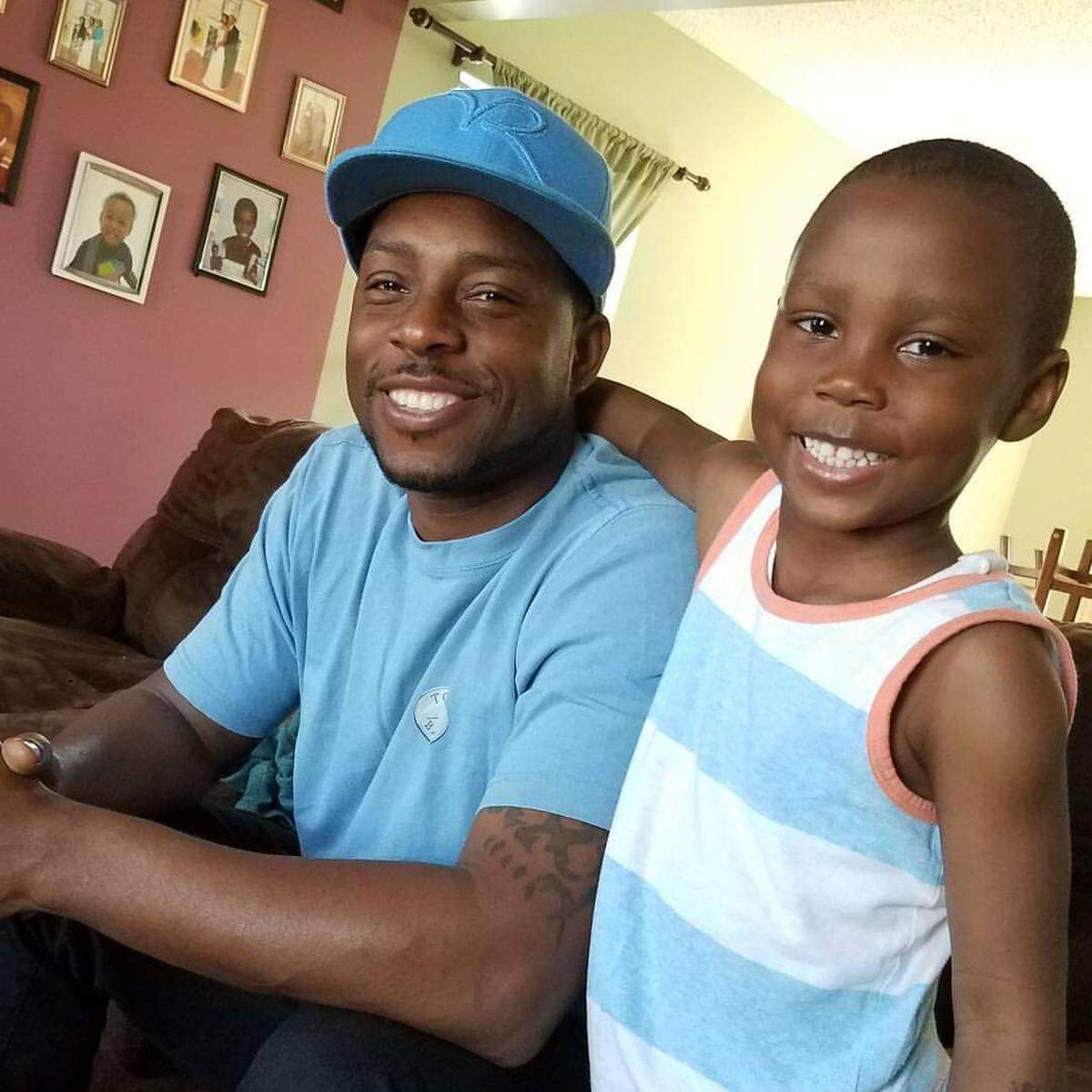
Robert “Shay” Garner’s smile could charm the devil. It’s one of the reasons Lillie Garner married him.
“Every memory, he always has a smile of happiness that would brighten up anybody’s attitude,” Garner said. “He had the most perfect teeth.”
In a memorial with Shay’s obituary, a friend said she would never forget his smile.
In July 2018, Shay rode his motorcycle on a commercial stretch near Garners Ferry Road of Lower Richland. A car turned into him near Abernathy Street, and the smile that warmed the hearts of many was extinguished.
Garner was one of 104 motorcycle riders killed on South Carolina roads in 2018. While those numbers are tragic, this year’s are even worse. With more than a month left this year, 113 motorcycle riders have been killed, according to the state Department of Public Safety. At the current rate, the state will end the year with 140 motorcycle fatalities, the highest since 148 were killed in 2016.
While the causes of motorcycle deaths are complex, distracted driving by other motorists is a leading factor in the increase, said state and local officials as well as motorcycle advocates.
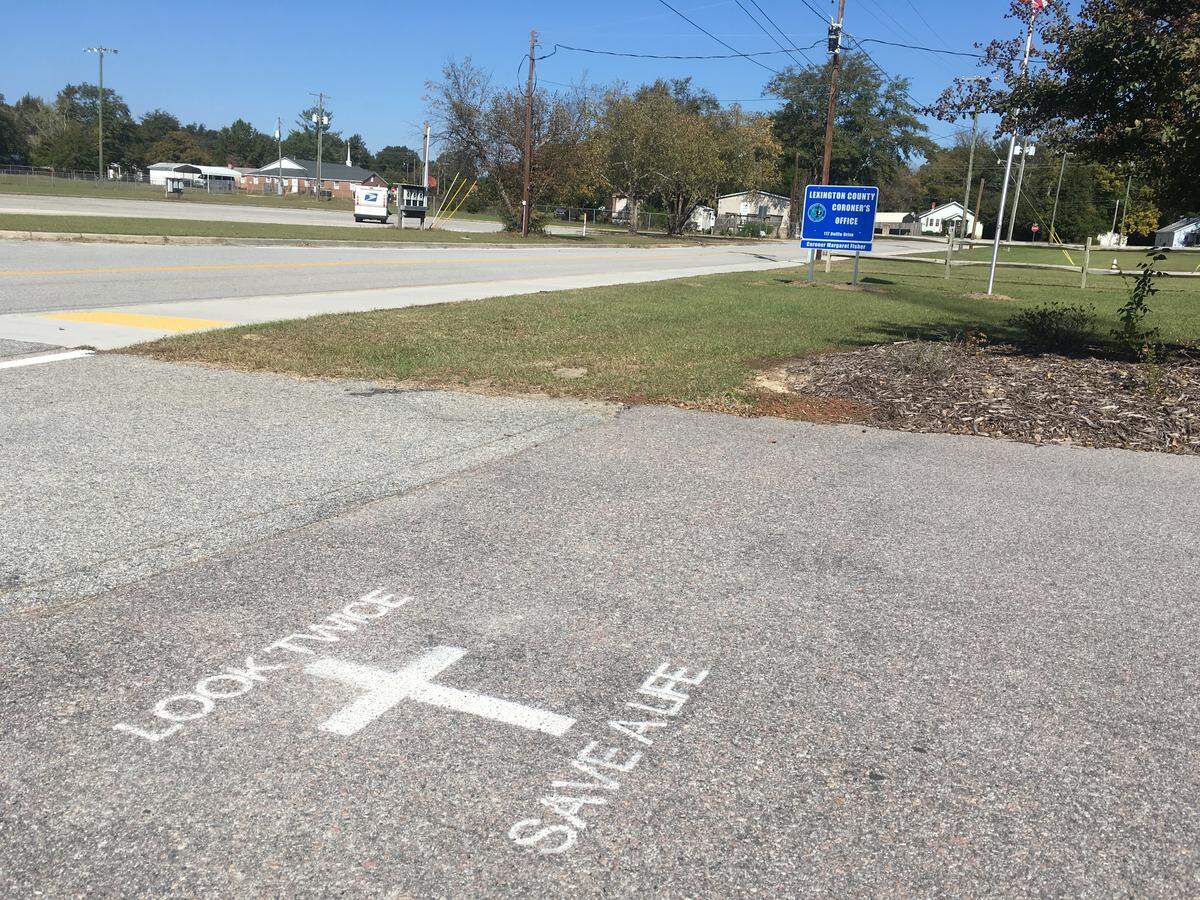
In Lexington County, eight motorcycle riders have been killed so far this year, according to Lexington Coroner Margaret Fisher. Five of them died when the driver of a vehicle turned or merged into the bikers.
Fisher used to ride motorcycles with her husband, she said, and they spent many Sundays on the road. But after she was elected coroner in 2014 and started examining the deaths of motorcyclists, she quit riding.
“It wasn’t the motorcycle,” she said. “It was the other (drivers) around.”
While Lillie Garner knows another driver was at fault for her husband’s death, she now believes motorcycles are not safe. Riders are accountable for their own safety, but motorcyclists are disproportionately tasked with accounting for other motorists’ driving safely as well.
What would she tell her kids if they wanted to ride?
“Your dad is not here from riding one those with the help of someone neglecting to drive safe themselves,” she said.
‘Funerals of all of these friends’
In South Carolina this year, 1,700 motorcycle collisions have injured more than 1,400 people, the Department of Public Safety reported.
Both injuries and fatalities spiked over the summer, with 22 bikers killed in July wrecks, six more than in any other month over the past two years, according to the DPS. From May to September, 76 people were killed in motorcycle collisions.
Chad Fuller, spokesperson for the motorcyclist rights organization ABATE (A Brotherhood Against Totalitarian Enactments) and a lawyer who represents riders and their families, is about to settle a case in which a biker was killed in Greenville by a distracted driver. The driver dropped something and reached down to pick it up, Fuller said. She drifted into the opposite lane and hit the oncoming motorcyclist, throwing his body into a tree.
“Once again it’s a case of distracted driving,” Fuller said. “It’s something many people might find themselves doing. It’s what we want to correct. ... Distracted driving can take away a wife and husband or someone else.”
Fuller said when many people are behind the wheel, they do everything they shouldn’t while driving. He warns drivers to “put the cellphone down. If you’re driving, use a hands-free device.”
David Jones, a master trooper with the South Carolina Highway Patrol, said drivers must watch out for motorcyclists.
“I want to remind commuters that they share the road with motorcyclists and they need to be aware,” Jones said. “Car drivers need to look out and watch for motorcyclists. People are driving distracted and then a motorcycle pulls out in front of them or switches lanes on them and we have a collision.”
Momentum is building at the State House behind the “South Carolina Hands-Free Act,” which makes it illegal to use a phone while driving, The State reported.
Texting and driving is already illegal in South Carolina. But police officers have said the $25 fine is too small to be a deterrent, and the law is essentially unenforceable because drivers who are pulled over can claim they were using their phones to navigate or make a call — both of which are legal.
The new bill would outlaw the use of a phone for almost any reason, even at stop signs or red lights. Drivers would be fined $100 for the first offense and $300 for any repeat stops. Drivers also would be penalized two points on their licenses for each offense.
“We want to see a greater punishment for distracted driving,” Fuller said. “The most horrible part is going to funerals of all of these friends.”
Fuller also offered advice for motorcyclists, who can make fewer driving mistakes because they are exposed and often move at high speed.
“Don’t ride in blind spots and be visible,” he said. “Be aware of your surroundings.”
Fuller said he’d also like to see bikers equipped with as much knowledge as possible before riding.
“Education is a factor,” he said, adding that motorcyclists in Virginia who complete a two-day safety program are 90 percent less likely to be involved in a fatal crash. “They need to know how to operate a motorcycle if something happens.”
Austin Wurtz’ father was one of the people killed this year even with decades of riding experience.
Paying the price for distraction
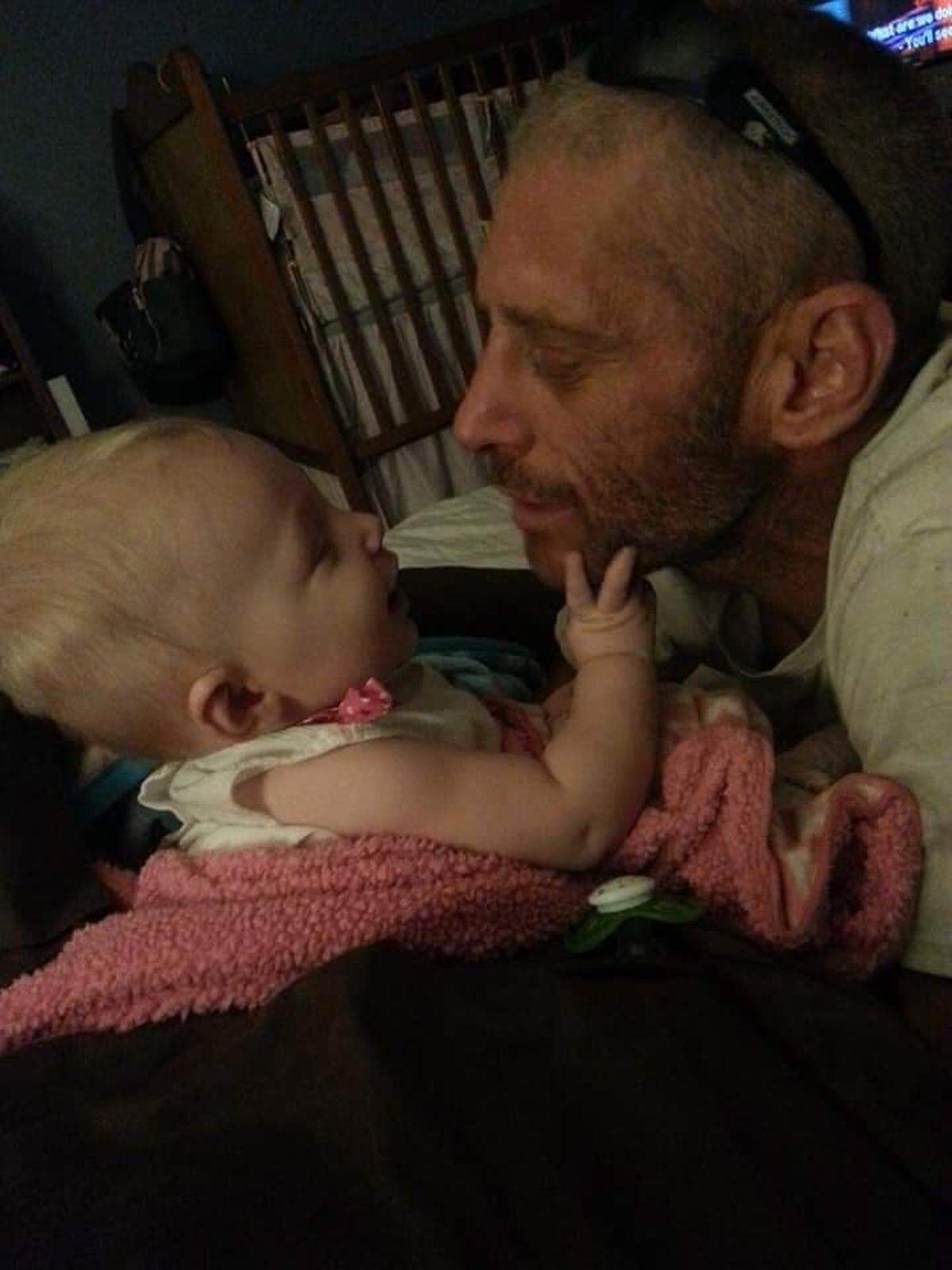
Austin remembered his father, Jeffrey Jay Wurtz, as the hardest working man he’d ever known. He also loved motorcycles.
“His whole life he grew up on motorcycles,” Austin said. “The guy could have been a stunt man with the things he could do.”
Jay Wurtz also suffered four motorcycle collisions, none of them his fault.
Austin’s mother frequently reminded him of Jay’s first collision about 20 years ago. Jay was riding his motorcycle from Charleston to Myrtle Beach and Austin, an infant, was riding in his mother’s car behind Jay.
A car merged into his father, who skidded out on the bike and slid under the car his mother was driving. She thought she’d kill him, Austin said.
In Jay’s other three collisions, other vehicles hit him. He died in September when a semi-truck hit him and drove away on I-20 in Lexington County, according to authorities. The truck driver has never been identified.
Jay was on his way home to his fiancé and their two daughters, an online fundraiser for his family said.
In Lexington County, motorcyclist fatalities are headed for a five-year high. As of early November, eight riders have died from collisions in the county, according to Fisher, the coroner. One more fatality would make 2019 the deadliest in Lexington County since 2014, when 11 bikers died.
Most of the fatalities happened from late May to late September, when the weather is warm and more motorcyclist are on the road, Fisher said.
“The visibility of a motorcycle is down and you add distracted driving into it,” Fisher said. “Motorcycles are paying the price for so much distraction.”
Riders’ deaths are up from last year in Richland County too, from four to eight, according to Richland County Coroner Gary Watts and the Highway Patrol.
By far, Horry County has been the most dangerous part of South Carolina for motorcyclists in 2019. More than 200 bikers have been injured and 22 riders have died in the coastal county that includes Myrtle Beach, public safety data shows.
Spartanburg is the only other county that has recorded more fatalities (nine) than Lexington and Richland counties this year.
While other drivers are often at fault in motorcycle collisions, riders can take steps to help protect themselves, Fisher and others said.
Riders could wear gear that makes them more visible, such as reflective vests or brighter helmets. But those safety garbs aren’t part of the motorcycle culture, Fisher said, and black leather is more likely to be worn.
Jones, the master trooper, advise riders to “dress for the crash, not for the ride.”
He encouraged bikers to wear helmets, glasses to protect their eyes, leather jackets and other body gear, as well as gloves to protect them from the road.
Of the 1,439 injuries reported in motorcycle crashes this year, just 18 riders were hurt while wearing protective pads and none were killed.
Alcohol and drug consumption is also a factor. In Lexington County, motorcycle drivers tested positive for alcohol or drugs in more than half the collisions that resulted in deaths from 2014 to 2019, the coroner’s data shows.
While dangerous in any vehicle, driving under the influence on a motorcycle is far more of a hazard for a motorcyclist. Also, other impediments on the road, like uneven pavement, non-ideal conditions and stray objects, can threaten bikers more than other motorist.
Austin still rides. He inherited a love for riding from his father, and, despite his death, riding is a love Austin keeps. But when he rides, Austin wears a helmet, he said.
The ‘helmet issue’
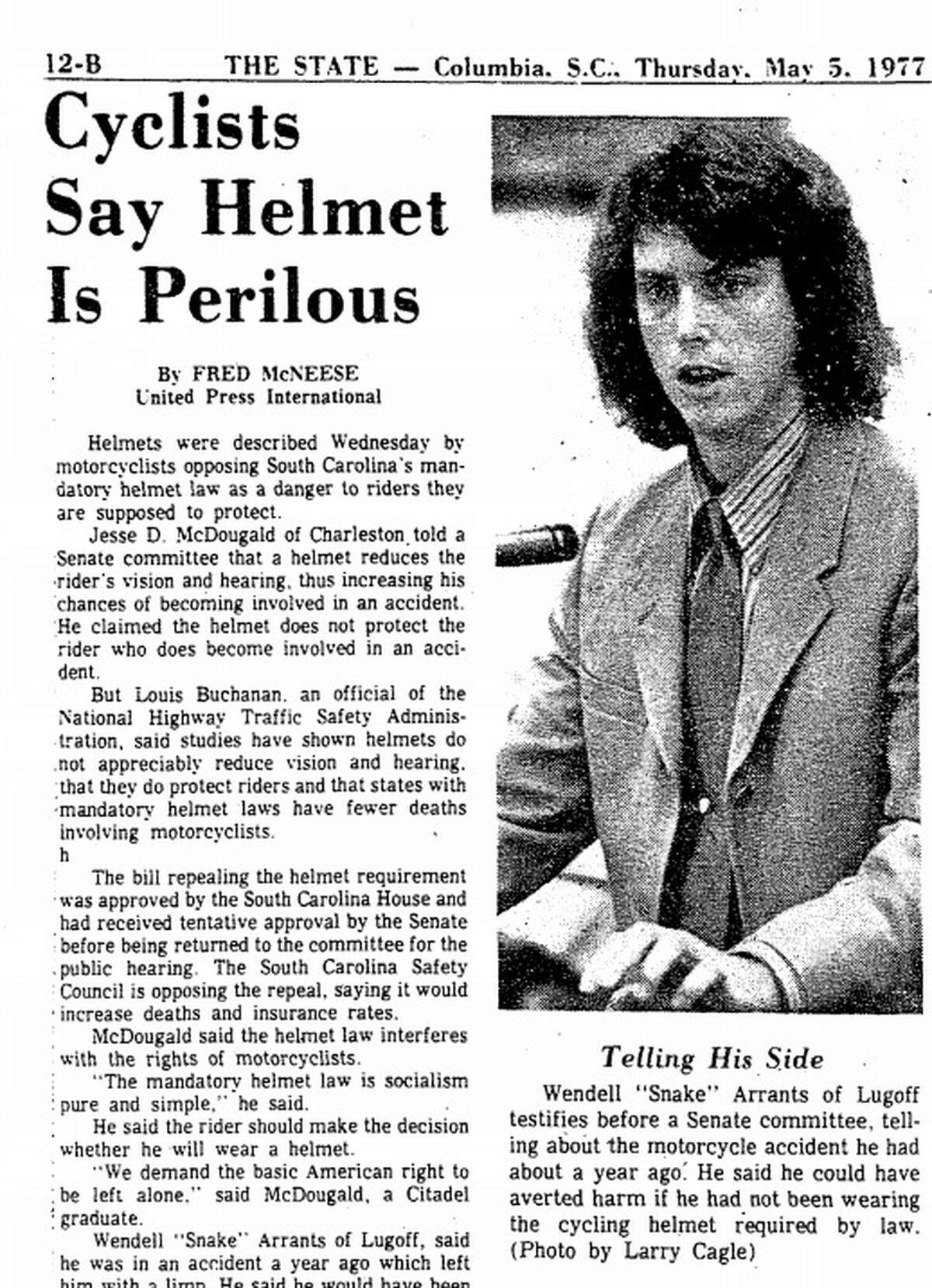
Helmets are a contentious issue among riders and public safety officials, with many debating whether helmets save lives or create a greater hazard.
Fuller, the spokesperson for ABATE, sees neck injuries caused by helmets, which he believes should not be required by state law. He said lessened vision and other detriments can be caused by helmets. The choice to wear a helmet should be up to each rider, Fuller said.
Before 1980, it was illegal in South Carolina to ride without wearing a helmet. The law was changed that year to require helmets for people under 21 years old. Riders older than that have a choice to wear or not wear a helmet.
Watts, Richland’s coroner, said the science is clear — wearing a helmet is the one step riders can take to decrease the likelihood of a wreck becoming fatal. Trooper Jones agrees.
“I have seen serious injuries and head trauma from a minor collision where a rider was not wearing a helmet,” Jones said. “I’ve been there when a passenger had a helmet on and walked away from a crash while a rider was not wearing a helmet and was seriously injured or killed. I saw it with my own eyes.”
This year, about one third of all injured riders (510 of 1,439) were wearing helmets. Of the 113 motorcyclist who died in 2019, 30 of them were wearing helmets.
A helmet saved Austin’s grandmother’s life when she wrecked, he said.
But Garner doesn’t believe a helmet would have saved her husband. “He had absolutely no head trauma at all,” she said.
Traumatic injuries other than head wounds often kill riders. Watts and Fisher, the two local coroners, and Fuller said they often see riders die from injuries to arms or legs.
Even helmet advocates agree that head protection is not a magic bullet to end or dramatically decrease motorcycle deaths because of the other types of fatal injuries that are caused.
Another factor in the rising fatalities is an increase in motorcycling. More people have taken up riding later in life, and many of them relocate or retire in South Carolina, according to Jones.
“They’re enjoying the weather we have down South,” Jones said.
While the DMV says 215,957 motorcyclists are registered to ride in South Carolina, 23,000 more than than in 2018, the Palmetto State is also a destination for bikers across the country.
Fuller agreed, saying lots of motorcyclists will come to South Carolina from other states.
“It increases the likelihood of accidents,” Fuller said. “South Carolina has beautiful areas to ride, and other people are coming to enjoy them as well.”
So are motorcycles safe?
That’s not a question for Fuller — he said motorcycles are safe, no doubt. He’s ridden his bike to Guatemala and back and made other long trips safely. But the “margin of error is much lower on a motorcycle,” he said. When driving on two wheels, not encapsulated, a driver cannot make the same mistakes.
“I operate a motorcycle much differently than I do a motor vehicle,” Fuller said. “You’ve got to be more cognitive of your surroundings. ... If an accident happens, you’re not getting ‘oh my back hurts.’”
“You’re getting ‘do I live.’ ”
Fisher and Watts share the sentiment. Motorcycles aren’t inherently unsafe, but dangers on the road are more of a threat to riders.
Old what-ifs about motorcycle riding aren’t what Lillie Garner thinks about today.
Though she and her husband spent many weekends together on their bike and that joy is inextricably linked to the sadness of Shay’s death, the motorcycle isn’t the first memory that comes to Garner when she thinks of her husband. The moments that she remembers are the rap battles he had with their kids and how he would playfully wrestle with them and all the other times Shay lived out one of his most striking characteristics — being a joyous father. In those moments Shay’s smile shined the brightest.
“He enjoyed being a father and great husband,” she said. “He had a huge heart.”
This story was originally published November 18, 2019 at 9:17 AM.