
Fast-growing Greenville could shut down all development in parts of city. Here’s why
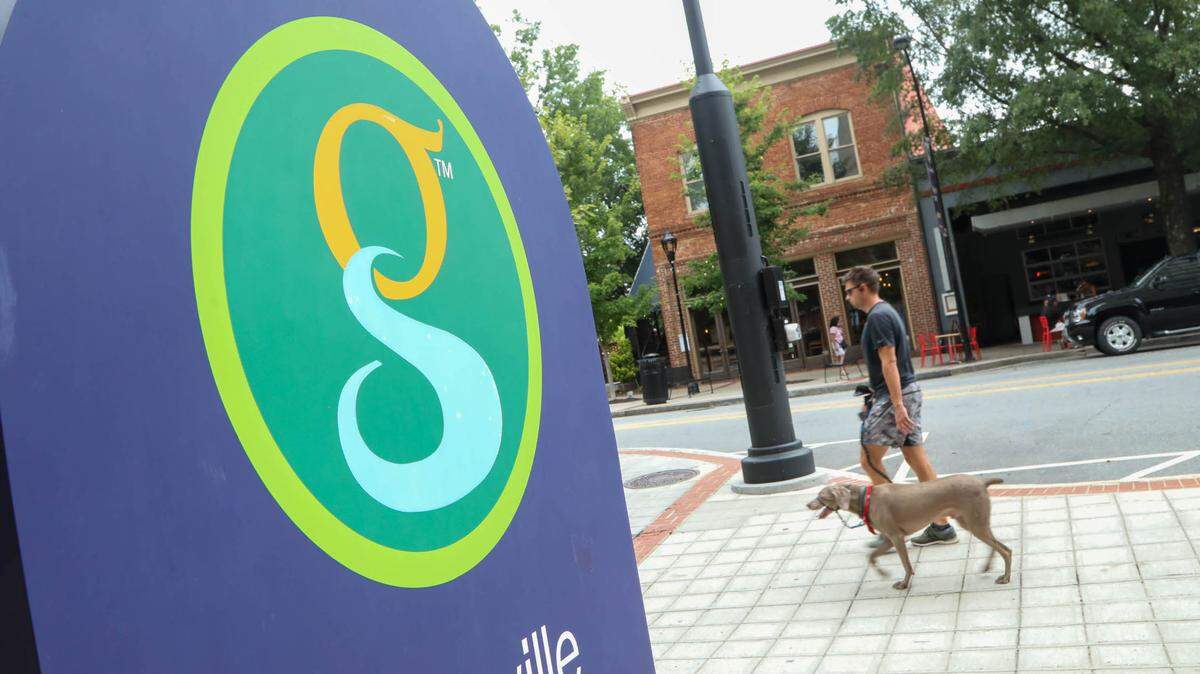
Anyone who’s been to Greenville lately can clearly see the pressure commercial development has put on neighborhoods.
Major roads into the city have grown with new and rebuilt restaurants, multifamily housing complexes, offices and most anything that will fit.
Tuesday night, Greenville City Council considered pausing much of that rapid growth by enacting a six-month moratorium on construction in areas outside downtown, including exceptions for the area around the under-construction Unity Park and anything else in process.
However, City Council said not yet to the moratorium. They voted 5-2 to revisit the idea in April after staff members talk to developers, neighborhood group presidents and members of the group that worked on a 20-year plan.
The moratorium would affect about a third of the land available for development throughout the city, most of it in historically Black neighborhoods where its representatives sought protection.
“We have the largest number of gentrified units,” said council member Lillian Brock Flemming. “My district is all two-story something.”
Flemming, a retired teacher, has served on council since 1991.
People call her day and night, she said, saying they don’t have any place to live.
She said developers were becoming millionaires on the backs of poor people.
Council member Ken Gibson said delaying a moratorium only gives developers time to get their plans into the pipeline.
“Then we will not be able to stop them,” he said.
He represents the Nicholtown area, a largely Black neighborhood that has been home to Black professionals for generations. He is a lawyer and a son of civil rights pioneers Dr. W.F. Gibson and Lottie Gibson.
“When we first started talking about this, it was about protecting neighborhoods from commercial creep,” he said.
Gibson said he was concerned about all the development that’s already happened and that adding more will harm the livability of the city.
“We’ve already opened the floodgates,” he said. “There’s no protection for the neighborhoods.”
All members agreed neighborhoods need to be protected, but some questioned whether moratoriums were the right way to do so.
Council member John DeWorken, a neighborhood activist and former vice president of the Greenville Chamber, proposed tabling the moratorium proposal to collect more information.
“I don’t want to throw cold water on good projects,” he said.
Council member Wil Brasington, executive director of the Clemson Alumni Association, said he believed a moratorium was “the wrong message at the wrong time.”
Several developers agreed a moratorium was a bad idea.
“A moratorium is what failed governments do when they fail to act,” said Frank Hammond, a shareholder at Colliers. He said he has four projects worth $2 million, and all abut single-family houses.
“It’s a lose-lose deal,” he said.
The council will take up the issue again on April 24.