
#Hugo30: Live updates from the storm of ’89
September 22, 1989
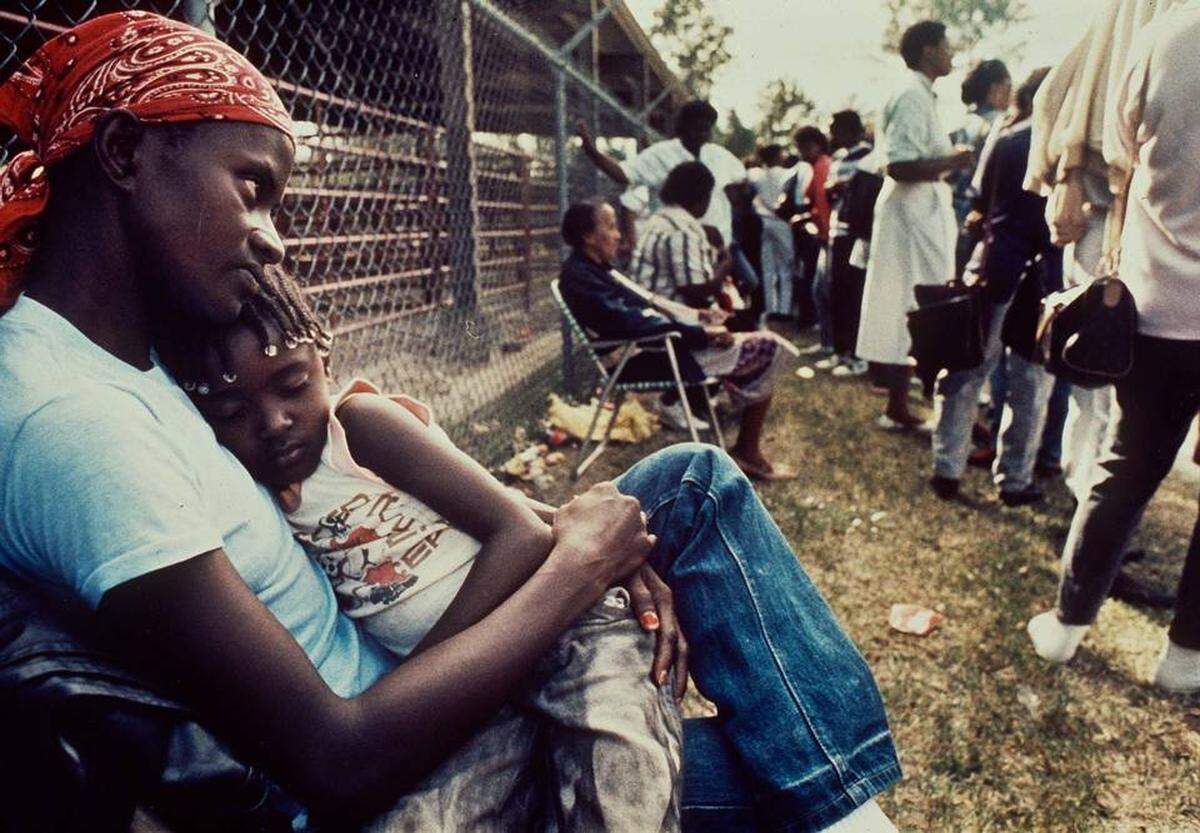
- Tales of horror left by Hugo will be told and retold
It will take months, or even years, for the coast to recover physically from the ravages of Hugo, which left Charleston and other cities looking like nuclear war zones.
But the people who lived through it will never forget the killer storm. They will retell for years the fear of the winds, the horror of the sight of their destroyed homes and businesses.
And they will remember the way people around them reacted -- sometimes admirably, sometimes irresponsibly, always individually.
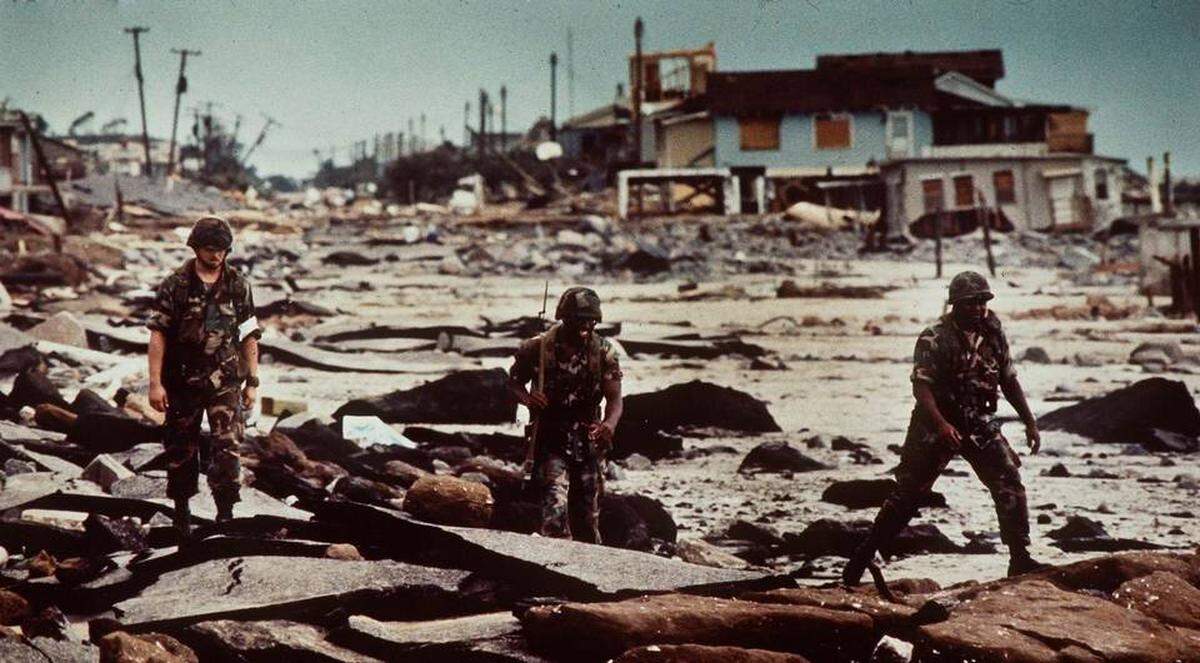
- Hugo hit coast with force of 460 atomic bombs a minute
In 24 hours, Hurricane Hugo released the equivalent energy of one-half million atomic bombs the size of the one dropped on Nagasaki 44 years ago.
And the storm, a heat engine sucking its strength from the warm sea surface, generated enough power to satisfy the total energy needs of the United States for six months, said Brian Jarvinen, a research meteorologist at the National Hurricane Center in Miami, Fla.
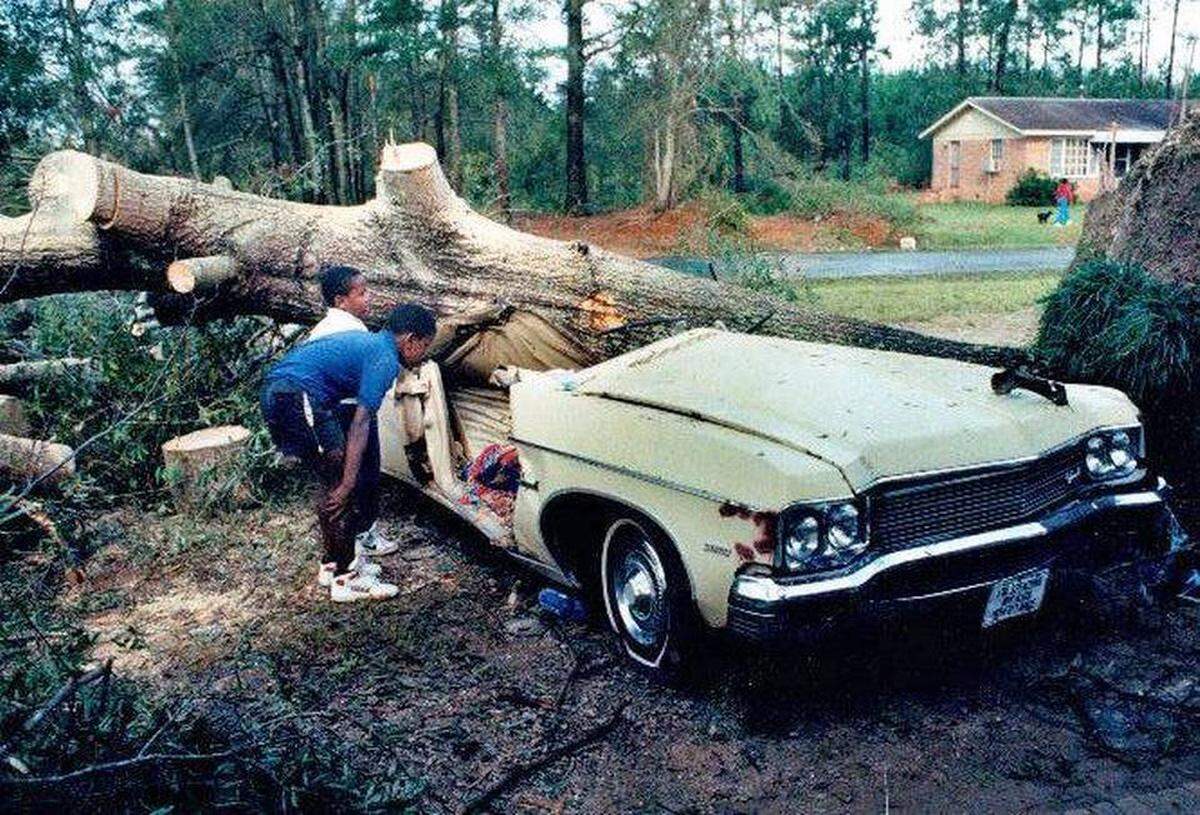
- Hugo’s damage to Midlands amounts to millions
The storm reportedly killed one person in Richland County and caused millions of dollars in damage in several inland counties, overturning mobile homes, tearing down power lines and ripping up trees as it moved northwest across the state.
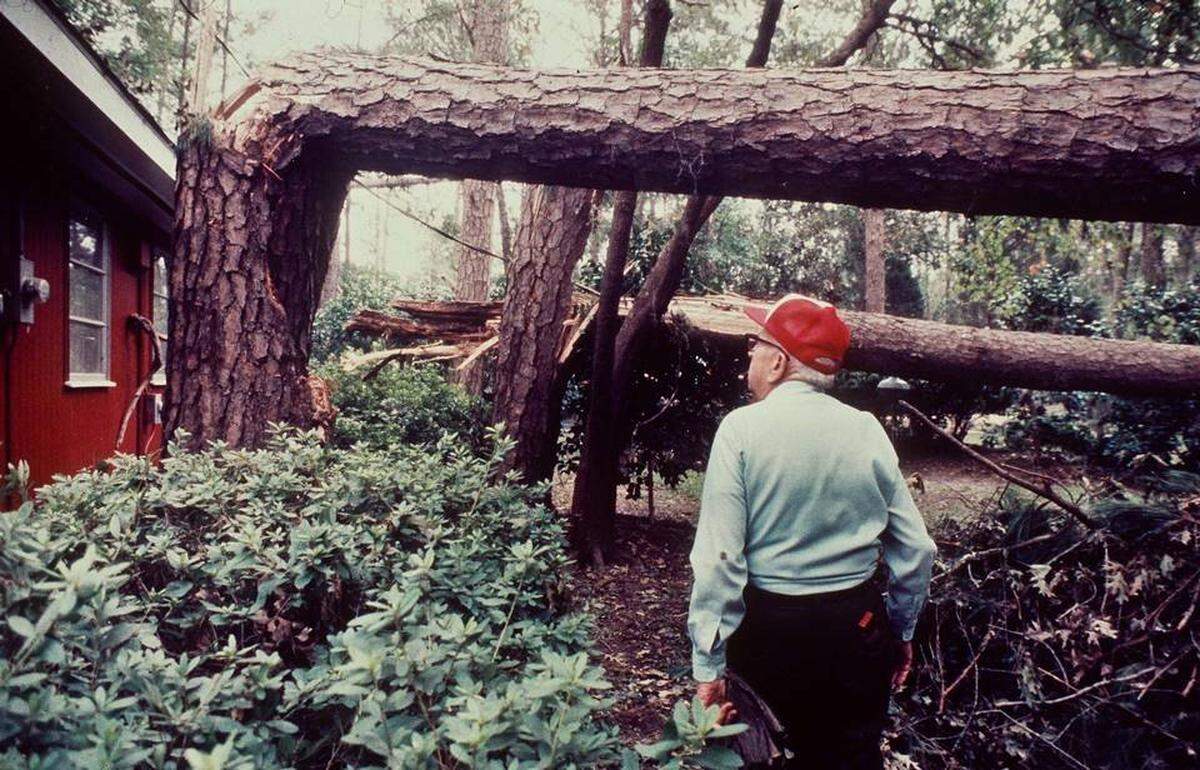
- Inland areas not spared. High winds caused most of the damage
A person in a mobile home was reported killed in York County, and a migrant worker was killed in Clarendon County, where the roof of the county courthouse was ripped off. A death also was reported in Lee County.
A tornado was reported at Lake Robinson, four miles north of Hartsville.
And in Florence, high winds peeled the roofs from the five two-story complexes at the Travelers Inn, scattering debris on the tops of guests’ cars. The Comfort Inn next door, and guests’ cars there, also were damaged. Only one person was reported to have sustained minor injuries from flying glass.
- Hurricane health trouble could start with tainted water
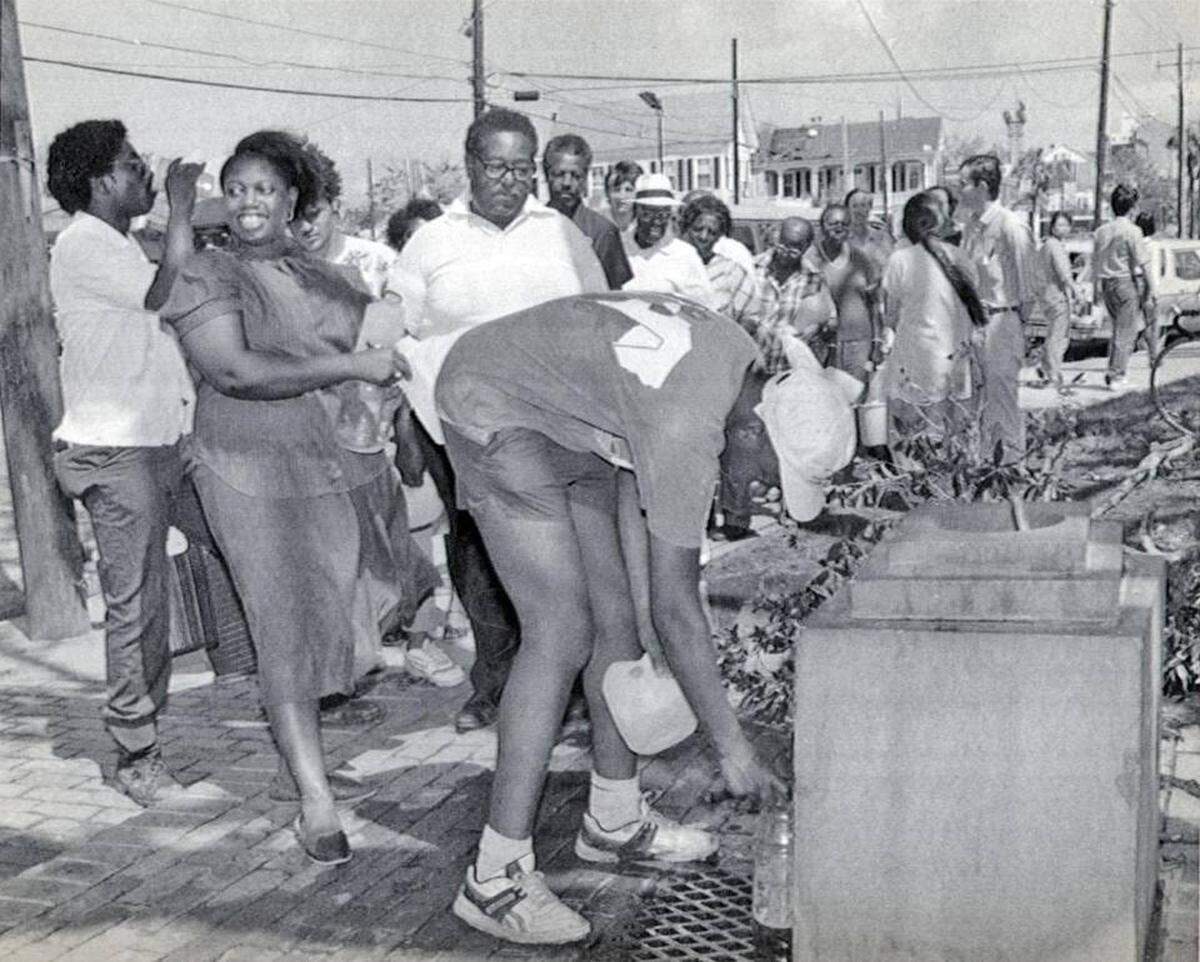
South Carolina health officials warned Thursday that the aftermath of Hurricane Hugo could pose a variety of health problems for those who are not cautious, with contaminated drinking water the most likely source of trouble.
”The broadest major health problem would be in water systems becoming contaminated,” said Michael Jarrett, commissioner of the state Department of Health and Environmental Control.
- Power out, roads blocked as Midlands begins cleanup
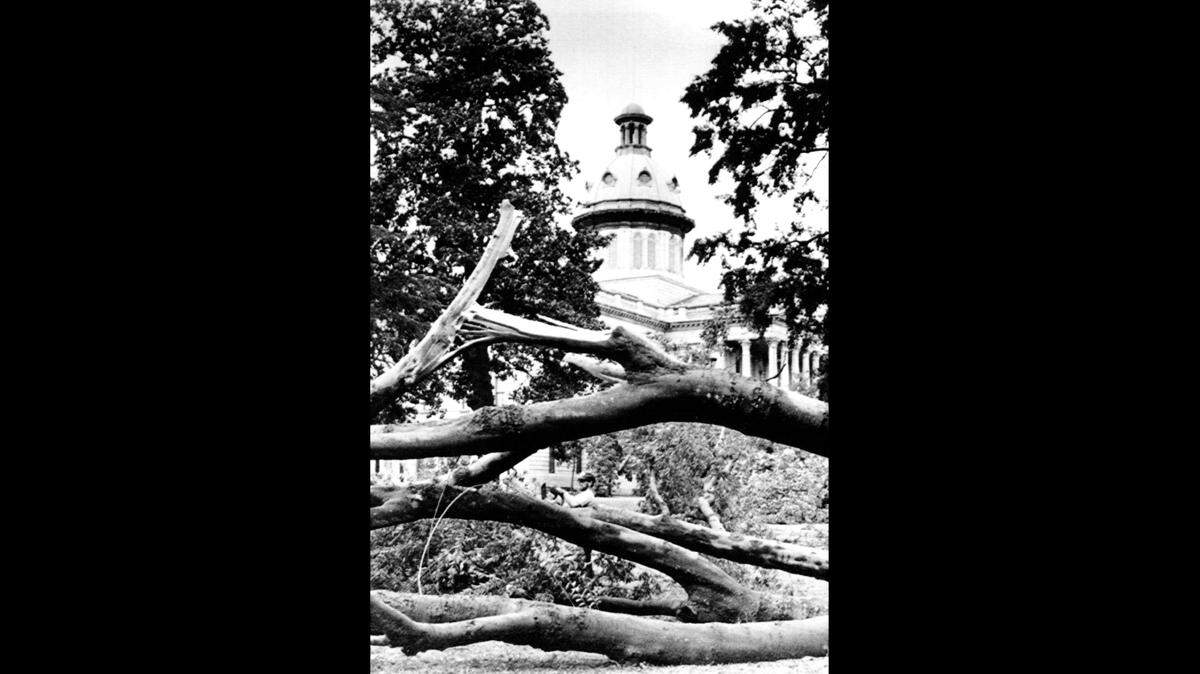
Savage winds strewed debris across the Midlands early Friday, leaving 135,000 homes without power and some with no telephone link to the outside world after Hurricane Hugo swept through.
The worst damage was in Eastover, where one man was crushed by a fallen tree, and uprooted trees pulled water lines out of the ground, leaving the town without water.
Hugo left in his wake fallen trees and wind damage throughout the Columbia area. Power lines were down, street lights were out, and some roads were impassable.
- Officials not sure how long power will be off
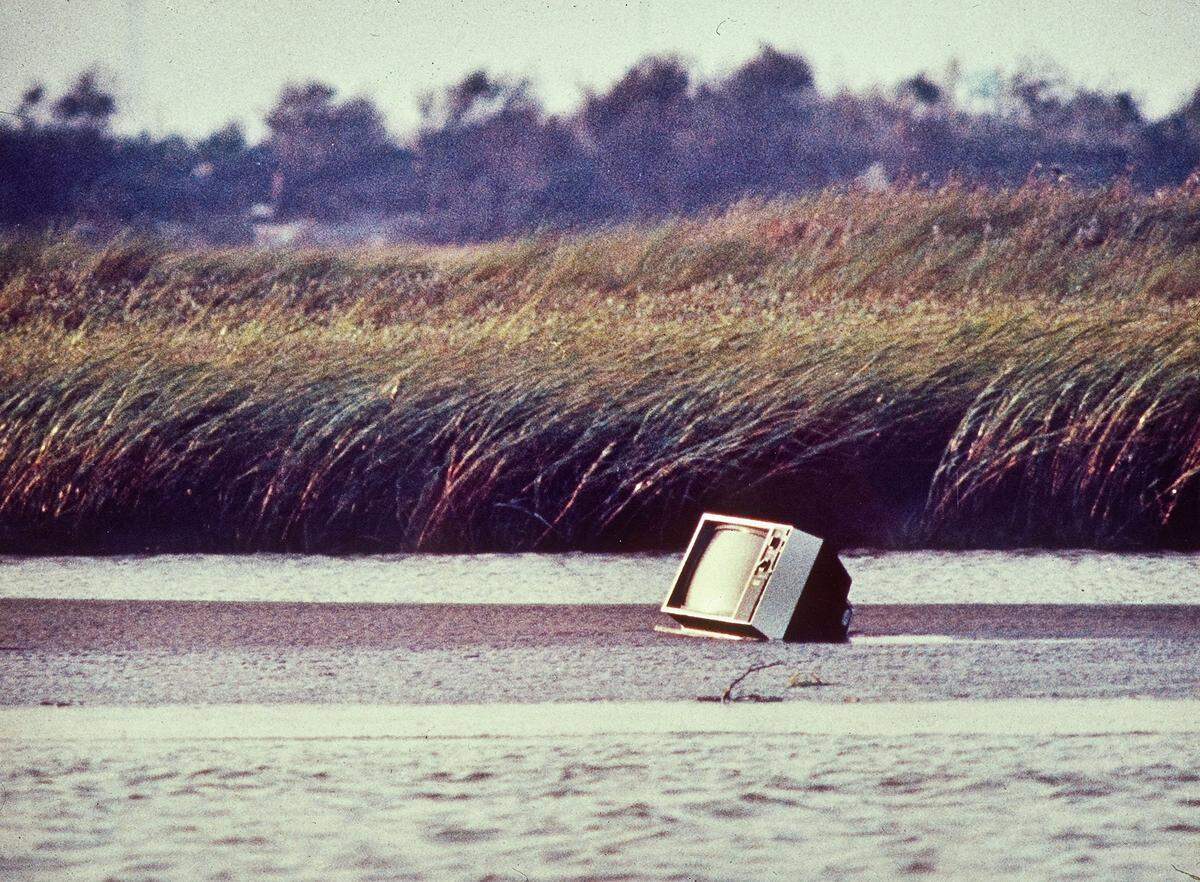
S.C. Electric & Gas Co. spokesman Robin Montgomery said three-quarters of the company’s 430,000 customers -- including 115,000 in Richland and Lexington counties and everyone east of Interstate 95 -- were without power after Hugo slammed through the state. He said it could take two or three days just to assess the damage from what was clearly the worst hit the company has ever taken.
”We are expecting a long period of time, and we do know that’s inconvenient, but this was truly a disaster, and it’s something that we have to deal with one day at a time,” Montgomery said. “In some cases, it’s like starting from scratch.”
- Storm hits SC coast at high tide
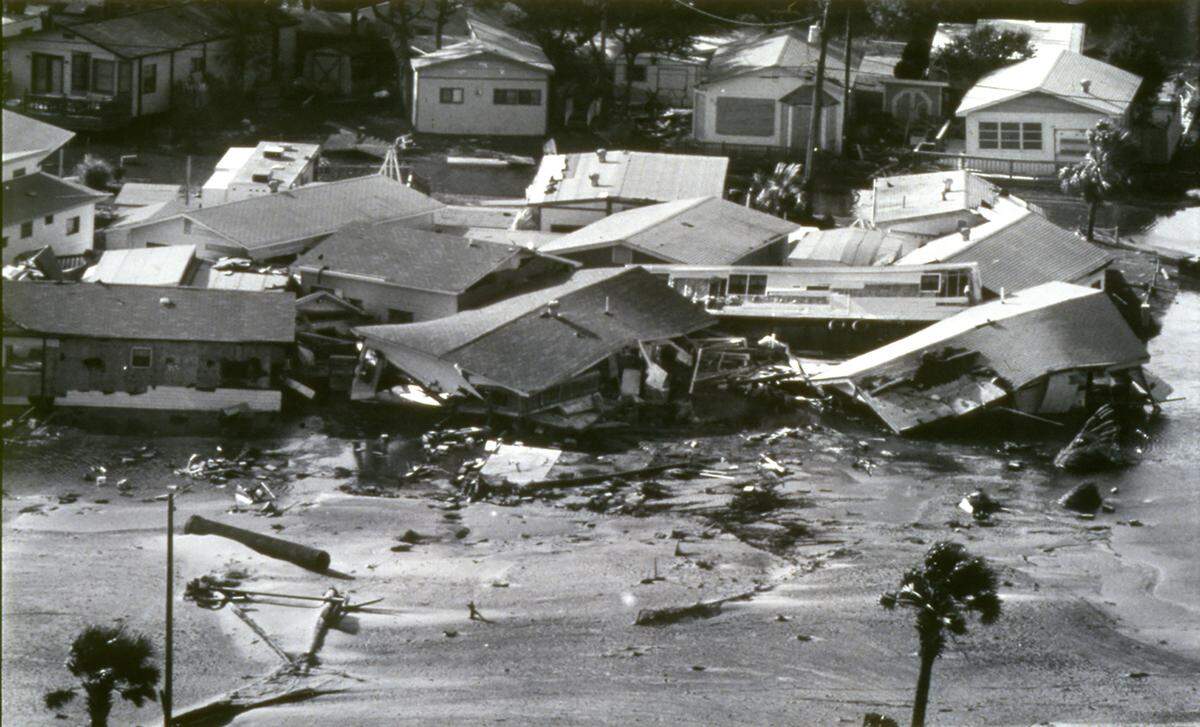
Hurricane Hugo, gaining in fury and speed as it slammed into South Carolina overnight, sent thousands of coastal residents fleeing from its 135 mph winds and a huge, wind-shipped storm tide of more than 20 feet that swamped shore dwellings.
September 21, 1989

- Partygoers in Columbia refuse to face Hugo dry
”We’ve had a lot of people coming in wanting to know if we have a Hurricane mix,” Jack Pruett, manager of Green’s liquor store, said. “If anybody out there has one, he can make a fortune,” he said, adding there’s a patent on the original Hurricane drink.
Yesterday’s restaurant and pub in Five Points and B.L. Rooster’s on Bluff Road had their own versions of the cocktail: both included rum and fruit juice.
Those drinks and other spirits kept bars and restaurants busy stocking up for larger-than unusual crowds. Video stores, liquor stores and party shops also were enjoying a boost in rentals and sales.
“We always have storm parties at Yesterday’s,” Virginia Funk, manager of the Five Points bar, said. “This just seems to be the place everybody comes when it gets wet” and the lights go out.
- Midlands may see storm eye
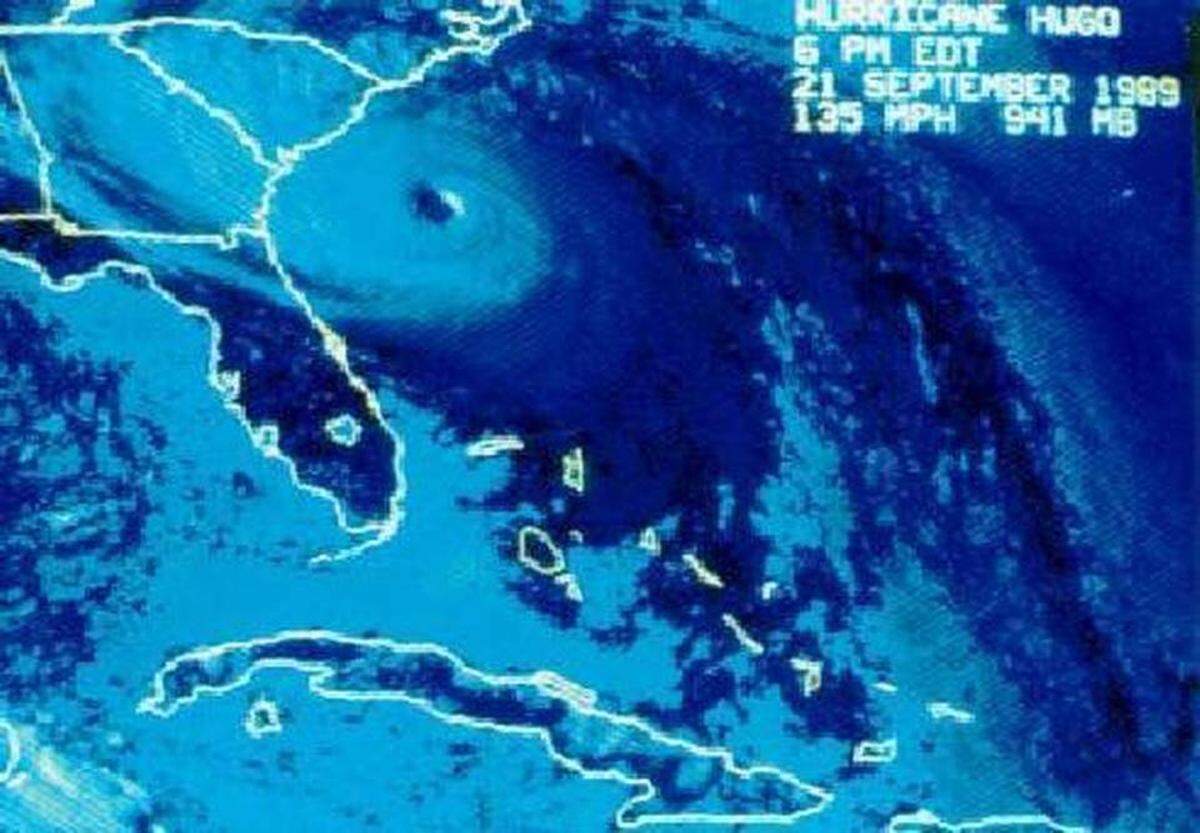
Winds up to 80 mph are expected to whip Columbia today as Hurricane Hugo does his worst, and the eye of the storm was expected to pass directly over the capital city.
The worst winds were expected before and after the calm eye of the storm.
Hugo at his least severe is expected to mean sustained winds of 40 to 50 mph, which should last most of today, the National Weather Service said.
Meteorologists said late Thursday the storm was headed straight for Columbia after hitting shore at Charleston.
- Life’s drama unfolds in face of Hurricane Hugo
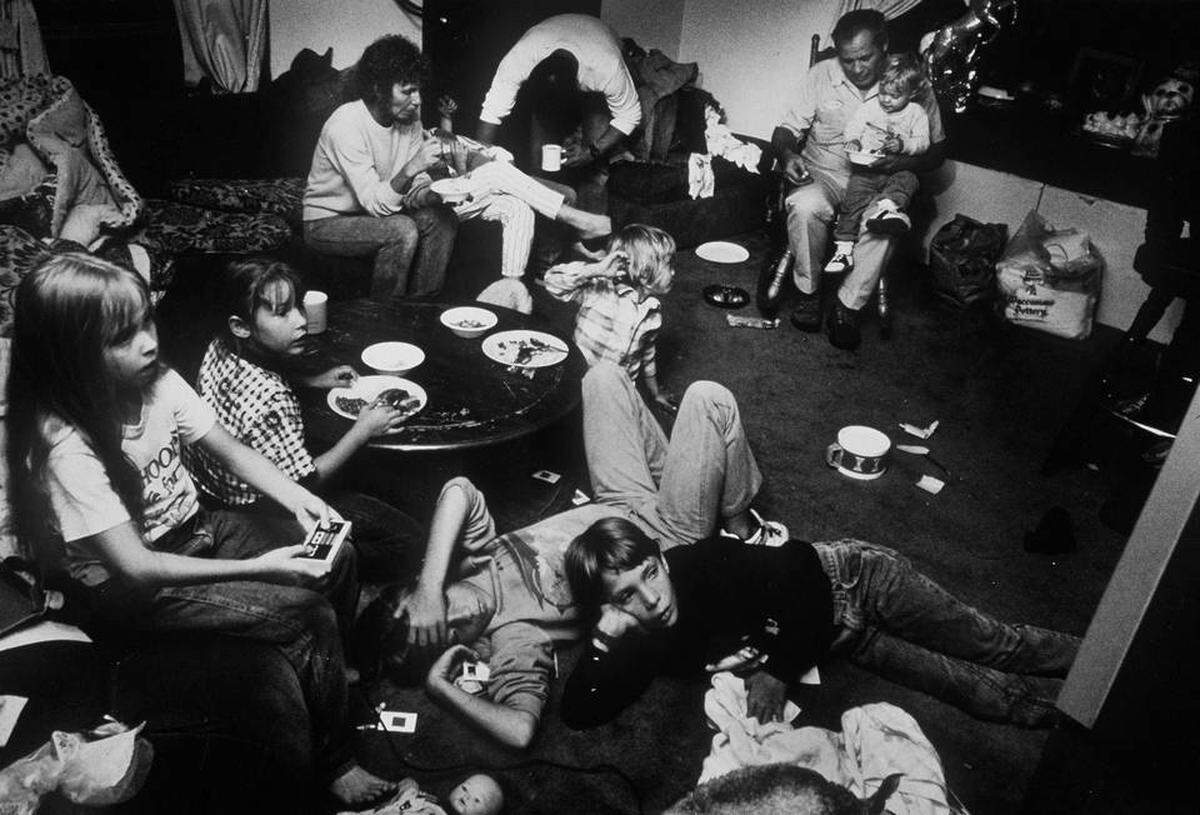
Finding shelter wasn’t easy for Louise Skolfield, who lives about a block and a half from the threatening ocean at North Myrtle Beach. It took Ms. Skolfield more than four hours to drive from her home to a shelter in Conway, 25 miles away.
“I did take a few pictures before I left so I’d have something to remember my home by if it’s not there when I get back.”
- People fleeing Hugo find inns filled
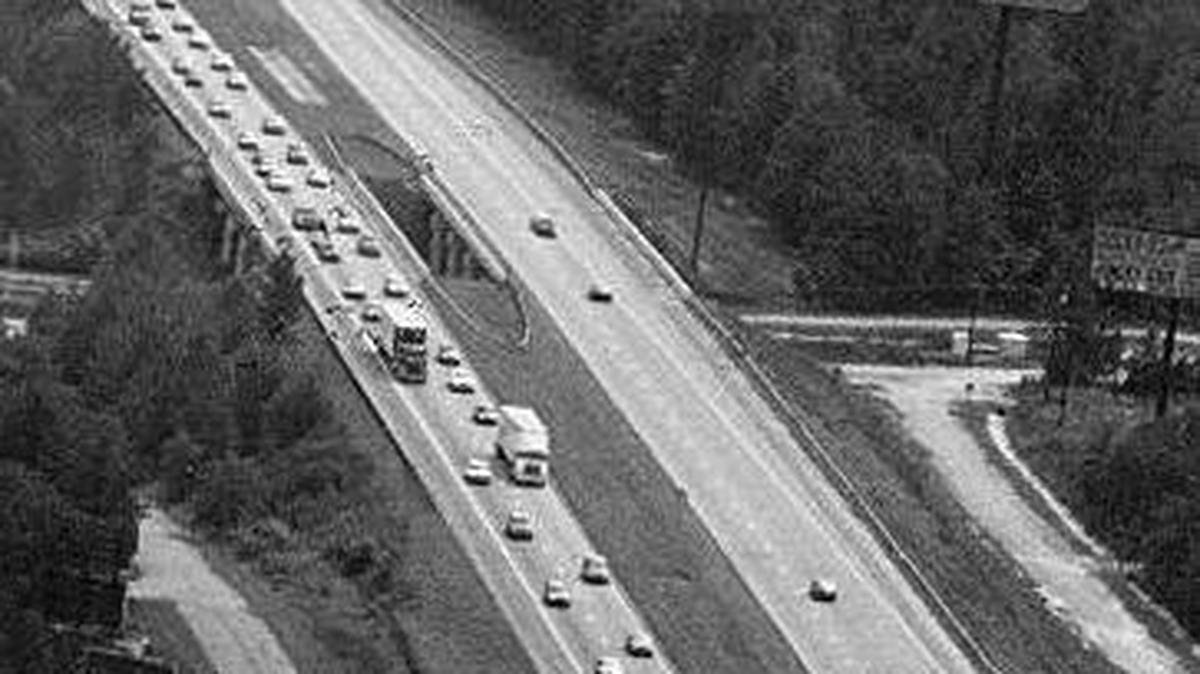
South Carolina hotels and motels were flooded with evacuees forced to leave their homes in anticipation of the destructive force of Hurricane Hugo as it marched toward South Carolina’s idyllic coast.
By midafternoon Thursday, hotels near interstates were booked.
”We’re full, and we have people coming off the highways constantly. It’s a madhouse,” sales director Lisa Rosenblum of the Days Inn near Columbia Metropolitan Airport said at 11 a.m. “I’ve had at least 100 phone calls in the last hour from people asking us if we had any rooms left.”
- Hugo deals prep football a blow
With the threat of poor weather conditions resulting from Hurricane Hugo, several South Carolina High schools have moved this week’s football games to tonight, and several games have been postponed until Monday.
A number of other schools in the Lowcountry and beach areas are expected to review their situations today and may postpone their Friday night games.
September 20, 1989

- Campbell urges coastal residents to begin retreat
Gov. Carroll Campbell declares a state of emergency, and is contemplating mandatory evacuations as Hurricane Hugo bears down on the South Carolina coast.
Campbell, in making the emergency declaration, said, “We need to be cautious now. People that can ought to go ahead and prepare themselves. If they have somewhere to go inland, they ought to go.”
- Coast anticipates storm’s onslaught
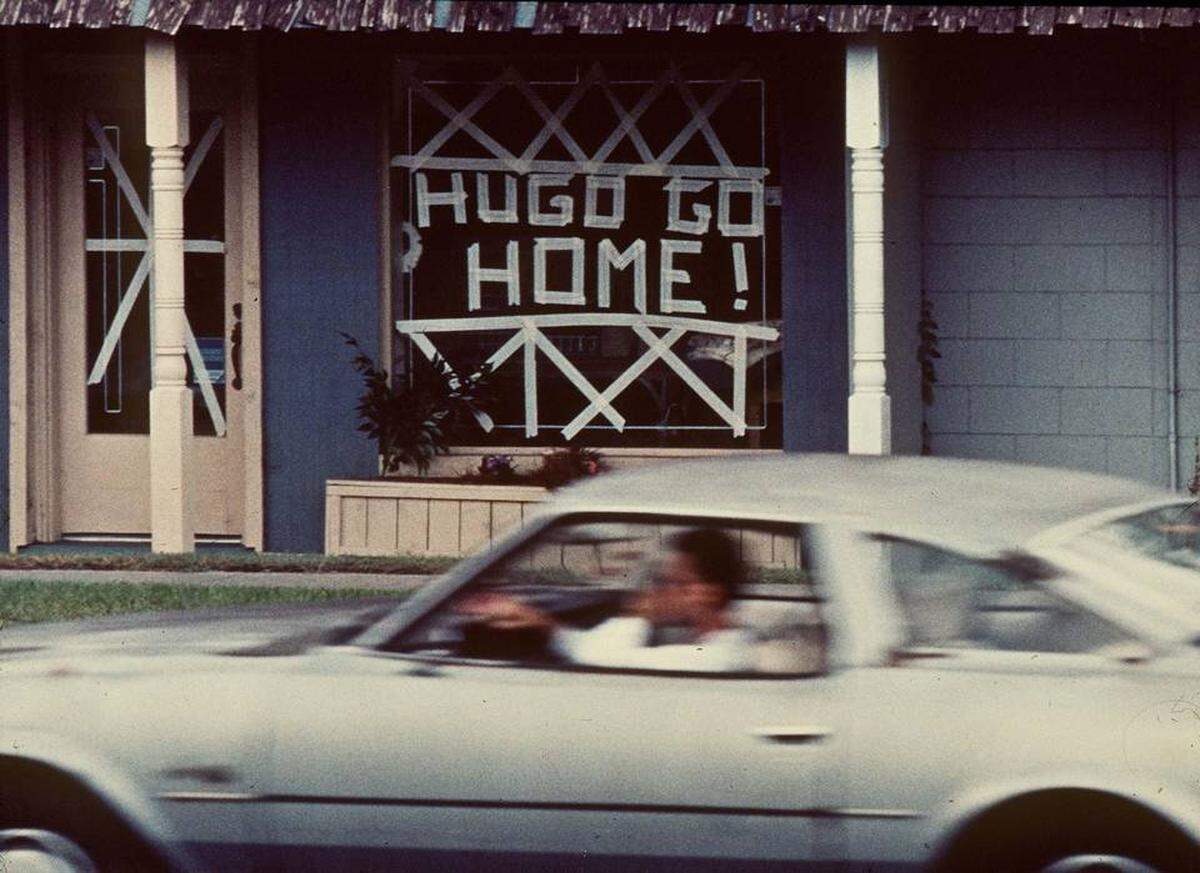
As Hurricane Hugo whirled toward a South Carolina coast that’s convinced he’s no lightweight, folks from Myrtle Beach to Hilton Head Island hustled to prepare for the worst.
Batteries, tape, plywood — recommended accessories for those within hurricane striking distance — were difficult to find Wednesday in many coastal areas.
“When it comes right down to it, in a situation like this, there isn’t any real good place to be,” said Bill Finch, dock master of the Wild Dunes Yacht Harbor near Charleston.
In North Carolina, coastal residents kept a wary eye on the storm.
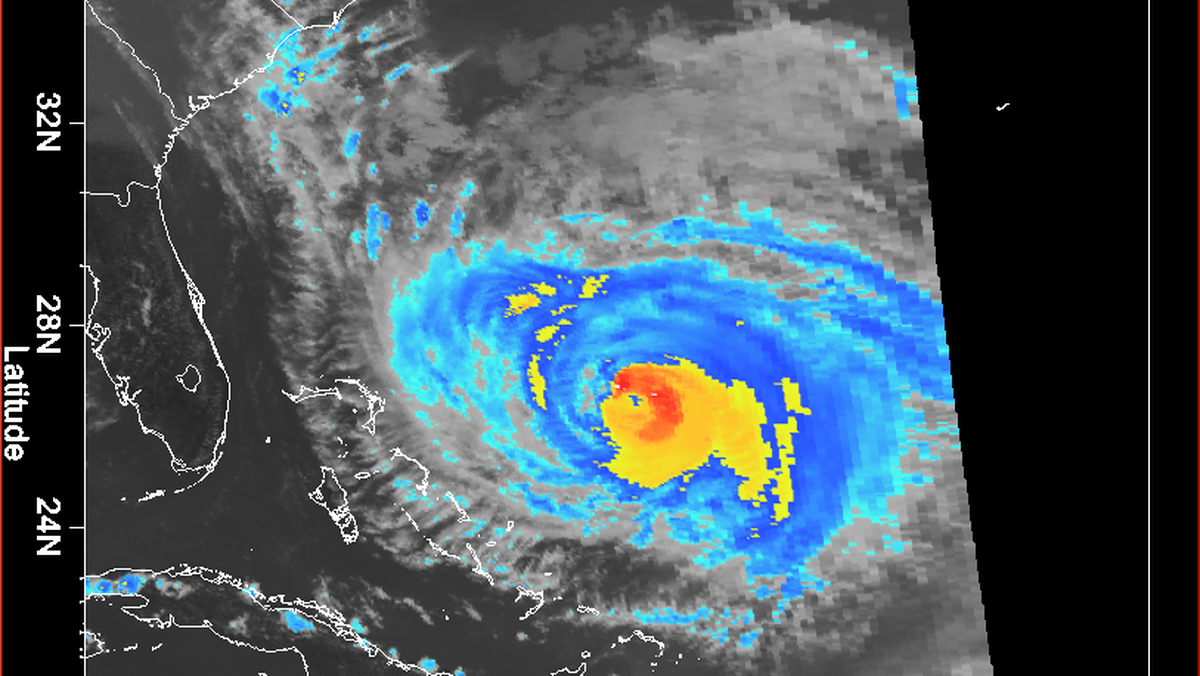
- Hugo could spawn tornadoes, gales, heavy rain in Midlands
Tornadoes, flooding and hail may be Hurricane Hugo’s greeting card to the Midlands if it slams into the South Carolina coast Friday.
“Taking the worst-case scenario, we could have gusts of wind up to 50 to 60 mph for two to three hours and probably at least 6 inches of rainfall,” Milt Brown, a meteorologist at the National Weather Service, said Wednesday.
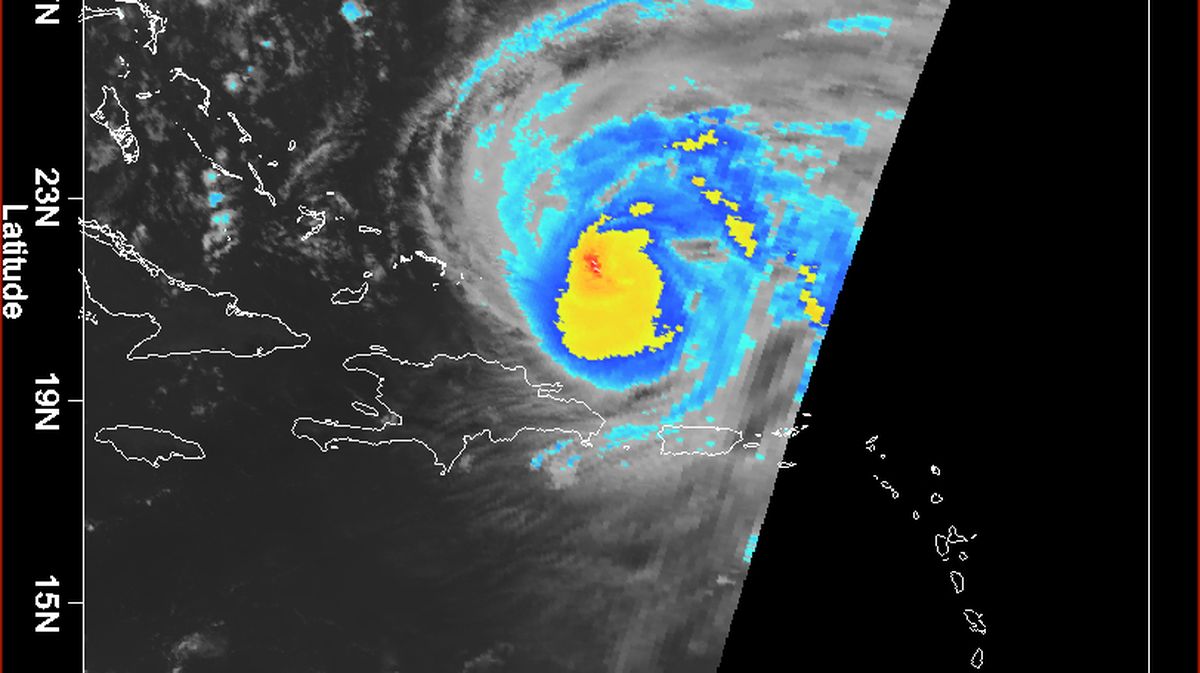
- Coastal SC gears up for Hugo
Disaster relief agencies along the South Carolina coast spent Tuesday gearing up for Hurricane Hugo and fielding calls from antsy residents eager to know the storm’s path.
“We’re seeing a lot of concern. We’re getting a lot of phone calls from people asking about the hurricane,” said Cathy Haynes, deputy director of civil defense for Charleston County. “The possibility of us getting some sort of effect from it is getting greater.
“Some coastal supermarkets were swamped Tuesday night as residents stocked up in case Hugo hits.
“You should see it right now, it is really busy and we’re really backed up” said Lynnett Goerman, office manager for a Myrtle Beach Food Lion. “I haven’t seen too many people buying flashlights, most are buying a lot of beer and wine.”
September 19, 1989
- Hugo’s aftermath hurricane follows beaten path, effect on SC uncertain
Hurricane Hugo, potentially the worst storm to affect the Southeast in a decade, is on a track well-worn by other hurricanes that have hit South Carolina, although no one knows yet where it is headed.
“Hurricanes respond to pressure changes aloft,” he said, “and at the present, Hugo will continue on its northwest course. But there appears to be a good possibility of a blocking action which will make its path uncertain after Wednesday. That’s the problem. When they get blocked, then you don’t know where they will go.”
As if it weren’t difficult enough to forecast Hugo’s path, there is the additional complication of Tropical Storm Iris, which is trailing Hugo in lock-step about 650 miles to the east.
“The forecast puts Hugo a couple of hundred miles east of Cape Canaveral at 8 a.m. on Friday,” Sidlow said. “But that forecast is for guidance purposes only and could be off by several hundred miles. Currently, we are not sure if South Carolina will be affected.”
September 18, 1989

- Ham radio operators play vital role in crises
Ham radio operators in the hard-hit Caribbean have been busy serving as the only link between the battered islands and a worried mainland.
Walter Ockoskis of Columbia is one of many ham radio operators who have helped out in the last few days. On Monday, he was able to help a woman who was isolated on St. Croix, one of the U.S. Virgin Islands, get in touch with her father in Massachusetts.
Ockoskis patched his radio through the telephone, and the woman was able to talk to her father directly.
The role of radio operators in South Carolina would become even more important if Hugo hits the state’s coast, operators say.
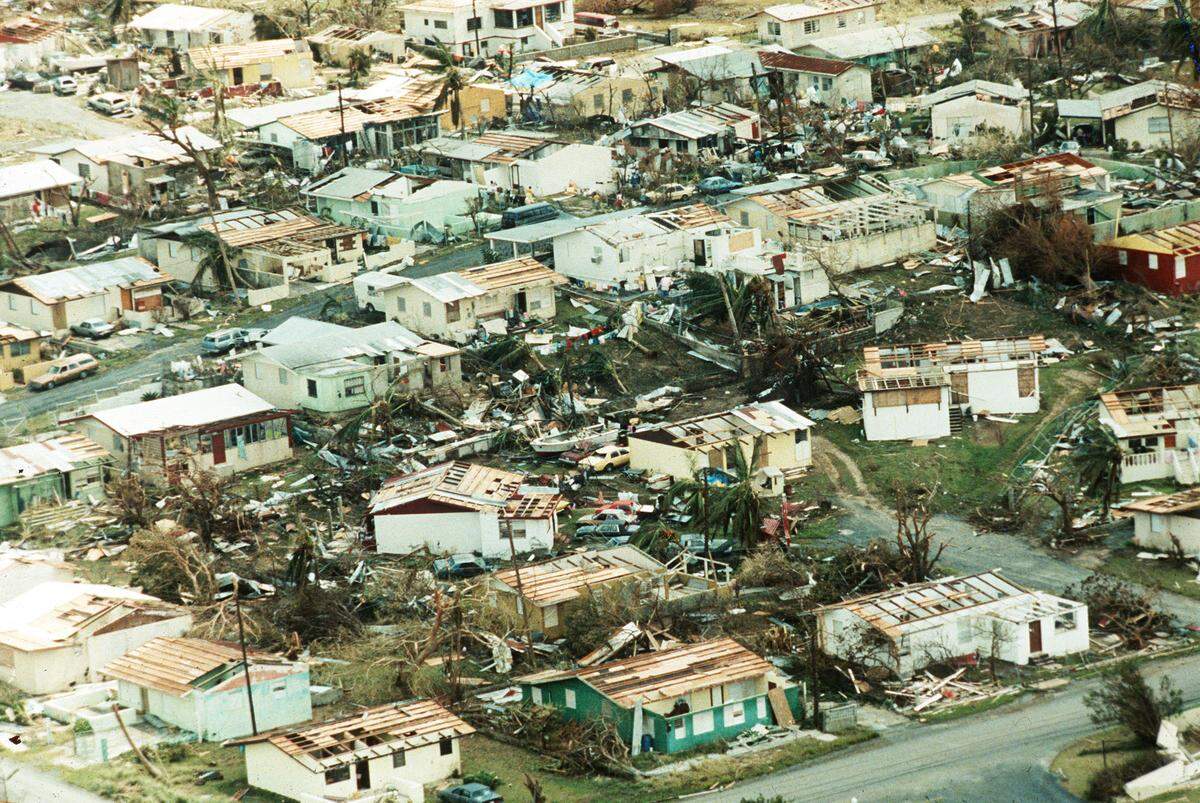
- Hugo slams Puerto Rico, Southeast in danger unless storm stalls
Hugo’s 125 mph winds slammed into the eastern tip of Puerto Rico and skirted the northern coast before roaring to the west-northwest toward the edge of the Dominican Republic and the Bahamas.
If Hugo moves along as quickly as it has so far, meteorologists say, it should approach the U.S. coast just in time to catch a ride on a huge current of air that will probably guide it to a landfall somewhere between northern Florida and southern North Carolina.
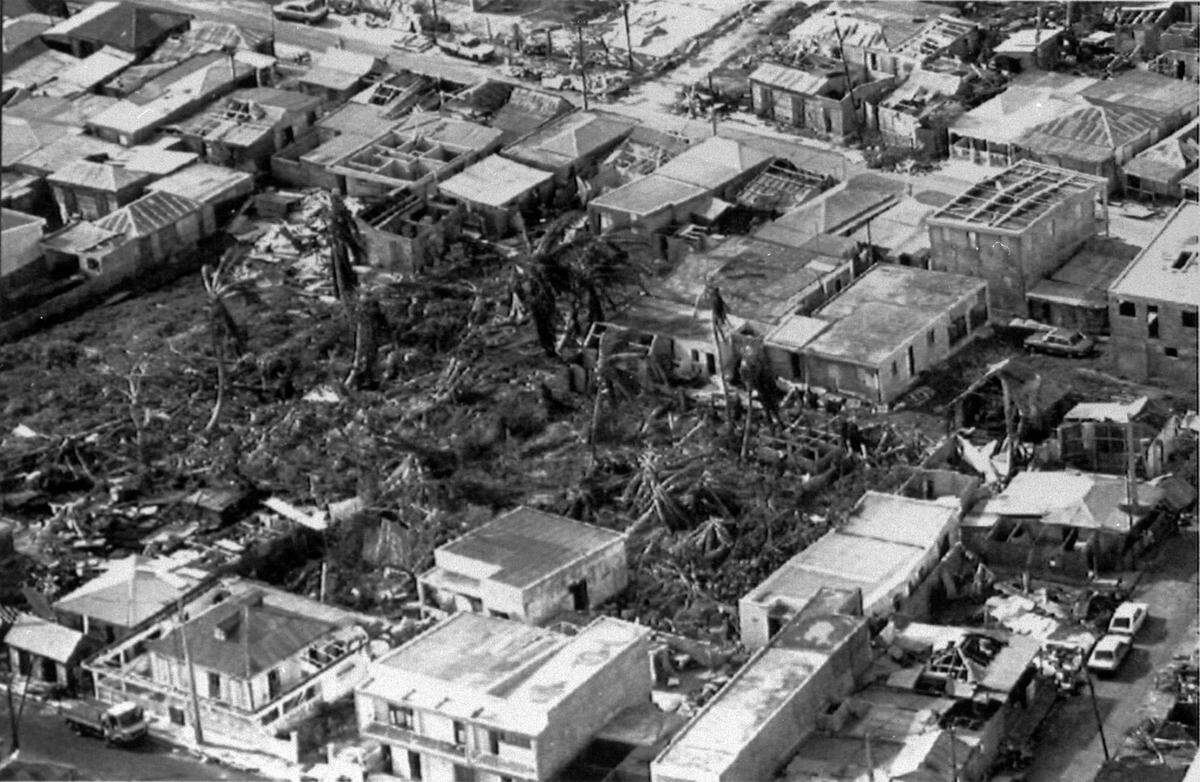
- Hugo takes aim at Puerto Rico
Hurricane Hugo smashed into the U.S. Virgin Islands and was on a collision course with Puerto Rico late Sunday after ripping through the Caribbean with 140 mph winds and leaving at least six people dead.
The islands of Guadeloupe, Montserrat, Martinique, St. Thomas, St. Croix and St. Francois were particularly affected.
The major of the village of St. Francois, Ernest Moutoussamy, said on Radio Caribe Internationale that “There’s nothing left of St. Francois.”
September 17, 1989
- Caribbean islands cautious of Hugo
The National Weather Service in Miami issues hurricane warnings Saturday for the U.S. Virgin Islands and for Puerto Rico, which previously had been on a hurricane watch. The warnings were posted from Martinique northward and westward through Puerto Rico, including the British Virgin Islands and St. Martin and surrounding islands.
September 16, 1989
September 15, 1989
September 14, 1989
September 11, 1989
- The eighth tropical storm of the season has formed off coast of West Africa. Its name: Hugo. Forecasters are watching closely.
BEHIND THE STORY
MOREHow we did this story
Using archival records and documents, we’ve reconstructed a timeline of Hurricane Hugo’s approach, landfall and path through the interior of South Carolina.
1989 was still an era of “slow news.” Oftentimes, stories did not appear in the newspaper until days after an event. We’ve used our best editorial judgment to deconstruct those stories and re-report them in the order in which we would for readers of today’s 24-hour news cycle.
When specific time stamps for events were not available, we made as close an approximation as possible.
For this report, we consulted records from the South Carolina Department of Natural Resources, The National Weather Service, an Emergency Management Review Panel from the South Carolina governor’s office, The South Carolina Department of Archives and History, and The State’s archived articles.
This story was originally published September 24, 2019 at 9:20 AM.