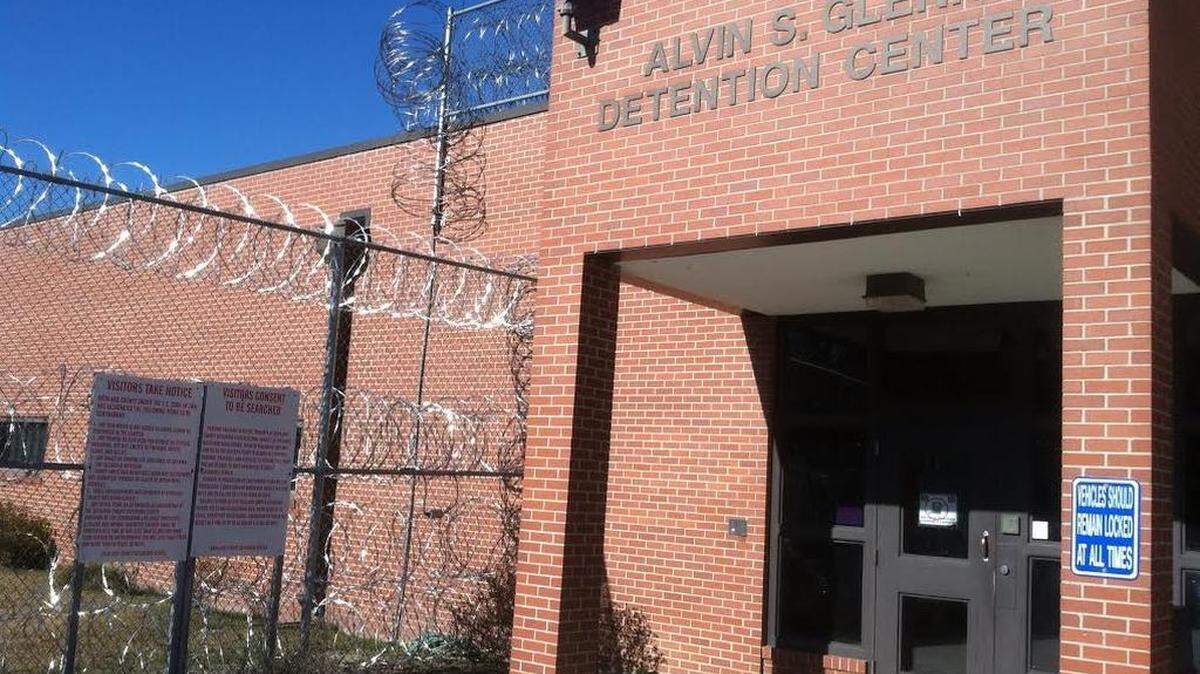
If Richland County were ‘saddened’ by jail deaths at Alvin S. Glenn, it would stop them | Opinion
READ MORE
Richland County Jail
A mental health crisis has unfolded inside of the “particularly hazardous” Alvin S. Glenn Detention Center, fueled by understaffing and poor conditions, according to new documents filed in a lawsuit against Richland County.
Expand All
John Henry Simmons Jr., 54.
Anthony Sayles, 37.
Rolando Howell, 34.
Howard Cline, 58.
Kelvin Minder, 44
Juluis Batts, 25.
Charles Hammon, 60.
Rhonda James, 40.
Nicholas Murphy, 32.
Charles Green, 75.
Daniel Pope, 35.
Earnest Johnson, 61.
Lason Butler, 27.
James Mitchell, 38.
Demond Thompson, 47.
Antonius Randolph, 29.
Kevin Gladden, 66.
Melvin Anderson, 49.
Easther Williams, 74 or 75.
LaRoyal Hawley, 20.
Robert Moore, 56.
Marty Brown, 25.
Lamont Powell, 54.
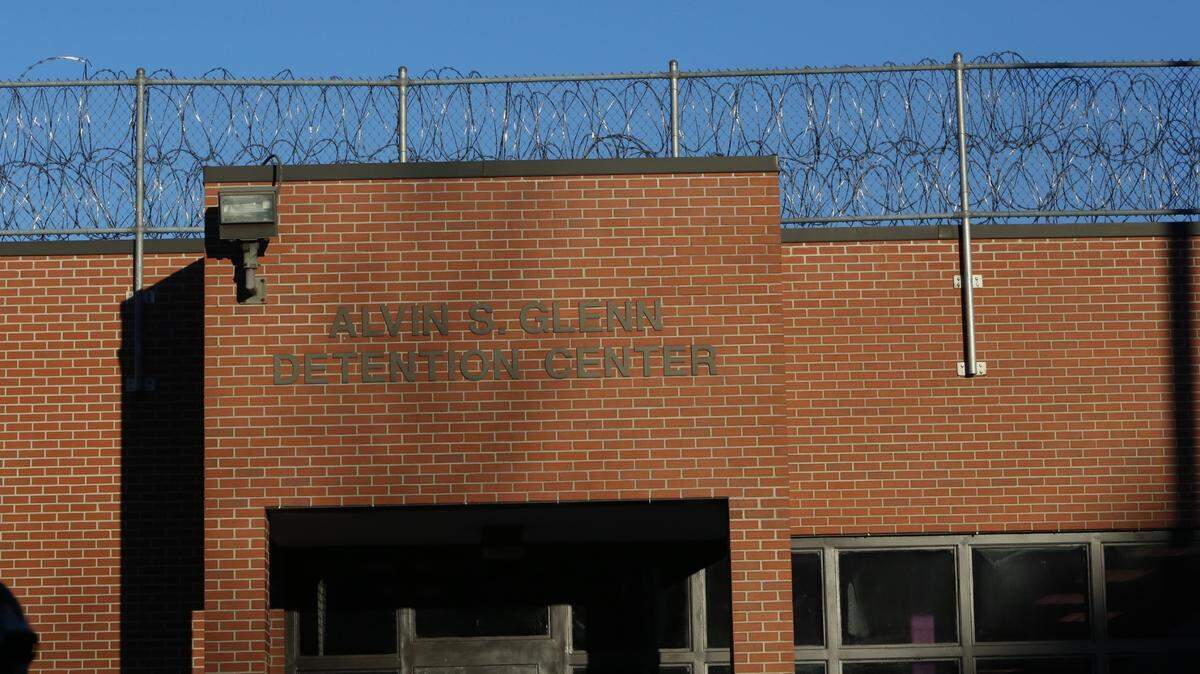
Those are the names and ages of 23 people who have died in 10 years at Alvin S. Glenn Detention Center or when taken from it to a hospital.
Their average age was just 45 (based on reporting, and reports, which in Williams’ case only listed a birth year, gathered by University of South Carolina assistant professor of law Madalyn Wasilczuk and her students.)
The rate of death is accelerating. Despite efforts to stop it, more people than ever are dying in Richland County’s supposed care in Columbia. On Sunday, two days after this column was first published, an unnamed person being held at Alvin S. Glenn Detention Center died, the 24th death in a decade and the fourth this month.
Call them inmates or detainees but don’t call them criminals. Also, don’t dehumanize them. They not only have names, they have families, loved ones still celebrating their birthdays and holidays without them. Yes, one was an accused serial rapist, so it’s not as if all of them were accused of minor violations. But in a nation where everyone is presumed innocent until proven guilty, they were all jailed to await a trial.
Like the vast majority of people in U.S. jails, they had a pretrial status, charged with but not convicted for the alleged crimes that brought them to their end in custody. A handful had only been in custody for days when they died. One was only in custody for hours.
Two-thirds — 16 — have died since April 2021, about one government failure every three months over the past three years. Ten people have died since January 2023, one failure every two months over the past two years. And four died 19 days apart this month, two this week from overdoses of drugs Richland County Sheriff Leon Lott said were smuggled in “by either inmates or people who work there.”
People who work there? The investigation will be eye-opening.
Sadly, investigations are nothing new at a facility that’s unusual because it’s run by a county administrator and a jail director, not the sheriff as most jails in South Carolina are.
The jail is under investigation by the U.S. Department of Justice for alleged violations of inmates’ civil rights due to deaths, brutal attacks and squalid living conditions. And years of inspections by the South Carolina Department of Corrections have criticized clothing, toilets and food — health inspectors once gave its kitchen a “C” letter grade — and repeatedly blasted its understaffing. The jail is also defending itself in several lawsuits.
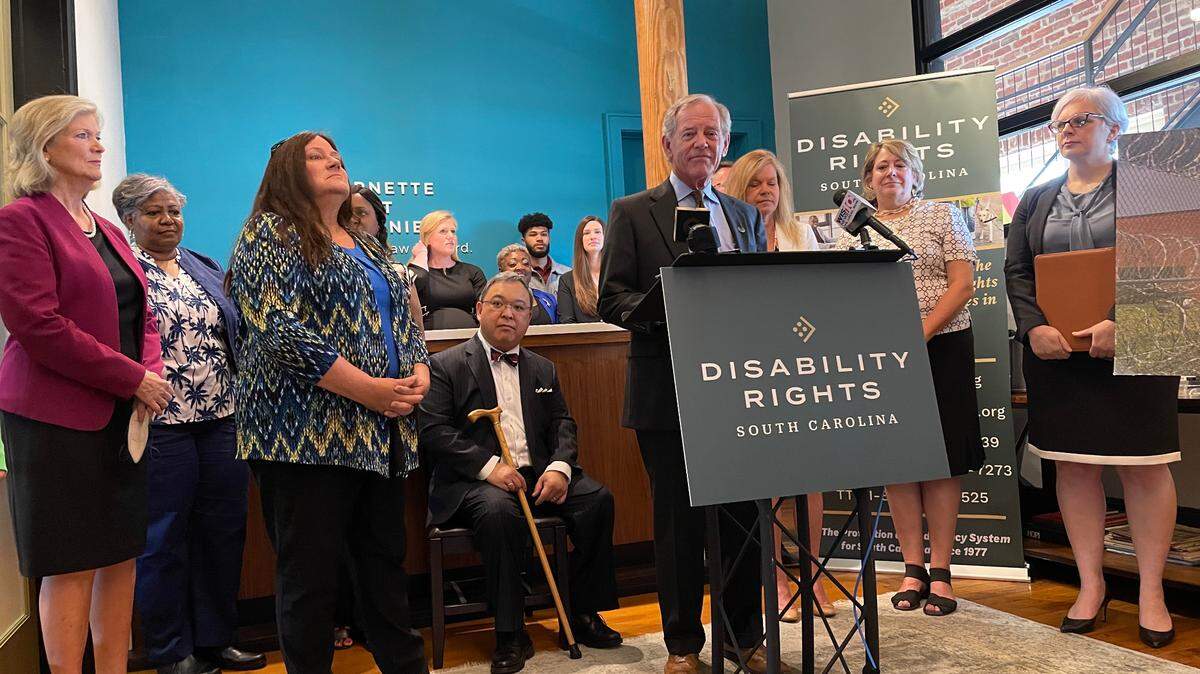
One attorney for Disability Rights South Carolina said his legal experts consider the jail one of the most dangerous in the country. Another lawyer filed suit for Lason Butler’s mother after the county coroner ruled his 2022 death a homicide because of a “lack of action” by jail staff. He died of dehydration in a room without running water, bitten by rats. He was arrested in a mental health episode for reckless driving, failure to stop for blue lights and driving with a suspended license, hardly deserving of a death sentence.
The Alvin S. Glenn Detention Center has had three directors in three years, one who resigned after a riot in 2021 and another who was terminated soon after being hired in 2022 because he didn’t disclose an accusation of sexual harassment at his prior job.
The turnover among directors and the understaffing of guards has not only fueled a sense of instability and fear in the jail, but also fostered a culture that accepts death as customary.
In fact, county leaders are so accustomed to routine death that each news release follows the same format: Richland County is “saddened to announce the death of a detainee.” In March, a release said, “We are devastated by this loss of life.”
Beyond stopping them, the county could better show its remorse and recognition of the problem by actually and fully noting these deaths, publicly, on the county’s website, as other jurisdictions have done, with a listing of the dead person’s name, age, race, gender and custody status as well as where the death occurred and the cause and manner of it.
But Richland County doesn’t announce names of the dead, let alone announce all the deaths. No news release ever mentioned Williams’ death. Only Wasilczuk’s database reported it until now. That’s shameful. Even if she died at a hospital and not in jail, she died a week after being taken into custody and the county should have told the public.
These deaths are increasingly common despite millions of dollars spent on electric door locks, and new housing, and additional security, and guard pay raises, but if the county were truly “saddened” and “devastated” by these deaths, it would prevent them.
Of course, that’s easier said than done in a society with so many problems and a jail with a capacity for 1,100 inmates that this month held more than 1,000, where mental health issues and addiction run rampant, where drugs are easy to obtain, where the pay is so low some employees sell drugs and phones to inmates to “triple or quadruple” their salary, where 20 detention officers have been arrested since 2023, 11 this year alone.
If Alvin S. Glenn operators can’t keep people alive, state lawmakers need to intervene and create new oversight measures or a new oversight body, as the U.S. just did for prisons, so jails are accountable. Time for excuses is over. Time to say and take names.
An earlier version of this column contained an incorrect reference to research about jail turnover.
This story was originally published July 26, 2024 at 6:00 AM.