
What Trump’s auto tariffs mean for South Carolina, from higher car costs to layoffs | Opinion
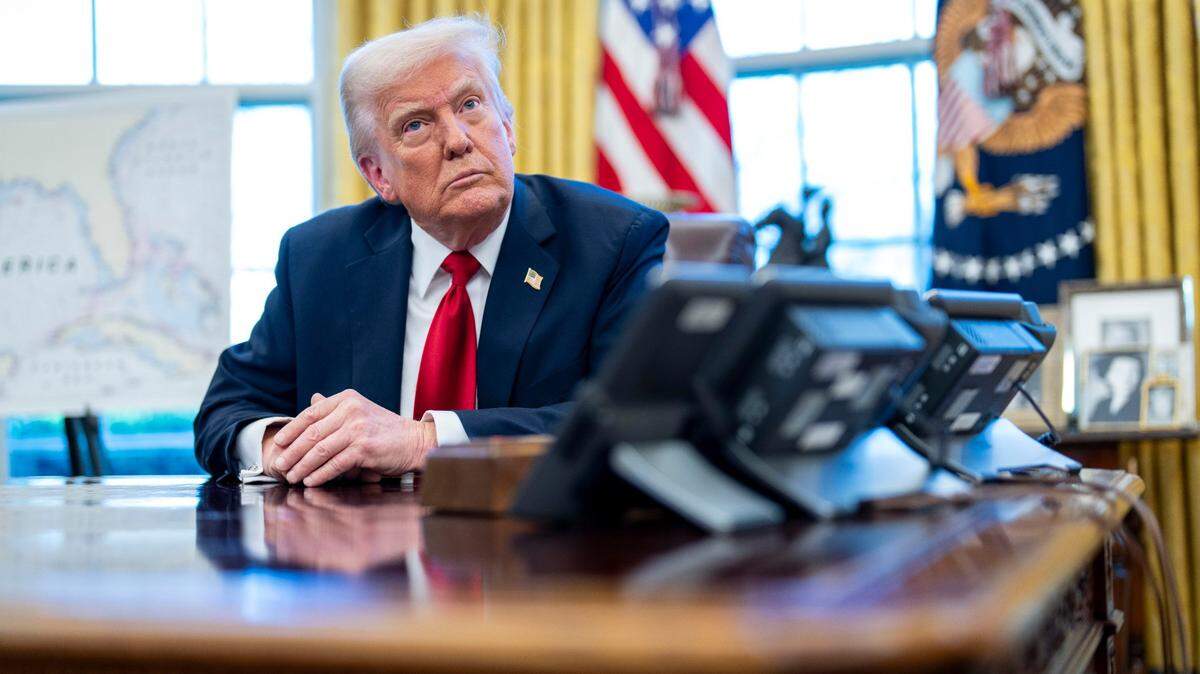
President Donald Trump plans to implement new 25% tariffs on all imported automobiles and light trucks and their component parts starting Thursday. The president wants to revitalize the U.S. auto industry over time, but the immediate effect would be higher costs, massive uncertainty and the possibility of job losses in one of South Carolina’s signature industries.
The automotive sector has been the cornerstone of South Carolina’s economy for decades. Michelin has manufactured tires here since 1975. Then BMW’s decision to build its first manufacturing facility outside Germany in South Carolina in the 1990s began a prosperous chain reaction that attracted auto parts suppliers and created thousands of good-paying jobs.
Now, the Palmetto State produces 145,000 tires every day. That’s first in the nation. That’s a third of the U.S. market share for tires. Now, more than 75,000 South Carolinians work at more than 500 auto companies. Beyond Michelin and BMW, our big names include Mercedes-Benz, Volvo and Scout, which is the latest auto manufacturer to pursue plans to build a plant here.
So, yes, President Trump’s new tariffs bring a wave of uncertainty to South Carolina and the United States. Lenny La Rocca, the U.S. auto leader for KPMG, estimated a 25% tariff on all aluminum and steel imports would add approximately $1,000 to the cost of a new vehicle. But it doesn’t stop there. All auto parts from Mexico and Canada would be subject to the same tariffs.
This immediate escalation in production costs poses a dilemma for our state’s manufacturers. How will they absorb these additional costs? Will they reduce their profit margins? Will they pass these costs onto consumers, potentially slowing demand for new cars? Will that affect the used car market? Will companies ultimately have to lay off workers? Or maybe all of the above?
How likely is a cascading effect that would devastate our state’s economy? Consumers could face higher prices for new cars in the range of $5,000 to $15,000, according to Goldman Sachs. These higher prices would certainly drive people to the preowned car market. As demand for preowned vehicles increases, that would drive prices up for them as well.
South Carolina’s success is built on a delicate balance of domestic production and international trade. Any disruption to this successful equilibrium like new tariffs could deter future investments, causing economic growth to suffer. Will tariffs disrupt Scout’s manufacturing plans?
While President Trump’s intention is to restore and strengthen domestic manufacturing, tariffs will have the opposite effect, hurting South Carolina’s economic growth. Reduced corporate profits, higher prices for both new and preowned vehicles and layoffs would lead us to ruin. All this economic damage would also reduce tax revenues for state and local governments.
It’s time for state leaders at every level of government to speak up about President Trump’s tariffs. Otherwise, we may lose our competitive advantage in the global automotive marketplace.
It may be unlikely that Sens. Lindsey Graham and Tim Scott and all seven of South Carolina’s members in the House of Representatives will stand up to President Trump and for the state’s strong automotive industry and work force, but our congressional delegation should ask him to reconsider his announced 25% automotive tariffs — and should watch their effects very closely.
Tariffs are nothing more than a hidden tax on all of us. Nobody really wins in a trade war.
So let’s not start one with Canada and Mexico, our neighbors and biggest trade partners. Over the years, the U.S., Canada and Mexico have built a North American manufacturing region. Many auto parts currently cross the border multiple times during the manufacturing process. Tariffs will add production costs with each border crossing, and all those extra costs will be paid by the buyer here in South Carolina — unless the auto manufacturer decides to eat them.
Our auto manufacturers in South Carolina shouldn’t be expected to eat the additional costs resulting from tariffs. Nor should our state’s citizens who are in the market for a new or used car.
The road ahead will be bumpy. Buckle up, South Carolina. We’re not going to enjoy this ride.