
Delays are dangerous when public health is at stake. Do better, SC DPH | Opinion
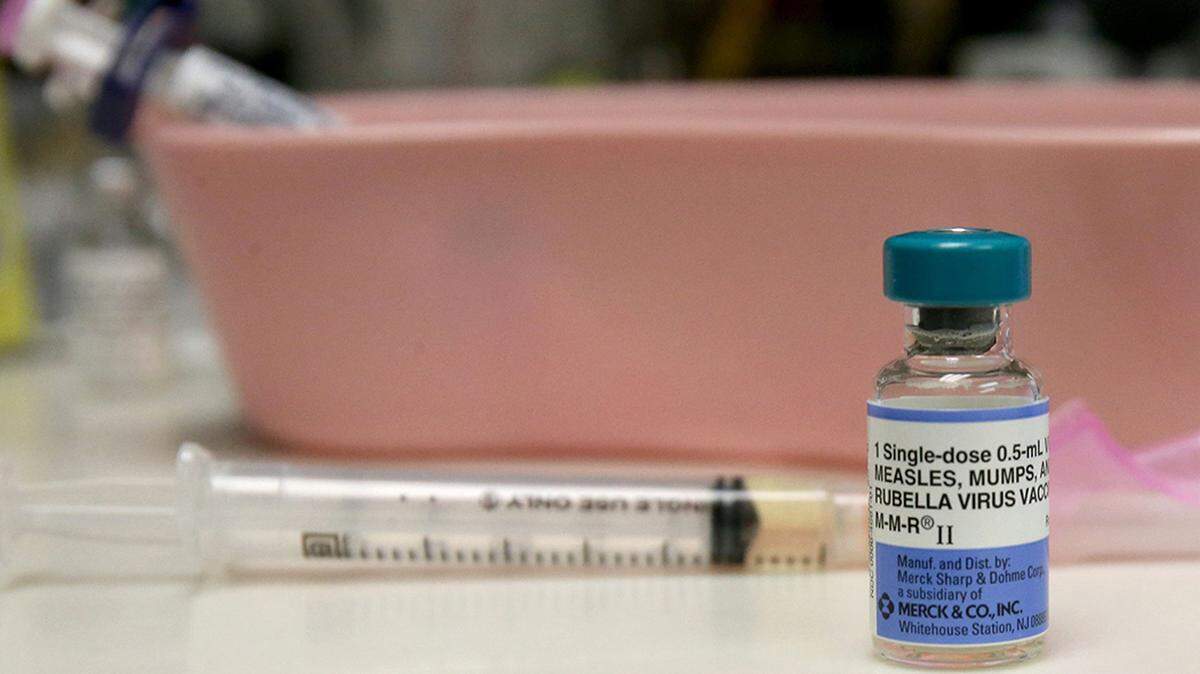
The announcement that the South Carolina Department of Public Health sent the state’s media outlets — and by extension the public — early Wednesday morning was stunning for two reasons.
First, state officials confirmed a case of measles in an Upstate resident, the first case reported in South Carolina since September 2024 amid national outbreaks that have now spread to 38 states since erupting in Texas and New Mexico in January. Most of the patients — 92% — have been unvaccinated.
Second, state officials asked — expected! — the media to sit on the information for more than an hour. To its credit, WYFF TV in Greenville didn’t wait before alerting the public to the threat inside our borders. It reported the news soon after getting the announcement, right alongside its editorial standards. Other major news outlets across the state, including, reluctantly, editors at The State, delayed the news.
DPH was neither working in the public interest nor demonstrating an understanding of journalism in the email it sent to media outlets at 9:16 a.m. and again at 9:32 a.m., requesting that outlets not report the information until 10:30 a.m., after a news conference set for 10 a.m.
The email’s subject line read, “EMBARGOED: DPH Confirms Measles in Upstate Resident.” Under the department’s name and logo, the first words of the email were: “FOR IMMEDIATE RELEASE: July 9, 2025.” Beneath that, in red italicized text designed not to be missed, were the contradictory words: “EMBARGOED: Not for public release until 10:30 a.m. Wednesday, July 9.”
For those who need a reminder or may not know, a journalism embargo requires agreement by both sides, the person asking that the information not be reported right away and the reporter. Without that agreement, there is no embargo. This is important for everyone to understand, especially for state agencies acting under the mistaken notion that their request be honored during the highest national spread in three decades of a disease that’s considered more contagious than any other.
The “embargoed news release” — an oxymoron if there ever was one — said the person was unvaccinated, had no immunity from a previous measles infection, was exposed to measles during an international trip, was not contagious while traveling, and is isolating at home.
DPH said it notified people who may have been exposed, meaning the state’s measles count could rise, but it won’t say where in the Upstate the patient lives. That’s worth second-guessing because the detail would in no way identify the person but would boost vigilance among those in the area of potential impact.
DPH said it was restricted from sharing more details about the person’s “physical condition, hospitalization, age, sex, and residence” but the U.S. government is sharing updates with some of that information.
Weekly reports from the Centers for Disease Control and Prevention include ranges of ages for kids and adults and the percentage of people confirmed with the disease who have been hospitalized: 13% have been hospitalized; 29% of the cases and 21% of the hospitalizations are in children under 5.
Not only are media outlets within their rights to report such information immediately if they so choose, media outlets have a responsibility and an obligation to report accurate information from trustworthy experts and government officials without delay when it concerns public health.
This is a big deal. Doctors have been warning that measles would spread to South Carolina for months, and I wrote a column in May connecting the dots between the nation’s spread of measles and South Carolina’s dangerously low vaccination rates in young children. Measles was declared eradicated in the U.S. in 2000 but vaccine hesitancy has revived it. There have been more confirmed cases of the measles in the U.S. this year — 1,288 — than any since 1992.
Many epidemiologists, public health experts and infectious disease specialists like Prisma Health’s Dr. Pamela Bailey consider measles “the most infectious disease known to mankind.”
That’s how Dr. Bailey characterized it during a Zoom call with journalists Wednesday afternoon.
That call showed how public health experts should be responding to the threat of measles in South Carolina: with facts, candor, risk assessments, descriptions of symptoms, statistics about the effectiveness of vaccines — they are 97% effective! — and pleas to contact one’s doctor if anyone has questions or before seeking medical treatment to avoid spreading the disease.
What are the symptoms? A dry cough and conjunctivitis, then a dayslong rash of red inflamed spots. One person can spread it to 18 through the air by talking or coughing and it can stay in the air for a couple hours. It can also be fatal. Three people have died in the U.S. this year.
It’s also entirely preventable. An excellent vaccine has existed for decades and directly led to the declared eradication of the disease before its resurgence in families with adults skeptical of immunization. Such skepticism has led to low levels of herd immunity across South Carolina.
Of the vaccine, Dr. Bailey said, “It is one I am grateful to have received as a child and I definitely promote it for all of my patients.” Of what to do if contracting measles, she said to call ahead.
“If you need it, walk into the ER, absolutely,” Dr. Bailey said. “But we would prefer advanced notice because this is so contagious, we try to do a lot of the work up at home.”
That is how officials should communicate with the media — and, again, by extension, the public — during a public health threat. Using expressions like “We would prefer advanced notice” to get a point across rather than expecting journalists to sit on news the public deserves to know quickly.
My friendly advice to everyone is to get your kids vaccinated as so many people have done so effectively for so long, and my friendly advice to state officials is to avoid telling the media to be silent about information that could help in a health threat. Expect us to report the developments you share with us quickly, factually and contextually. Expecting a delay, as here, is ludicrous.
I hope no government agency in South Carolina or anywhere else in the U.S. requests a delay when they have vital information. The public deserves better, especially during a health threat.