
The State endorsement: Our choice in the Columbia mayor’s race
READ MORE
The State Endorsements
Early voting for Columbia’s Nov. 4 elections has begun, and the special election in Lexington County in State House District 88 is Oct. 21 with a potential runoff election Nov. 4. Here are The McClatchy South Carolina Editorial Board’s endorsements.
Expand All
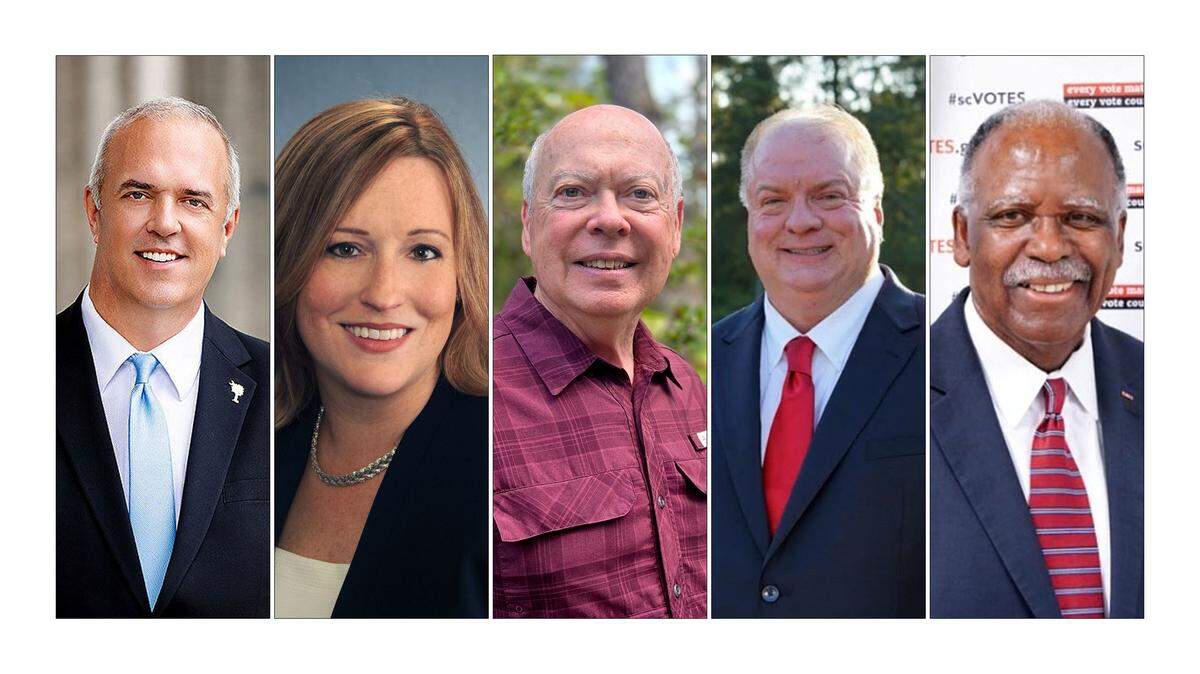
The State endorsement: Our choice in the SC House District 88 Republican primary
The State endorsement: Our choice in the Columbia mayor’s race
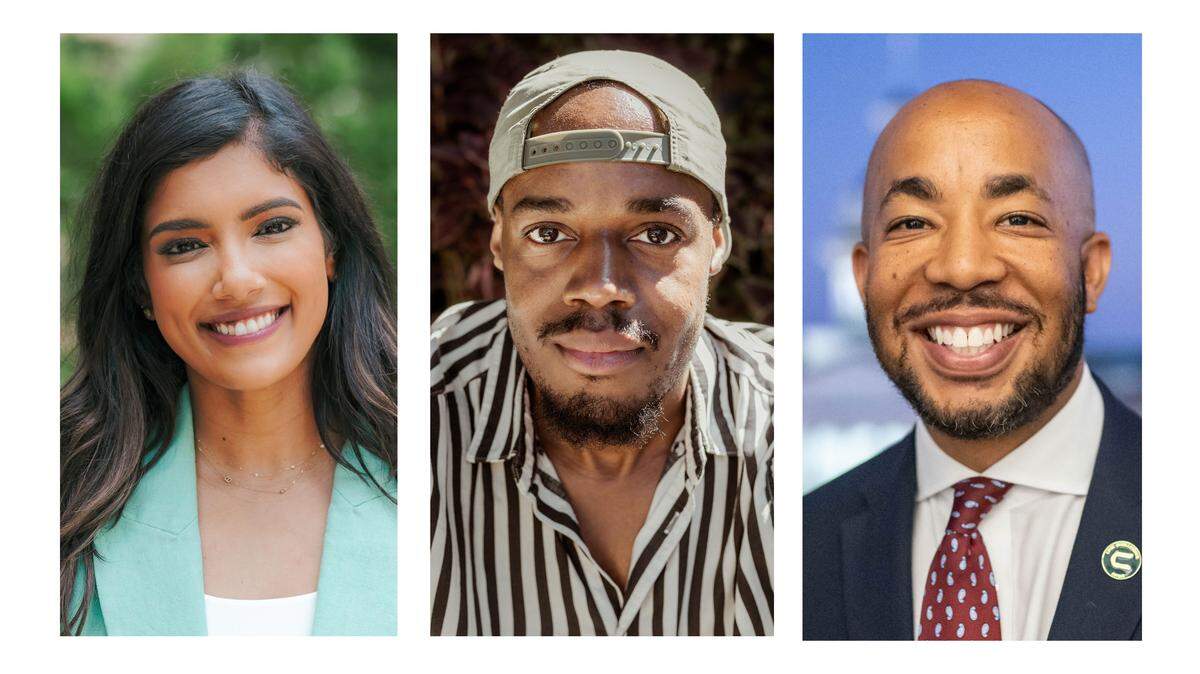
The State endorsement: Our choice in the at-large Columbia City Council race
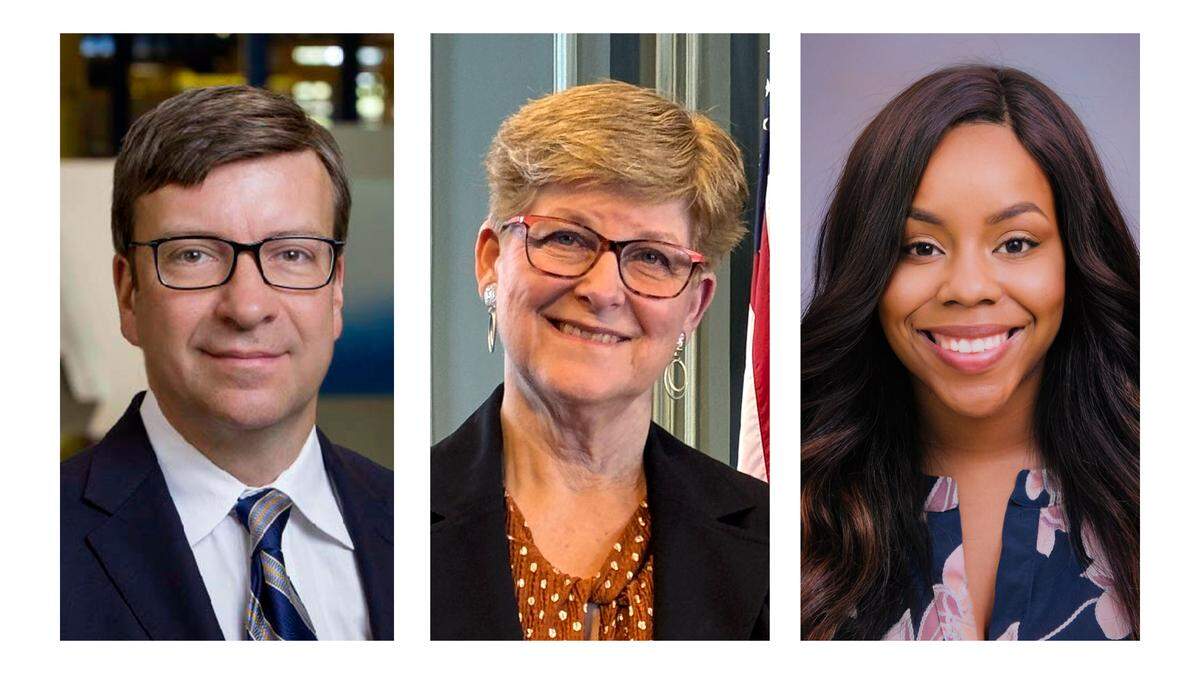
The State endorsement: Our choice in the Columbia City Council District Four race
The State endorsement: Our choice in the Columbia City Council District One race
Columbia’s grand ambitions were evident at the start, boosted by politicians with big dreams.
When President George Washington visited Columbia in 1791, he described the fledgling state capital as “an uncleared wood with very few houses in it.” The city’s population and skyline grew with the addition of South Carolina College in 1801 and assistance from the cotton gin, textile mills and the railroad. Even so, in the 1880s, Walter B. Edgar and Deborah K. Woolley wrote in “Columbia: Portrait of a City,” that Soda City was flat, a “poverty-stricken town” of about 10,000.
It wasn’t called Soda City then, of course. That name would stick much later, after someone shortened Columbia to Cola and someone else made a cognitive leap. Columbia became the largest city in the state in 1950 and held the ranking until 2016 when Charleston reclaimed it.
The cities have always been competitive.
After the General Assembly moved the state capital from Charleston to Columbia in 1786, Columbia’s wide roads were designed to prevent the malaria that plagued Charleston’s narrow streets. Even now, both cities have massive military presences, but a sign at Columbia’s airport is unequivocal, welcoming travelers to “The Most Military Friendly Community in America.”
In the 1980s, Charleston Mayor Joseph P. Riley Jr. was the 44th president of the U.S. Conference of Mayors. In the 2010s, Columbia Mayor Steve Benjamin was its 76th. Now, the current mayor of Columbia, Daniel J. Rickenmann, is one of the U.S. mayoral group’s trustees.
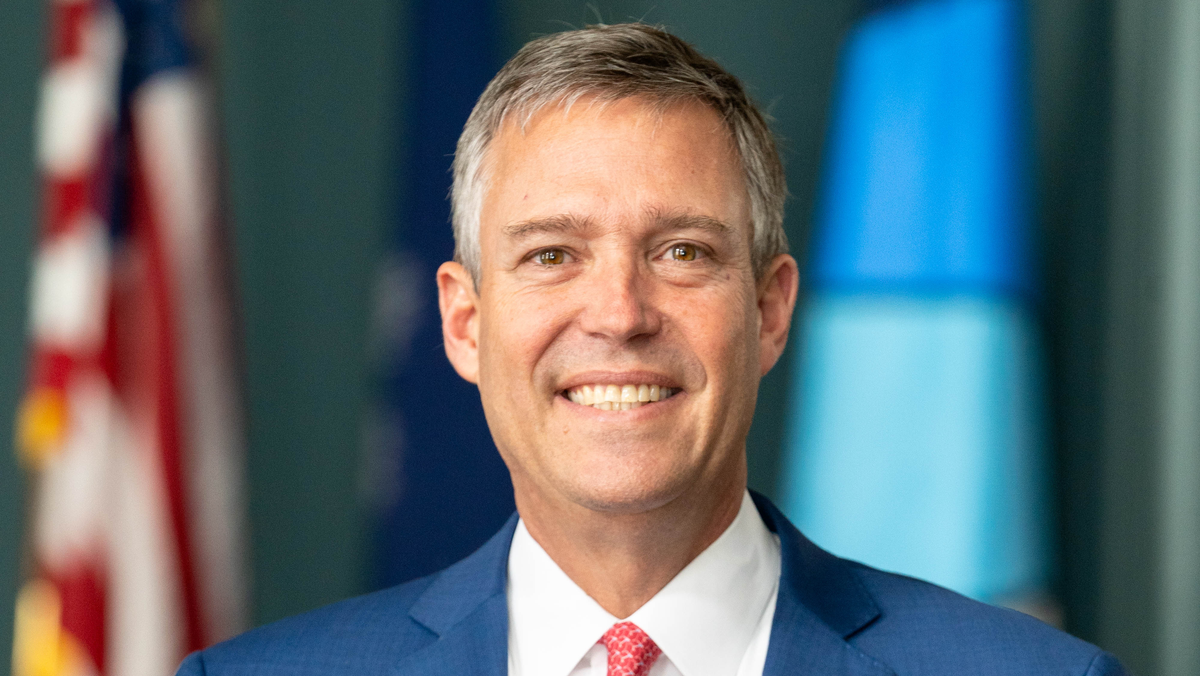
Rickenmann became mayor of Columbia in 2021. The Republican businessman flipped a local script after three decades of Democratic lawyers as mayor, Bob Coble for 20, Benjamin for 11.
Rickenmann, 56, has a bachelor’s degree in political science from the University of South Carolina. He was elected to four-year terms on the City Council in 2004, 2008 and, after a break, 2017. He’s seen Columbia’s recent changes firsthand and orchestrated some of them.
Now he wants four more years to lead 145,000 residents and the City Council on which he sits. The election is Tuesday, Nov. 4, and early voting begins Monday, Oct. 20.
“We are delivering on promises,” Rickenmann said in an interview. “Crime is down, small businesses are opening at record levels, economic development is at a historic high, and neighborhoods are seeing new housing and revitalization. We have focused on partnerships and cultivated collaboration at every level. Columbia is coming together like never before because we are ensuring everyone has a seat at the table…. Columbia is on the rise.”
Not all politicians can back up their campaign rhetoric with facts and figures. Rickenmann can.
He’s also realistic about the work ahead.
Crime was down 9% year over year in 2024. “Person-hit” shootings were down 40%.
“You can’t have thriving neighborhoods or businesses without safety as a top priority,” he said.
The city permitted 1,200 new homes and 700 apartments last fiscal year. But Rickenmann says Columbia needs nearly 15,000 new units over the next decade to house a growing population.
He gives Columbia a C+ on its approach to homelessness, saying the city needs to get more people into permanent housing and offer stronger wraparound services.
And he is bullish about the city’s growing BullStreet development, but says the job’s not done. He wants to connect that growth to the city’s workforce, make smart investments to strengthen the city’s housing stock and keep recruiting new businesses to the city. That’s important because the city’s unemployment rate, which dipped from 3.7% in 2021 to 3.1% in 2022 to 2.9% in 2023, climbed to 4% in 2024 and hit 4.6% in July, moving in the wrong direction.
In short, Rickenmann views things holistically and explains city problems and solutions clearly. When asked what one issue deserves more attention, he cited water resiliency because it impacts every home, business and hospital in Columbia and Columbia’s deadly flooding of October 2015 was only 10 years ago. In this way, he quickly connects past to present to future.
As Rickenmann said, Columbia does have issues with housing availability and homelessness. It needs to revitalize its riverfront, protect a nearly $25 million investment in Finlay Park, consider a convention center expansion and the addition of new hotels downtown, grow without the aggravation of mounting traffic delays. Address all that, and the city’s best days may be ahead.
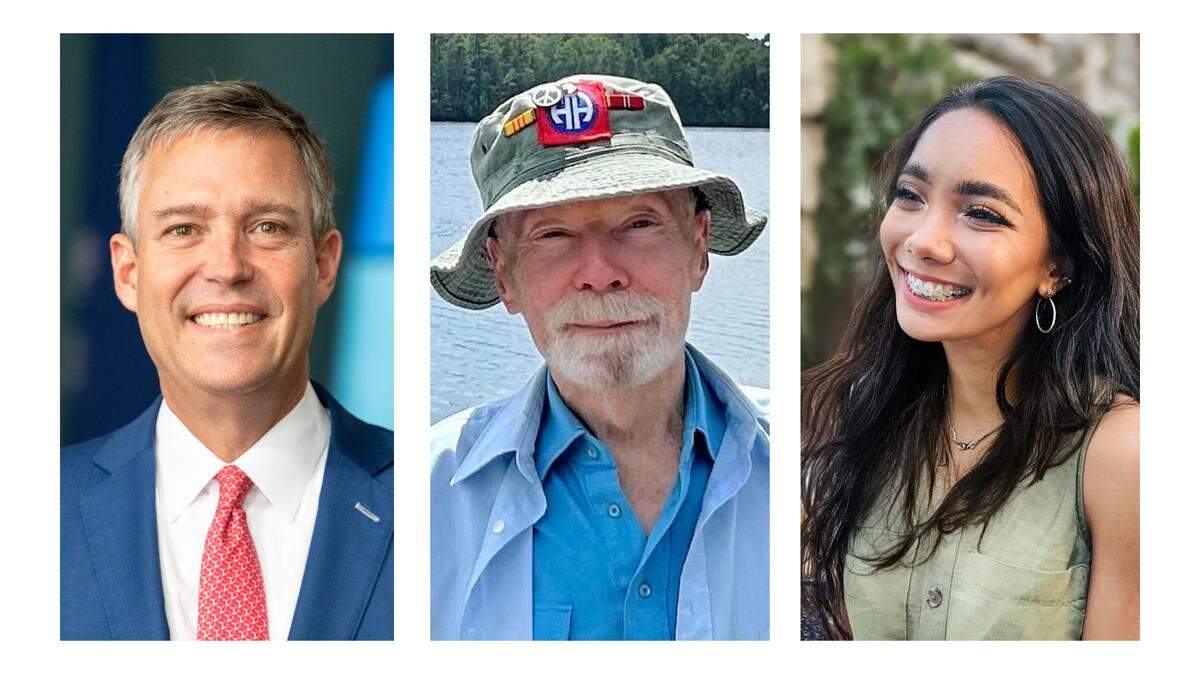
Rickenmann makes a strong case for his re-election, one his opponents can’t touch. Activist and Vietnam War veteran Wade Fulmer, 77, and project manager Jessica S. Thomas, 28, have nothing like Rickenmann’s community involvement, political experience or national connections. They also can’t demonstrate his civic commitment. Records show Fulmer didn’t vote in city elections in 2012, 2013, 2015, 2017 and 2019 and Thomas has rarely voted since she could.
The McClatchy South Carolina Editorial Board recommends a vote for Rickenmann for four more years, partly because his opponents, while well-meaning, are inexperienced and unqualified and partly because Columbia is a city on the rise and Rickenmann can keep it going.
Any savvy politician will tell you that to see a city’s future place in the world, it helps to understand its past. Columbia Mayor Daniel Rickenmann has the vision that can only come with experience. After 12 years on the City Council and four as mayor, he deserves a second term.
BEHIND THE STORY
MOREHow we do endorsements
Members of The McClatchy South Carolina Editorial Board interviewed and researched candidates running for mayor and City Council in Columbia and Myrtle Beach and in a special election in SC House District 88 in Lexington County in 2025. We based endorsements on our reporting and fact-checking — and on each candidate’s achievements, background, character, demeanor and experience.
The endorsements were made by South Carolina Opinion Editor Matthew T. Hall, a Columbia resident; Sherry Beasley, a longtime educator and Columbia resident; Toni Etheridge, a strategic advisor and writer who lives in Forest Acres; Paul Osmundson, a retired senior editor at The State and a Forest Acres resident; and Pat Robertson, a retired editor and outdoors columnist who lives in Blythewood.
If you have questions or comments about our endorsements, please email Hall at mhall@thestate.com.
This story was originally published October 15, 2025 at 5:00 AM.