Helene ravaged the state of SC. So why did Clemson host a football game 2 days later?
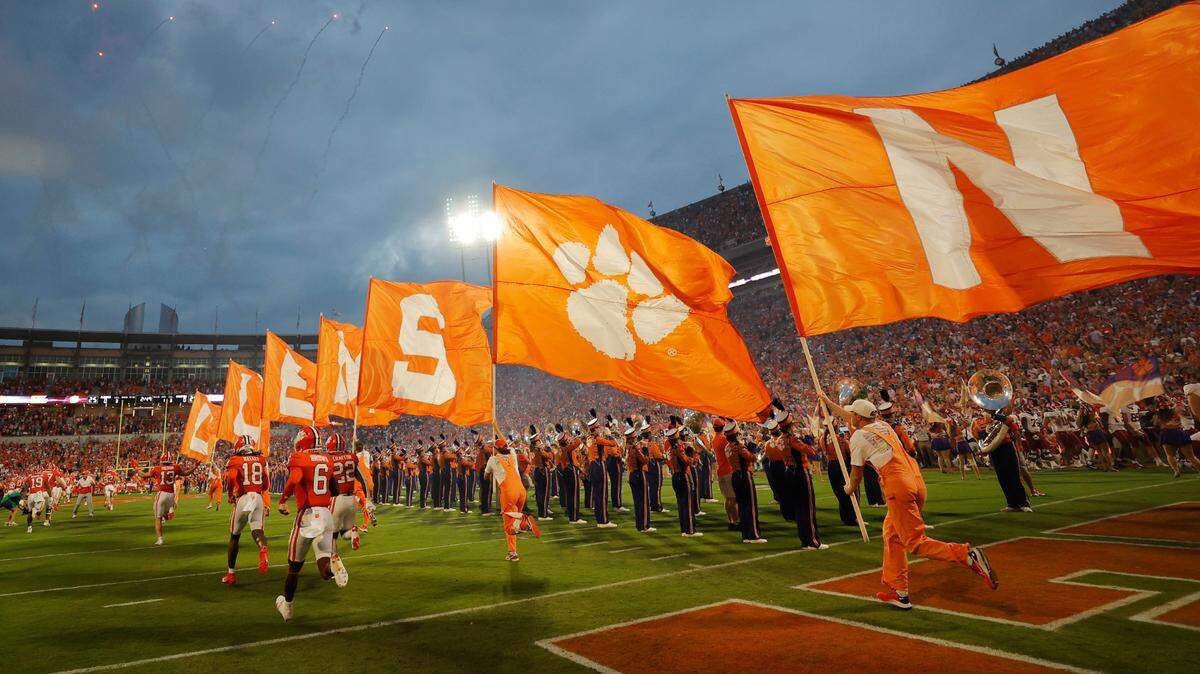
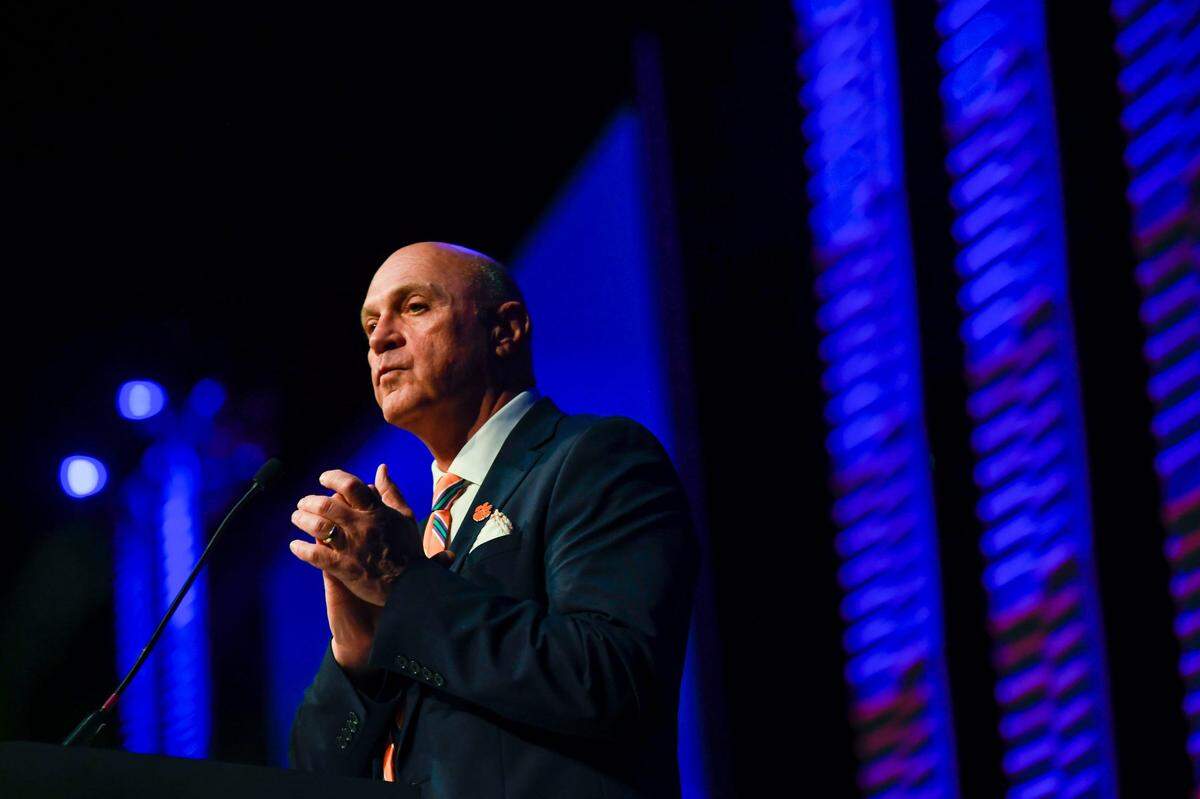
Two days after Hurricane Helene ravaged Upstate South Carolina and hours before Clemson’s home game was set to kick off, president Jim Clements was concerned.
Not about his university’s controversial decision to host a football game against Stanford amid the devastation, though. About an email on his screen.
A woman who identified herself as a Clemson alum wrote to Clements that people were hurting and needed the school’s help. She wrote that now was not the time for football and the “roars that echo over the mountain heights” that weekend were actually cries of pain and sadness, quoting a portion of Clemson’s alma mater song.
Clements forwarded the email to his director of presidential communication, Shawn Haney, and Clemson senior vice president and chief of staff Max Allen.
“Not sure how we respond to this one and maybe we should let it go - however in my opinion football brings people joy and happiness and brings people together in times like this,” Clements wrote on the morning of Saturday, Sept. 28.
“Expect a few of these over the next day or so,” Allen replied, citing a recent conversation with Clemson vice president of advancement Brian O’Rourke. “Just spoke with Brian and he said he has never seen Greenville this bad. Expect some folks won’t make it to the game today due to dealing with personal challenges.”
That focus on messaging — how and when and what to say — was prevalent throughout a wide-ranging public records request by The State, which showed Clemson was aware of how unpopular its decision to play was and how delicate the university’s reputation and relationship with the community was in that moment.
Helene, which hit South Carolina as a tropical storm overnight on Thursday, Sept. 26, was the deadliest weather event in state history, passing Hurricane Hugo in 1989.
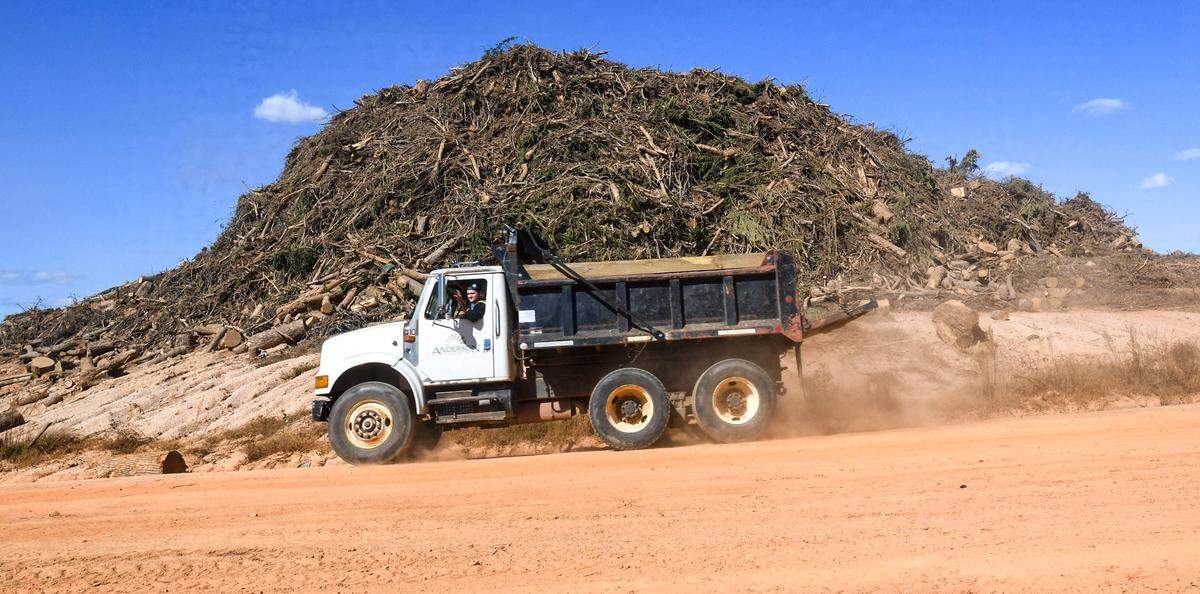
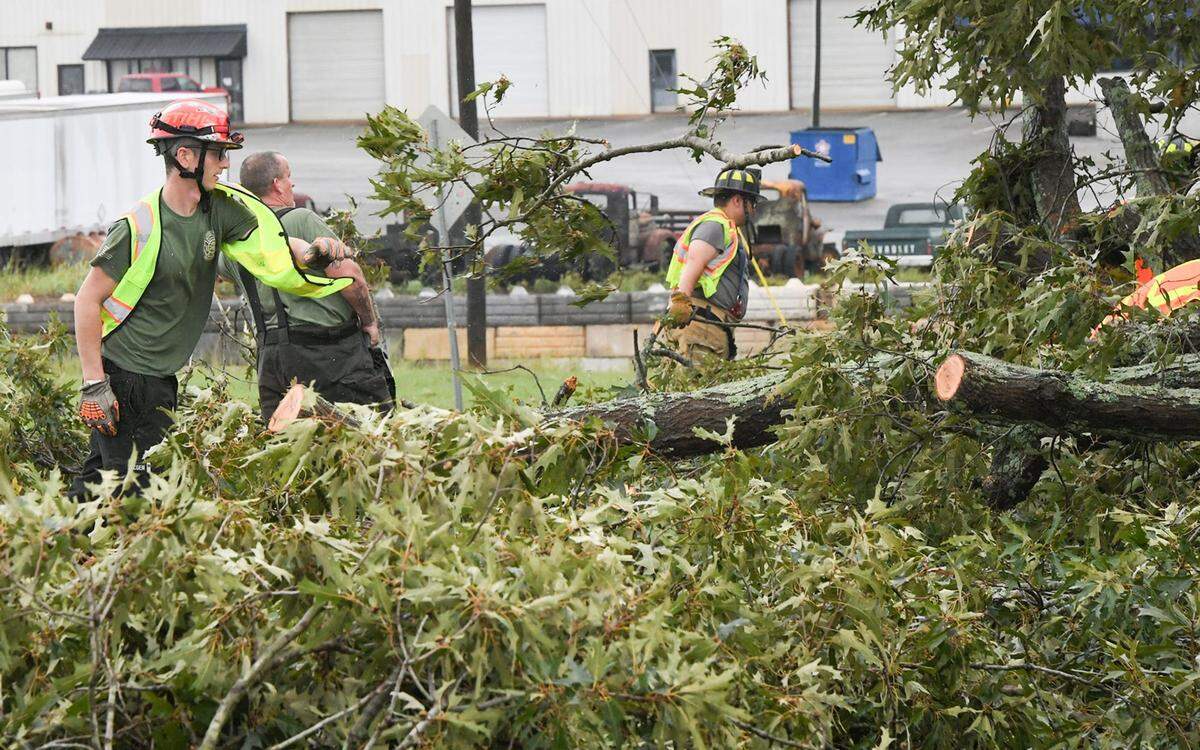
Forty-nine people died as a result of Helene; about 1.3 million people lost power (some of them for a week or longer); and about 3 million cubic yards of trees and debris fell. That’s the equivalent of 140 football fields covered 10 feet high in trash.
Professors, students, alumni, community members and local public officials voiced skepticism, frustration and sometimes flat-out anger with Clemson’s decision to hold the game in such a dire time, according to hundreds of pages of emails obtained from Clemson University and the city of Clemson through public records requests.
Among other key findings from The State’s investigation:
Even though the university’s emergency operations center was on its highest alert level during the storm and did not return to “normal daily operations” until 24 hours before kickoff at Memorial Stadium, Clemson leaders did not appear to consider postponing or moving the game at any point.
University officials acknowledged that holding the game as scheduled could put a strain on resources, including the availability of first responders.
Though Clemson felt it could play its game, it denied a request from Furman to move its own game to Memorial Stadium the next day because damage to its own campus. The reason Clemson cited? The community was “stretched to its limit.”
University leaders collaborated with city of Clemson leaders on their gameday plan, but they weren’t in lockstep: Various local officials were critical of Clemson’s decision, whether in email correspondence or public comments to the media.
Anger peaked a second time after the university canceled classes the Monday following the game, a move that was seen by some as hypocritical. One Clemson professor questioned why the university did not make more of its resources available to students and others, considering it’d had power for days.
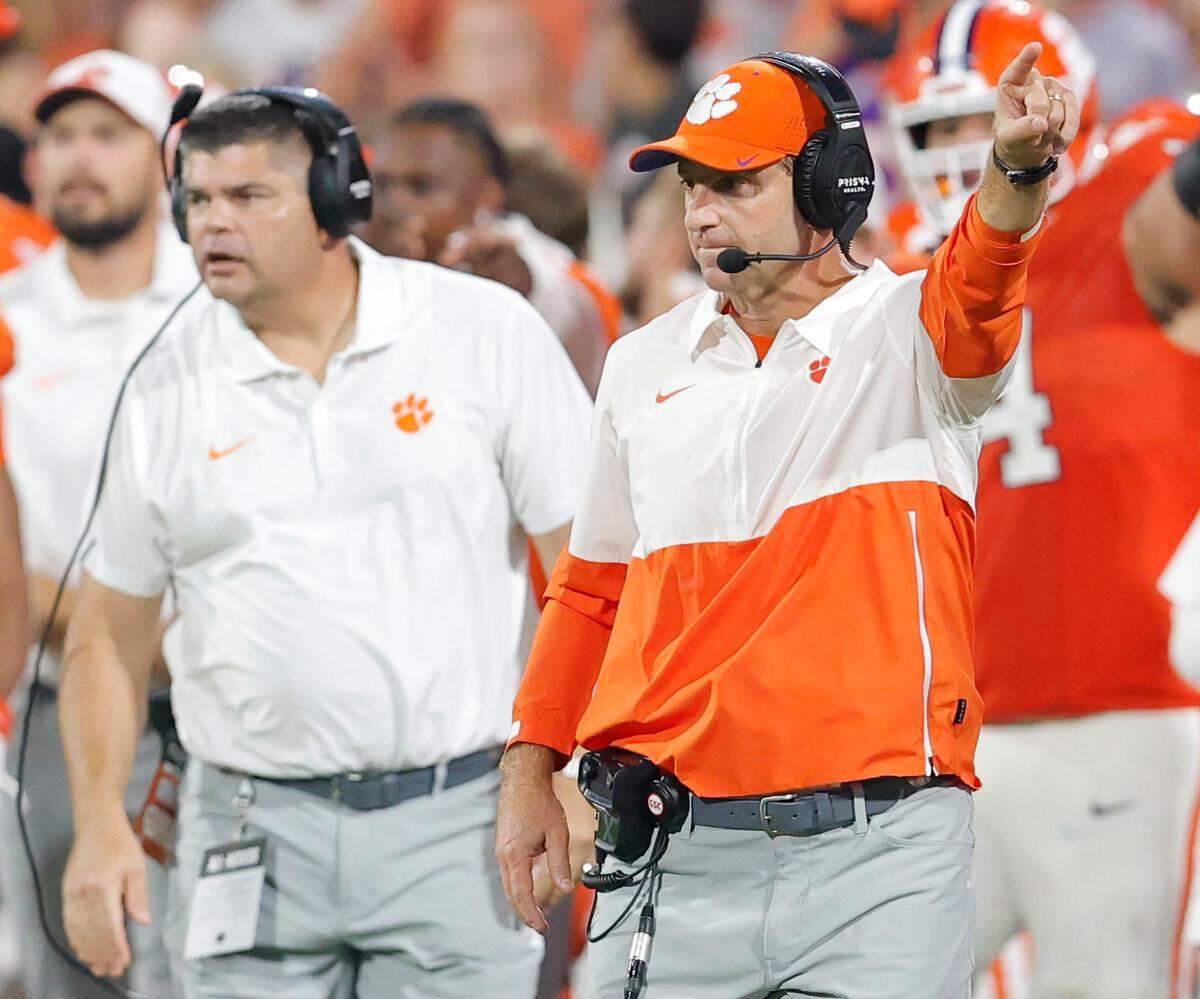
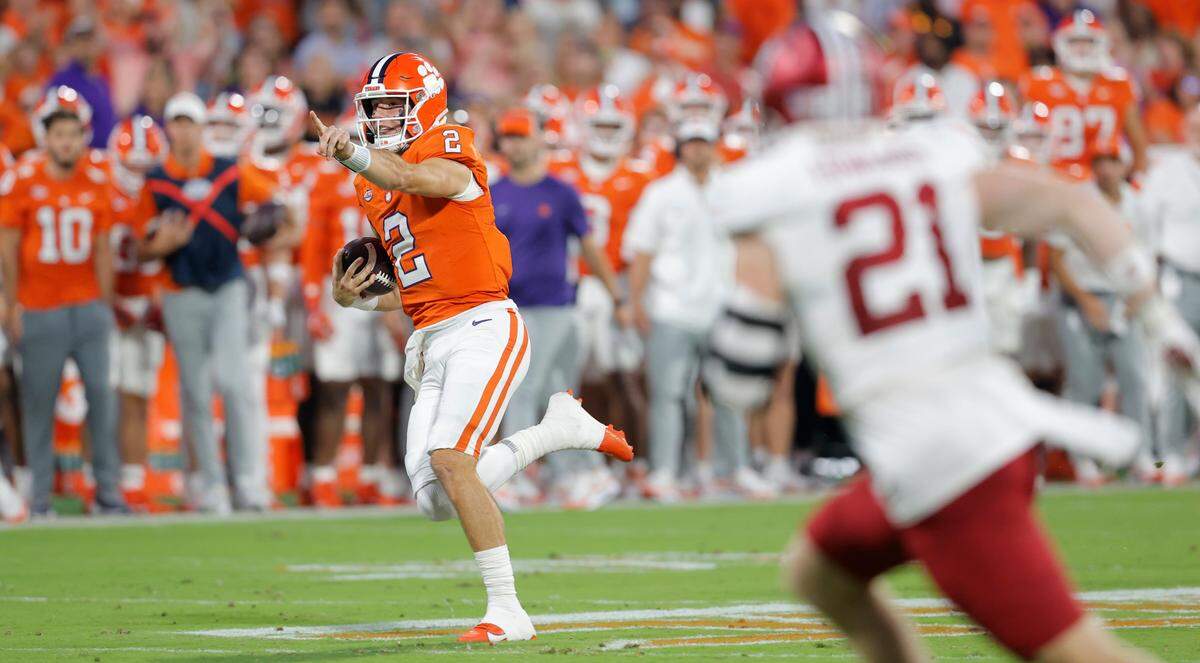
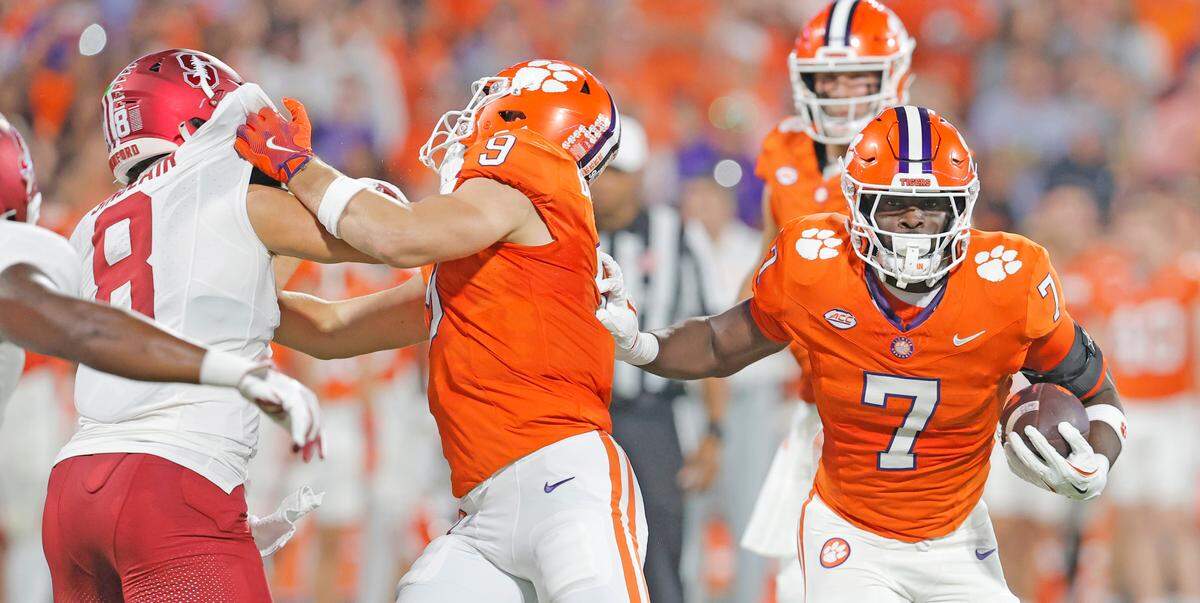
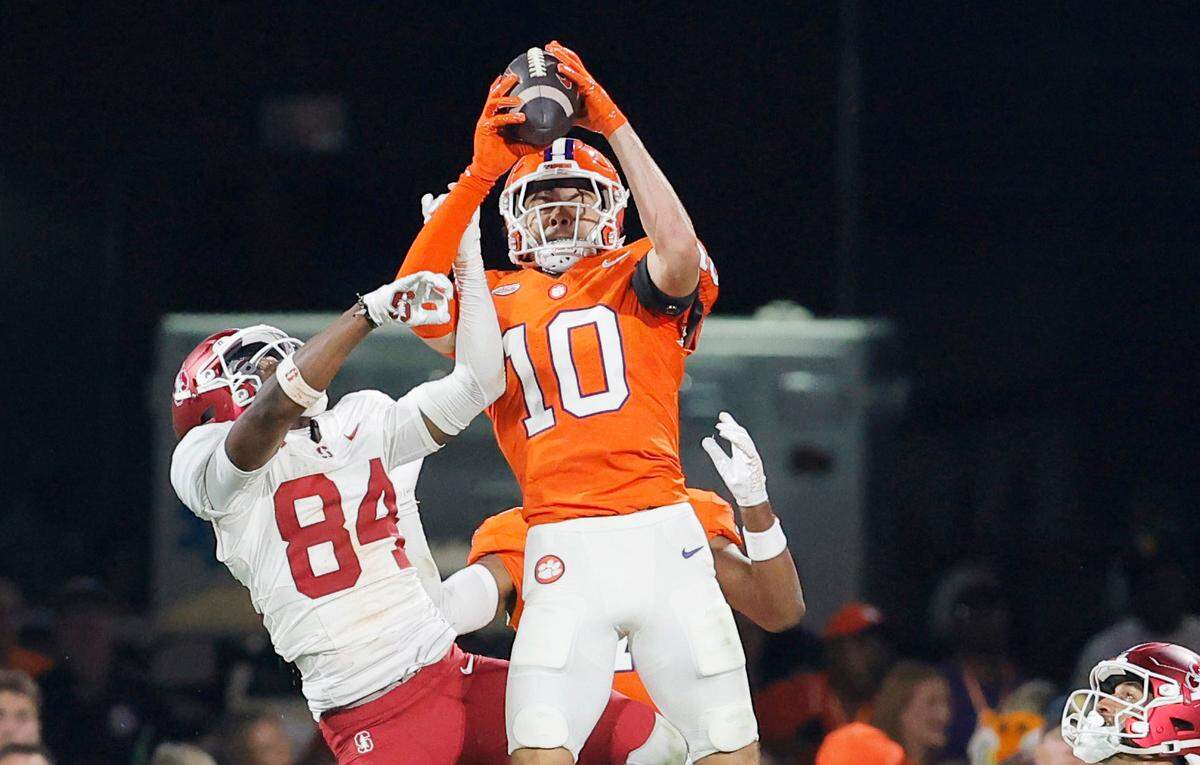
The Tigers ended up beating Stanford, 40-14, with announced attendance of 80,295 fans (98% capacity). The concept of postponing or canceling the game “never” came up in coach Dabo Swinney’s conversations with university leaders, he later said.
Clemson university spokesman Joe Galbraith and athletic department spokesman Jeff Kallin both declined to comment for this story, instead referring The State back to Clemson’s original statement released the night of the game.
The university said at the time it decided to host the game after a “detailed evaluation of the impacts of the storm.” The statement also credited local and statewide first responders who’d been working “tirelessly” across South Carolina.
“We look forward to aiding in the community efforts for recovery,” Clemson said.
The game goes on
Even as Clemson rescheduled and canceled other events, according to emails, there was not a formal recommendation from the university’s Emergency Operations Center (EOC) — or a major push by university leaders — to move the football game.
Clemson had regained power relatively quickly after Helene because the university relies on a primarily underground electric grid that wasn’t damaged by the weather, according to school and Duke Energy officials.
Although the speed at which the university got its power back also drew criticism and raised questions, officials said that Clemson did not request priority treatment or pay additional money to get power back, a statement that records support.
Clemson’s EOC moved into its highest Operational Condition Level — OPCON 1, Full Alert — late on Thursday night as Helene made landfall in the Upstate and continued to operate at OPCON 1 into late Friday afternoon as the university assessed damage.
“We are working with athletics on impacts for tomorrow,” Sarah Custer, director of emergency management for the university, wrote on Sept. 27, a day before the game.
By that point, Clemson athletics had already sent an email to ticketholders around noon saying there were “no current operational changes” to Saturday’s game.
Officials spent the afternoon workshopping a final gameday update to share online. One key step in the process: Coordinating with the city of Clemson.
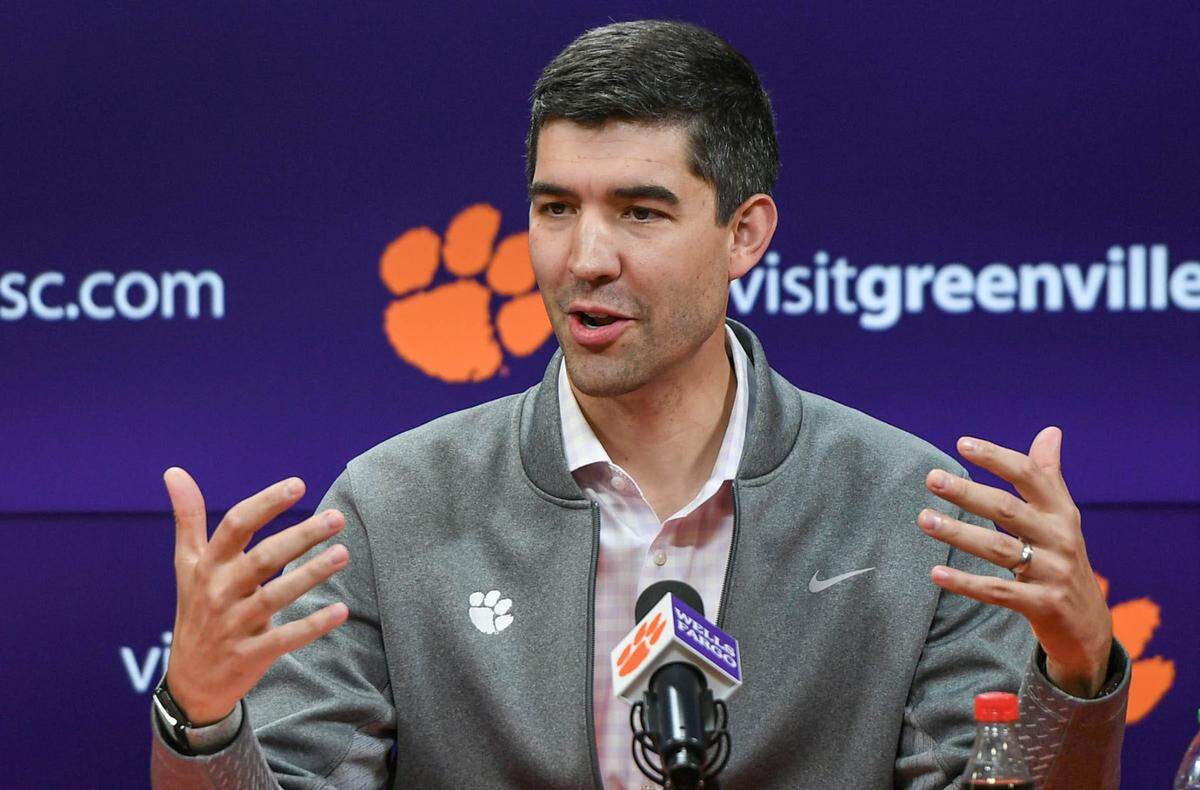
On Sept. 27, hours before the university publicized its plan, eight prominent university and city leaders met on an afternoon Zoom call titled “Clemson Discussion,” records show. Clements and athletic director Graham Neff were invited, as were city mayor Robert Halfacre and city administrator Andy Blondeau.
Friday night around 7:30 p.m., Clemson athletics sent out a second and final update, confirming the game was on as scheduled. Ticket refunds were not offered.
A crunch on resources
One major criticism of Clemson’s decision to host the football game as scheduled: By doing so, the school was using a lot of resources in a time of need.
Football games are major events and require significant investment and personnel to run smoothly: state troopers, local police, an ambulance on call, EMTs.
And having over 80,000 fans gather on a Saturday already puts a premium on things such as gasoline, hotel rooms and ice in Clemson, a city with a population of 17,838.
That resource strain was evident in emails reviewed by The State.
In a Sept. 27 email, the Clemson University Police Department’s interim chief, Chris Harrington, said CUPD had confirmed with its law enforcement partners that together they had the “necessary staff to support the game at this time.”
He noted staffing might be tighter than usual, though.
Furman’s request to play at Memorial Stadium was not made public at the time. A Sept. 27 email from Blondeau, the Clemson city administrator, sent to Clemson’s city council and other local officials cited the request and ultimate denial.
“Graham told them the community has been stretched to the limit and that was not a possibility,” Blondeau wrote of Clemson’s athletic director.
The Furman-Samford game was never played. (A Furman spokesman said the school had “complete understanding” of why Clemson did not assist them in that moment.)
In emails exchanged the morning of the game, Clemson city council member Lillian Boatwright asked city leaders if they’d pushed for help from the university following a storm that, in Halfacre’s words, was “worse than most can imagine.”
“I think it could help the ‘Clemson family’ image,” Boatwright wrote, adding that “perhaps some persistent communication will get the message across that the community needs what they (the university) definitely can provide?”
“I’m checking to see what capabilities we have now and will (see) how they can help fill the gaps after we get through the game,” Blondeau replied.
The game was played without any major in-stadium hiccups that Saturday night.
The next afternoon, a Clemson Police Department captain wrote to Halfacre and Blondeau to highlight city officers and others who went “above and beyond” and worked “extra long hours” to assist the community after Helene.
“While officers were still dealing with this on Saturday, they also had to deal with the influx of 80k visitors,” CPD captain Nate Heard wrote in a Sept. 29 email.
“It was not an easy time for anyone however we pulled together as a city and will be back stronger than ever. It appears as if we have to do what is best for us as a city (because) we are alone in this thing.”
Moving or canceling the game
Postponing, rescheduling and/or canceling the game would’ve come with logistical challenges and financial implications from a Clemson athletics perspective.
Given how much planning and coordination goes into a single college football game, and the fact Stanford (after a one-day delay) had flown cross country from California to play the game, and the fact those two teams did not share an “open” date the rest of the season, rescheduling the ACC contest would’ve been no small task.
If the game had been postponed, it likely would’ve been canceled down the line.
Clemson stood to lose about $7 million in gameday revenue from tickets, parking, concessions and other money streams had the Stanford game not been played.
And the fact Memorial Stadium was at 98% capacity can be viewed as proof of concept: A confirmation that thousands of fans wanted — and embraced — an opportunity to gather and cheer for their team during an otherwise heavy weekend.
In the same vein, Clemson draws fans nationally and it’s unclear what percentage of fans were local and what percentage were out-of-town visitors. The influx of visitors also came less than 24 hours after university officials were advised to “stay off the roads as much as possible,” and it caused gameday traffic and gas/ice shortages.
The university’s decision also stood in sharp contrast to a recent one by its biggest rival in a similar situation. In October 2015, South Carolina moved a home football game against LSU to LSU’s stadium in Baton Rouge instead.
USC’s decision came after a devastating round of Hurricane Joaquin-related flooding that resulted in 19 deaths statewide. Leaders, in explaining the move, acknowledged the strain that bringing hundreds of thousands of fans to Williams-Brice Stadium could put on emergency personnel needed elsewhere.
“The stress on law enforcement and first responders is too great,” USC’s then-president, Harris Pastides, said in a statement at the time.
Supporters ‘deeply troubled’
In the days following the game, numerous public officials — including Blondeau and Halfacre — were publicly critical or skeptical of Clemson’s decision to play.
The mayor of nearby Central, South Carolina told the Post & Courier the university’s decision to “imperil thousands of people in its community for the sake of thousands of visitors to its football stadium” was “unconscionable.” Blondeau, a Clemson graduate, said in the same story he didn’t think his alma mater “looked beyond the borders (of campus) to see how we were doing over here.”
Halfacre, the mayor, told The State at the time he didn’t love “that we had tens of thousands of people descending on our city as we were trying to assess and repair the damage from the storm” while acknowledging the school’s predicament.
“(A) lot goes behind those decisions and I’m not going to pretend to understand what the university had to consider,” Halfacre, a Clemson native, wrote.
Plenty of fans and alumni had thoughts, too.
It wasn’t exclusively negative. Neff and Clements, Clemson’s two most prominent decision-makers on athletics-related matters, received a handful of personal notes thanking them for holding the football game, emails showed.
“We drove all the way from NJ through the hurricane as we had tickets to the game,” one fan wrote to Clements. “We had such a GREAT time. What a great game.”
Another fan told Neff he and his son had an “awesome time” at the game. Their family lives in Central (about 15 minutes from Clemson) and had been without power since early that Friday. Things had been “crazy,” the fan wrote.
“At 10 pm my 19 year old said daddy why don’t we go see Clemson play and get out the dark house,” he wrote. “So we did ... We laughed and screamed for our Tigers. For those few hours we didn’t think about not having power.”
But the majority of 20-plus emailers were unhappy with Clemson’s decision.
A sampling of the complaints:
“The decision to go forward with the game has put Clemson University in a bad light and made a lot of people very upset, especially those that were in the path of the storm,” a longtime Clemson professor who lives in Aiken wrote. “It appears to all that the money for the game was more important than the people.”
The decision to play was “unfortunate and, given that so many in the immediate area and region in general were without basic resources, it bordered on obscene,” an alum and former student senate president wrote.
“This past weekend my coworkers and I worked almost 14 hours without air conditioning and power to help keep people on ventilators alive, while Clemson decided to host a football game, taking all of the resources such as power, food, and gas away from those of us who needed it to get to work,” a current Clemson student who appears to work in the medical field wrote.
Clemson caught flak nationally, too.
NPR covered the decision on its flagship afternoon radio show, headlined: “As locals struggle post-Helene, a South Carolina university held its homecoming game.”
Closing campus that Monday kept the controversy flowing. One university professor wondered why, if the school had electricity, it didn’t offer up more on-campus facilities and resources for students and staff who could have benefited from it.
“Of course it was NO PROBLEM to have the football game on Saturday – while the community was in the midst of max suffering,” he wrote.
The university resumed normal operations and classes one day later.
Honing the message
University leaders did not respond to the majority of those emails, but exchanges before and after the game showed they were well aware of the brewing controversy.
In the hours before Clemson sent out its final Friday night update, which confirmed the next day’s game would go on as planned with minor changes, Kallin, the athletic department spokesman, sent out a draft and asked for feedback.
Clemson’s initial statement thanked university and city personnel for their response.
“I think it will be important to acknowledge the damage and responders across the upstate & Midlands that have been working tirelessly, rather than just Clemson,” Custer, the school’s director of emergency management, replied.
That change was factored into the final update.
The morning of the game, members of Clemson’s executive leadership team also collaborated on a public address message thanking first responders for their work across the state, which was ultimately read over the loudspeakers midgame.
“Given our call with the city yesterday, I think we might want to broaden this to 1st responders more generally...City, upstate, statewide even,” chief operating officer Tony Wagner wrote in an email chain. “Also, we have hundreds of 1st responders helping us to make the game happen today that aren’t in their local communities at a time when that is a big sacrifice they are making for us.”
While the university was criticized heavily, records show that leaders did work diligently to coordinate and advertise post-storm relief efforts.
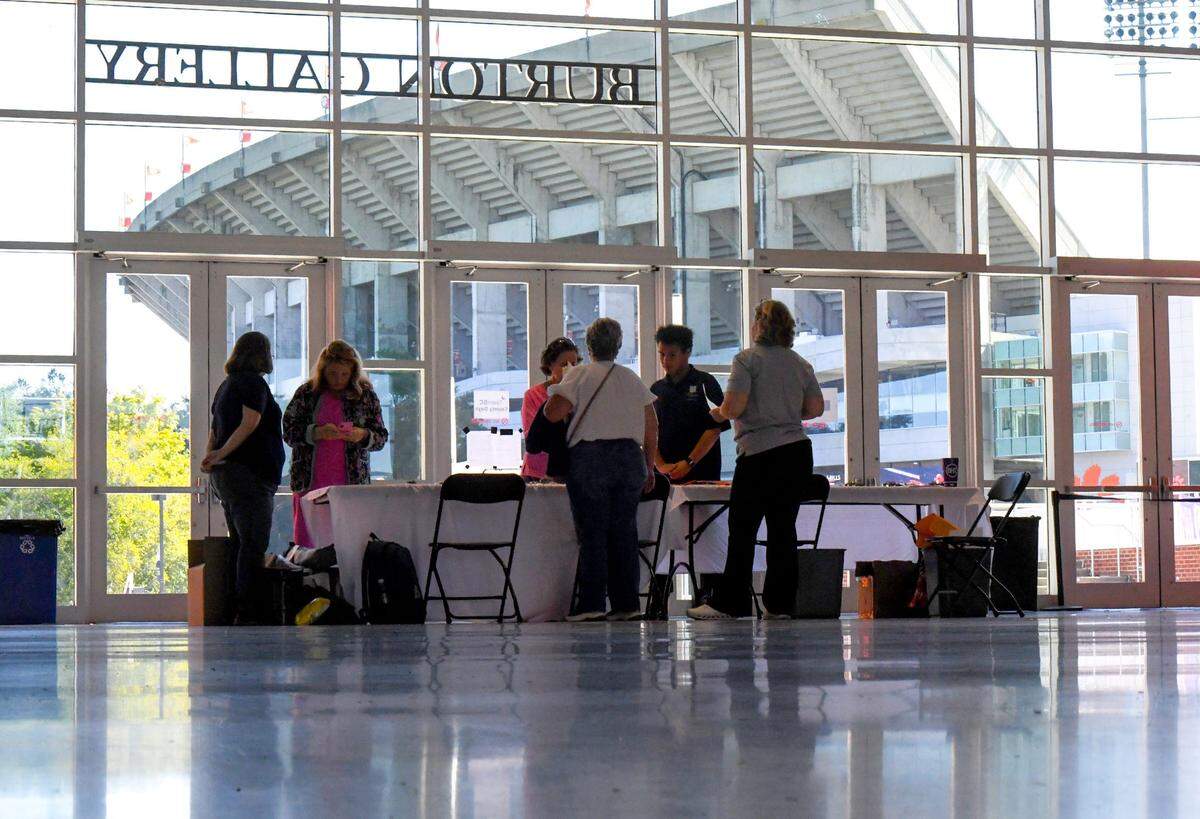
Clemson opened up its basketball arena and another facility for use that Sunday (three days after Helene hit) with free power, WiFi, showers and concessions.
Clemson was receptive to requests to coordinate a “Team South Carolina County Day” at Littlejohn Coliseum, which was designed to help the community apply for FEMA assistance and other government aid and was held Oct. 9.
The university also took up donations and held a days-long hurricane “supply drive” centered around its next home football game in mid-October.
A separate student-led drive generated over 5,000 additional donated items.
A university ‘disconnected from reality’
Despite those efforts and acknowledgments, the criticism that Clemson had turned a blind eye to the reality of the situation in favor of a football game persisted.
Two in-depth emails — both from alums who criticized the university’s decision — drew particular attention from top Clemson leadership.
One was from the alum who wrote the night before the game to say people were “hurting,” prompting Clements to forward the email to two advisers.
And another emailer, who identified themselves as a Clemson graduate with a years-long career in public works and emergency response, drew Neff’s attention.
They wrote that Clemson’s decision to play felt “disconnected from the reality that many in Clemson, Pickens County, and surrounding areas were facing.”
“In times of crisis, the focus should be on helping the community rebuild, not diverting attention and resources for a sporting event,” they wrote.
On Oct. 1, Neff shared that email with Kallin, the athletic department spokesman.
“Forwarding the few emails I received with more in depth thoughts related to the game,” Neff wrote. “Can you help with a bit more in depth answer?”
This story was originally published February 26, 2025 at 8:51 AM.