Clemson had power restored after hurricane as thousands in SC were in the dark. How?
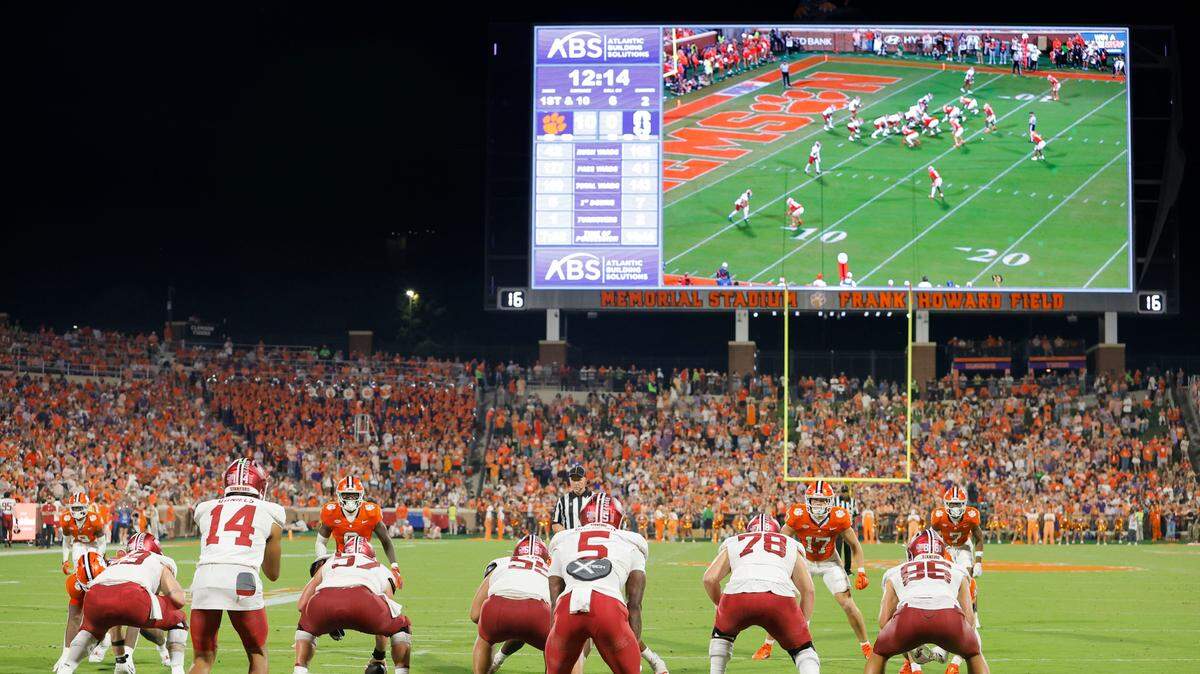
Clemson University faced significant criticism from fans, alumni and students last September after the school decided to host a home football game on campus roughly 36 hours after Hurricane Helene hit the region.
One lingering frustration: Who had power after Helene, and who didn’t.
More specifically: After a tropical storm that triggered about 1.3 million power outages statewide and hundreds of thousands in Upstate South Carolina alone, how did Clemson get electricity back quickly enough to fully power its 81,500-seat Memorial Stadium two nights later?
And did Clemson request any priority treatment or pay any additional money to its power provider, Duke Energy, in order to get its system back up and running sooner?
The answer to that second question is no, according to officials with both parties and a review of Clemson-Duke Energy billing invoices, which were obtained by The State via public records request as part of a larger project examining how Clemson leaders operated and responded to criticism the week of the game.
“Clemson University did not ask for or receive any type of priority treatment from Duke Energy after the devastating impacts of Hurricane Helene on the Upstate of South Carolina,” Ryan Mosier, a Duke Energy spokesman, told The State via email.
A Clemson university spokesman, Joe Galbraith, said the same thing.
As for how Clemson regained power so quickly? Officials attributed that quick turnaround to the electric distribution system for Clemson’s on-campus power plant, which is underground and not as susceptible to weather-related impacts as traditional, above-ground power lines.
Duke Energy has operated a natural gas combined heat and power facility, also known as a CHP facility, on Clemson’s campus since 2020.
From 2018 to 2023, Clemson said it also upgraded its main campus electrical infrastructure with a “primarily underground” distribution system.
After Helene made landfall in South Carolina overnight on Thursday, Sept. 26, Mosier said Duke Energy began assessing the damage to its facilities statewide. The company’s first priority (specifically in regards to the Clemson power plant) was making sure the plant was “safe to operate” in the first place.
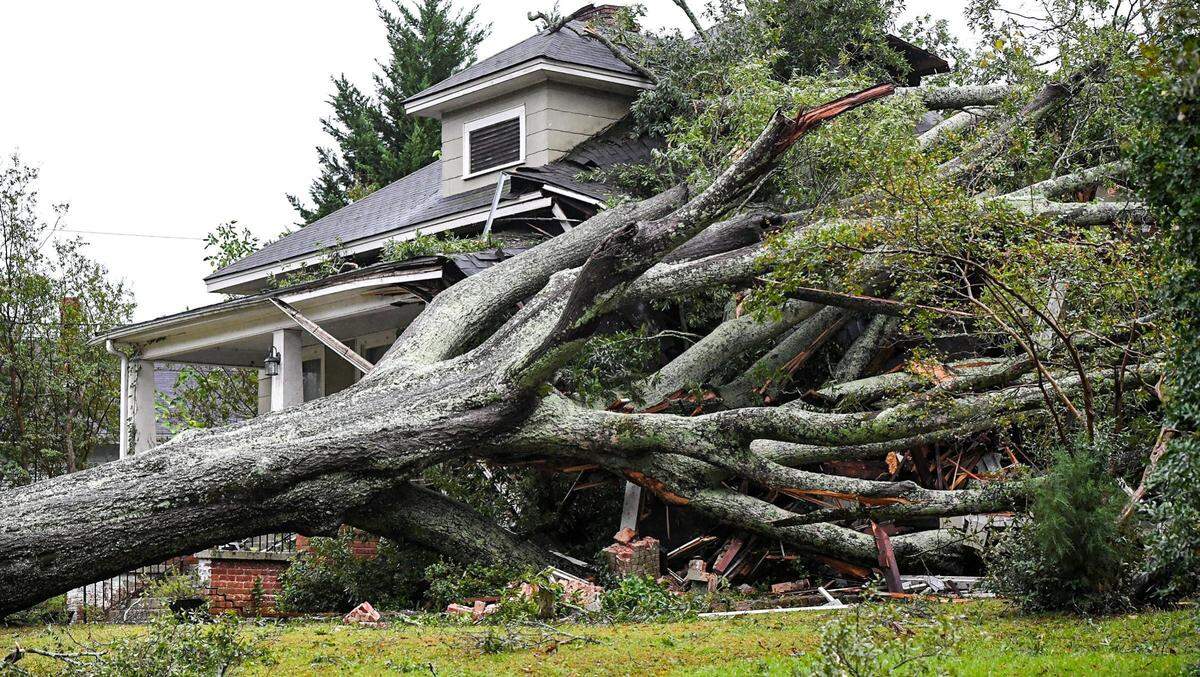
Once Duke Energy confirmed the on-campus power plant was safe to use, its next step was evaluating the substations that feed Clemson’s electric distribution system. Those substations essentially take power from the main plant and help transmit it across a coverage area, powering the entire campus.
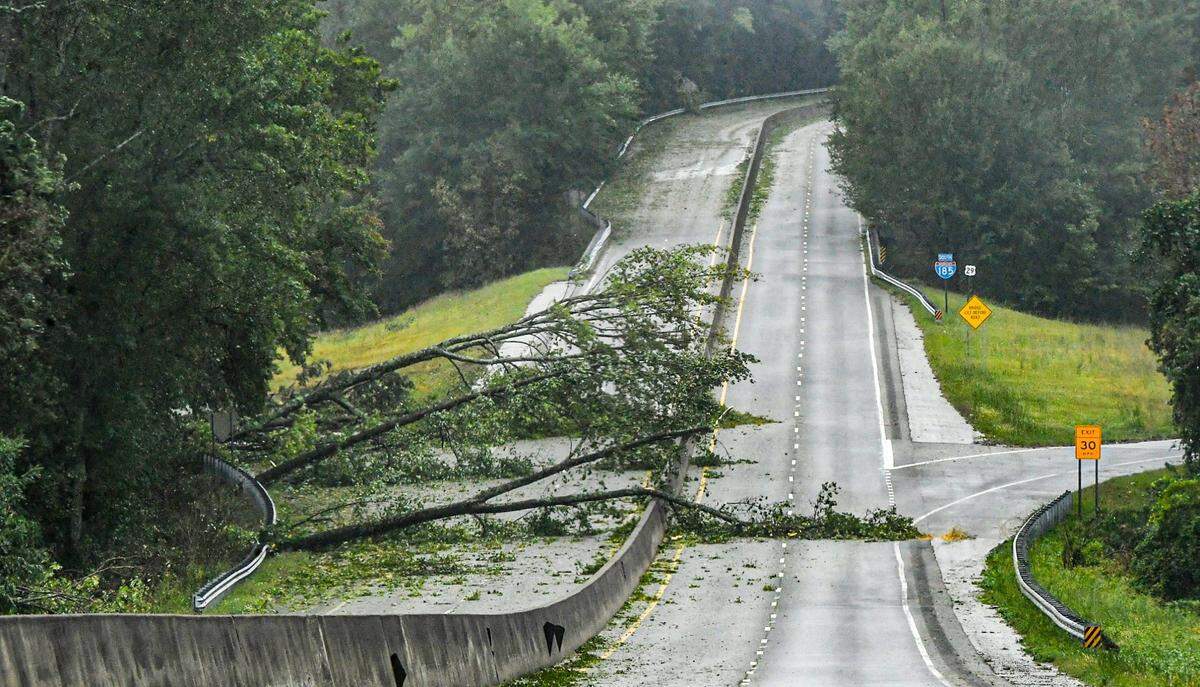
Following Helene, Duke Energy said that its transmission system for the Clemson-specific substations “was undamaged by the storm.” But safety systems designed for weather-related incidents did take the system “offline,” causing outages.
Clemson added that its main campus substation lost power at roughly 6:45 a.m. on Sept. 27 after a high voltage breaker at a “tie station” in nearby Central, South Carolina (which helps serve power to campus) tripped because of wind-driven rain.
Outside of the main campus substation, Clemson said that other university facilities in the area served by Duke Energy systems also experienced outages.
Clemson utility personnel contacted Duke Energy about the outages that morning.
“After it was determined the transmission system was safe to operate, it was re-energized,” Mosier said. “When the substations were also cleared to safely operate, our technicians were able to close the breakers, restoring service to the campus.”
Clemson said in a statement that it took roughly two hours to restore power to its main campus on Sept. 27, the day after the storm. For other university facilities served by Duke Energy, power restoration took anywhere from one to five days.
Clemson closed its main campus and all other Upstate locations beginning at 7 p.m. Thursday, Sept. 26 in anticipation of Hurricane Helene. The main campus remained closed and all classes scheduled for Friday, Sept. 27 were canceled.
Clemson also canceled classes for Monday, Sept. 29 before returning to normal operating procedures on Tuesday, Oct. 1 — but not before hosting a home football game vs. Stanford over the weekend, a contrast that many took offense to.
The university said in a statement that night it decided to host the Stanford game after a “detailed evaluation of the impacts of the storm, with a primary focus on the ability to safely host our opponents and fans on campus.”

Explaining Clemson-Duke Energy payments
In the days following the game, rumors swirled on social media platforms (specifically Reddit) that Clemson had paid Duke Energy a large sum of money to get its power back quicker while other customers in the region faced long wait times.
One community leader even emailed city of Clemson mayor Robert Halfacre and city administrator Andy Blondeau the morning after the game, writing that a local resident had reached out about a rumor “of concern regarding CU and Duke Power.”
And general frustration swirled about how quickly Clemson got its power back, considering there were still over 940,000 power outages across the state shortly after Clemson and Stanford kicked off on the night of Sept. 28.
Roughly one hour after the game ended, and 48 hours after Helene hit SC, about 650,000 people in the 11-county Upstate region remained without power, according to an email from Clemson’s director of emergency management. That included 47,000 people — or 54% of the population — in Pickens, Clemson’s home county.
But Clemson and Duke Energy’s statements that the university did not request priority treatment or pay additional money to get its power restored were supported by public records and invoices obtained by The State.
Those include a log of Clemson’s payments to Duke Energy from Jan. 1, 2024 through Oct. 21, 2024 (roughly three weeks after the “hurricane game” week).
Clemson, according to the records, paid Duke Energy about $18.7 million in energy bills during that nine-month period to power its 1,400-acre campus and a large payment of $1 million to $1.5 million roughly once a month. Large payments early in the month generally accounted for the back end of the previous month.
Records show the university paid a $1.48 million bill to Duke Energy on Oct. 1, 2024, five days after Helene hit South Carolina and three days after the Stanford game. The initial due date for that invoice was Sept. 27, 2024, the day after Helene.
That payment, however, falls in line with Clemson’s payment patterns from earlier in the year. For example, Clemson paid Duke Energy $1.5 million for an energy bill in August 2024, its largest single payment to the company during the request period.
The university made five other individual payments over $1 million to Duke Energy in January, March (for February), April, June and July. Clemson also made three payments over $900,000 in January (for December 2023), March and May.
Top Clemson officials also had limited email contact with Duke Energy during the week of Helene, records show.
The State requested any existing email exchanges between Duke Energy and 10 different university employees involved in communications, facilities and/or energy which included keywords such as “hurricane,” “helene” and “power.”
A FOIA representative said Clemson conducted a search and said they did not locate any corresponding emails for that request. (The State’s request did not cover any potential phone calls and/or text messages.)
This story was originally published February 26, 2025 at 8:56 AM.