No raises, contract extensions for Clemson football coaches in 2026. Here’s why
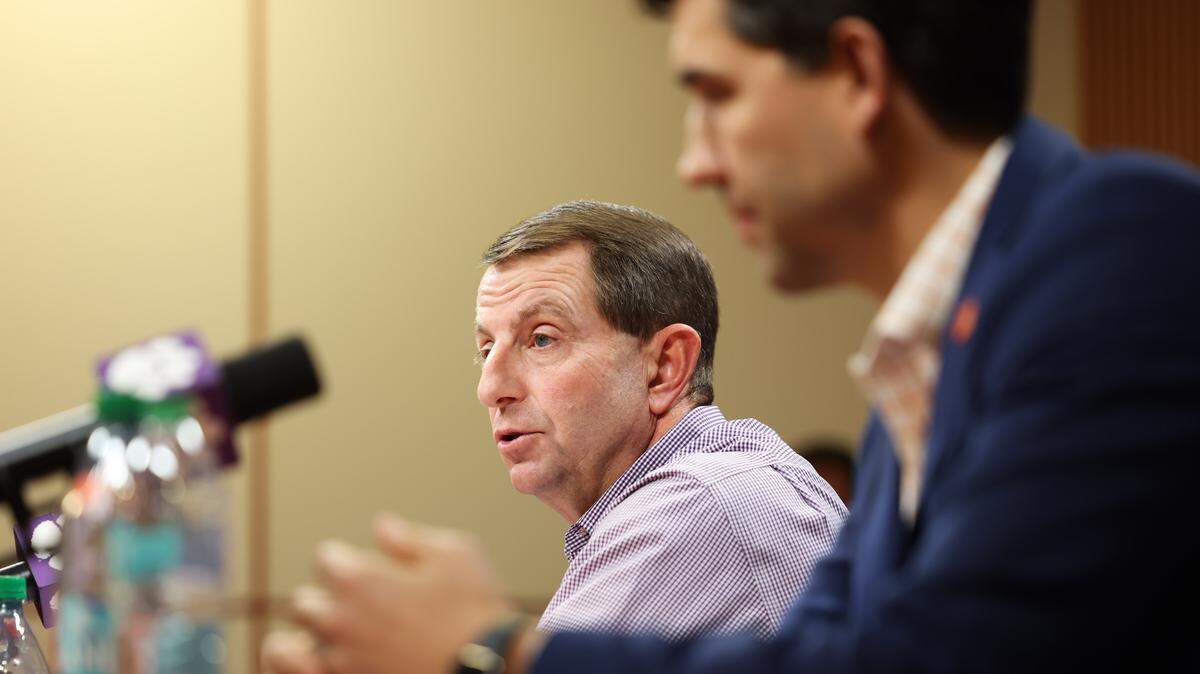
As the football team thrived, the process became routine: In February, the Clemson University Board of Trustees would push through contract updates for Dabo Swinney’s assistant coaches at its winter quarterly meeting.
But a 7-6 season can change things.
Last year, coming off a College Football Playoff appearance, 15 Clemson coaches and support staff members received a raise, a contract extension or both. The school approved similar batches of contracts after the 2022 and 2023 seasons.
This year, there was only one new deal to approve — and he was a new hire.
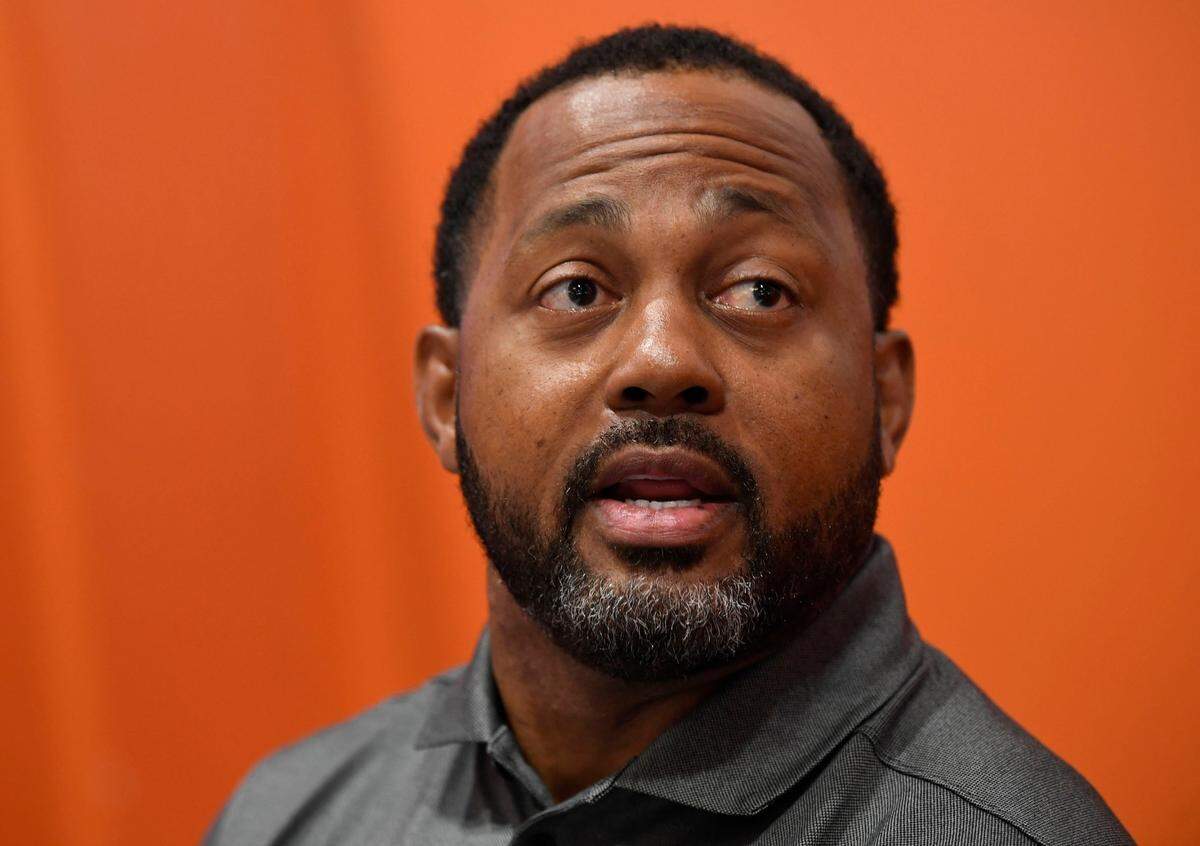
Clemson on Feb. 6 approved a new contract for Dennis Love, who takes over for Joey Batson in the football team’s head strength and conditioning coach role. But none of Swinney’s returning assistants got a raise or a contract extension.
The same goes for members of his support staff, which ranked among the most expensive in the country last year (and has drawn some criticism from fans).
After a preseason Top 5 Clemson team with national championship expectations flopped in 2025, starting 3-5 and finishing with Swinney’s worst record since 2010, it’s not hard to read between the lines on those decisions.
To be clear: Swinney isn’t on the hot seat. Clemson athletic director Graham Neff has given a full, public endorsement of the school’s all-time winningest coach and two-time national champion as the right leader for “many, many years ahead.”
But, at a time when athletic departments are spending more than ever and sharing $20.5 million in revenue directly with athletes, Clemson is clearly scrutinizing some of its football-related expenses, including staff salaries.
What lack of contract extensions means for Clemson
No Clemson football assistant coach saw a pay cut, and every coach is under contract through at least 2027. But the following eight assistant coaches saw no changes to their current contract lengths and salaries with the university:
- Defensive coordinator Tom Allen ($2 million)
- Defensive tackles coach Nick Eason ($1.2 million)
- Offensive line coach Matt Luke ($1.2 million)
- Defensive ends coach Chris Rumph ($1.1 million)
- Cornerbacks coach Mike Reed ($1 million)
- Tight ends coach Kyle Richardson ($675,000)
- Running backs coach CJ Spiller ($600,000)
- Wide receivers coach Tyler Grisham ($600,000)
A lack of extension is particularly notable for Reed, Spiller, Grisham and Richardson, all of whom are now working in the final year of contracts that end in January 2027. It’s the second year in a row Reed hasn’t received a raise or extension.
New Tigers offensive coordinator Chad Morris, hired in January, will make $1.2 million in 2026-27 — less than he was making when he left Clemson’s OC job to coach at SMU in 2014, and a mid-level coordinator salary within the ACC.
The team filled its open safeties coach position with three younger coaches (Thomas Allen, Corico Wright and Nolan Turner) whose individual salaries didn’t meet the threshold for needing board of trustees approval ($300,000 or more).
Other longtime support staffers in contracted positions (who traditionally work on two-year contracts) didn’t get raises or extensions. That list includes names familiar to Clemson fans like Woody McCorvey, Robbie Caldwell and Danny Pearman.
Rev-sharing era prompts schools to reevaluate
Are those non-actions a direct reflection of Clemson’s poor 2025 season, which featured Clemson’s first losing home record since 1998 and 10-point duds in the team’s season-opening loss to LSU and season-ending loss to Penn State?
Not exactly. In the revenue-sharing era, it makes sense for any school to scrutinize expenses. Things like glitzy facilities and large support staffs — which Clemson’s been happy to finance for Swinney over the years — made sense in 2016, when football was in an elite stretch and the revenue-sharing model didn’t exist.
Those off-field expenses make less sense in 2026, when most athletic departments’ top two priorities are making sure they can commit the maximum amount rev-sharing money allowed to athletes under the House settlement — and generating as much additional revenue as possible to offset that large expense.
Had Clemson finished 10-2 and reached the CFP rather than finishing 7-6 and losing in the Pinstripe Bowl, though, it wouldn’t have been a surprise for returning assistants and support staff to get raises and extensions.
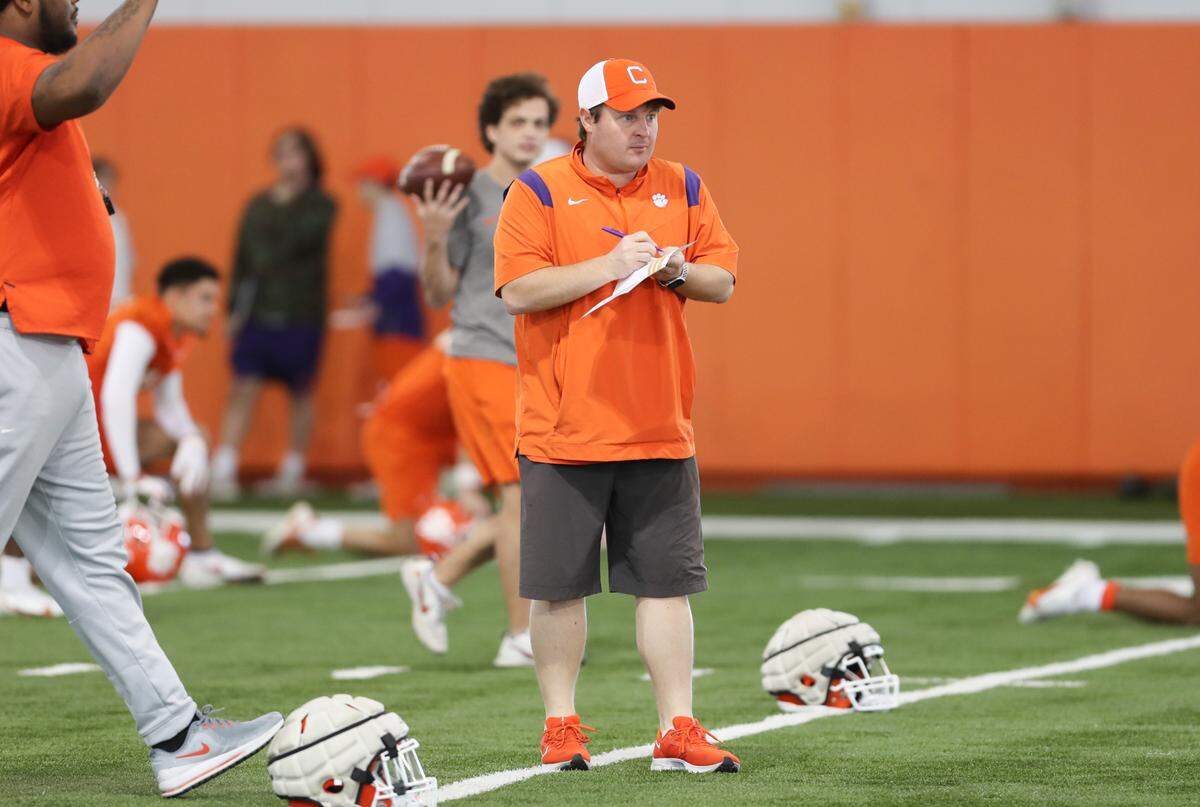
Prove-it year on deck?
Instead, Clemson is going with a financially leaner approach.
If Swinney’s 2026 Clemson team has a resurgent run, new quarterback Christopher Vizzina excels and the Tigers’ 10-man transfer portal haul contributes? The university’s board of trustees compensation committee will be busy in 2027.
If Clemson disappoints again, though? It’s safe to say Swinney — who fired offensive coordinator Garrett Riley and Mickey Conn after the 2025 season and has now fired at least one assistant every offseason since 2022 — would make more changes.
Proactive raises and contract extensions often help schools retain top talent. It can also put a school like Clemson in the position of paying millions annually in buyout money when pricey coaches such as Riley, Conn and Wes Goodwin don’t work out.
Heading into 2026, that contrast is very apparent.
This story was originally published February 9, 2026 at 7:30 AM.