Two things are at the top of new South Carolina AD Jeremiah Donati’s priority list
Jeremiah Donati began his South Carolina athletic director tenure Thursday, stepping into a fortunate situation at a somewhat unfortunate time.
After 13 years at Texas Christian University, including the last seven as athletic director, Donati finally jumped at a job offer, deciding to pick up and move his wife and two daughters across the country to a state in which he had never worked.
“We would have been happy there for a long, long time,” Donati said. “It really was going to take what we felt like was the perfect situation to move our family.”
The “perfect situation” is a job in the SEC. It’s a $1.9 million contract (and a $600,000 raise from what he was previously making at TCU). It’s a job where your predecessor, Ray Tanner, stepped down with admiration. Where there are no scandals looming. Where there are no vacant coaching openings to fill.
It’s a school where no head coach of the four major programs — football, men’s basketball, women’s basketball and baseball — is on the hot seat. Where all four of those programs are coming off postseason appearances.
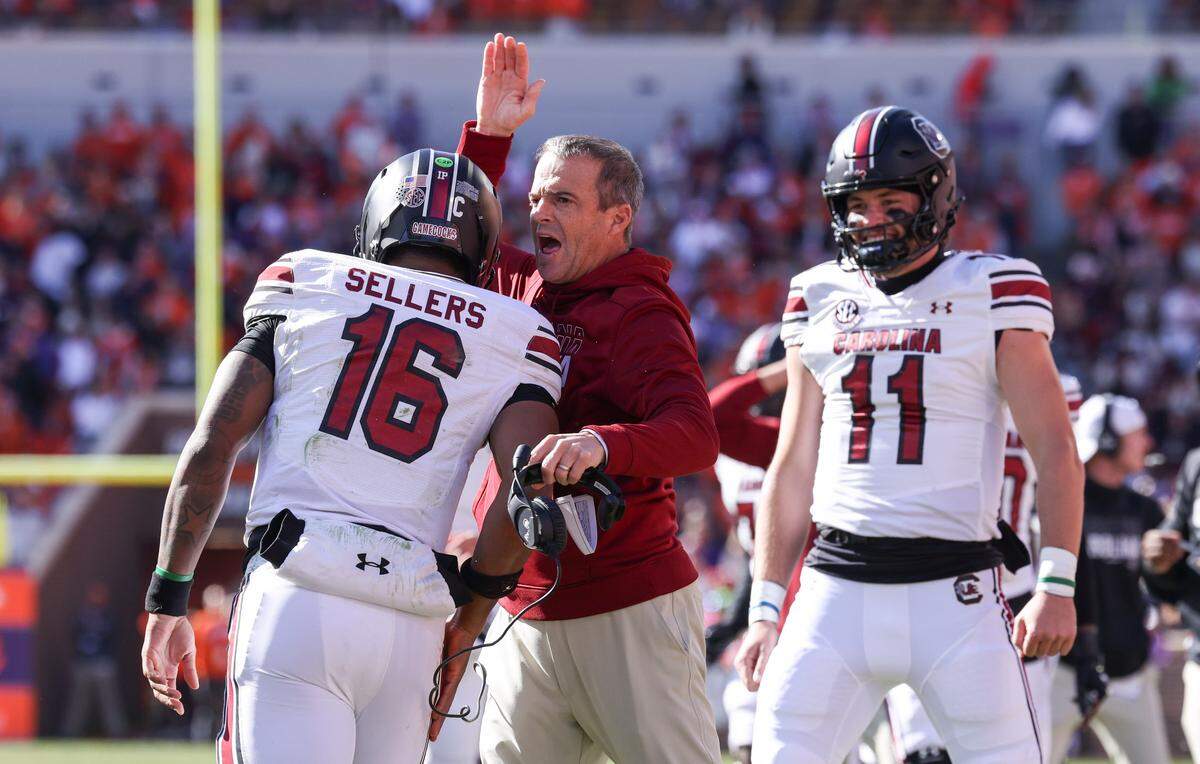
Where a dynasty — coach Dawn Staley’s women’s basketball team — is still rolling. Where the athletic department’s moneymaker, the football program, is on an upward trajectory led by a youthful, charismatic head coach in Shane Beamer.
It’s also a school led by a president, Michael Amiridis, that seems to place a high value on the importance of athletics. Amiridis asked Donati during the interview process, “Can we raise our profile, our brand and win football games?” Donati told The State. “Competing in the SEC at the highest level was important (to him).”
Granted, that sunny outlook can change in an instant. Donati knows that better than anyone. Things were looking splendid when he took over at TCU in 2017. But within months, a former football player sued the school in a medical negligence lawsuit and Donati had to fire the head swimming and diving coach after damning accusations.
“I’m hoping it’s a little smoother than that,” Donati said last week. “But I also understand in the world of college athletics, there’s no guarantees.”
Case in point: His perfect situation arrives at an imperfect time.
The NCAA is seemingly getting sued every 12 seconds. Revenue sharing, as a result of the House v. NCAA settlement, will come into effect in a few months. Fans are bankrolling rosters with NIL. The transfer portal brings chaos and tension every December. The rules on eligibility are shifting so rapidly that some, like South Carolina LB Bam Martin-Scott, aren’t sure if they’ve played their last college game or not.
For weeks, as he waited to officially take over at South Carolina, Donati worked to acclimate himself with all things South Carolina.
He said in his introductory news conference that the first few months would involve a lot of listening and learning and, so far, that’s held true.
“The team has done a tremendous job in the transition to kind of arm me with a lot of factual information about the departments and how the athletic department is set up, and so I know a lot going in,” Donati said.
What he’s learned?
There are a few things “we need to address pretty quickly,” he said.

1. The House settlement
The $20.5 million salary cap will begin in months and yet it still seems like it’s anyone’s guess how exactly that will get divided among athletes.
Donati acknowledged the SEC presidents are weighing whether to have a conference-wide solution or let each school choose its own path — in which each could dictate what percentage of that $20.5 million goes to each sport.
The Big 12 left it in the hands of the schools and Donati said TCU had its plan for splitting the money “finalized,” which would seemingly give him a head start if the SEC leaves it up to the schools.
“I know, directionally, more or less how this is going to shake out,” Donati said. “But we don’t have it exactly finalized.”
Through an “informal canvassing” of the industry, CBS Sports reported that most schools will follow a 75-15-5-5 formula. That’s the percentage split established by the judge overseeing the House settlement in the “backpay” portion (how former athletes will be recompensated).
In that model, 75% of the money goes to football, 15% goes to men’s basketball, 5% goes to women’s basketball and 5% goes to other sports.
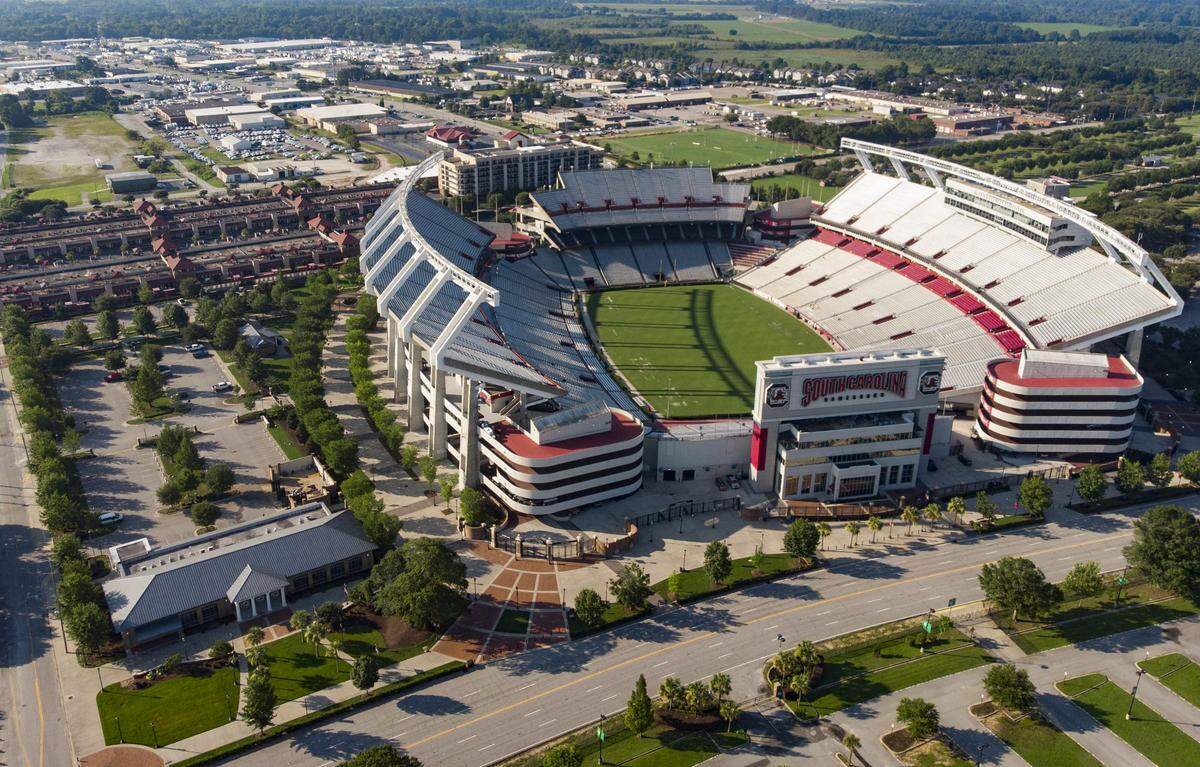
2. The Williams-Brice Stadium renovation
South Carolina announced in October a massive step forward toward upgrades to the Gamecocks’ football stadium. It received board approval for a “Phase 1” to begin following the 2025 season and further phases that will prioritize adding more suites to Williams-Brice, which is drastically behind its SEC counterparts.
Much of that has been in the works for a while, but Donati will be tasked with leading the fundraising, logistics and decision-making along the way.
“We have kind of a tight timeline there,” Donati said. “We really need to understand the next steps, figuring out who’s going to be the architect, and getting this thing designed and start putting a plan around it.”
Those are the two short-term priorities for the new South Carolina athletic director. But he’s already beginning to familiarize himself with other looming decisions.
What is South Carolina going to do with the 800 acres of land it owns surrounding Williams-Brice? What does it do with the land on floodplains? And what would be a timeline for private developers to begin construction?
Then there’s a pair of deals Donati will have to negotiate in the next few years. South Carolina’s multimedia rights deal with Learfield expires at the end of 2026 and its apparel deal with Under Armour, which ends in June 2026.
All of that, too, requires a balance of doing what’s necessary in the present day while making sure it’s also the right choice for the future. It goes back to the traits Amiridis was searching for throughout the athletic director search.
“He was concerned about: How do you manage change?” Donati said. “And how are you gonna prepare us for the future?”
“We want to make sure that we’re built for the next five to 10 years,” Donati added. “This is not a fixer-upper, but there’s areas where we can probably make some adjustments.”