
Another politician — this one from S.C. — paid family for campaign work
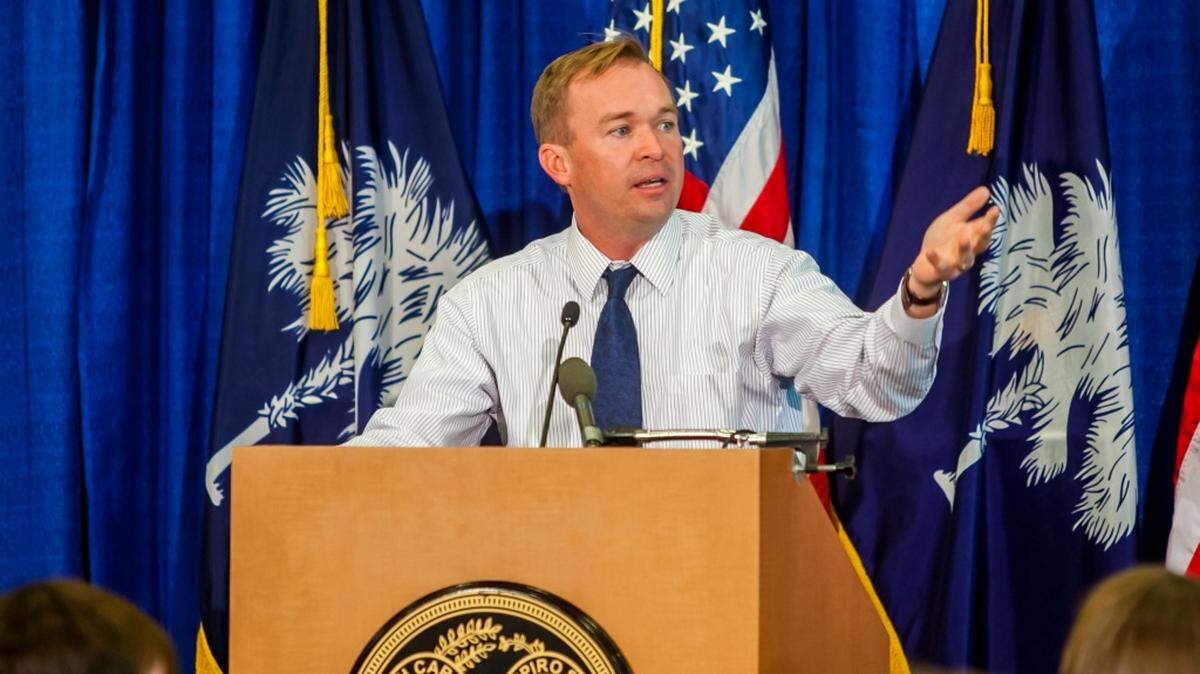
U.S. Rep. Mick Mulvaney, R-S.C., paid his mother-in-law $500 a month in campaign money for consulting work during his 2010 campaign and his first term, records show.
The payments don’t appear to be illegal, and other lawmakers have paid family members for campaign work.
But they could raise questions as Mulvaney faces a challenge from Democrat Fran Person for South Carolina’s 5th District congressional seat.
An analysis of Federal Elections Commission filings found a total of $13,886 paid to his mother-in-law, Isobel Lynch, from December 2009 to December 2011, the month she passed away.
Roughly 15 percent of the reimbursements were for postage and campaign supplies. The rest is listed as “fundraising consulting,” “grass-roots consulting,” and “administrative support.” In one entry she is listed as “Isobel Lynch Consultant.”
“We identified her work on the FEC forms as ‘consulting’ simply because that was the closest thing that described what she was doing,” Mulvaney said in a statement. “Mrs. Lynch handled most of the tracking and recording of our small-dollar donations in the 2010 race.”
Her duties included arranging and staffing fundraising events, handling thank-you notes to donors – hence the postage reimbursements – and various administrative tasks, Mulvaney said.
News reports in 2009 show Lynch was active in Mulvaney’s campaign, acting as a representative for him at community meetings.
FEC rules give congressional candidates wide leeway in spending their campaign money. Candidates are allowed to hire their spouses or other relatives as long as they pay them at a fair-market rate.
“The question is if she’s actually doing $500 a month’s worth of services for it, and would he pay someone else the same amount to do the same thing,” said Larry Noble, general counsel of the nonpartisan Campaign Legal Center in Washington, which works on campaign finance issues.
Mulvaney said the work Lynch was paid to do was “redistributed among others in the organization” when she passed away.
When it comes to vague descriptions like “consulting,” it may be hard to determine whether the amount paid was fair, Noble said. However, paying family members for campaign work is a “relatively common practice and candidates often say they trust their family.”
“So you do see it, but whenever (members of Congress) do this, even if it’s not a lot of money, it can raise eyebrows,” he said. “Especially if the job is somewhat amorphous.”
Mulvaney said Lynch’s work was labeled consulting because his campaign did not know what else to call it.
Lawmakers’ political action committees have even more latitude in how they spend their money.
Last week, McClatchy reported that PACs backing U.S. Sen. Richard Burr, R-N.C., paid nearly $200,000 over the last 16 years to his in-laws and a firm employing his son for office rent and administrative services.
In past rulings, the FEC also has permitted candidates to lease part of their residences to their campaigns. All this is legal as long as the candidate doesn’t convert campaign cash to personal use by paying more than the services are worth.
Although Democrat Person, a former aide to Vice President Joe Biden, has posted strong fundraising numbers this election, Mulvaney, the Republican incumbent, still has outraised him almost 2-1.
Person declined to comment for this story.
On the state level, the State Ethics Commission ruled this summer that candidates running for office in South Carolina can use their campaign money to pay their own businesses or companies run by family members.
Those payments are allowed as long as relatives are being paid at market value and have a history of doing the kind of work for which the campaign is paying them.
This story was originally published September 23, 2016 at 5:09 PM with the headline "Another politician — this one from S.C. — paid family for campaign work."