Now is critical time to keep up momentum against racism, Staley, Clyburn say
READ MORE
Breaking Point: Tackling Systemic Racism in South Carolina
George Floyd’s brutal death ignited weeks of protests in every American city. But while the crisis is national, the reality is that change will happen at the local level.
“Breaking Point: Tackling Systemic Racism in South Carolina” focuses on the meaningful reforms needed in our state. Our panelists help us understand race issues in South Carolina and the policy changes needed in law enforcement and education
Expand All

How do we confront racism, reimagine public safety and heal in North Carolina?

Now is critical time to keep up momentum against racism, Staley, Clyburn say

Community policing and reform needed in SC, group says. Both have to improve
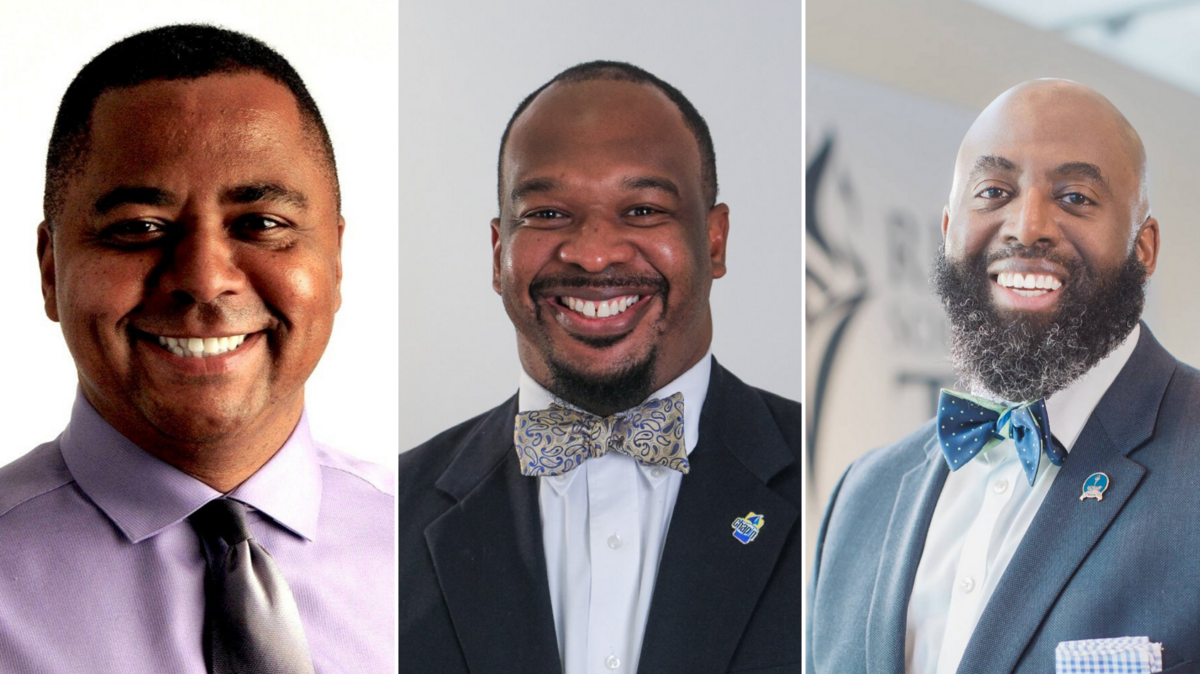
More Black perspectives needed in SC classrooms, experts say at panel
SC Sen. Tim Scott: Focus must be on improving Black outcomes, not tearing down systems
South Carolina has made progress toward racial equity, and now is the time to make sure momentum does not fade, say two of the state’s most prominent African American cultural and political leaders.
“We seem to feel that when things smooth out, if nothing is going wrong, then we just step away from it,” said U.S. Rep. James Clyburn, who joined The State newspaper for an online forum Friday tackling issues of race and racism in South Carolina. “We have to keep constantly moving toward the building of a more perfect union.
“These things we know we ought to do something about, and if there is not the pressure there, we seem to not pay attention to it.”
Clyburn spoke alongside Dawn Staley, head coach of the University of South Carolina women’s basketball team, as the pair addressed longstanding and recent actions that have been taken to combat racism in South Carolina and across the nation.
Staley, a three-time Olympic gold medalist and one of just two Black head coaches at the state’s flagship university, has turned her national notoriety into a platform for speaking out on racism and injustices.
“I’ve been pushing social justice for a long time,” she said. “The difference is, people are hearing it more nowadays. And if they’re going to hear it, then we’re going to have to push a little bit more and have those uncomfortable conversations.”
The discussion with Clyburn and Staley was part of a four-segment forum called “Breaking Point: Tackling systemic racism in South Carolina.” The forum was organized by The State and its parent company, McClatchy.
McClatchy is planning four similar forums next week in North Carolina, Miami, Kansas City and Sacramento, California.
Clyburn and Staley highlighted a range of areas where the state continues to fall short in racial equity, including:
▪ Policing, which Clyburn said he is addressing through legislation currently pending in Washington, D.C.
“You can’t tell me we are not aware that there is a problem with policing,” he said. “We shouldn’t defund the police. Get rid of bad police officers.”
▪ Education, from adequate and equitable resources for public school teachers to people in decision-making positions at USC.
“I’m starting with my workplace,” Staley said. “I feel like on a university level and athletics department, there are things we need to do right now to make sure we have people who look like me in decision-making positions.”
▪ Health care.
“I don’t think we’re doing a good job,” Clyburn said, noting that he believes low-income communities are harmed by the state’s failure to expand Medicaid access. “We know full well we should do that.”
▪ Elections.
“The first thing we can do is think about how we can improve the democratic process,” Clyburn said. “Why do we make it so difficult to vote?”
He noted that there are discriminatory principles behind the state’s voter ID law, which supporters have said is intended to guard against vote fraud. “We know that there’s no such thing as massive fraud in voting.” He also pointed to a practice that was just shut down that required people to pay for postage on mail-in ballots, amounting to a poll tax, he said.
Both Clyburn and Staley stressed that young people, and particularly young Black people, should turn their passion into votes. Staley recommended that colleges find a way to set up polling places on campus.
“They’re the group that’s going to change,” Staley said. “Let’s make it easy for college students ... to exercise their rights.”
Staley also alluded to a plan of action she’s formulating to address issues of race and equity at USC and within the school’s athletics department.
This story was originally published July 10, 2020 at 1:19 PM.