
Community policing and reform needed in SC, group says. Both have to improve
READ MORE
Breaking Point: Tackling Systemic Racism in South Carolina
George Floyd’s brutal death ignited weeks of protests in every American city. But while the crisis is national, the reality is that change will happen at the local level.
“Breaking Point: Tackling Systemic Racism in South Carolina” focuses on the meaningful reforms needed in our state. Our panelists help us understand race issues in South Carolina and the policy changes needed in law enforcement and education
Expand All
How do we confront racism, reimagine public safety and heal in North Carolina?
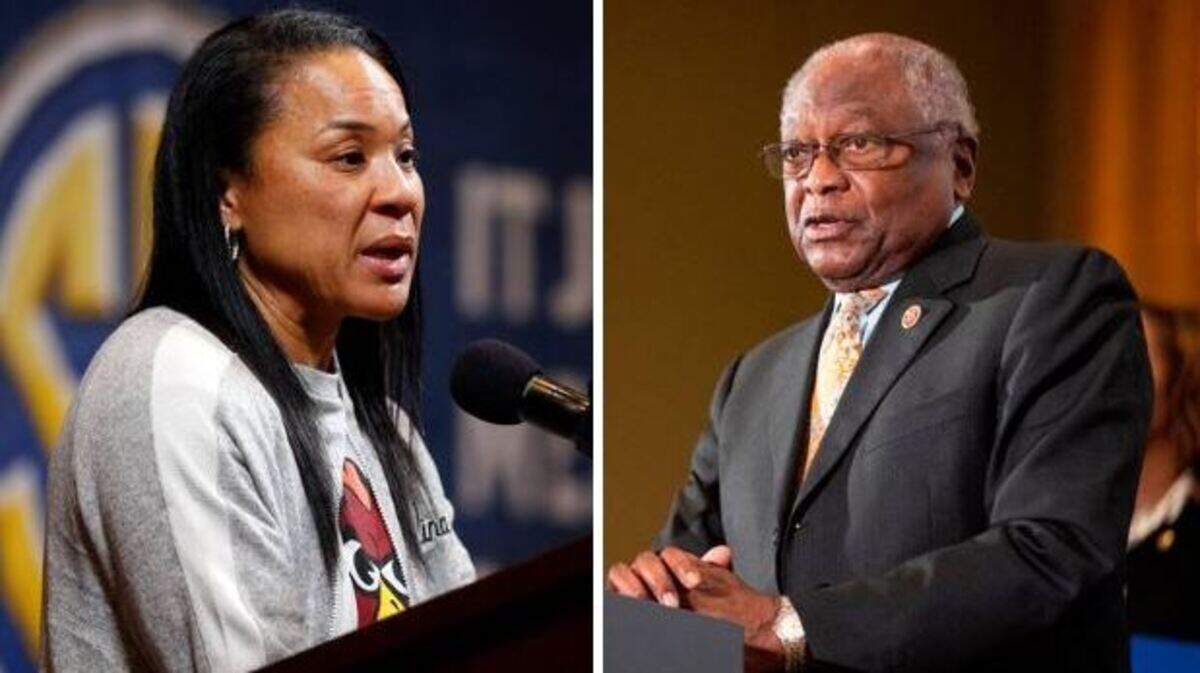
Now is critical time to keep up momentum against racism, Staley, Clyburn say
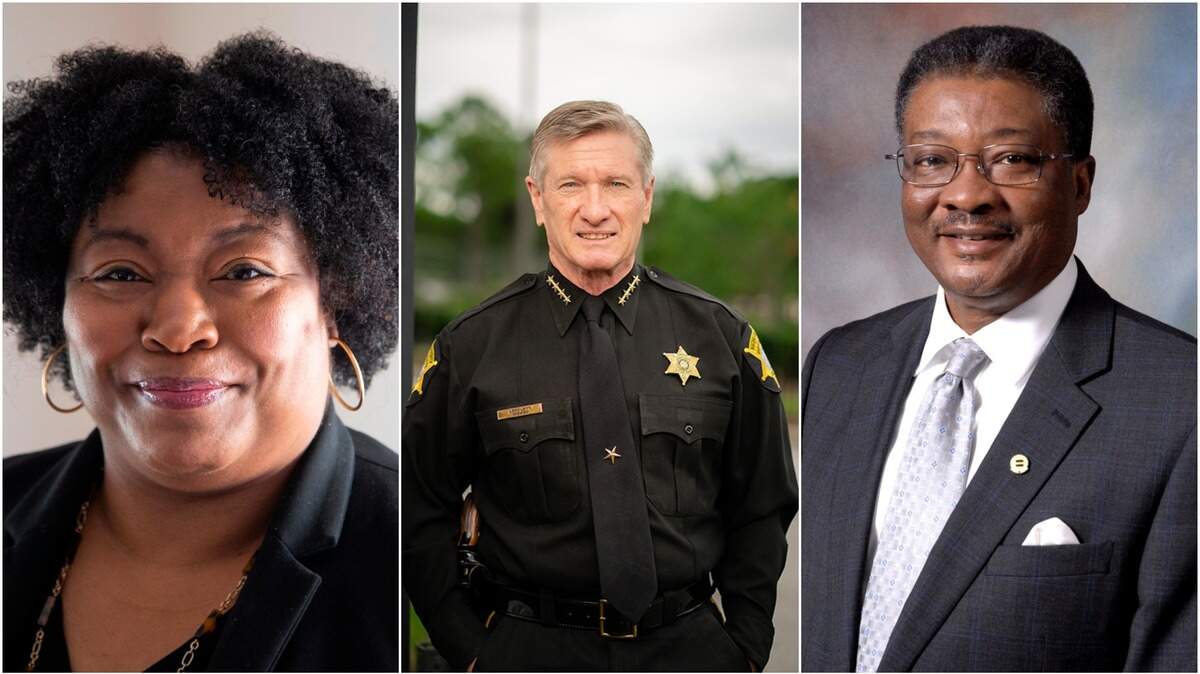
Community policing and reform needed in SC, group says. Both have to improve
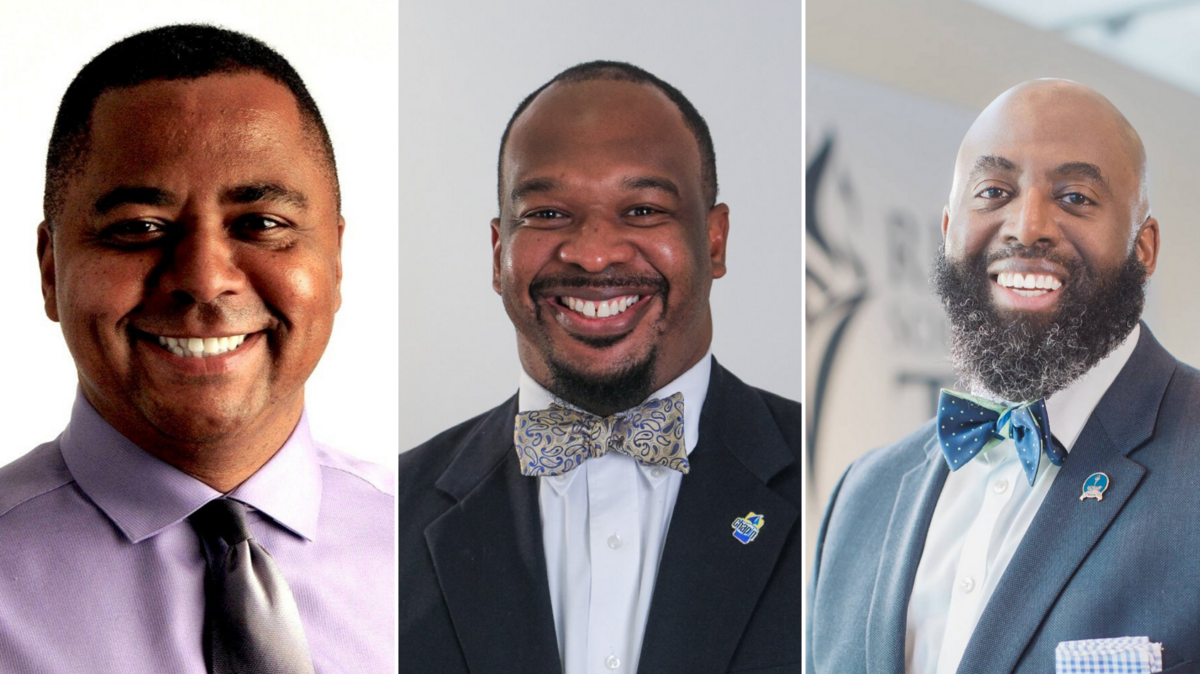
More Black perspectives needed in SC classrooms, experts say at panel
SC Sen. Tim Scott: Focus must be on improving Black outcomes, not tearing down systems
A woman whose career is defending people charged with crimes and a man whose job is tracking down criminals in Richland County agreed Friday on one thing: Community policing can work.
“It can work if we’re reaching out and getting everyone involved,” defense attorney Connie Breeden said during a forum on race and law enforcement hosted by The State.
The discussion brought together Breeden, Richland County Sheriff Leon Lott and Columbia Urban League President and Columbia Urban Legue President J.T. McLawhorn. It was part of a four-segment forum called “Breaking Point: Tackling systemic racism in South Carolina.” The forum was organized by The State and its parent company, McClatchy.
McClatchy is planning four other forums next week in North Carolina, Miami, Kansas City and Sacramento, California.
At the heart of Friday’s discussion on law enforcement was a talk about police reform and community policing, which the group suggested were interconnected.
George Floyd’s killing in Minneapolis while in police custody was a breaking point “for all of America,” Lott said.
“We in law enforcement recognize we have to change,” he said.
The 20-minute conversation focused on community policing as a solution to better relationships between police and Black communities.
Community policing involves police agencies becoming an integral part of a community rather than solely a criminal response force.
The relationship between Black communities and police as well as community policing are each “a work in progress,” McLawhorn said.
“We have to make sure police officers understand the culture they’re dealing with,” McLawhorn said.
He suggested citizen boards reviewing new hires at police agencies as a way to gauge if an officer has an understanding of the community the officer will be patrolling.
When Black communities don’t trust police, it’s an indictment of the police, not the community, Lott said. Community policing is effective only when police “do it all the time.”
“Not just when there’s a bad incident, but when you do it all the time,” he said. “That’s the foundation.”
Disparities in the criminal justice system that adversely affect Black people were also discussed, such as the disproportionate amount of Black people charged with crimes in South Carolina.
Breeden called the disproportion in charges a significant problem and said there are systemic practices in the criminal justice system upholding the inequity.
African American defendants are supporting police departments, court systems and other facets of the criminal justice system through fines and court fees while those same systems are working against Black communities, Breeden said.
One starting point for addressing this disparity is to work on implicit bias, or unconscious assumptions, with police officers, the group suggested.
“I just believe that if we could all work together, as Sheriff Lott indicated, we could make things so much better,” Breeden said.
Breeden is a graduate of Clemson University and the University of Connecticut School of Law. She returned to South Carolina and worked with a private firm before working as an assistant public defender, assistant solicitor and municipal judge in the Eleventh Judicial Circuit. She is the owner of The Law Office of Connie D. Breeden, where she practices criminal defense, family law, probate and civil law in South Carolina.
She has also served as a continuing legal education presenter locally and nationally with particular interest in disproportionate minority contact.
Lott has been sheriff of Richland County since 1996 and was police chief of St. Matthews before that. He developed community-oriented policing programs such as the Richland County Sheriff’s Department’s Community Action Team and oversees South Carolina’s D.A.R.E. program, which promotes drug abstinence, violence prevention and good decision making to children.
McLawhorn has been the president of the Columbia Urban League since 1979 and is a recipient of the National Urban League’s Whitney M. Young, Jr. Race Relations Award. McLawhorn helped organize the King Day at the Dome rally in 2000 to protest the Confederate flag, which, at the time, flew atop the State House. The rally drew over 50,000 people.
This story was originally published July 10, 2020 at 2:41 PM.