
More Black perspectives needed in SC classrooms, experts say at panel
READ MORE
Breaking Point: Tackling Systemic Racism in South Carolina
George Floyd’s brutal death ignited weeks of protests in every American city. But while the crisis is national, the reality is that change will happen at the local level.
“Breaking Point: Tackling Systemic Racism in South Carolina” focuses on the meaningful reforms needed in our state. Our panelists help us understand race issues in South Carolina and the policy changes needed in law enforcement and education
Expand All
How do we confront racism, reimagine public safety and heal in North Carolina?
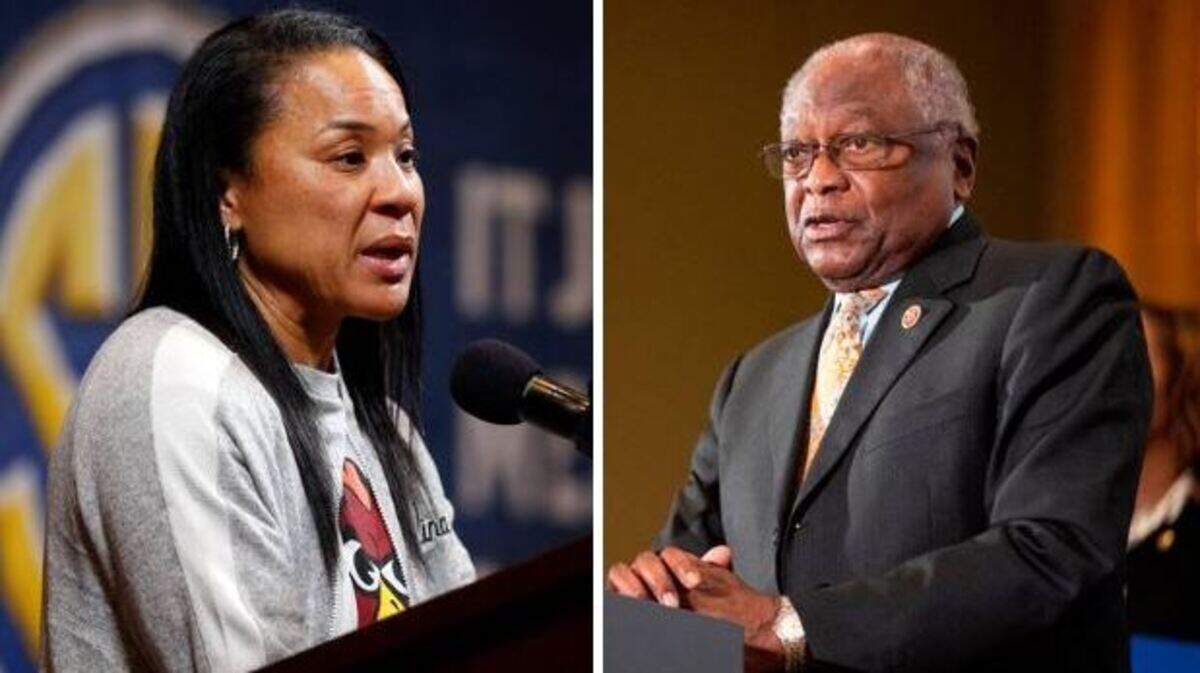
Now is critical time to keep up momentum against racism, Staley, Clyburn say
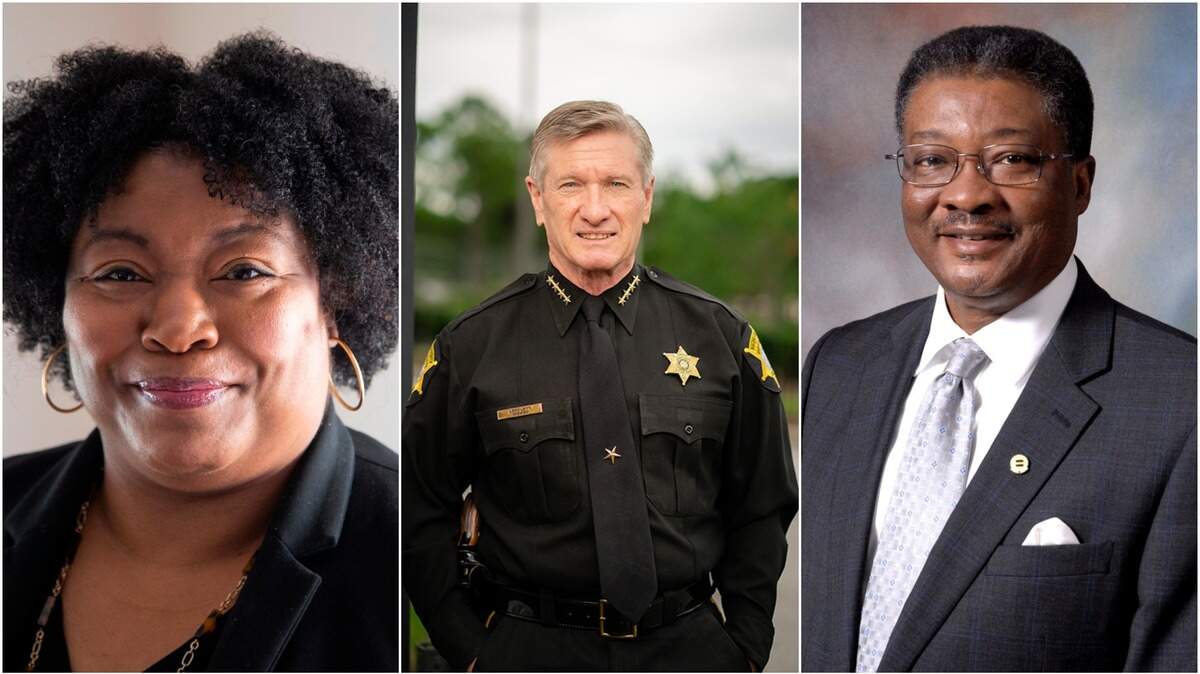
Community policing and reform needed in SC, group says. Both have to improve
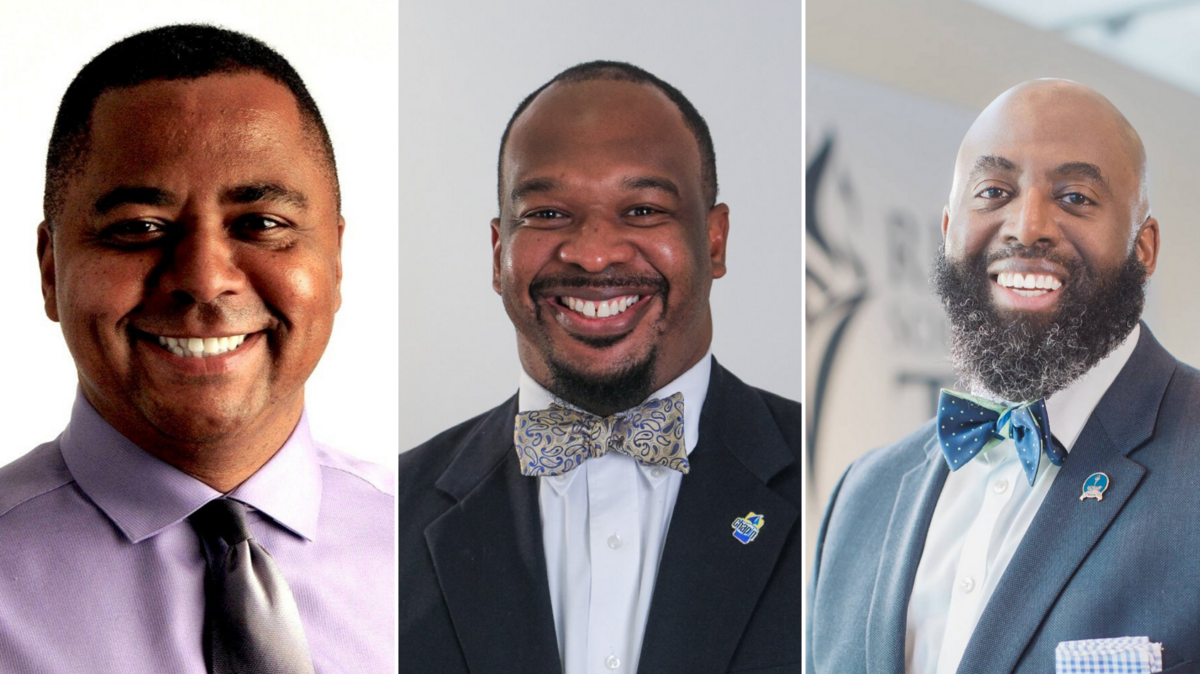
More Black perspectives needed in SC classrooms, experts say at panel
SC Sen. Tim Scott: Focus must be on improving Black outcomes, not tearing down systems
In order to have a more inclusive education, more Black perspectives are needed in South Carolina classrooms, two experts said at The State’s live panel on race and inclusion.
That means recruiting and retaining Black educators to teach young students, allowing Black teachers the latitude to incorporate cultural references in lessons, adding the perspectives of people of color to history books and teaching children from a young age to empathize with people from different cultural backgrounds, the panelists said.
The two panelists were Richland 2 Superintendent Baron Davis and Akil Ross, a Columbia-based education consultant who was named national high school principal of the year in 2018. Their discussion was part of a four-segment online forum organized by The State and its parent company, McClatchy, called “Breaking Point: Tackling systemic racism in South Carolina.”
Perhaps one of the more effective measures schools could take is hiring and retaining black teachers, especially those who teach young children, Davis said. Black students who have a Black teacher are 7% more likely to graduate and 13% more likely to attend college, according to a 2018 study from the National Bureau of Economic Research.
One relatively easy place to start is with teaching arts and literature by Black artists and authors, said Davis, who became the first black superintendent of the largest school district in the S.C. Midlands in 2017.
Doing that teaches young, Black schoolchildren that “the contributions of their culture are as important as any other culture,” Davis said.
That could mean anything from incorporating into literature Tupac Shakur to the poems of Paul Laurence Dunbar, one of America’s early and influential Black poets who famously wrote We Wear the Mask, Davis said.
Ross — who was the principal of Chapin High School when he earned the distinction of national high school principal of the year and now runs an education consulting group called HeartEd, LLC — emphasized the need to focus on the histories of communities who lived in the Colonial Americas other than just white Europeans.
For example, students should be able to understand how the mentality of racial superiority allowed slavery to exist in the first place. Students should know the history of indigenous people such as the Tainos, who are indigenous to the Carribbean islands.
But before children can be taught about the Jim Crow era or the music of Miles Davis, the “prerequisite” is for them to have been taught “empathy,” Ross said.
“Children can be taught early to listen to the stories of others,” Ross said.
This story was originally published July 10, 2020 at 2:39 PM.