
Erasing history, or bringing new life? Former Bull Street patients, staff conflicted as campus transforms
After several suicide attempts, misusing drugs and alcohol, and suffering from untreated depression and bipolar disorder, Jan Wise stayed at the South Carolina State Hospital in the early 1980s.
Now the place she once called home is transforming into restaurants, apartment buildings, offices and academic facilities. While many are excited about these new developments in downtown Columbia, others with ties to the former State Hospital believe the campus should have remained a medical facility for those with mental illnesses or should be restored as a museum to honor its history.
As the city and former patients and employees grapple with the sometimes painful legacy of the asylum, some do worry the new development is glossing over history that could be learned from.
Wise reflects on her stay with gratitude, saying that the hospital aided her recovery process. Wise hopes the new BullStreet District — the more than 180 acres that once housed the South Carolina State Hospital and now teems with construction crews — will thrive as the campus is renovated.
“It’s the largest undeveloped area in a major city. As far as what happens to the Mills and the Babcock (buildings), I want them to stay. I want that word ‘asylum’ there so people can see it and remember,” Wise said.
For the better part of two centuries, from 1828 to the 1990s, thousands of patients with mental illnesses were housed and treated at the Bull Street campus.
Loretta Goble, a former recreational therapist at the hospital in the late 1970s, is torn between the advantages of the new development and the loss of a bittersweet significance the hospital had in South Carolina.
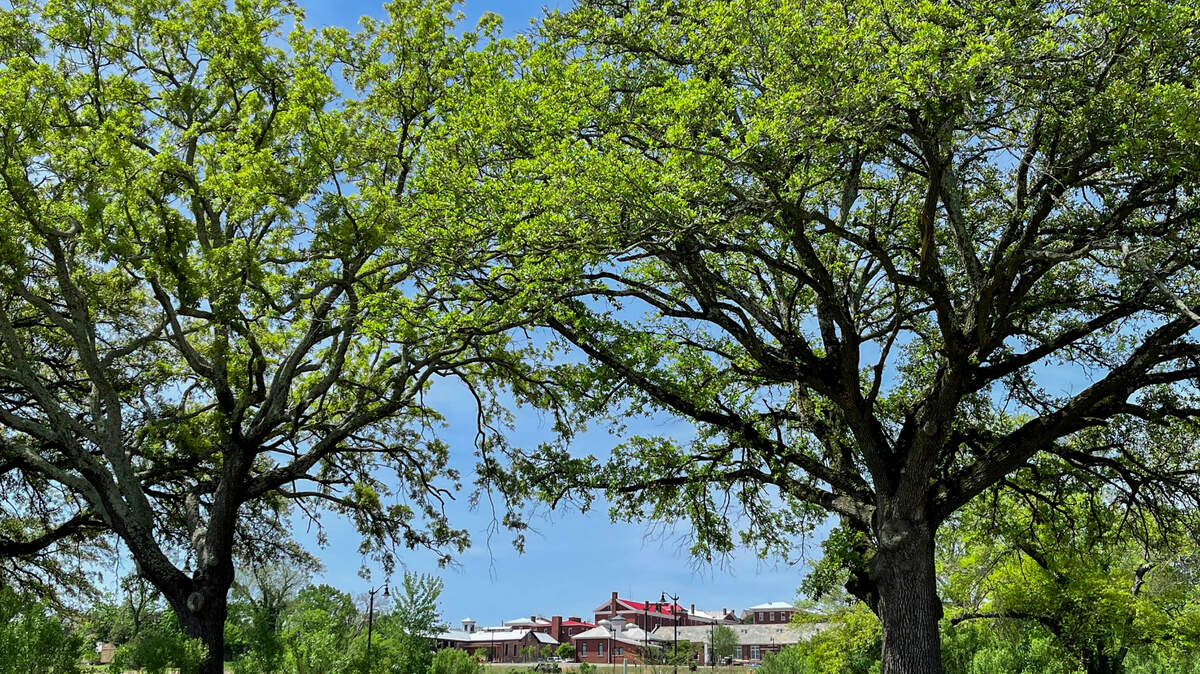
Goble liked to walk the grounds at lunch while she worked there. She especially enjoyed the canopy of trees and loved working with her patients. She remembers providing activities for patients such as art, music, plays, basketball, dances, movies and ceramics. Goble also taught guitar lessons on the campus.
“I have a handmade wooden chess board that was made by patients in the Occupational Therapy department,” Goble said.
But she also painfully recalls patients and employees “being surrounded by multiple diagnoses of mental health and mental illnesses that can range from violence to catatonic states to basic physical handicaps and moderate depression.”
In this case, she believes the some of the painful memories of the campus are best forgotten.
“There are pros and cons to everything in life. And tearing down an old building, or landmark to make way for a new one is one of those difficult decisions,” Goble said.
Former Gov. Mark Sanford’s administration decided to set aside plans to renovate the abandoned South Carolina State Hospital campus. Therefore, current Columbia City Councilman Howard Duvall says that if anyone has complaints about the renovations, they need to go to state levels.
Sanford hoped that the property would provide cultural benefits to the community rather than the old campus sitting there unused.
“My designation is, ‘How do you get assets rather than (the property) sitting there and doing nothing?” Sanford said.
Duvall said that the Hughes Development Corp., a Greenville-based group that is overseeing the transformation of the campus, is “sensitive to the wishes of the city.”
Duvall is proud of the speed at which the BullStreet District is developing. He points to the REI Co-op store, Starbucks and the Merrill Gardens active senior living facility’s occupancy rate. Anchored by the $37 million Segra Park minor league baseball stadium, the BullStreet District is being increasingly built out, with active construction on new apartments — including in the historic Babcock Building at the center of campus — new offices, and even a food hall planned in the former campus church.
“You can see that there has been a big acceleration in the redevelopment in the last three years. I hope that acceleration continues so that we can get these buildings used again and get some new ones on the campus. And I think it will be very beneficial to the city of Columbia to have that project completed ahead of schedule,” Duvall said.
What’s Staying
The iconic Babcock Building is staying on site.
The space is being transformed into a luxury apartment building. As of July, 40 apartment units have already been leased. By mid-2023, 203 apartments will be available.
The BullStreet development leaders were required to save five buildings — Babcock, two Babcock dining halls, the Chapel of Hope and the central portion of the Williams Building. However, the Hughes company decided to save 10 in total, including Ensor, the Bakery, the Parker Annex, the Central Energy building and the old Laundry building.
Goble joyfully spoke of the Chapel of Hope — soon to become Sanctuary Food Hall — saying the name provided optimism in patients who felt there was no hope. But to her, renovating the buildings seems the city is trying to cover up history that Columbia can learn from.
The Mills Building will stay on site, as the state of South Carolina occupies it. The Mills Building was the original building for the South Carolina State Hospital before the campus expanded.
The historic plaque will remain at the entrance to the BullStreet District campus.
Even though the Babcock building has been salvaged, not all are happy about the renovations.
“I don’t like the fact that they’re turning the Babcock into apartment buildings. That totally degenerates the whole historical concept of that building,” said Helen Skipper, a former nurse in the 1960s. Skipper refuses to return to Columbia; she said it pains her too much to see the new developments throughout the city.
Sam Alexander, a former policeman for the hospital, said many of the people now experiencing homelessness in Columbia were once Bull Street patients. After the hospital was deinstitutionalized, patients had limited options of where they could go: the streets, jail, emergency rooms, or friends and family.
Goble, the former recreational therapist, said she sees some of her former patients on the streets.
“We never filled that gap in our community,” Goble said. “They became homeless, and that just broke my heart because they needed, they really needed somebody to tell them what time to get up, when to eat, when to change their clothes, etc. They really needed that, and they didn’t have that anymore.”
Wilhamena Rivers, a former nurse’s aide at the S.C. State Hospital, has a family member who has tried to get sufficient mental help at hospitals in Columbia. However, her relative is unable to be admitted. Now, Rivers wishes that a place like the state hospital still existed for people like her relative.
“I just wish they do something more. Get a better place for the people,” Rivers said.
This story was originally published July 30, 2022 at 5:00 AM.