
Drama boils between Lexington County and its cities, towns over control of road funds
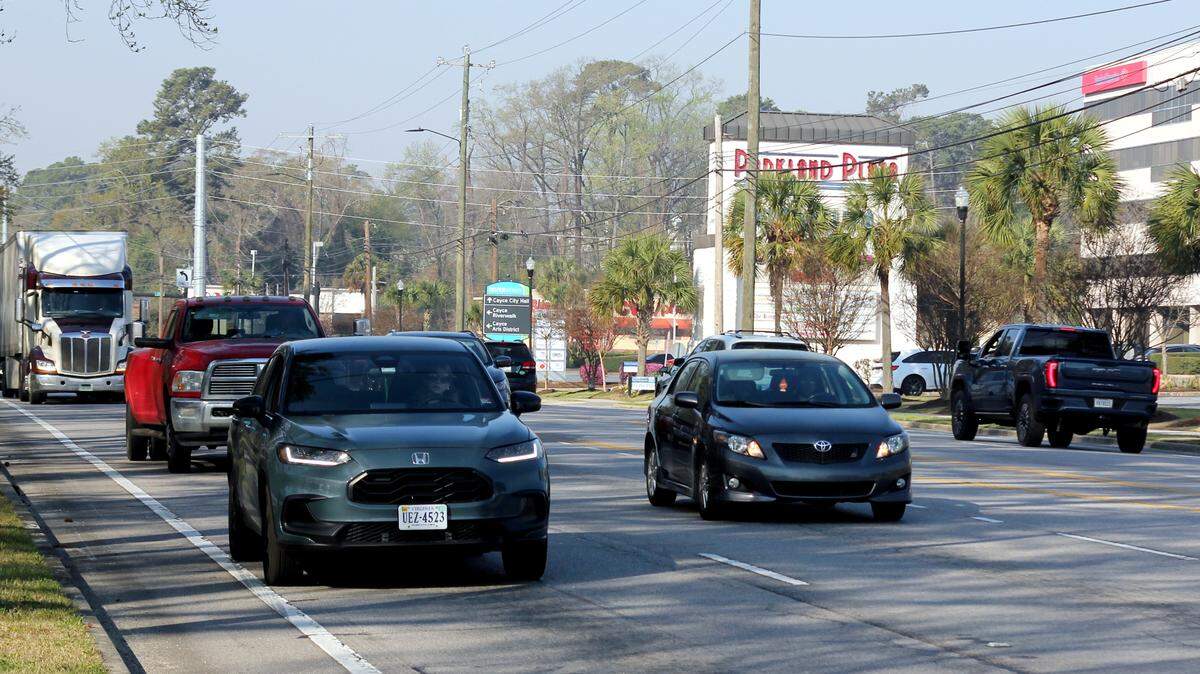
Tensions are mounting between Lexington County and the 15 cities and towns within its borders after the county canceled a circa-1978 agreement to maintain roads in those municipalities late last year.
Backlash from the municipalities, faced with the possibility of shouldering this financial burden, followed swiftly after the December decision, and County Council voted last month to offer the cities and towns a new agreement, but that has done little to cool things down. Now, many cities and towns are balking at the new agreement and may call on state legislators to change how their local road funds get doled out.
The new agreement suggested by the county would require new residential developments annexed into a municipality, regardless of the city or town they’re in, to abide by county development standards in order for the county government to accept responsibility for their roads. But some city and town leaders decry the move as a way for the county government to stifle growth.
“I think it’s an absolute power trip by a bunch of egomaniacs,” West Columbia Mayor Tem Miles said. “And please quote me on that.”
Core to the debate is how the county divides up state gas tax funds earmarked for road maintenance. The state allows county governments to control the flow of that money through transportation committees appointed by each county’s state House and Senate members.
West Columbia passed a resolution asking for the Lexington County delegation to change the membership of the county Transportation Committee to add representation from the municipalities. At present, it consists only of the nine County Council members.
The town councils for Chapin and Irmo also put on similar resolutions on their agendas, with Chapin having called a special meeting this Thursday to consider it and Irmo set to take it up at its regular meeting scheduled for Tuesday. Lexington may also take up such a resolution in the near future, town officials said.
The legislative delegation has scheduled a meeting with the county on Tuesday, where county and municipal officials will get to express their concerns and the legislators will consider what, if any, action is appropriate.
“I’m going into it with an open mind,” said state Rep. Micah Caskey, R-Lexington. “I’m interested in hearing all the perspectives, and if we gotta make a change, we’ll make a change.”
County Council passed its own resolution Tuesday asking the legislative delegation to leave the Transportation Committee as is, following a somewhat contentious discussion that Council Chair Beth Carrigg called “such a waste of time.”
“If there’s a municipality out there that would like to send us an agreement — they say, ‘We don’t like yours, but we’re gonna send you this one to talk about’ — I think anybody here at the table would be willing to talk about that,” Carrigg said during that meeting.
The State has confirmed that none of the the three most populous municipalities contained entirely within the county — Lexington, West Columbia and Cayce — have signed off on the agreement. Neither have Batesburg-Leesville nor Irmo, which straddle the county line.
On Monday, County Council Member Scott Whetstone, who represents the largely rural District 1, posted and then quickly deleted a roughly 10-minute Facebook video from the front seat of his vehicle in which he argued that it is County Council’s job to advocate for the unincorporated areas.
“The county looked at the overabundance of growth and all of the new roads coming into the county,” Whetstone said in his video. “And we’ve been listening to the people about how to control this growth, and how to fix the roads that we already have, much less take in new roads.”
‘Taxation without representation, brother’
For Irmo Mayor Bill Danielson, the idea that the county would be able to dictate rules for development in the municipalities in exchange for road maintenance is unacceptable.
“It’s to stop growth,” he said of the changes made to the maintenance agreement. “And to reignite and start the penny tax drive again.”
The county has twice — in 2014 and 2022 — put a 1% sales tax to pay for road work on the ballot for voters to consider. Both times, it was voted down by a margin greater than 9%. Had it been approved in 2022, the county estimated it would have raised an estimated $536 million across eight years, all of which would have been used on roads.
Paying for road work in the county continues to be a hot topic, with County Council getting a report last fall predicting that 70% of county roads could be in “fair” or worse condition by the end of the current decade.
Council also had another spirited debate this week before giving initial approval to a $30 vehicle registration fee to help pay for projects.
As to the gas tax funds, Danielson said Irmo only received $15,000 separate from the county last year, and that’s simply not enough to handle its maintenance needs.
“We can’t maintain 100 feet of sidewalk for $15,000,” he added.
Lexington Town Council Member Gavin Smith lamented that there wasn’t better communication from the county to the municipalities as the decision to cancel and then reshape the road maintenance agreement was reached.
“There needs to be more dialogue between the municipalities and the county,” he said, expressing a hope that the county won’t make any more unilateral decisions that impact the municipalities without consulting them. “Ultimately, I’ll leave the decision to the delegation.”
Smith added that he respects all the members of the delegation and trusts them to make a responsible decision that takes into consideration the concerns of the county and the municipalities.
For his part, West Columbia’s Miles is riled that decisions about roads within the cities and towns are being made without them having a voice in those discussions.
“Taxation without representation, brother,” he said. “It’s fundamental to the struggles of this country.”
During Tuesday’s County Council meeting, Council Member Todd Cullum floated the idea of going back to the previous agreement with the municipalities, which would remove the stipulations about developments within annexed areas.
“I think a lot of this could be resolved in about 10 minutes if we leave the program just like it was and not stipulate that they have to abide by our zoning,” he said.
“We’ve had the argument over the road standards, and we’ve terminated the contract,” Carrigg responded.
This story was originally published March 15, 2024 at 5:30 AM.
.jpg)