Residents vote to keep Richland County transportation penny tax. What to know
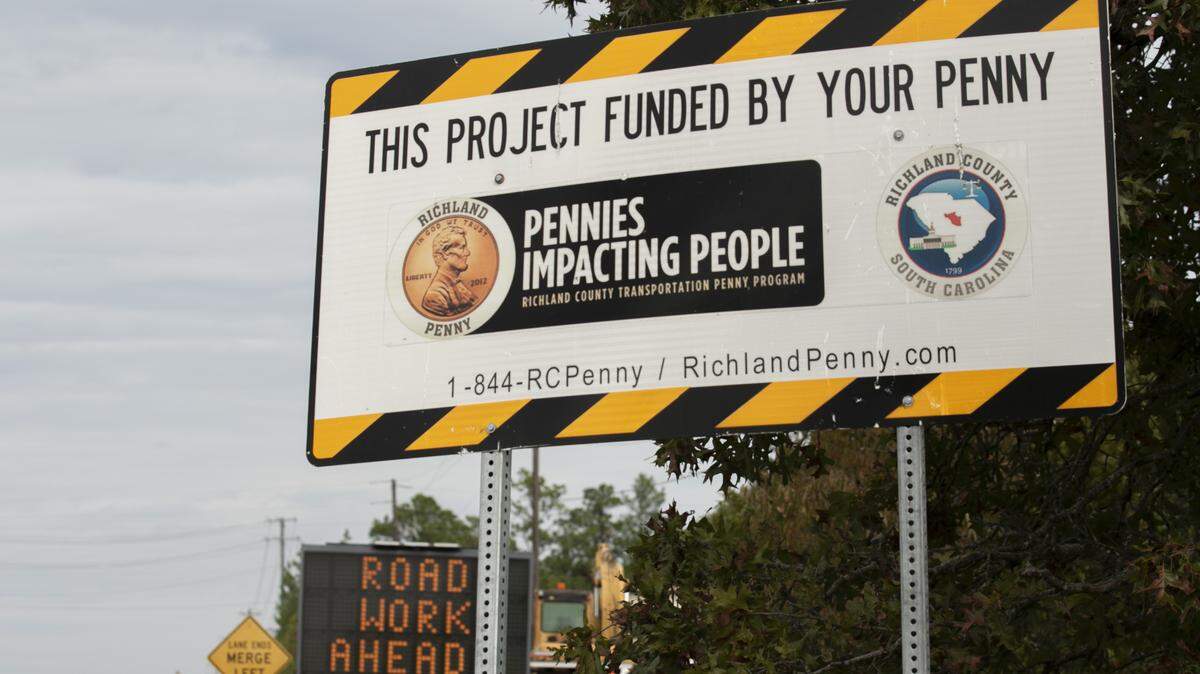
Voters Tuesday showed overwhelming support for keeping Richland County’s transportation tax, with more than 61% of votes being cast in favor with 99.33% of precincts reporting.
The 1% Sales and Use tax currently pays for new roads, sidewalks and the COMET bus system, among other transportation needs in the county.
As of the most recent vote totals released at 3:22 a.m., there had been 106,238 ballots counted in favor of keeping the tax and 67,047 votes opposed. Even after all the votes have been counted, the results won’t be official until they are certified.
Voters narrowly approved the tax in 2012 on the condition that it would collect money for 22 years or until it collected $1.07 billion. The tax is expected to collect that amount by the end of 2026. If voters don’t approve extending the tax, it will expire by 2027.
Voters seem to have now agreed to extend the tax for another 25 years or until it collects $4.5 billion.
“I hope it’s what folks want, because they got it for 25 years,” said County Councilman Don Weaver, who has been supportive of the penny tax but not the 25-year time frame. “I hope we make the best of it and I hope we’re very transparent with it going forward.”
Despite the time frame, Weaver said he thinks the tax is going to provide “literally concrete results,” pointing to sidewalk projects and intersection fixes that have improved people’s commutes, for example.
The COMET bus system, which relies on the tax, thanked voters with a statement Wednesday morning.
“On behalf of The COMET staff, drivers, and the countless individuals who rely on our services for transportation to work, healthcare, education, and day-to-day activities, thank you Richland County residents for the trust you have placed in us through your positive referendum vote at the ballot box,” the statement reads.
The transit provider promises to expand the number of routes and frequency of pickups with the 22% of the tax dollars set aside for its operation.
The county, as well as the cities and towns within, rely on the penny tax to pay for things like sidewalks, new roads and other transportation projects. The widening of Clemson Road, the extension of Shop Road and the Lincoln Tunnel Greenway are some of the projects that have been paid for with the money.
Despite the successful projects, the county hasn’t finished everything it promised to do in 2012. It is also still regaining trust from residents after it was determined the county misused some of the money on non-transportation projects, leading to a Department of Revenue audit and lawsuit. The county ultimately had to pay back more than $15 million into the tax fund.
Weaver said he knows some voters remember those problems, but said council has added several new members since, including himself.
“I don’t think we would put up with any of those shenanigans today,” he said.
The county is promising a slate of major work to be paid for with the penny funds over the next two decades.
Some big ticket items on the county’s list of possible projects include: a $7 million intersection upgrade at Langford Road, Wilson Boulevard and Blythewood Road; a $4 million shared-use bike path on Garners Ferry Road; a nearly $5 million sidewalk on Assembly Street; tens of millions for work on major commercial-district roads like Harden and Devine streets; road widenings worth more than $700 million, including of Spears Church Creek, Garners Ferry and Two Notch roads; $25 million to separate the railway from the road on Assembly Street; $20 million for another extension of Shop Road, and much more.
This story was originally published November 5, 2024 at 8:32 PM.