Are beer sales in this Columbia neighborhood fostering crime? Residents say yes
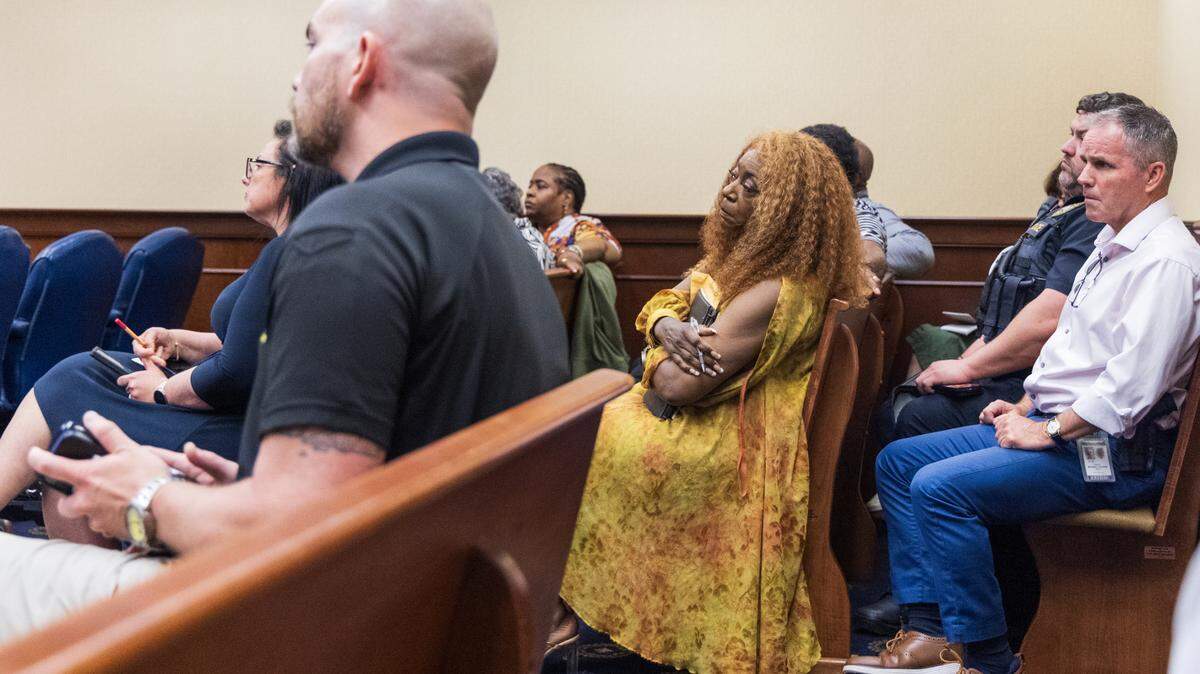
Should a pair of convenience stores less than a half mile from each other, seen as a crime magnet by some in the community, be allowed to sell alcohol? Residents in neighborhoods along the upper stretch of North Main Street hope a judge says no.
Groups of people, mostly men, “hang around” the stores, often drinking from brown paper bags, residents recently testified in court. Community members have seen hand-offs that look like drug deals, gambling, and exchanges that seem like preludes to prostitution, they also testified.
In one of the two cases, the Richland County Sheriff’s Department is also protesting the store’s ability to sell beer and wine.
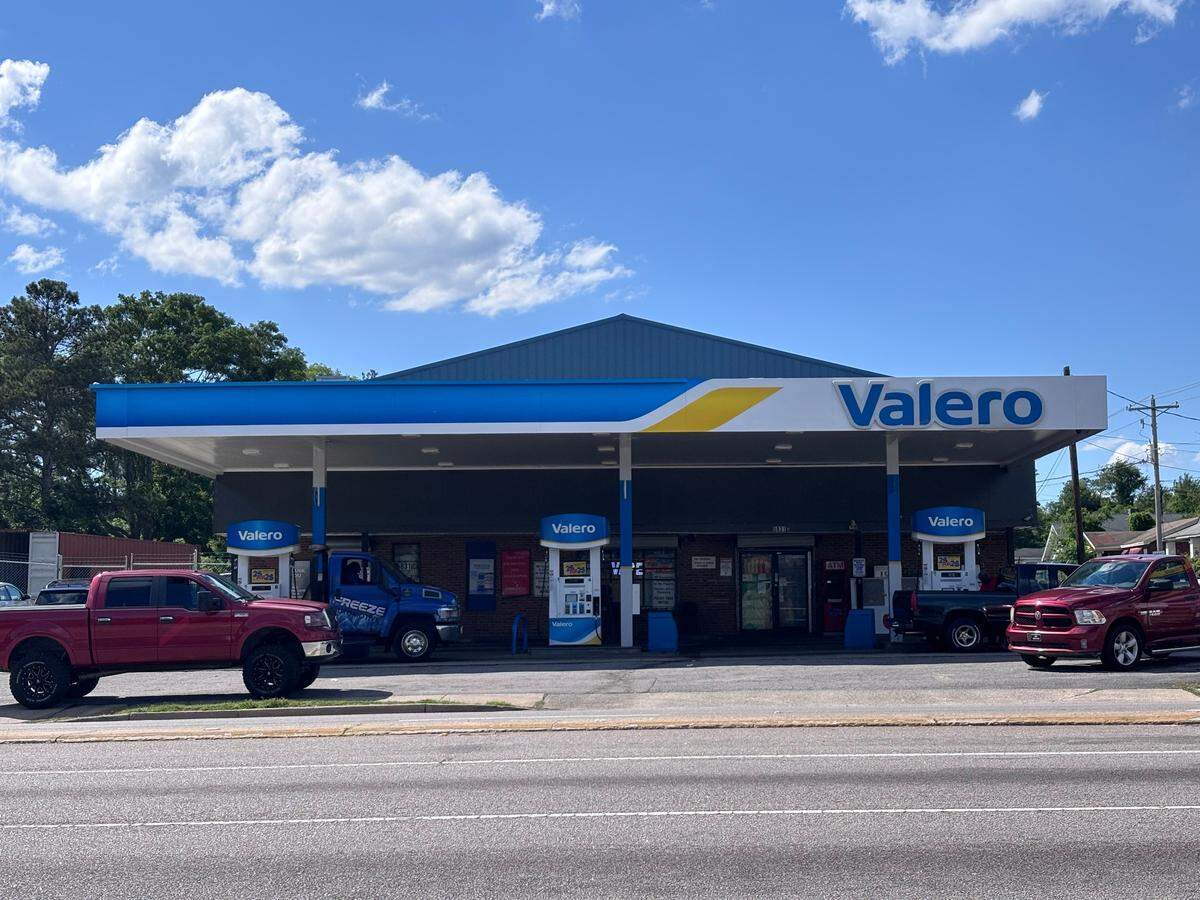
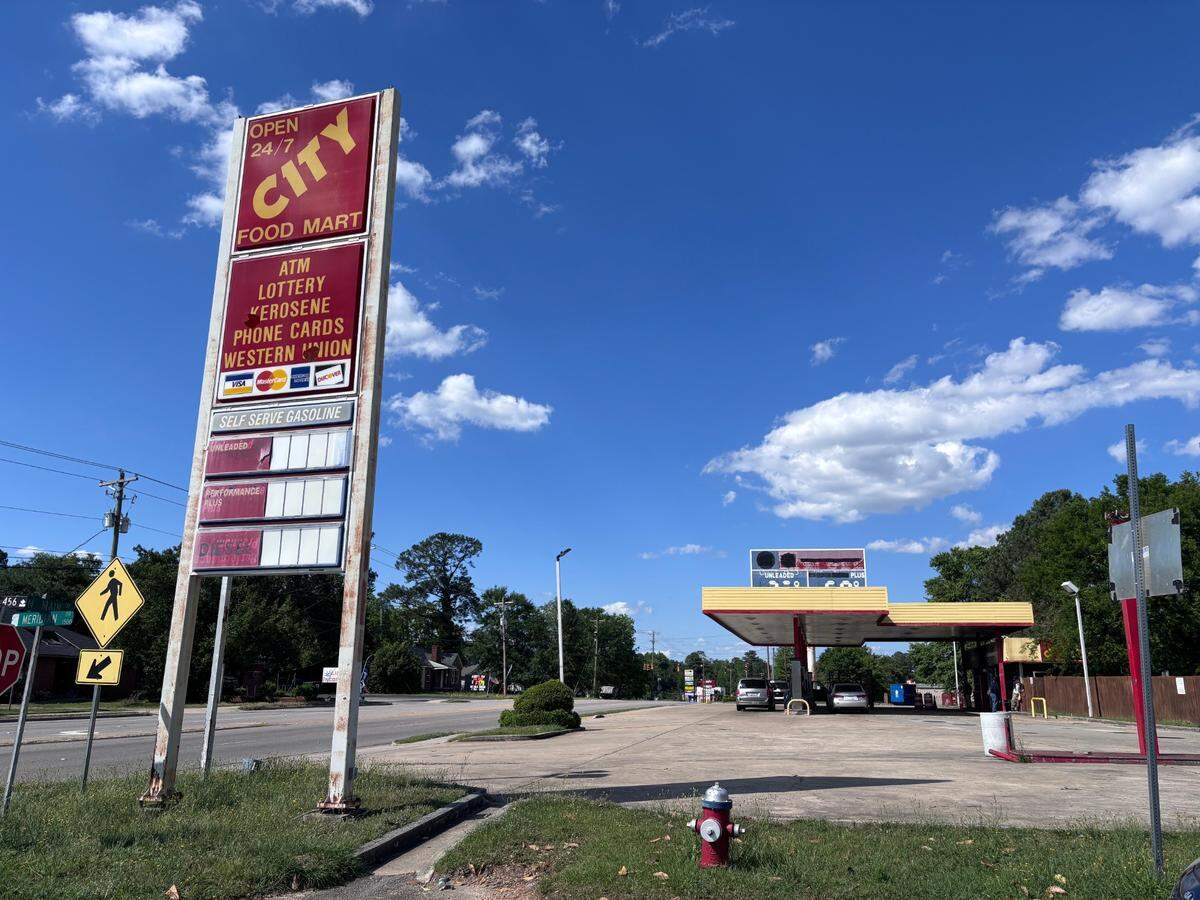
The stores having their permits challenged include a location that was previously North Columbia’s infamous Obama Mart, which rebranded several years ago and is now a Valero gas station with a convenience store called Palmetto Market, and City Food Mart near the area’s Piggly Wiggly grocery store.
The alcohol license challenges show a years-long tension boiling over. Convenience stores have overrun North Columbia, residents say. In other parts of the city, the public has pushed back against zoning exceptions that would permit convenience stores in their areas.
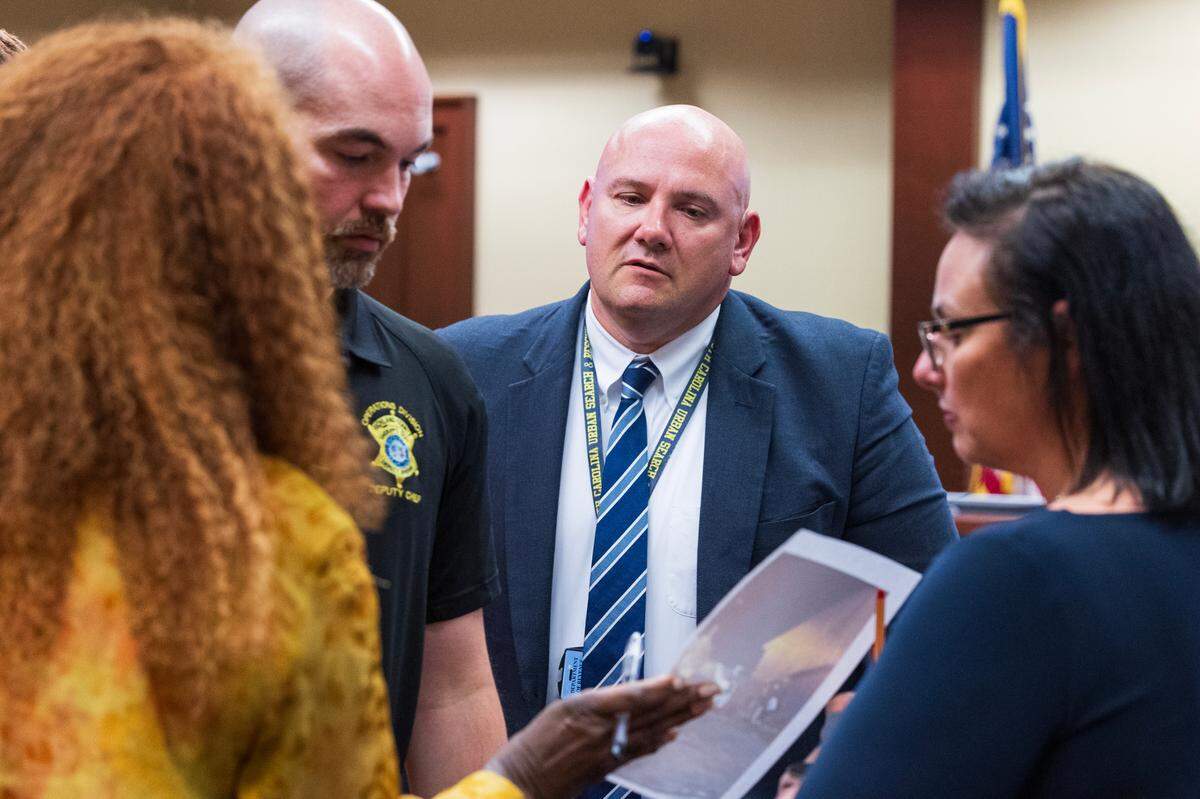
At the same time, the business owners – all immigrants who have managed convenience stores for years – said that they do what they can to control loitering and bad behavior, and that much of what residents observe is happening outside of the bounds of their properties. Plus, their attorneys add, they cannot be held responsible for curing societal issues like homelessness and addiction.
Residents who testified in court and who spoke with The State acknowledged that the problems exist beyond these two locations, but also said that these stores are a major factor.
If the stores can’t sell alcohol, particularly single cans of beer, residents hope that will deter the behavior they described in court.
A judge will decide what happens next.
First-hand accounts
Michael Glover, a deacon at Bethlehem Baptist Church, recalled being propositioned by a “young lady” while walking around a property owned by the church and adjacent to the Valero station, during his testimony at an April 30 hearing.
A Richland County councilwoman, Tyra Little, testified to seeing public drinking and the illegal sale of mattresses and tires. She also said the property was already in violation of county land regulations.
Gwendolyn Singletary, executive director of community nonprofit the Wiley Kennedy Foundation, shared pictures from a time she was on her way to the airport early in the morning and saw what she could only describe as gambling in one of the parking lots.
Police and community members have confirmed they see this kind of problem behavior at a number of stores in this area and beyond. Residents say that behavior, not the alcohol itself, is their true concern.
“Our problem [is] with what you allow to fester around the alcohol sales,” Singletary said.
There’s at least some evidence to support that the type of crime and vandalism residents testified to witnessing could be tied to the sale of alcohol. In other parts of Columbia, police have also taken notice of a handful of convenience stores with surprisingly high call volumes, confirmed Columbia Police Department inspector Michael Crowley.
“The main thing that I’ve noticed is that the majority of the people that are buying alcohol from these places are buying single [beers] at 85 cents,” Crowley said. He stressed that he hasn’t seen this problem at all, or even most of Columbia’s convenience stores — but where there are high call volumes there is also the sale of single-serve beer.
At those stores, Crowley has asked the shops to stop selling the single cans, or to change how they are displayed. He’s gotten mixed responses, but in at least one case, a store complied and Crowley said he’s seen calls for service there dip in recent months.
In the case of the two stores under scrutiny by residents on North Main, both sell single-serve beer. City Food Mart is not on Crowley’s list of “problem” locations, and the Valero station is not in the city’s jurisdiction.
Attorney Larry Marchant, representing the owners of the Valero store, told The State in an interview that his clients would consider limiting those sales if they were asked, saying “they’re not totally opposed to that.”
But he also added that if his clients’ store is the only one limiting those sales, or not selling alcohol at all, that puts the owners at a “competitive disadvantage.”
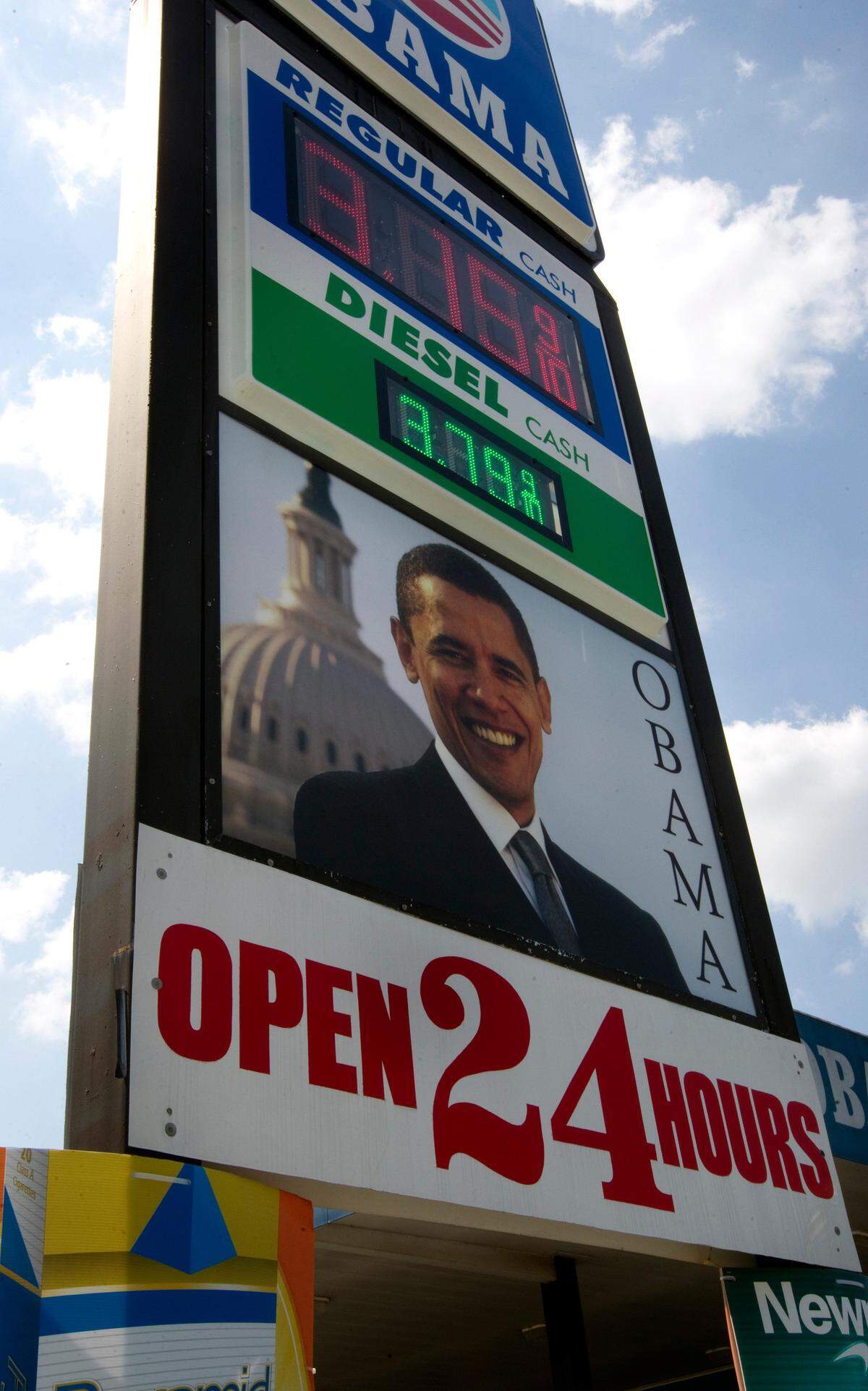
The now-Valero store has had a reputation for years. It’s the location of the former Obama Mart, which for over a decade depicted the 44th president’s name and likeness, making it a landmark of sorts for North Columbia. It was also a frequent backdrop for the reality cop show Live PD, which some residents say has worsened the area’s reputation.
“It has a rippling effect throughout the community,” said Glover, the Bethlehem Baptist Deacon.
Reputation problems
Marchant argued at the April 30 hearing that his clients, new owners who purchased the shop in 2022 and rebranded it hoping to restore faith, should not be held responsible for the actions, or inaction, of their predecessors.
But the Richland County Sheriff’s Department shared data at the hearing showing crime is still a consistent presence at the site. It has seen nearly 400 calls for service since January 2024, Department Captain Karen Gilman testified.
Gilman called the store an “undue burden” on law enforcement during her testimony before Judge Crystal Rookard at the Administrative Law Court April 30, and noted, “the calls to respond to that location continually increase.”
The sheriff’s department was just one of 30 total protestants opposing the store’s permit renewal.
Less than half a mile down the street at 6132 N. Main sits another convenience store and gas station called City Food Mart that residents say is also a hub for loitering and crime. And they testified to that at a separate hearing held just a few days after the one for the Valero store, also at the Administrative Law Court before Judge Rookard.
John Alfin, attorney for City Food Mart, argued that this case is different for a number of reasons, including that the owners of the shop are in the store daily, and that there is no police protest in this case.
“We certainly understand [the] concern, but it’s part of a larger issue in Columbia,” Alfin said in an interview with The State, but he added that the owners of City Food Mart are responsible members of the community and can’t control what happens on either side of the store – which sits between two bus stops.
Residents disagree. Nine of them protested the store’s license renewal. It sits within the Columbia City limits and under the jurisdiction of the Columbia Police Department. That agency didn’t file anything opposing City Food Mart’s renewal application.
Crowley said that he did vet City Food Mart when he saw that it had filed an application to renew its alcohol permit, and that the call volumes there were not high enough to warrant protesting the license.
Still, Singletary said she’s disappointed. She and a group of residents organized under the banner “United Alliance of North Columbia Neighborhoods” successfully challenged the Obama Store’s beer and wine permit in 2021. The sheriff’s department showed up for that case as well.
That same year, their group also challenged the permit of a different convenience store, also in Columbia. Police didn’t support that effort either, and they lost the challenge.
“We totally get it, it’s problematic,” Columbia Police Chief Skip Holbrook said of Singletary’s broad concerns about the proliferation of convenience stores. He added that while the jurisdictional web in that area between the city and county can “sometimes be an impediment,” he doesn’t think that is the case for law enforcement because he believes city police and the sheriff’s department collaborate well.
The chief also noted that while the police department did not challenge City Food Mart’s alcohol permit, it did help end the illegal sales of mattresses in the business’ parking lot.
“That’s one of the things we’re able to do,” Holbrook said.
Public protests
Convenience stores and other businesses that sell alcohol must apply for a specific permit and have that permit renewed every two years.
When those permits come up for renewal, the public is afforded a window where they can file formal protests, like in this case. Columbia does protest some of these permits, but those protests are largely a last resort for the department, Crowley added.
In his roughly five years on the job, he’s seen more than 1,000 alcohol permit applications but challenged only about a dozen. And not all of those challenges were for permits held by convenience stores.
Currently, Crowley has four pending alcohol permit protests – two against convenience stores, and two against other establishments including an area bar.
In addition to law enforcement, the public can also file these protests.
This helps the Department of Revenue find potential problems that it may have missed, attorney for the department Dana Krajack said at a hearing May 5 for City Food Mart. Krajack also said at that hearing that the DOR would have approved City Food Mart’s permit request if not for the public protests.
Singletary’s group said that because there are so few other mechanisms available to address the problems they are seeing, this is the avenue they are using to try to get at the ongoing convenience store problems.
A permit can be denied for a number of reasons, including because the location is deemed unsuitable for alcohol sales.
In the case of the former Obama Mart, the Department of Revenue has already successfully argued once that the location is not suited – when residents and the sheriff’s department challenged the store’s permit in 2021. When the new ownership took over the store in 2022, the department granted a new permit.
But because there have been public protests, a judge now gets to make the final ruling on if the store’s permit should be renewed.
Attorneys for both convenience stores at issue have argued that their clients are good community partners.
Marchant, attorney for the former Obama Mart, said the new owners have put more than $150,000 into improving the site, including the cost to host a national brand like Valero.
“We will admit … there is a crime issue with that general area,” Marchant said at the hearing, but he added that his clients had installed new lights and security cameras to deter unwanted activity.
In the case of City Food Mart, Alfin stressed that there is not a law enforcement challenge. He also said the owners of the business are at the shop constantly, the store has switched from 24/7 operation to a 6 a.m. to midnight model, and they have posted signs warning patrons against loitering.
The store owners are also sponsors of a pee-wee football team, and have been recognized by the Pace Academy charter school across the street for charitable giving, Alfin added.
Waiting for a decision
Residents are specifically concerned about activities at these locations, but they are also working on a broader vision to restore aspects of their communities they say have been lost to time and disinterest.
The site where the Valero gas station is located was decades ago a Pay-N-Pak grocery store owned by the Midlands-born Huffstetler family. One of the store’s last owners, Elmer Ray Huffstetler, died in 2004 – enough time to see his former livelihood rezoned and turned into a Citgo station.
The gas station first donned its now infamous Obama signage in 2011.
Little, the county council member, said the area has always been a proud community, but that the over-saturation of convenience stores is a major factor dragging it down.
Singletary has a list of convenience stores she is watching, waiting for their permits to come up for renewal.
She stresses she isn’t trying to ban alcohol, and she isn’t trying to see these stores shut down. But, she said, if the stores are going to continue to be a part of the community, “then be a part of the community,” she said.
She would like to see a greater investment than what their lawyers described in court. For example, she wants to see them hire private security.
“It’s the cost of doing business … especially if you’re open 24 hours a day,” she said, as the Valero station is.
It is unclear how long it may take for Judge Rookard to reach a decision in the two cases. Attorney Patrick McCabe, who argued the Department of Revenue’s case against the Valero station, said it could take a month or more for a decision in a hearing like this.
If their challenges fail, Singletary said she will be back with another challenge in two years.
This story was originally published May 13, 2025 at 11:55 AM.